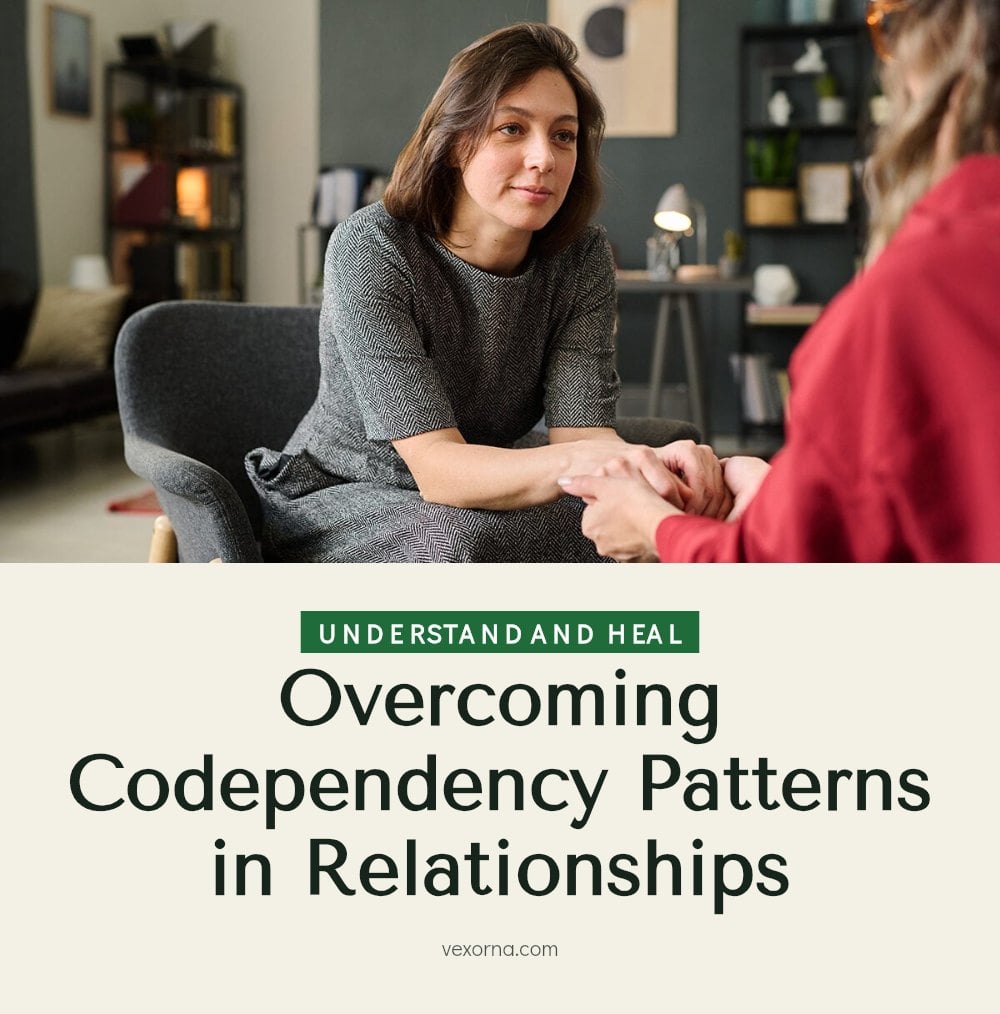
Do you often feel responsible for other people’s happiness and problems, even when it drains you? You might be caught in a pattern of codependency, where your self-worth gets tangled up in how much you can ‘fix’ or control those around you. This article breaks down what codependency really looks like, why it develops, and practical steps you can take to build healthier relationships with yourself and others.
Key Takeaways
- Codependency involves prioritizing others’ needs over your own to an unhealthy degree.
- Setting one small boundary per week is a practical starting point for change.
- Recovery often takes months or years of consistent effort, self-reflection, and support.
- Professional therapy or a support group like Co-Dependents Anonymous (CoDA) can provide guidance.
- Developing your own interests and self-worth independent of others is essential.
What Exactly Is Codependency?
Codependency is a behavioral pattern where you consistently prioritize others’ needs over your own, often measuring your self-worth by how much you can ‘fix’ or control those around you. It shows up as an exaggerated sense of responsibility for other people’s feelings and actions, a deep difficulty setting boundaries, and a strong need to be needed. While codependency is not a formal diagnosis listed in the DSM-5, it is a widely recognized dynamic that can affect romantic partnerships, friendships, and family relationships.
Why We Develop Codependent Tendencies
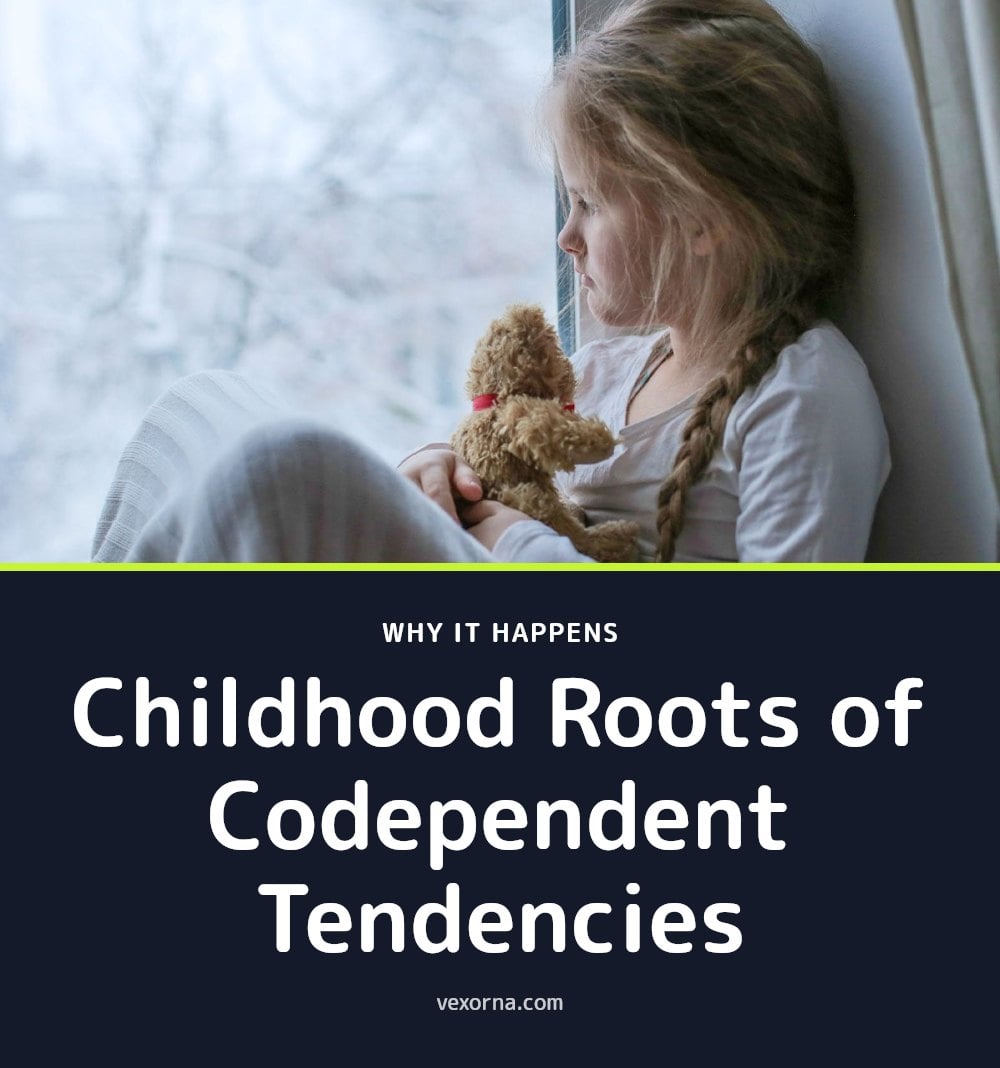
Codependent tendencies often begin in childhood. Growing up in a dysfunctional family where emotional needs went unmet or boundaries were unclear teaches you that love means sacrificing yourself for others. Low self-esteem and a fear of abandonment then drive you to seek validation by helping or controlling people around you.
Key origins of codependency
- Dysfunctional family environment: When caregivers are unpredictable, emotionally absent, or controlling, you learn to manage their feelings to feel safe. Your own needs become secondary.
- Low self-worth: If you don’t believe you are valuable on your own, you look for proof of worth by being needed. This creates a cycle of over-giving and resentment.
- Fear of abandonment: The thought of being rejected or left alone feels unbearable, so you avoid conflict and suppress your own opinions to keep the peace.
- Learned survival mechanism: Confusing love with pity or control becomes automatic. You may feel most connected when someone depends on you, even if the relationship is unhealthy.
Practical Ways to Start Breaking Free from Codependency
Breaking free from codependency is possible with consistent, small actions. Start with these five practical methods.
- Set clear boundaries: Begin with one small boundary per week. For example, tell a friend you can listen for 15 minutes but then need to go. Stick to it even if it feels uncomfortable. My tip: Write your boundary down before you say it aloud so you stay on message.
- Name your own feelings: Each day, ask yourself what you are feeling and what you need. Say it directly: “I feel tired and I need to rest.” Stop expecting others to guess or to put their needs first automatically.
- Develop your own interests: Pick one hobby or class that has nothing to do with anyone else’s schedule or approval. This could be a weekly book club, a painting class, or a solo walk. The goal is to build a sense of self that exists outside of relationships.
- Prioritize self-care: Treat your needs as non-negotiable. Schedule time for sleep, movement, and quiet moments. You cannot pour from an empty cup.
- Stop fixing others: When someone shares a problem, resist the urge to solve it. Instead, say “That sounds hard. I am here to listen.” Offer support without taking on their responsibility.
Common Pitfalls When Overcoming Codependency
As you work on changing patterns, watch out for these common traps that can stall your progress.
- Believing that helping others at all costs is always a virtue: This mindset leads to neglecting your own needs and building resentment. My tip: True virtue lies in balanced giving, not in self-sacrifice.
- Confusing love with an intense need to be needed or to control: Healthy love is built on mutual respect and independence, not on one person depending on the other for their sense of worth.
- Expecting others to change if you just try hard enough: You can only control your own actions and reactions. No amount of effort from you can force someone else to grow.
- Ignoring personal boundaries until resentment builds up: Address boundary issues early and consistently. Small, honest conversations prevent big blowups later.
- Thinking that codependency is a sign of weakness: It is a learned behavior, often a coping mechanism from difficult circumstances. Recognizing it is a sign of strength and self-awareness.
Essential Tips for Building Stronger Self-Esteem
Cultivate self-awareness: Regularly check in with your feelings and needs. My tip: Journaling can be a powerful tool for this. Write down what you feel and what you want, without judgment.
Practice self-compassion: Be kind to yourself as you navigate this journey. It’s a process, not a destination. Remind yourself that you are learning a new way of being.
Seek out healthy relationships: Surround yourself with people who respect your boundaries and encourage your independence. Notice how you feel around different people.
Learn to say ‘no’: This is a powerful boundary-setting tool and a way to honor your own capacity and needs. Start with small nos, like declining an invitation when you are tired.
Celebrate small victories: Acknowledge every step you take towards greater independence and self-care. Did you set a boundary today? Did you say no? That is a win.
When to Seek Professional Help for Codependency
If you find it consistently difficult to set boundaries or assert your needs, despite your best efforts, professional support can help. A therapist can guide you through the underlying patterns.
Seek help when codependent patterns are causing significant distress, anxiety, or depression in your life. You do not have to manage this alone.
Caution: If you are in a relationship where you feel unsafe, abused, or constantly manipulated, contact a domestic violence hotline or local resources immediately. Professional help is essential.
Also consider therapy if you suspect underlying trauma or mental health conditions contribute to your codependency. A professional can provide structured guidance for long-term recovery.
The Journey to Recovery: What to Expect
Timeline: Recovery from codependency is an ongoing process, varying greatly for each individual. It often takes months or even years of consistent effort, self-reflection, and support. Be patient with yourself.
Support Groups: Free or low-cost options like Co-Dependents Anonymous (CoDA) offer peer support and shared experiences. Many people find this a valuable complement to therapy.
Therapy/Counseling: Costs vary widely based on location, therapist’s experience, and insurance coverage. Individual sessions can range from $75-$200+ per hour. Some therapists offer sliding scale fees based on income.
Frequently Asked Questions
What’s the difference between being supportive and codependent?
Being supportive means helping someone without losing yourself or feeling responsible for their outcome. Codependency goes further: you feel an exaggerated sense of responsibility, neglect your own needs, and measure your worth by how much you ‘fix’ them. True support respects boundaries; codependency blurs them.
Can codependency be cured?
Codependency is not a formal diagnosis, but it is a deeply learned behavioral pattern. Many people find that with consistent effort, therapy, and support groups, they can significantly reduce codependent tendencies and build healthier relationships. It is more about ongoing management and growth than a one-time cure.
How do I know if I’m in a codependent relationship?
Signs include feeling responsible for your partner’s feelings or choices, having difficulty saying no, and feeling anxious when you focus on your own needs. You may also feel resentful or exhausted from constantly giving. If these patterns sound familiar, you may be in a codependent dynamic.
What if the other person doesn’t accept my new boundaries?
It is common for others to resist when you start setting boundaries, especially if they benefited from your old patterns. Stay firm and consistent. You can explain your need without apologizing. If they continue to push back or disrespect your limits, consider whether the relationship is healthy for you.
Are there any books or resources you recommend for codependency?
Self-help books on codependency and boundaries can be helpful, and many people find support through Co-Dependents Anonymous (CoDA) meetings, which are often free or low-cost. Journaling is also a powerful tool for building self-awareness. A therapist can recommend resources tailored to your situation.
Final Thoughts
My tip: Start with one small boundary this week, like saying no to an extra request, and notice how it feels. Recovery from codependency is an ongoing process, so be patient with yourself. The goal isn’t perfection but progress toward a life where your own needs matter just as much as anyone else’s.
This article is for informational purposes only and does not constitute medical or professional advice. Codependency is a recognized behavioral pattern but not a formal diagnosis. If you are experiencing significant distress or feel unsafe in a relationship, please consult a qualified mental health professional or contact a domestic violence hotline.