
You already know that eating well and moving more are good for you, but when it comes to living a long, vibrant life, the picture is bigger than that. It’s about how you sleep, connect with others, manage stress, and even how you think. This article walks you through 11 practical, science-backed habits that can help you feel your best now and in the decades ahead.
Key Takeaways
- Eat a colorful, whole-food diet with fruits, vegetables, whole grains, and lean proteins.
- Get at least 150 minutes of moderate aerobic activity plus strength training twice weekly.
- Prioritize 7-9 hours of quality sleep and daily stress-reduction practices.
- Nurture strong social ties and stay mentally active to support brain health.
- Schedule regular check-ups and avoid smoking and excess alcohol.
What is Longevity and How Can I Achieve It?
Longevity means more than just adding years to your life. It is about living those years with energy, health, and vibrancy. While your genetics set a baseline, your daily choices, what you eat, how you move, how you manage stress, and who you surround yourself with, have a far greater impact. Adopting a balanced diet, staying physically active, managing stress effectively, and building strong social connections are the core strategies that can help you live not only longer but better.
1. Prioritize a Nutrient-Rich Diet
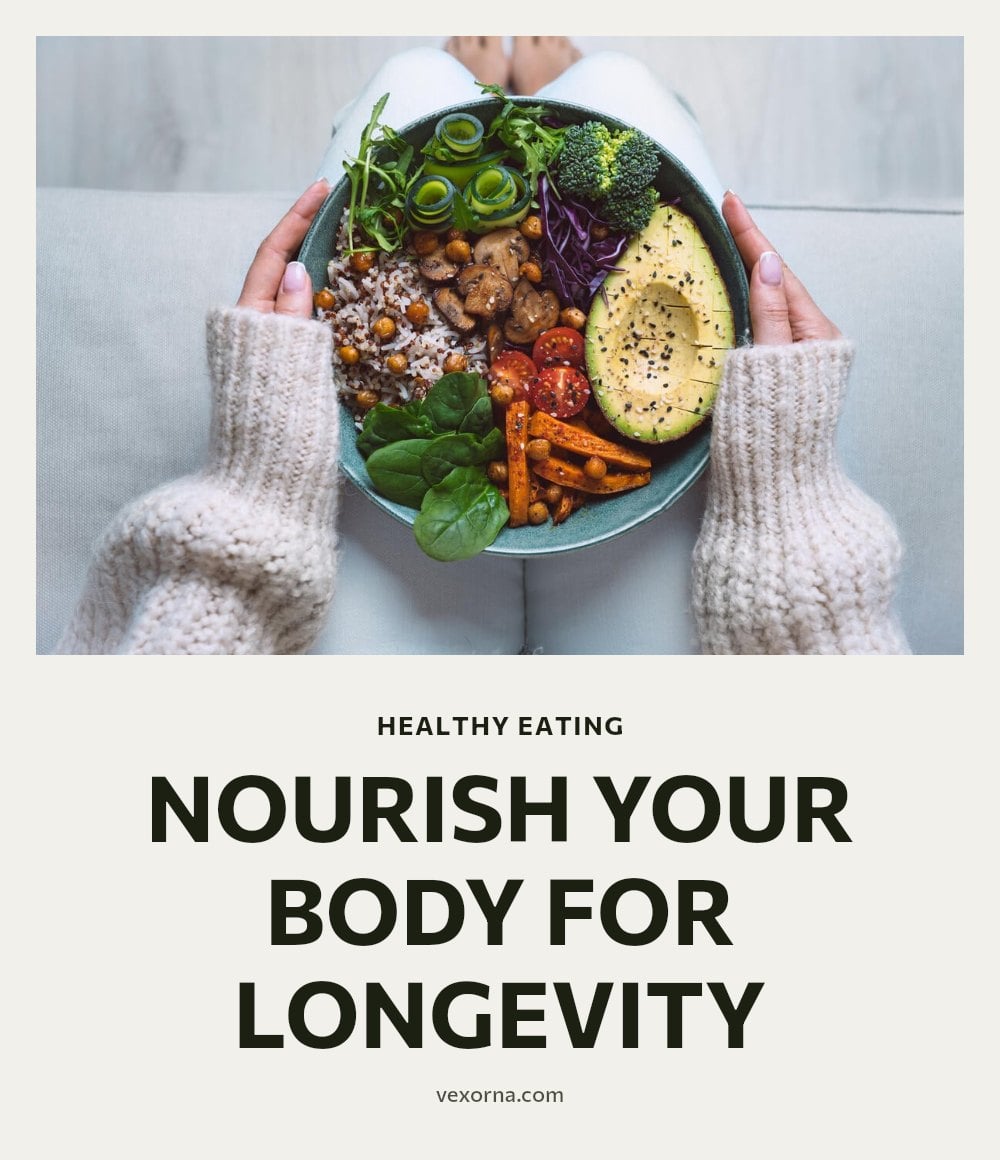
Focus your meals on whole, unprocessed foods. Think fruits, vegetables, whole grains, and lean proteins like fish, poultry, or legumes. My tip: Treat your plate like a rainbow. The more colors you include, the wider the range of vitamins, minerals, and antioxidants you get. One eating pattern that consistently appears in longevity research is the Mediterranean diet. It emphasizes plant-based foods, healthy fats from olive oil and nuts, and moderate portions of fish and dairy.
2. Stay Physically Active Daily
Move your body every day. Aim for at least 150 minutes of moderate-intensity aerobic activity each week, which could be brisk walking or cycling. Or you can aim for 75 minutes of more vigorous activity, like running. Make sure to include strength training exercises at least twice a week. My tip: Pick activities you actually look forward to. If you love dancing, take a class. If hiking is your thing, hit the trails. Enjoyment is what makes consistency possible.
3. Manage Stress Effectively
Chronic stress does more than make you feel worn out. It can speed up cellular aging and increase your risk of health problems. That is why daily stress management is non-negotiable. Simple practices like deep breathing, meditation, or yoga can help lower cortisol levels and calm your nervous system. Tip: Even 10-15 minutes of mindfulness each day can shift your mood and reduce the physical toll of stress. Consistency matters more than duration.
4. Cultivate Strong Social Connections

Strong social bonds and community involvement are consistently linked to better health outcomes and increased lifespan. Make time for friends and family, and consider joining groups or volunteering to expand your social circle.
- Good to know: Human connection is a powerful antidote to loneliness and a booster for overall well-being. Even a weekly phone call with a friend can make a difference.
- Pro move: Schedule regular catch-ups or group activities, like a walking club or book group, to keep those connections active.
5. Prioritize Quality Sleep
Aim for consistent, quality sleep, typically 7-9 hours per night for adults. Adequate sleep is crucial for physical and mental restoration, hormone regulation, and long-term health.
Pro move: Establish a relaxing bedtime routine to signal to your body that it’s time to wind down. Try dimming lights an hour before bed and avoiding screens during that time.
6. Avoid Harmful Substances
Eliminate smoking and avoid all tobacco products, as they are major contributors to numerous diseases. Limit alcohol consumption to moderate levels, as excessive intake can have severe health consequences.
Quick tip: These are two of the most impactful changes you can make for your long-term health. If you need help quitting, talk to your doctor about support programs.
7. Maintain a Healthy Weight
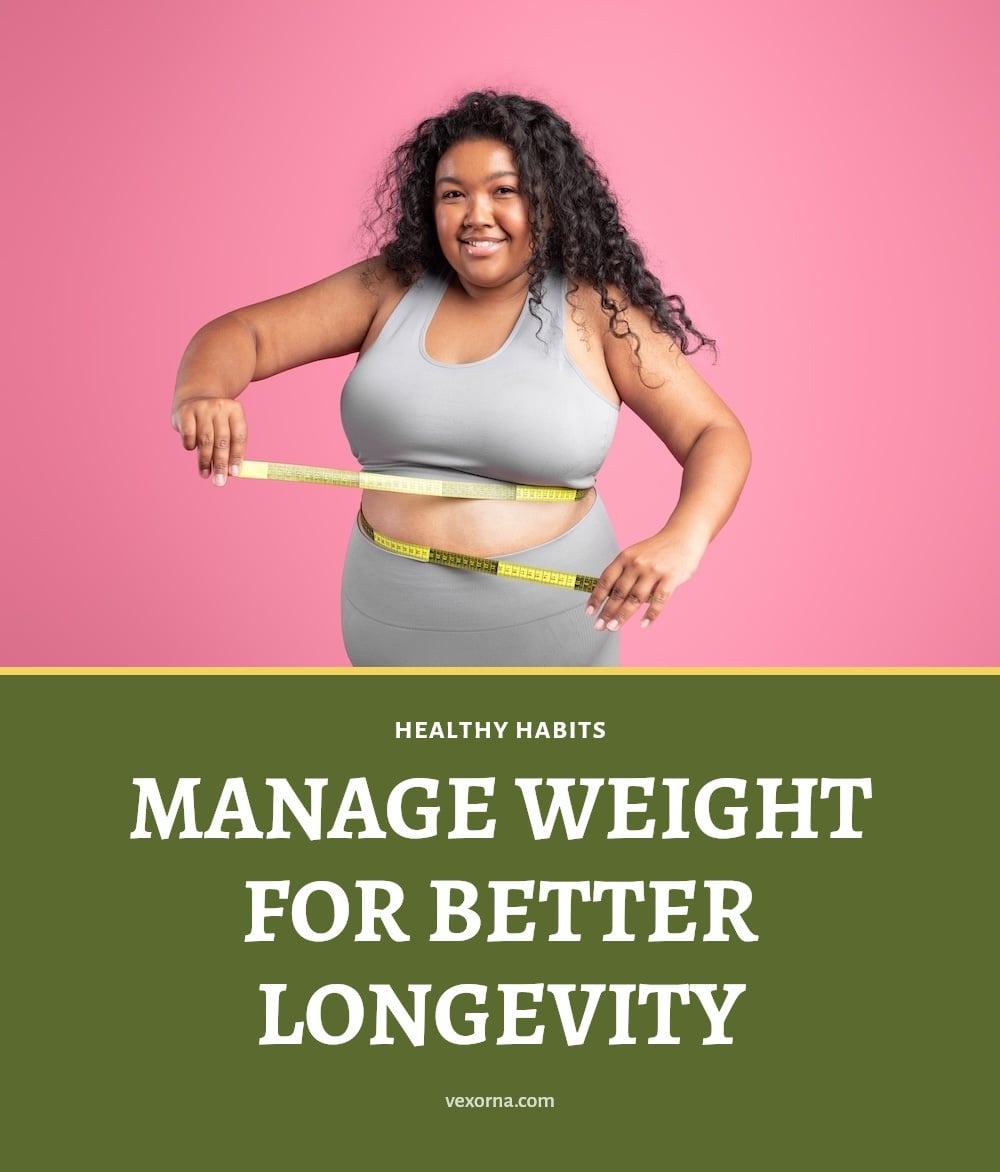
Maintaining a healthy weight reduces your risk of chronic conditions like type 2 diabetes, heart disease, and certain cancers. Focus on sustainable lifestyle changes rather than crash diets for long-term weight management.
- Tip: Combine a balanced diet with regular physical activity for the most effective and healthy approach. Small, consistent steps work better than drastic overhauls.
- Caution: Consult a healthcare professional before starting any new weight management plan, especially if you have underlying health conditions.
8. Stay Hydrated Throughout the Day
Water is fundamental for nearly every bodily function, from nutrient transport to temperature regulation. Even mild dehydration can leave you feeling sluggish and affect your focus. Good to know: Keep a reusable water bottle on your desk or in your bag to remind yourself to sip throughout the day. Increase your intake during exercise or in hot weather when your body loses more fluid.
9. Engage Your Mind Actively
Engaging in mentally stimulating activities helps maintain cognitive function as you age. Think of your brain as a muscle that needs regular workouts to stay sharp. Try learning a new language, playing strategy games like chess or sudoku, reading challenging books, or picking up a new hobby that requires focus. Pro move: Even 15 minutes a day of a new skill can keep your mind active and engaged.
10. Get Regular Health Screenings

Regular medical check-ups and preventative screenings catch potential health issues early, when they are most treatable. Do not wait until symptoms appear to see your doctor. Proactive care can make a significant difference in outcomes. Quick tip: Talk to your doctor about which screenings are appropriate for your age, family history, and lifestyle, then schedule them annually.
11. Practice Mindfulness and Meditation
Mindfulness and meditation practices reduce stress, improve emotional regulation, and support overall well-being. By fostering a sense of calm and presence, these techniques positively affect both your mental and physical health. Tip: Start with just 3-5 minutes a day using a guided app or simple breathing exercises. Consistency matters more than duration.
Common Longevity Mistakes to Avoid
Believing genetics are everything: Your DNA is not your destiny. While genetics play a role, your lifestyle choices are far more influential. Do not let perceived genetic predispositions discourage you from adopting healthy habits. What you do each day matters more than your family history.
Seeking quick fixes: Longevity is a marathon, not a sprint. Extreme diets or relying on supplements without foundational lifestyle changes rarely work long term. Focus on sustainable habits like balanced eating, regular movement, and good sleep instead of chasing shortcuts.
Neglecting sleep and stress: These are not optional extras. Poor sleep and chronic stress profoundly impact your body’s ability to repair and rejuvenate, accelerating aging processes. Prioritize your nightly rest and daily stress management just as you would exercise or nutrition.
Ignoring mental well-being: Your mental and emotional health are intrinsically linked to your physical longevity. Do not hesitate to seek professional support for stress, anxiety, or depression. Taking care of your mind is just as critical as taking care of your body.
Frequently Asked Questions
How much do genetics influence longevity?
Genetics do set a baseline, but they are not the whole story. Research shows that lifestyle factors like diet, exercise, sleep, and stress management have a significant impact on how long and how well you live. Even if your family history isn’t ideal, your daily choices can make a powerful difference.
Can stress really shorten my lifespan?
Chronic stress can negatively affect your health and may accelerate aging processes. It can raise cortisol levels, which over time may contribute to issues like high blood pressure and weakened immunity. Managing stress daily through deep breathing, meditation, or yoga can help protect your long-term health.
What is the best diet for longevity?
There isn’t one perfect diet, but eating patterns like the Mediterranean diet are frequently linked to longevity. That means plenty of fruits, vegetables, whole grains, lean proteins like fish and legumes, and healthy fats like olive oil and nuts. The key is focusing on whole, unprocessed foods rather than any single superfood.
Are supplements necessary for longevity?
Supplements are not a substitute for a healthy lifestyle. Most experts recommend getting nutrients from food first, as whole foods provide a complex mix of vitamins and fiber that pills can’t replicate. If you’re considering supplements, talk to your doctor or a registered dietitian to see if you have any specific needs.
What are the best foods for longevity?
Foods rich in antioxidants and healthy fats are especially beneficial. Think berries, leafy greens, nuts, seeds, olive oil, and fatty fish like salmon. These foods support heart health, reduce inflammation, and provide essential nutrients. Aim to include a variety of colors on your plate to maximize the benefits.
Final Thoughts
Longevity isn’t about one perfect routine; it’s about stacking small, consistent choices that add up over time. My tip: pick one habit from this list to focus on this month, whether it’s adding a daily walk or a 5-minute meditation. You don’t need to overhaul everything at once. Realistic results come from steady effort, and many people notice more energy and better mood within a few months. Start where you are, and let each healthy choice build on the next.
This article is for general informational purposes only and is not a substitute for professional medical advice. Always consult your doctor or a qualified healthcare provider before starting a new exercise program, making significant dietary changes, or if you have any health concerns. If you experience persistent stress, anxiety, or other symptoms, seek professional support.