
That familiar knot in your stomach on Sunday evening, the creeping dread as the weekend winds down, it has a name: the Sunday Scaries. It’s a common experience, and you’re not alone in feeling it. This article covers seven practical strategies to help you manage that anxiety and step into the week with a calmer, more grounded mindset.
Key Takeaways
- Plan your week on Friday or Saturday to reduce Sunday uncertainty.
- Reserve Sunday time for activities you genuinely enjoy.
- Practice mindfulness or deep breathing to stay present.
- Establish a consistent, calming Sunday evening routine.
- Prioritize sleep on Saturday and Sunday nights.
What Are the Sunday Scaries and Why Do They Happen?
The Sunday Scaries are that knot of anxiety, dread, or sadness that shows up on Sunday evening. They often surface when you anticipate work stress, feel stuck in an unfulfilling job, or struggle with the shift from weekend freedom to weekday routine. While not a clinical diagnosis, these feelings are incredibly common. The good news is that you can manage them with practical strategies that ease the transition and help you reclaim your Sundays.
1. Plan Your Week Early

Dedicate 15-30 minutes on Friday afternoon or Saturday morning to review your upcoming week. Grab a planner or a simple notebook and jot down your top priorities, appointments, and deadlines. This small investment reduces the uncertainty that feeds Sunday dread.
My tip: This clears your mind and gives you a sense of control, so you’re not dreading a mountain of unknowns on Sunday. You’ll walk into Monday with a plan, not a panic.
2. Embrace Sunday Fun and Relaxation

Set aside a significant portion of your Sunday for activities you genuinely enjoy, whether that’s a hobby, time with loved ones, or simply reading a book. Engaging in positive experiences shifts your focus away from impending work and creates positive associations with the day itself.
My tip: Avoid over-scheduling chores or work-related tasks on Sunday; this day is for recharging your batteries. If you must prep, do it earlier in the afternoon, not in the evening.
3. Practice Mindfulness and Presence
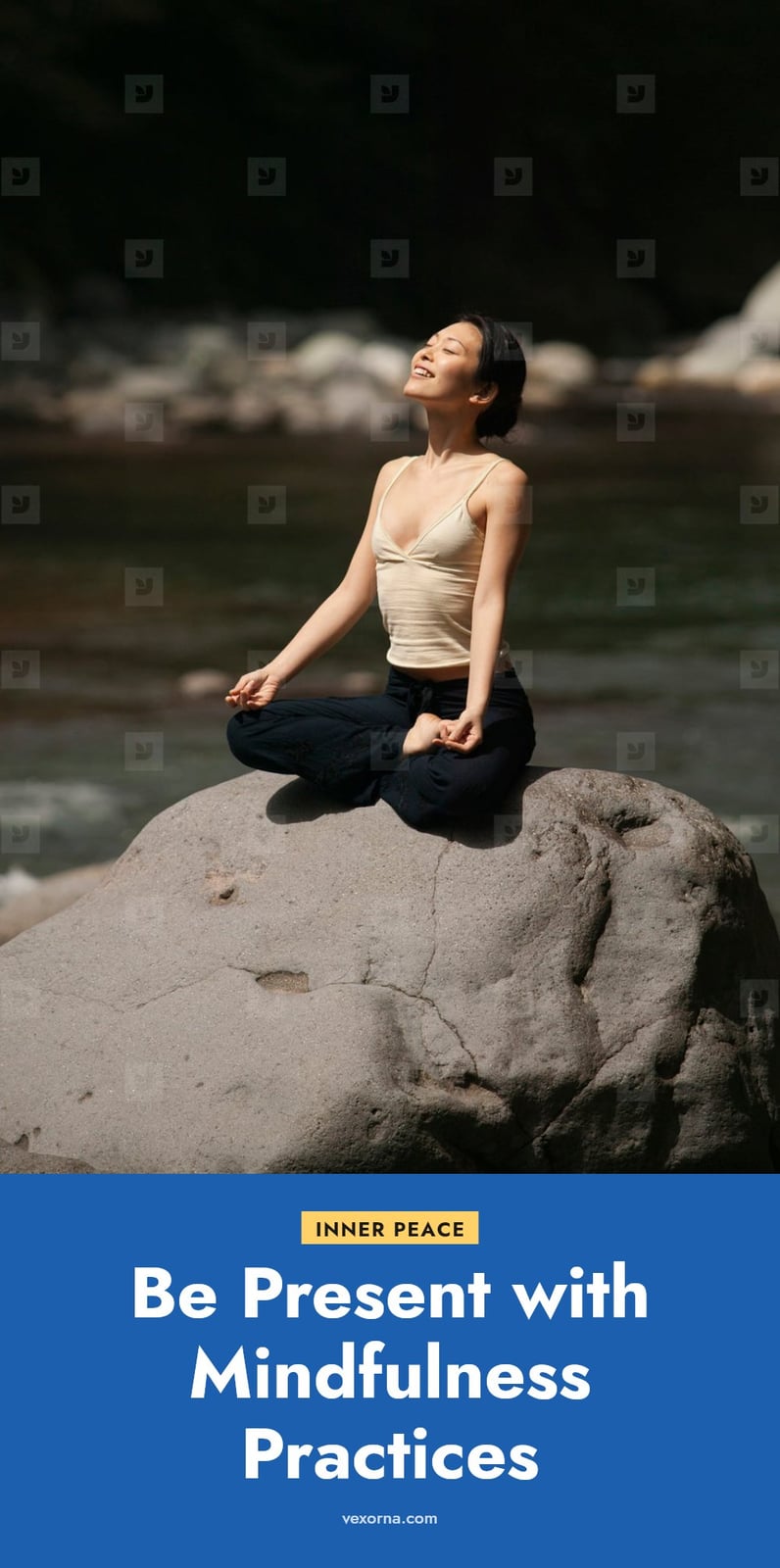
Incorporate mindfulness techniques like meditation, deep breathing exercises, or a short walk in nature into your Sunday. These practices anchor you in the present moment, reducing the mental spiral about what’s to come. You don’t need an hour; even a few focused minutes can help.
Tip: Even 5-10 minutes of focused breathing can make a big difference in calming your nervous system. Try a guided meditation app or simply count your breaths.
4. Establish a Calming Evening Routine

Create a consistent Sunday evening ritual that tells your body and mind it’s time to wind down. A warm bath, a cup of herbal tea, journaling about your worries, or light stretching all work well. The key is repetition, so your brain starts to associate these cues with relaxation.
Good to know: Avoid screens, especially work-related ones, for at least an hour before bed. The blue light and mental stimulation can interfere with sleep quality, which makes anxiety harder to manage the next day.
5. Fuel Your Body and Move It
Pay attention to what you eat on Sunday. Nourishing meals with protein, healthy fats, and vegetables can stabilize your mood and energy, while heavy or sugary foods may leave you feeling sluggish and irritable.
Engage in light to moderate activity earlier in the day, like a brisk walk, gentle yoga, or a bike ride. This helps reduce stress hormones and boosts endorphins.
Pro move: Exercise is a powerful stress reducer and contributes to better sleep, which is crucial for managing anxiety. Even 20 minutes makes a difference.
6. Connect and Reflect Positively
Spend time connecting with friends or family on Sunday, whether it’s a phone call, a video chat, or a casual get-together. Social support can be a great antidote to feelings of dread, reminding you that you’re not alone.
Take a few moments to reflect on positive aspects of your past week or small accomplishments. Write down one or two things you’re proud of, even if they seem minor.
Quick tip: Shifting your perspective to gratitude can help counteract negative thought patterns about the week ahead. It trains your brain to notice the good.
7. Prioritize Quality Sleep
Ensure you’re getting adequate sleep not just on Sunday night, but throughout the weekend. A well-rested mind is better equipped to handle stress and anxiety, so don’t let late nights on Friday or Saturday sabotage your Sunday.
Tip: Aim for a consistent sleep schedule, even on weekends, to regulate your body’s natural rhythms. Waking up and going to bed at roughly the same time each day makes falling asleep on Sunday night much easier.
When to Seek Professional Help for Sunday Scaries
Most people experience occasional Sunday dread, but it becomes a different situation when it’s severe and persistent. If your anxiety is debilitating every Sunday, interferes with your ability to function, or is accompanied by persistent sadness, hopelessness, or panic attacks, it may be time to consult a mental health professional.
Caution: Avoid self-medicating with alcohol or other substances, as this often worsens anxiety over time. If your feelings of dread are linked to an unsafe or toxic work environment, consider seeking professional advice or support resources. A therapist can help you develop coping strategies and determine if underlying clinical anxiety or depression is present.
Frequently Asked Questions
Are Sunday Scaries a real medical condition?
No, the Sunday Scaries are not a clinical diagnosis. They are a widely recognized term for the anxiety or dread many people feel on Sunday evenings. While not a medical condition, these feelings can impact your well-being. If they become severe or persistent, it’s wise to consult a mental health professional.
How long does it take to get rid of Sunday Scaries?
Many strategies can offer immediate relief, but a significant reduction in the intensity and frequency of Sunday Scaries often comes with consistent practice over several weeks. Be patient with yourself as you build new routines and habits that support a calmer transition into the week.
Can poor sleep make Sunday Scaries worse?
Yes, inadequate sleep can heighten anxiety and make it harder to cope with stress. Prioritizing quality sleep on Saturday and Sunday nights is key. A well-rested mind is better equipped to handle the transition to the work week, so aim for a consistent sleep schedule throughout the weekend.
Is it normal to feel anxious about work on Sunday?
Absolutely, it’s very common. The Sunday Scaries are a widespread phenomenon, and many people experience some level of anxiety or dread as the weekend ends. Recognizing that these feelings are normal can help reduce their power over you, and the strategies in this article can help you manage them.
What is the best way to relax on a Sunday evening?
The best way varies from person to person, but a calming evening routine that signals to your body it’s time to wind down is a great place to start. This could include a warm bath, a cup of herbal tea, journaling, or light stretching. The key is consistency, so your brain begins to associate Sunday evening with relaxation.
Final Thoughts
Try incorporating one or two of these strategies this Sunday, such as planning your week on Friday afternoon and setting a relaxing evening routine. With consistent practice over several weeks, you may notice a significant reduction in the intensity and frequency of those Sunday evening jitters. Remember, it’s about progress, not perfection, and a calmer week ahead starts with small, intentional steps.
This article is for general informational purposes only and is not a substitute for professional medical or mental health advice. If your feelings of anxiety or dread are severe, persistent, or interfere with your daily life, please consult a qualified healthcare provider or mental health professional.