
You’ve probably noticed your skin looking a bit dull or rough lately, and that’s totally normal. Our skin naturally sheds dead cells every 28-30 days, but as we age, this process slows down. Exfoliation is the simple step that helps remove that buildup, revealing a smoother, brighter complexion underneath. This guide covers the two main types of exfoliation, how to choose the right one for your skin, and the safest way to do it without causing irritation.
Key Takeaways
- Exfoliate 1 to 3 times per week, adjusting based on your skin type and product strength.
- Use chemical exfoliants like AHAs for dry or sun-damaged skin and BHAs for oily or acne-prone skin.
- Always follow exfoliation with a moisturizer and apply broad-spectrum SPF 30+ the next morning.
- Stop immediately if you experience redness, burning, or stinging, and consult a dermatologist for chronic conditions like rosacea or eczema.
- Patch test new exfoliants behind your ear or on your jawline before using them on your whole face.
What is Exfoliation and Why Does it Matter for Your Skin?
Exfoliation is the process of removing dead skin cells from the surface of your skin. This buildup can make your complexion look dull and rough, and it can also block other products from penetrating effectively. Your skin naturally sheds these cells every 28-30 days, but that cycle slows down as you age. Regular exfoliation sweeps away that layer, revealing brighter, smoother skin and helping your serums and moisturizers work better.
Physical vs. Chemical Exfoliants: Which is Right for You?
Physical exfoliants use friction to manually slough off dead cells. Think fine-grained facial scrubs, soft brushes, or gentle exfoliating cloths. Chemical exfoliants use acids or enzymes to dissolve the bonds between dead cells instead. Alpha Hydroxy Acids (AHAs), like glycolic and lactic acid, work on the skin’s surface and are often preferred for dry or sun-damaged skin. Beta Hydroxy Acids (BHAs), like salicylic acid, are oil-soluble and can penetrate deeper into pores, making them a good fit for oily or acne-prone skin. Enzyme exfoliants, derived from fruits like papaya and pineapple, are typically the gentlest option.
| Exfoliant Type | How It Works | Best For |
|---|---|---|
| Physical (scrubs, brushes) | Friction removes cells | Normal skin, occasional deep clean |
| AHA (glycolic, lactic acid) | Dissolves surface cell bonds | Dry, sun-damaged, or dull skin |
| BHA (salicylic acid) | Penetrates pores to clear them | Oily, acne-prone, or congested skin |
| Enzymes (papaya, pineapple) | Gently breaks down dead cells | Sensitive or reactive skin |
Choosing depends on your skin type and concerns. Dry or sensitive skin often tolerates enzymes or gentle AHAs better, while oily skin may benefit from BHA. If you are new to exfoliation, start with the gentlest option and see how your skin responds.
Your Exfoliation Toolkit: Essential Products and Tools
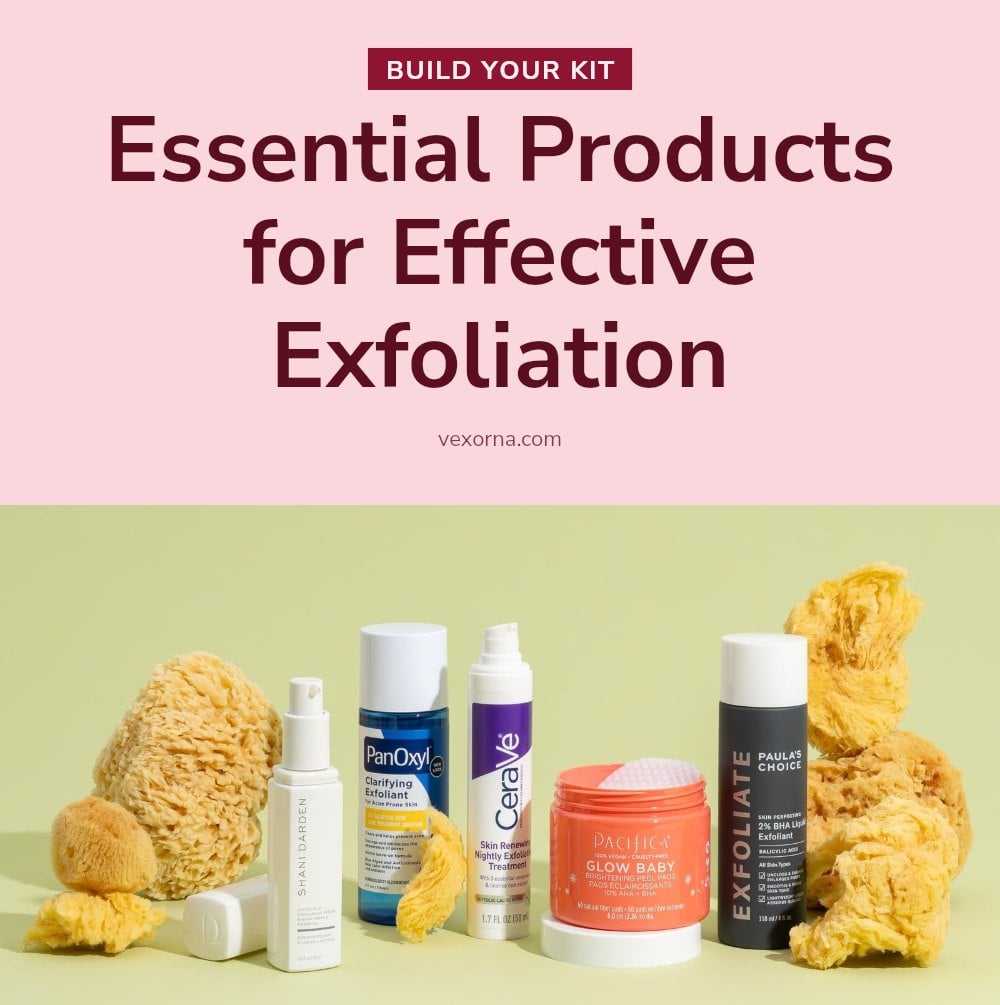
Here are the essentials you want in your routine. Fine-grained facial scrub: Choose one with smooth, round particles and use it gently, pressing lightly and moving in small circles. If your skin is sensitive, skip the scrub and reach for a chemical option instead. Exfoliating brush: A soft, circular brush for manual exfoliation; use light pressure and avoid the eye area. AHA or BHA toner/serum: A leave-on chemical option for even, consistent exfoliation; AHAs suit dry skin, BHAs work well for oily or acne-prone skin. Enzyme mask: A gentle weekly treatment that dissolves dead cells without scrubbing, ideal for sensitive skin. Moisturizer: Replenishes hydration immediately after exfoliation. Sunscreen (SPF 30+): Non-negotiable because exfoliated skin is more sensitive to UV damage. Always pick products labeled for facial use; body scrubs and loofahs are too abrasive for your face.
Step-by-Step: How to Exfoliate Your Face Safely and Effectively

Identify your skin type: Know whether your skin is oily, dry, combination, or sensitive before choosing an exfoliant. This prevents using a product that is too strong for your needs.
- Patch test a new product: Apply a small amount behind your ear or on your jawline and wait 24 hours. If no redness or stinging appears, it is safe to use on your whole face.
- Cleanse your skin first: Wash away makeup, oil, and dirt so the exfoliant can work on clean skin, not on top of residue.
- Apply the exfoliant gently: For physical exfoliants, choose one with fine, smooth, round particles and use extremely light circular motions for no more than 30 seconds. Never scrub hard or use harsh scrubs with jagged grains. Alternatively, consider using a soft brush or cloth for a gentler approach. For chemical exfoliants, apply a thin, even layer with your fingertips or a cotton pad and leave it on for the time specified on the product label.
- Rinse thoroughly with lukewarm water: Make sure no residue remains, especially around the hairline and jaw. Pat your face dry with a clean towel.
- Follow with moisturizer immediately: Apply a hydrating moisturizer while your skin is still slightly damp to lock in moisture and support the skin barrier.
- Apply sunscreen every morning: Exfoliation increases sun sensitivity, so use a broad-spectrum SPF 30+ sunscreen daily, even if you exfoliate in the evening. This step protects the freshly exposed skin cells from UV damage.
Common Exfoliation Mistakes and How to Avoid Them
Over-exfoliating: The most common mistake. Exfoliating more than 1-3 times per week strips your skin barrier, causing redness, irritation, and increased sensitivity. Stick to that frequency, even if your skin feels fine.
Using harsh scrubs: Avoid physical scrubs with large, irregular particles like crushed walnut shells or apricot kernels. They can create micro-tears in the skin. If you prefer a scrub, choose one with fine, round grains like jojoba beads or a gentle chemical exfoliant instead.
Skipping sunscreen: Exfoliation removes the outer layer of skin, making it more vulnerable to UV damage. Never skip broad-spectrum SPF 30+ after exfoliating, even on cloudy days.
Exfoliating compromised skin: Never exfoliate broken, irritated, sunburned, or actively breaking-out skin. This will worsen inflammation and delay healing.
Ignoring irritation: If you feel burning, stinging, or see excessive redness, stop immediately. Your skin is telling you the product or frequency is too strong. Let your skin recover before trying again.
Post-Exfoliation Care: Keeping Your Skin Happy and Healthy

Right after exfoliating, apply a hydrating moisturizer to replenish the skin barrier. This locks in moisture and calms any temporary sensitivity.
Tip: Exfoliate in the evening so your skin has the night to recover without exposure to environmental stressors. The next morning, always apply a broad-spectrum sunscreen of SPF 30 or higher.
Avoid layering other strong active ingredients like retinoids, vitamin C, or additional acids for at least 24 hours after exfoliating. Let your skin breathe.
When to Expect Results and How Often to Exfoliate
With consistent, appropriate exfoliation, you can expect smoother texture and a more radiant complexion within a few weeks. Results build gradually, so patience matters.
Frequency: Most people do well exfoliating 1 to 3 times per week. Oily or thicker skin may tolerate the upper end, while sensitive or dry skin should start at once a week. Adjust based on how your skin feels.
Stick with your routine. Occasional exfoliation won’t deliver the same benefits as regular, gentle removal of dead skin cells.
When to Consult a Dermatologist About Exfoliation
If you have a chronic skin condition such as rosacea, eczema, or severe acne, talk to a dermatologist before starting any exfoliation routine. They can recommend safe options for your specific case.
Also seek professional advice if you experience persistent irritation, redness, or adverse reactions despite gentle use. This may indicate an underlying issue or product mismatch.
Good to know: If you are using prescription retinoids, strong treatments, or have recently had a procedure like a peel or laser, discuss exfoliation with your doctor. Combining treatments incorrectly can damage your skin.
Frequently Asked Questions
Can I exfoliate if I have sensitive skin?
Yes, but you need to be extra careful. Choose gentler methods like enzyme exfoliants or low-concentration lactic acid, and start with once a week. Always patch test first, and stop if you feel any stinging or redness. Your skin may tolerate a mild chemical option better than a physical scrub.
What happens if I don’t exfoliate?
If you never exfoliate, dead skin cells can build up, making your complexion look dull and feel rough. This buildup can also clog pores and prevent your moisturizer and serums from absorbing as well. Your skin still sheds naturally, but the process slows with age, so exfoliation helps keep things moving.
Are natural scrubs like sugar or coffee good for exfoliation?
Natural scrubs with large, irregular particles like sugar or coffee grounds can be too harsh for your face. They may cause micro-tears in the skin, leading to irritation and sensitivity. If you want a physical scrub, choose one with fine, smooth, round particles, or stick to a soft brush or cloth instead.
Should I moisturize immediately after exfoliating?
Yes, absolutely. Exfoliation temporarily removes some of your skin’s natural oils and can leave it feeling dry. Applying a hydrating moisturizer right after helps replenish the skin barrier and locks in moisture. This step is key to keeping your skin calm and comfortable post-exfoliation.
What is the best way to exfoliate my face?
The best method depends on your skin type and concerns. For most, a gentle chemical exfoliant like an AHA or BHA toner or serum offers even, consistent results without the friction of a scrub. Start with a low concentration, apply it to clean, dry skin, and always follow with moisturizer and sunscreen.
Final Thoughts
For most people, starting with a gentle chemical exfoliant like a lactic acid or an enzyme mask once or twice a week is a safe bet. You can expect to see smoother texture and improved radiance within a few weeks of consistent use. Remember to always protect your skin with sunscreen after exfoliating, and listen to your skin, if it feels irritated, scale back.
This information is for general educational purposes only and is not a substitute for professional medical or dermatological advice. Every person’s skin is different, and what works for one may not work for another. If you have a persistent skin concern or condition like rosacea, eczema, or severe acne, please consult a qualified dermatologist before starting any exfoliation routine.