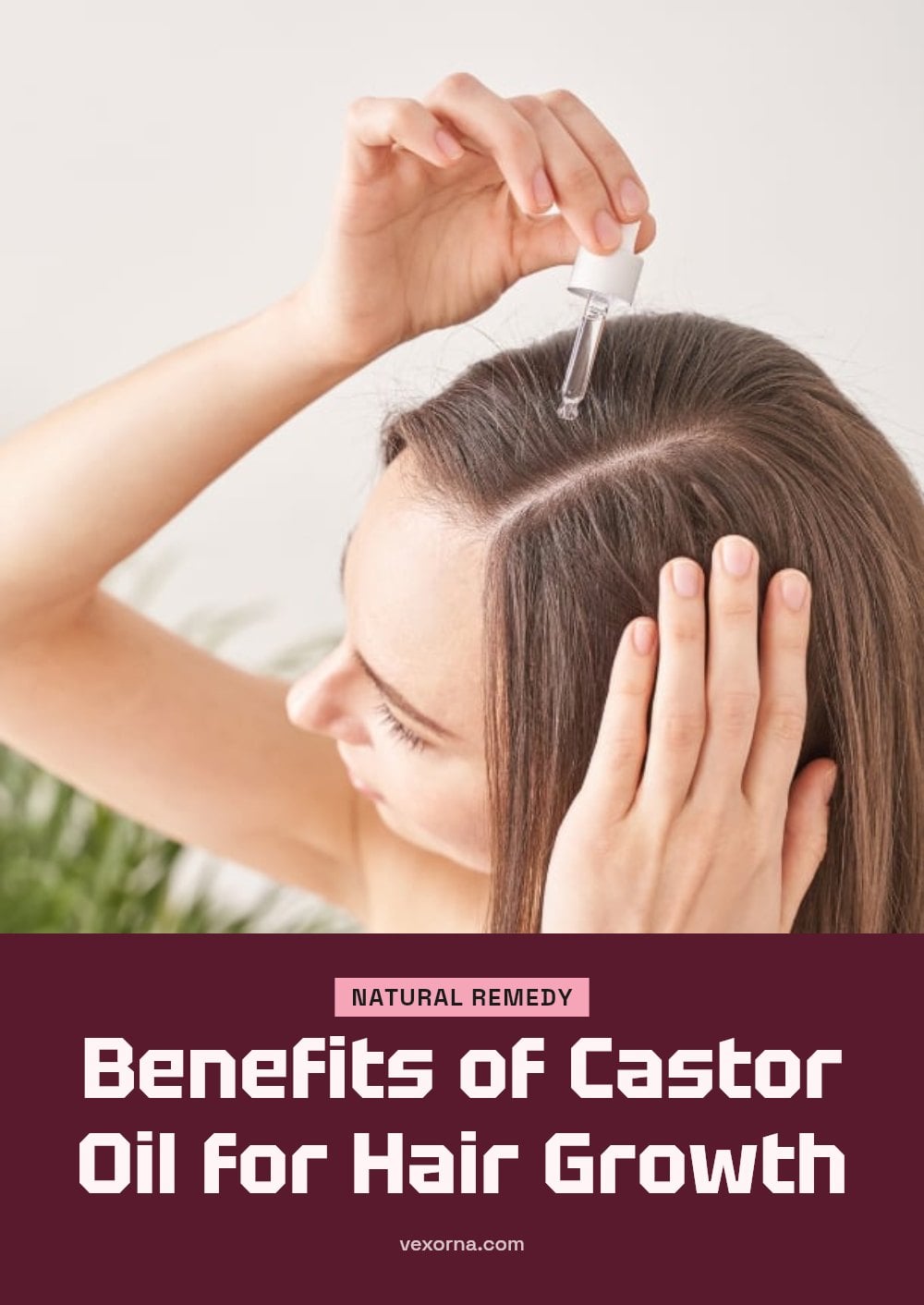
If you are just starting to explore natural beauty remedies, castor oil is one of the first ingredients you will come across. It is a thick vegetable oil from the castor bean, known for its moisturizing properties and high concentration of ricinoleic acid. This article walks you through the simple steps to use it for hair and skin, what to avoid, and what results you can realistically expect.
Key Takeaways
- Always perform a patch test before applying castor oil to your face or scalp to check for irritation.
- Dilute castor oil with a lighter carrier oil like jojoba or almond for easier application and less greasiness.
- Apply castor oil to your hair and scalp one to two times per week for conditioning benefits.
- Use a clean mascara wand or cotton swab for precise application to eyelashes and eyebrows.
- Do not expect rapid hair growth; castor oil is primarily valued for its moisturizing and emollient effects.
What is Castor Oil and How Can It Help My Beauty Routine?
Castor oil is a thick, moisturizing vegetable oil extracted from the seeds of the Ricinus communis plant, commonly known as the castor bean. Its key component is ricinoleic acid, which makes up about 90% of its composition and gives it strong emollient properties. In beauty routines, it’s widely used to condition hair, skin, eyelashes, and eyebrows. While it can help moisturize and strengthen strands, scientific evidence for direct hair growth promotion is limited, so think of it as a conditioning treatment rather than a growth serum.
Your Castor Oil Starter Kit: What You’ll Need
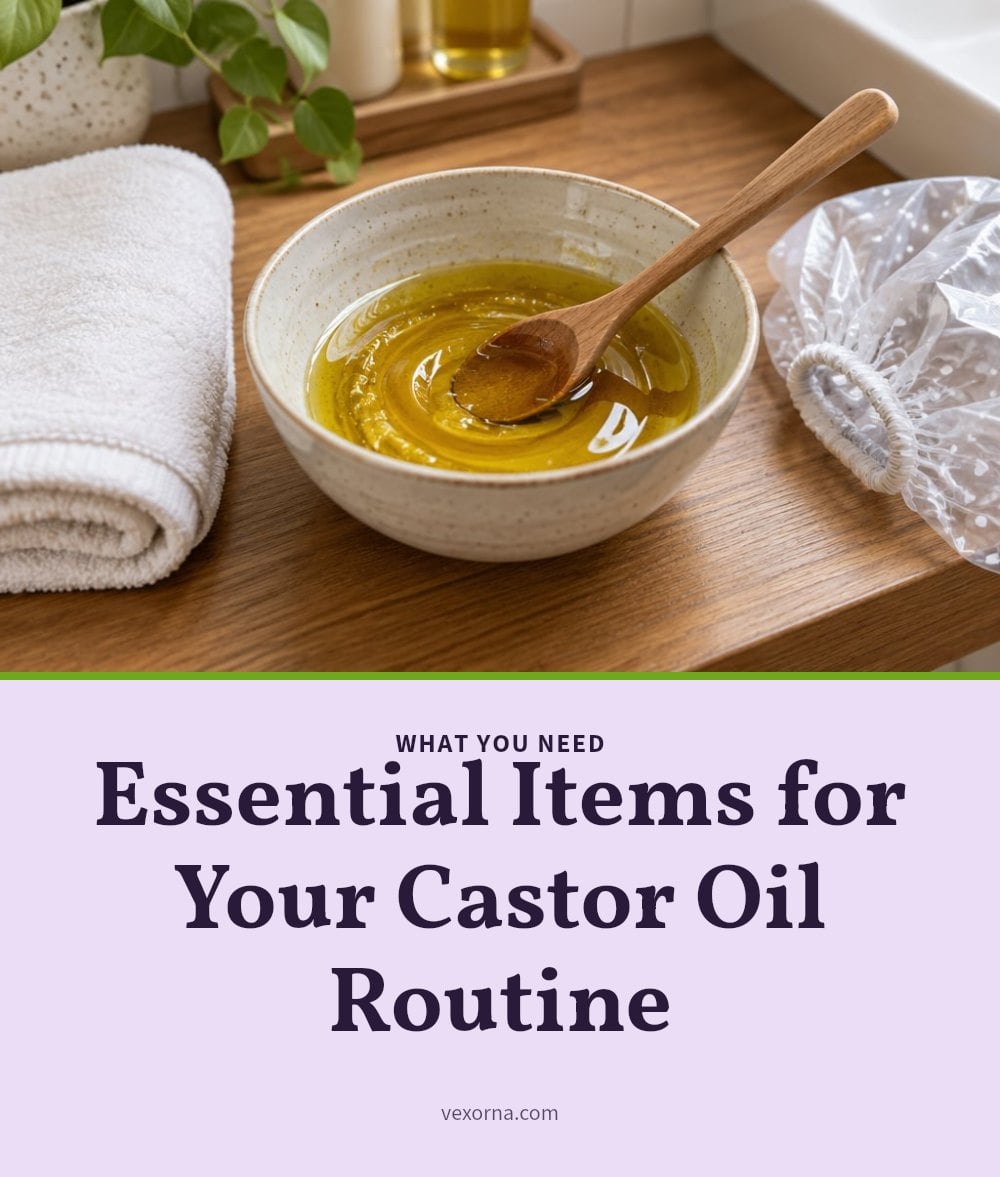
To get started with castor oil safely and effectively, gather a few basics. Here is what you will need:
- Castor oil: Choose cold-pressed, hexane-free oil for the highest purity and nutrient retention.
- Carrier oil: A lighter oil like jojoba, almond, or coconut to dilute the thick castor oil for easier application.
- Application tools: Cotton swabs, a clean mascara wand, or a small dropper bottle for precise use on lashes, brows, and scalp.
- Protection: An old towel or a shower cap to shield clothing and bedding from stains.
Step-by-Step: How to Apply Castor Oil for Hair and Skin
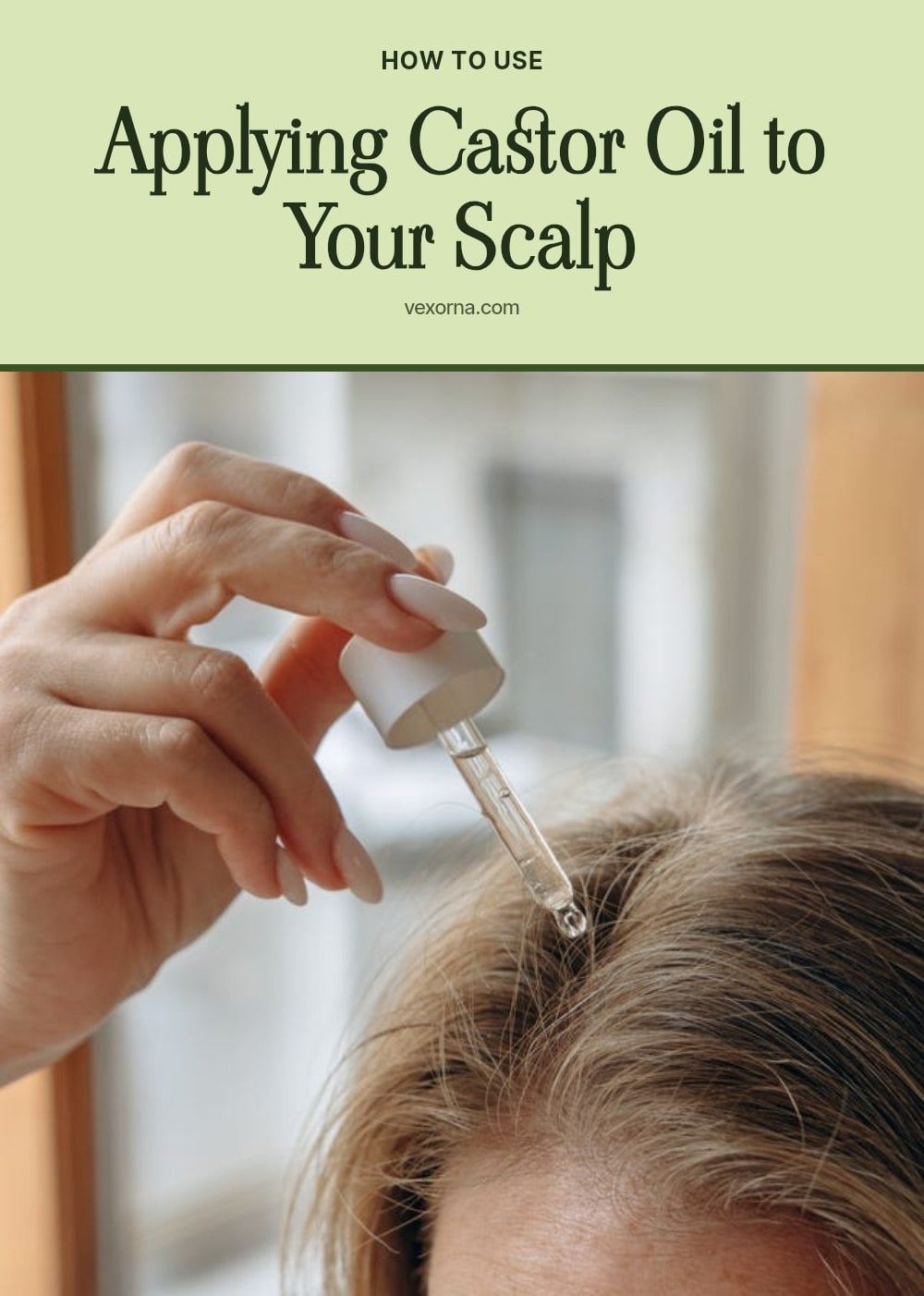
Follow these steps to apply castor oil for hair and skin without common pitfalls.
- Patch test: Apply a small amount of diluted oil to your inner arm and wait 24 hours to check for any irritation or allergic reaction before using it on your face or scalp.
- Dilute the oil: Mix one part castor oil with two to three parts of a lighter carrier oil like jojoba or almond oil. This reduces the thick consistency and makes it easier to spread.
- Warm the mixture: Place the bottle or bowl in a cup of warm water for a minute. Slightly warmed oil spreads more evenly and absorbs better.
- Apply to scalp and hair: Use your fingertips to apply a small amount to your scalp, focusing on dry areas or spots where you want extra moisture. Work a tiny drop through the ends of your hair to help reduce breakage.
- Target brows and lashes: Dip a clean mascara wand or cotton swab into the oil and gently brush it along your brows and lash line. Keep the oil away from your eyes to avoid irritation.
- Massage gently: Use small circular motions with your fingertips to distribute the oil on your scalp. This stimulates circulation and helps the oil penetrate without making your hair greasy.
Common Castor Oil Mistakes and How to Avoid Them
Even with a great oil, a few missteps can ruin the experience. Here are the most common mistakes and how to steer clear of them.
- Applying too much: Using more than a few drops makes hair greasy and difficult to wash out. Start with a small amount and add more only if needed.
- Expecting instant growth: Castor oil is a conditioner, not a growth treatment. Scientific evidence for hair growth is limited, so be patient and focus on moisturizing and strengthening.
- Skipping a patch test: Castor oil can cause irritation or allergic reactions in some people. Always test on a small skin area first.
- Using low-quality oil: Non-cold-pressed or hexane-processed oils may lack beneficial compounds and could contain residues. Stick with cold-pressed, hexane-free varieties.
- Applying to dirty hair: Oil on unwashed hair can trap dirt and product buildup, reducing effectiveness. Apply to clean, damp hair for best results.
Best Tips for Using Castor Oil Effectively
My tip: always mix castor oil with a lighter carrier oil like jojoba or almond. This cuts the thickness and makes it far easier to spread on your scalp and hair.
Warm the bottle in a bowl of hot water for a minute before use. Heat improves spreadability and helps the oil absorb better.
- Keep it small: Use a little oil consistently rather than heavy, infrequent treatments.
- Protect fabrics: Castor oil stains, so wear an old shirt and lay down a towel.
- Store properly: Keep the bottle in a cool, dark cabinet to prevent oxidation and keep it effective.
How Often to Use Castor Oil and What to Expect
For hair and scalp, apply castor oil one to two times per week. For eyelashes and eyebrows, daily application for several weeks may show conditioning results.
Consistency matters more than quantity. Small, regular applications give you the best chance of seeing benefits, mainly softer, stronger-feeling strands.
Castor oil is generally affordable, and cold-pressed versions cost a bit more but are worth it for quality. You do not need much per use, so a bottle lasts a long time.
When to Talk to a Professional About Hair or Skin Concerns
Stop using castor oil and see a doctor if you notice irritation, redness, itching, or swelling. These can signal an allergic reaction.
If you have a pre-existing skin condition like eczema or psoriasis, talk to a dermatologist before starting any new oil treatment.
Pregnant or breastfeeding? Check with your doctor before using castor oil, especially if you are considering internal use.
For significant hair loss, skip self-treatment and consult a dermatologist. They can diagnose the cause and recommend proper care.
Frequently Asked Questions
Can castor oil really make my hair grow faster?
Scientific evidence for castor oil directly promoting hair growth is limited. Many people use it for its conditioning properties, which may help hair feel stronger and less prone to breakage, but it is not a guaranteed growth treatment.
Can I leave castor oil in my hair overnight?
Yes, you can leave it on overnight, but protect your pillowcase with an old towel because castor oil can stain fabrics. If your hair feels heavy or greasy, rinse it out after a few hours instead.
Will castor oil make my hair greasy?
It can if you use too much. Start with just a few drops and always dilute it with a lighter carrier oil. This helps the oil absorb better and makes washing it out much easier.
What is castor oil good for?
Castor oil is mainly used as a moisturizer for dry skin, lips, and hair. It can also condition eyelashes and eyebrows, and some people use it as a scalp treatment to reduce flakiness.
What kind of castor oil is best for beauty uses?
Cold-pressed, hexane-free castor oil is generally preferred for cosmetic use because it retains more nutrients and is less processed. Look for it at health food stores or online.
Final Thoughts
For a simple starting routine, mix a few drops of cold-pressed castor oil with a carrier oil and apply it to your scalp or ends once a week. Realistically, you will notice softer, more conditioned hair over several weeks, not overnight growth. Keep your expectations grounded, patch test first, and you will get the most out of this natural oil.
This article provides general information about castor oil for beauty purposes and is not a substitute for professional medical or dermatological advice. If you have a persistent skin or scalp condition or are pregnant or breastfeeding, consult a doctor before use.