You know the feeling: your mind grabs onto a thought and won’t let go, replaying past conversations or projecting worst-case scenarios until you’re exhausted. That’s overthinking, and it can leave you stuck, anxious, and unable to move forward. The good news is that you can break the cycle with practical strategies that calm your mind and help you take action.
This article explains why overthinking happens, shares six effective methods to interrupt the loop, and offers daily habits to keep your thinking clearer and calmer. You’ll also learn common traps to avoid and when it’s wise to talk to a professional.
Key Takeaways
- Practice mindfulness for 5 minutes daily to observe thoughts without judgment.
- Set a time limit for decisions to prevent analysis paralysis.
- Move your body for 20 minutes to disrupt thought loops and reduce stress.
- Journal your thoughts to externalize them and gain perspective.
- Seek professional help if overthinking causes severe anxiety or impairs daily life.
What Is Overthinking and Why Does It Happen?
Overthinking is when you dwell on a thought far longer than needed, often spinning it into anxiety and stress. It shows up as rumination, replaying past events, and worry, projecting future problems. This mental loop can freeze you into analysis paralysis, where deciding feels impossible. Overthinking often stems from perfectionism, the urge to find the flawless answer, or it can be a symptom of anxiety or depression. Recognizing it is the first step to breaking the cycle.
Understanding the Roots of Overthinking

Why the Mind Gets Stuck
Overthinking typically involves two patterns: rumination, where you dwell on past mistakes or regrets, and worry, where you fixate on what might go wrong. Both keep your brain busy without producing solutions. This habit can be a symptom of anxiety, depression, or chronic stress, or it can make those conditions worse. Perfectionism is a frequent driver, pushing you to chase an impossible ideal, so no option ever feels good enough.
The result is often analysis paralysis. You weigh every detail, rehash the same pros and cons, and still avoid a choice. That excessive deliberation blocks action and keeps the cycle spinning. Understanding these roots matters because it shows overthinking is a learned pattern, not a personality flaw, and it can be changed.
Effective Strategies to Break the Overthinking Cycle
Six Strategies That Actually Work
Breaking the overthinking cycle takes practice, but these methods can help you regain control.
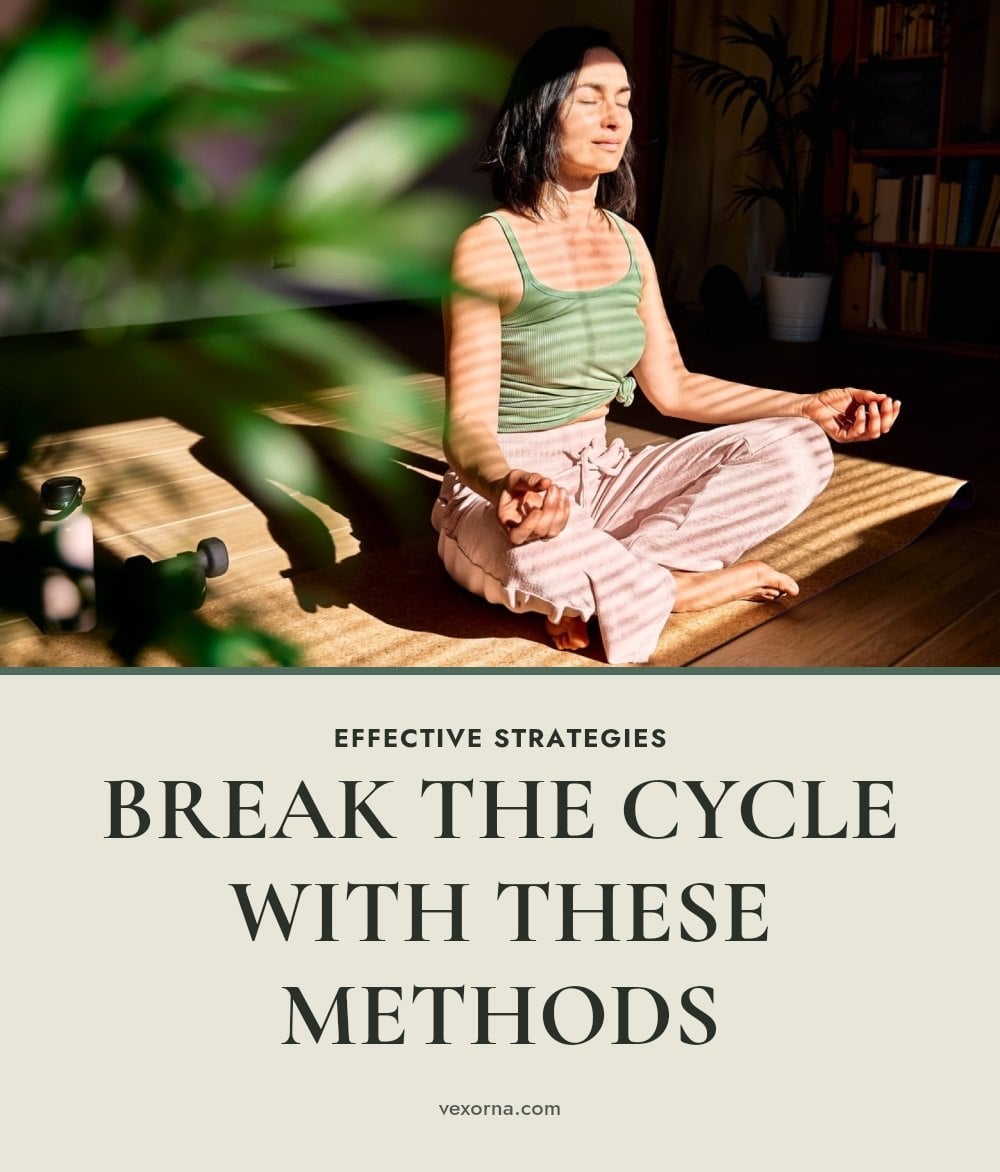
- Practice mindfulness: Set aside 5 minutes daily to sit quietly and observe your thoughts as if they were clouds passing by. Label them as “thinking” without judging or engaging. This builds the skill of noticing thoughts without letting them run you.
- Reframe your thoughts: When a negative thought appears, ask for evidence. Is it a fact or an assumption? Challenge the thought by listing what’s actually true and what’s just fear. This cognitive reframing weakens the pattern over time.
- Set time limits for decisions: Give yourself a deadline, like 10 minutes for a small choice or a day for a bigger one. When the timer ends, commit to the best option you have. This prevents endless deliberation.
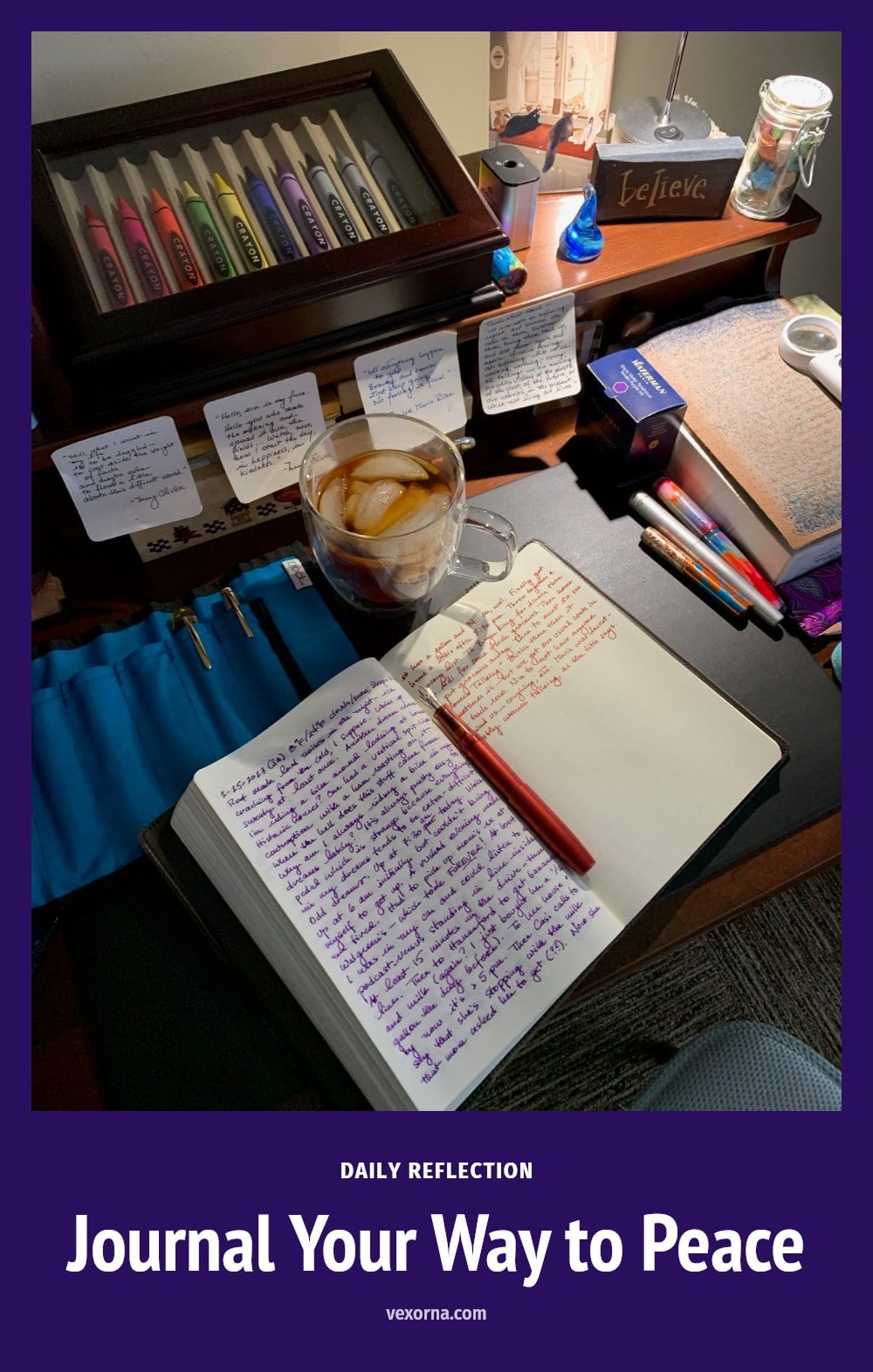
- Journal your thoughts: Write down what’s circling in your head for 5 minutes. Putting it on paper externalizes the worry and gives you distance. You can then spot patterns, like recurring fears, that you can address directly.
- Shift to problem-solving: Instead of dwelling on the problem, list one or two concrete actions you can take right now. For example, if you’re overthinking a work email, draft a reply. Action breaks the loop.
- Practice self-compassion: Talk to yourself like you would a friend. Say, “I’m doing my best, and that’s enough.” This counters the harsh self-criticism that fuels overthinking.
My tip: Start with just one strategy for a week. Trying all six at once can feel overwhelming, and consistency matters more than quantity.
Daily Habits to Cultivate a Calmer Mind

Small Habits, Big Calm
Daily habits can keep your mind steadier and reduce the urge to overthink.
- Move your body: A 20-minute walk, a short run, or any physical activity disrupts thought loops and lowers stress hormones. You don’t need a gym; just get moving.
- Know your triggers: Notice when overthinking spikes, like before deadlines or after social events. Write them down for a week. Once you know your patterns, you can prepare with a quick strategy.
- Take one small step: Instead of waiting for the perfect plan, pick one tiny action and do it. For example, if you’re overthinking a project, outline just the first bullet. Momentum replaces paralysis.
- Do a focused hobby: Activities like knitting, gardening, or playing an instrument require your full attention. They give your mind a break from itself.
- Reach out: Talk to a trusted friend or family member about what’s on your mind. Sharing can provide a new perspective and reduce the isolation that often comes with overthinking.
Good to know: If overthinking feels overwhelming and these habits don’t help, consider talking to a therapist or counselor. Professional guidance can be a valuable addition to your toolkit.
Common Overthinking Traps and How to Avoid Them
Mistake: Believing overthinking will produce the perfect solution. In reality, it often leads to analysis paralysis, where you get stuck and take no action at all. The better approach is to set a time limit for decisions and then move forward with your best option.
Mistake: Trying to suppress thoughts. Pushing a thought away usually makes it return stronger. Instead, acknowledge it without judgment and let it pass, like a cloud drifting across the sky.
Mistake: Confusing rumination with deep reflection. True reflection is constructive and leads to insights or a plan. Rumination is repetitive and goes nowhere. If you catch yourself replaying the same loop without progress, shift your focus to what you can do now.
Mistake: Underestimating physical health. Poor sleep, an unbalanced diet, and lack of exercise can cloud your thinking and make overthinking worse. Prioritizing these basics supports mental clarity.
Mistake: Waiting for the “right” feeling before acting. That feeling may never arrive. Taking small, imperfect steps forward breaks the cycle and builds momentum.
When to Seek Professional Help for Overthinking
If overthinking consistently leads to severe anxiety, panic attacks, or depression, it is time to consult a mental health professional. Likewise, seek professional guidance when self-help strategies are not working or when overthinking significantly impairs your daily life, such as your work, relationships, or ability to function.
Cognitive Behavioral Therapy (CBT) is a widely recognized therapeutic approach that helps people identify and change the thought patterns driving overthinking. A therapist can tailor these techniques to your specific situation.
Frequently Asked Questions
Is overthinking a sign of intelligence?
There is no clear evidence that overthinking is linked to intelligence. While deep thinking can be a strength, overthinking often leads to anxiety and paralysis rather than better outcomes. Many intelligent people overthink, but it’s a habit that can be managed with practice, not a marker of cognitive ability.
Can overthinking cause physical symptoms?
Yes, overthinking can contribute to physical symptoms like tension headaches, muscle tightness, fatigue, and sleep disturbances. This happens because chronic mental stress can affect your body. If you experience persistent physical symptoms, it’s a good idea to talk to a healthcare professional to rule out other causes.
How long does it take to reduce overthinking?
With consistent practice, many people see gradual improvements over weeks to months. There is no fixed timeline, as it depends on the individual and how often they practice the strategies. Regular mindfulness, physical activity, and journaling can help, but ongoing effort is needed to maintain progress.
What is the difference between reflection and overthinking?
Reflection is a constructive review of an event that leads to learning or a plan. Overthinking, in contrast, is repetitive and unproductive, often stuck on the same thoughts without producing solutions. If your thinking is going in circles and not helping you move forward, it’s likely overthinking.
Can diet affect overthinking?
What you eat can influence your mood and energy, which may affect how easily you fall into overthinking. A balanced diet, staying hydrated, and avoiding excessive caffeine or sugar can help maintain stable energy and mental clarity. However, diet alone is unlikely to cure overthinking, but it can support overall well-being.
Final Thoughts
To start calming your mind, pick one strategy from this article and commit to it for a week. For example, try the 5-minute daily mindfulness practice or set a time limit on your next decision. Consistent practice can show gradual improvements over weeks to months, so be patient with yourself.
Remember that overthinking is a habit, and like any habit, it takes time to change. You don’t need to aim for perfection; just take small, actionable steps. If you notice that overthinking is severely affecting your life, talking to a mental health professional is a wise and supportive step.
This article is for general informational purposes only and is not a substitute for professional medical or mental health advice. If you are experiencing severe anxiety, panic attacks, depression, or if overthinking is significantly affecting your daily life, please consult a qualified mental health professional. Do not self-diagnose or attempt to treat serious conditions based solely on online information.