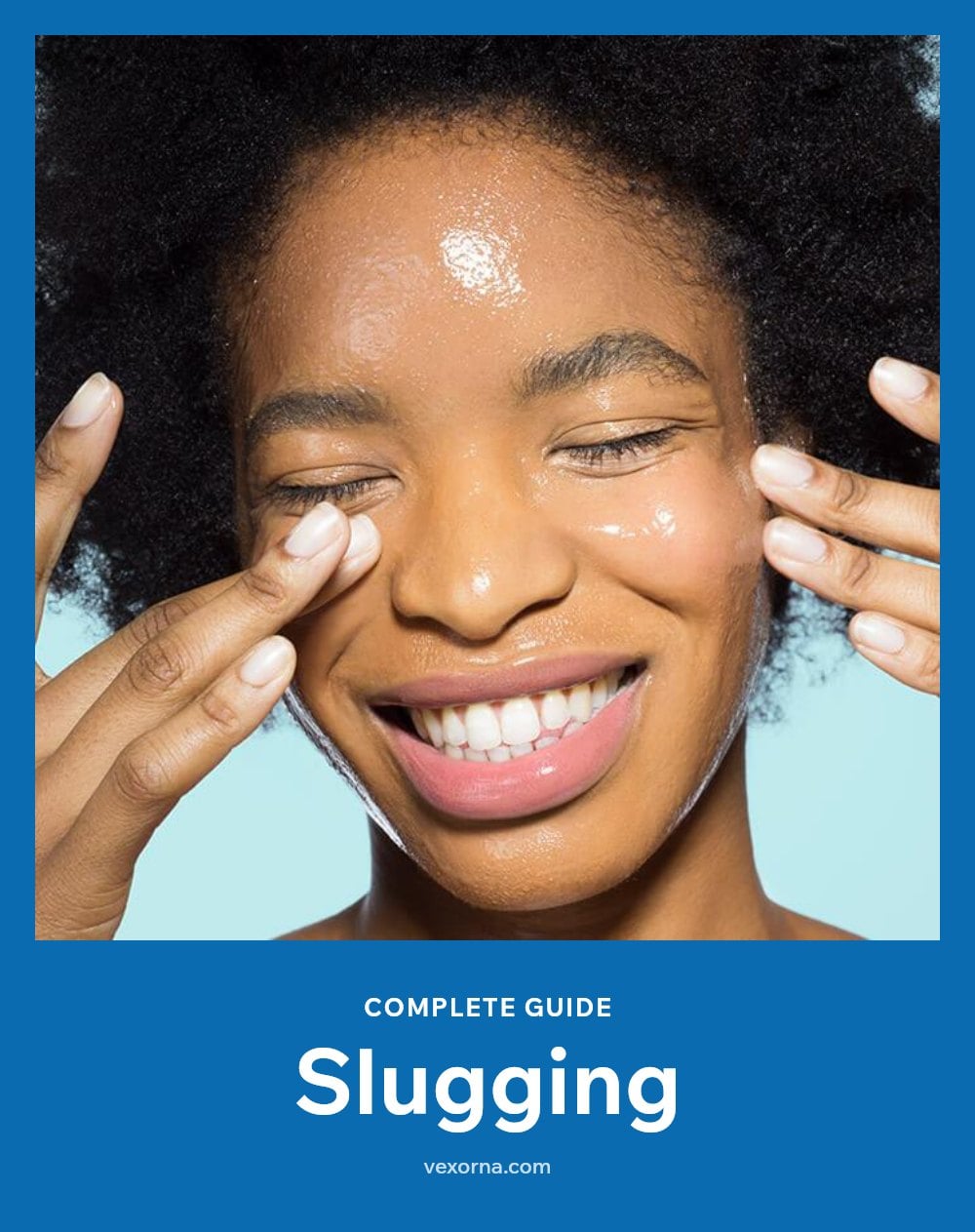
If your skin feels tight, flaky, or just parched despite your usual moisturizer, slugging might be the hydration boost you need. This technique involves sealing your nighttime routine with a thin layer of an occlusive product, like petroleum jelly, to lock in moisture and support your skin barrier. In this article, I’ll walk you through exactly how to do it, who it suits, and common mistakes to skip.
Key Takeaways
- Slugging uses an occlusive layer, typically petroleum jelly, to prevent water loss overnight.
- Always cleanse thoroughly and apply hydrating serums before the occlusive step.
- Start with 2-3 nights per week to avoid overdoing it, even if your skin responds well.
- Skip slugging over active ingredients like retinoids or AHAs to prevent irritation.
- Discontinue use if you notice breakouts, redness, or irritation, and see a dermatologist if needed.
What is Slugging and How Does It Work?
Slugging is a skincare technique where you apply a thick layer of an occlusive product, usually petroleum jelly, as the final step in your nighttime routine. This layer creates a physical barrier on your skin’s surface that prevents transepidermal water loss (TEWL), locking in the moisture and ingredients you applied underneath. It is especially beneficial for dry, dehydrated, or compromised skin barriers that need extra support to repair and retain hydration.
Your Slugging Essentials: What You’ll Need
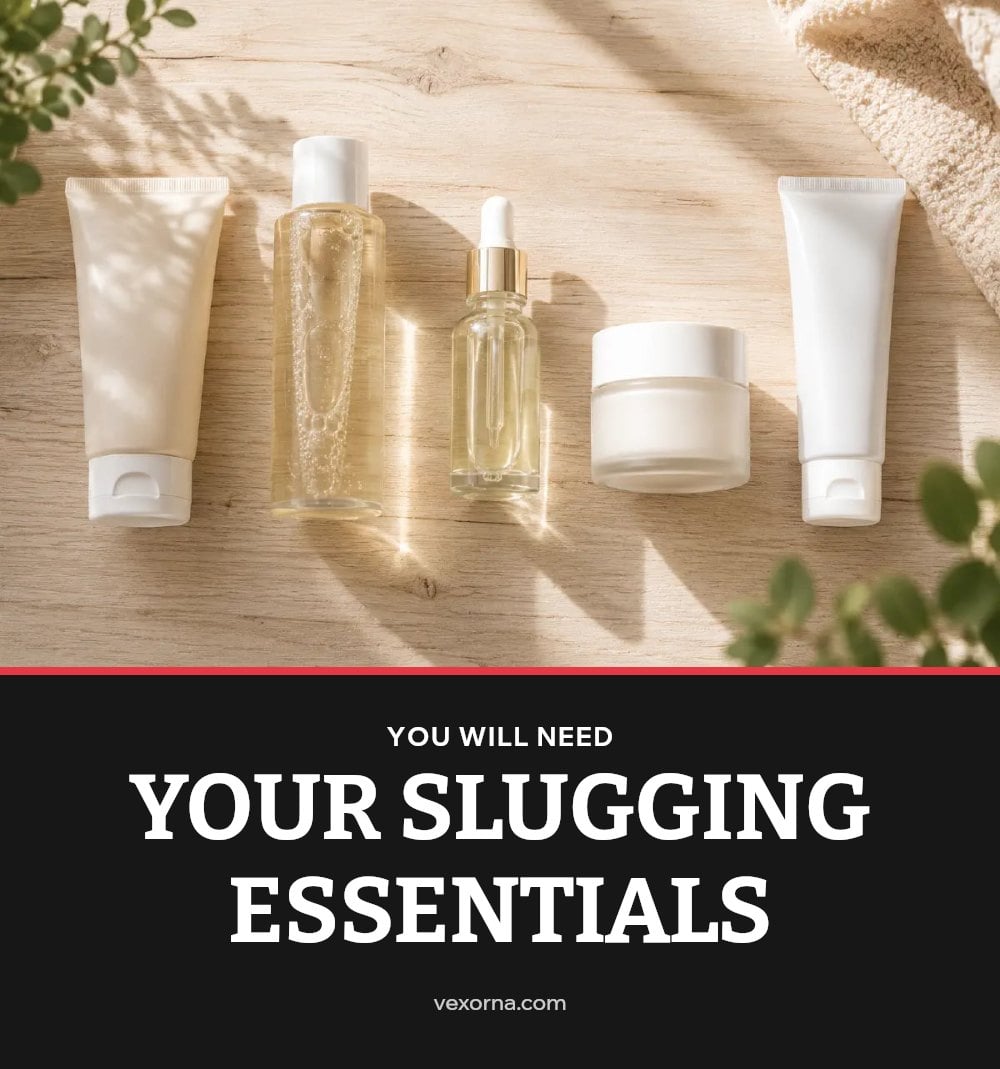
To get started with slugging, you only need a few basics from your current routine. Here is what you will want to have ready:
- Gentle facial cleanser: A thorough cleanse is non-negotiable so you do not trap any dirt or makeup under the occlusive layer.
- Hydrating serum: A serum with hyaluronic acid adds a concentrated boost of moisture that the occlusive will seal in.
- Your regular moisturizer: This nourishes and hydrates your skin before you lock everything in with the final layer.
- Petroleum jelly or thick occlusive balm: This is the star of the show. It forms the protective barrier that prevents water loss overnight.
Step-by-Step: How to Slug Your Skin for Maximum Hydration

Follow these steps to slug your skin correctly. The order matters, so stick to it.
- Cleanse your face: Start with a clean slate. Wash your face thoroughly with your gentle cleanser to remove all makeup, sunscreen, and impurities.
- Apply hydrating products to damp skin: While your skin is still slightly damp, apply your hydrating serum and then your regular moisturizer. Damp skin absorbs these products more effectively. This step is crucial because the occlusive layer seals everything in.
- Apply a thin layer of occlusive: Take a very small amount of petroleum jelly or your chosen occlusive balm. Warm it between your fingers, then press and spread it over your face in a thin, even film. You do not need a thick coat.
- Make it your last step: Slugging is always the very last step in your nighttime routine. Do not apply anything on top of it. The occlusive barrier locks in all the hydrating products you applied earlier.
- Adjust your frequency: Start with slugging 2-3 times per week. Pay attention to how your skin responds. If it feels comfortable, you can increase the frequency; if you notice any congestion, scale back.
Who Should (and Shouldn’t) Try Slugging?
Who benefits from slugging
Slugging is best suited for people with dry, dehydrated, or compromised skin barriers. If your skin feels tight, flaky, or irritated from environmental stressors or over-exfoliation, slugging can help restore moisture and support repair. Many people with normal to dry skin also use it as a weekly hydration boost.
Who should skip or be cautious
If you are prone to acne, fungal acne, or congestion, slugging may trap bacteria and exacerbate breakouts, so it is generally best to avoid it. The same caution applies if you use strong active ingredients like retinoids, AHAs, or BHAs. Slugging over these actives can significantly increase their penetration and lead to irritation. Tip: If you use actives, apply slugging on nights when you skip those products, or consult a dermatologist first.
Common Slugging Mistakes to Avoid
Applying over dirty skin: Always cleanse your face thoroughly before slugging. Trapping makeup, oil, or impurities under the occlusive layer can lead to clogged pores and breakouts.
Using too much product: A thin, even film is all you need. Applying an excessive amount makes a greasy mess on your pillowcase and doesn’t add extra benefit. Pea-sized amount is usually enough for the whole face.
Slugging every night from the start: Begin with 2-3 times per week. Your skin needs time to adjust to the occlusive barrier. Increase frequency only if your skin responds well and feels comfortable.
Applying over strong actives: Do not slug over retinoids, AHAs, or BHAs, especially when you are new to the technique. The occlusive layer can increase penetration of these ingredients, which may cause irritation or over-exfoliation. Apply actives on nights you skip slugging.
Expecting a miracle cure: Slugging supports your skin barrier and locks in moisture, but it cannot replace a complete skincare routine or fix underlying skin issues. Use it as a supplement, not a solution.
Top Tips for a Successful Slugging Routine
Patch test first: If you have sensitive skin, try slugging on a small area, like behind your ear or on your jawline, before applying it to your entire face. This helps you spot any adverse reaction before committing to a full application.
Clean pillowcases are your friend: Change your pillowcase at least twice a week. The occlusive layer can transfer to your pillow, and sleeping on a dirty surface can trap bacteria and lead to breakouts.
Listen to your skin: Start with 2-3 nights a week and watch how your skin responds. If your skin feels comfortable and well-hydrated, you can consider increasing frequency; if you notice congestion or breakouts, cut back or stop.
Consider alternative occlusives: If petroleum jelly feels too heavy or greasy, try a thick balm or an occlusive moisturizer with ingredients like shea butter or dimethicone. These can still lock in moisture without the heavy feel.
Don’t forget your neck and décolletage: These areas also lose moisture and can benefit from the same barrier protection. Apply a thin layer there as well, but be cautious with clothing that may stain.
How Long Until You See Results?
Consistency is key. While you may notice improved hydration and a calmer skin barrier after one to two weeks of consistent slugging, aim for 2-3 nights per week and resist the urge to increase frequency too quickly, even if initial results are positive. Overdoing it can lead to irritation. The cost is low, as petroleum jelly is an affordable product. Stick with the routine for long-term moisture retention and barrier repair.
When to Consult a Dermatologist
If you notice increased breakouts, persistent redness, burning, or irritation after slugging, stop using it and consult a dermatologist. It is also wise to talk to a professional before trying slugging if you have existing skin conditions like severe acne, rosacea, or eczema. A dermatologist can give you personalized advice on whether slugging is safe for your specific skin type and concerns.
Frequently Asked Questions
How often should I slug?
Start with 2-3 nights per week. This frequency is enough to improve hydration without overwhelming your skin. If your skin feels good after a few weeks, you can try increasing to every other night, but many people find 2-3 times a week works best long-term.
Can I slug with an active breakout?
It is generally not recommended to slug over active acne or fungal acne. The occlusive layer can trap bacteria and sebum, potentially worsening congestion. If you have a few isolated pimples, you can try slugging around them, but it’s safer to skip it during a breakout.
What if petroleum jelly feels too heavy?
You can switch to a lighter occlusive balm or a thick moisturizer designed for slugging. Look for products that contain ingredients like shea butter, lanolin, or dimethicone. Apply a thinner layer than you would with petroleum jelly and patch test first to see how your skin reacts.
Does slugging help with wrinkles?
Slugging may help with the appearance of fine lines caused by dehydration by locking in moisture and plumping the skin. However, it does not directly target wrinkles from aging or sun damage. For those concerns, ingredients like retinoids or antioxidants are more effective, but consult a dermatologist first.
Is slugging safe for sensitive skin?
Yes, many people with sensitive skin find slugging helpful because it supports the skin barrier and reduces water loss. However, always patch test on a small area first, like behind your ear or on your jawline. Avoid slugging over strong active ingredients to prevent irritation, and stop if you notice redness or burning.
Final Thoughts
My tip: stick with 2-3 nights per week for the first few weeks, even if your skin feels great after one go. Overdoing it can lead to irritation, especially if you use active ingredients underneath. Realistic expectations mean you’ll likely see improved hydration and a calmer barrier within one to two weeks of consistent use. Give it a try, but always listen to your skin.
This article is for general informational purposes only and does not constitute medical or dermatological advice. Skin care results can vary, and what works for one person may not work for another. If you have a persistent skin condition, severe acne, rosacea, or eczema, consult a dermatologist before trying slugging.