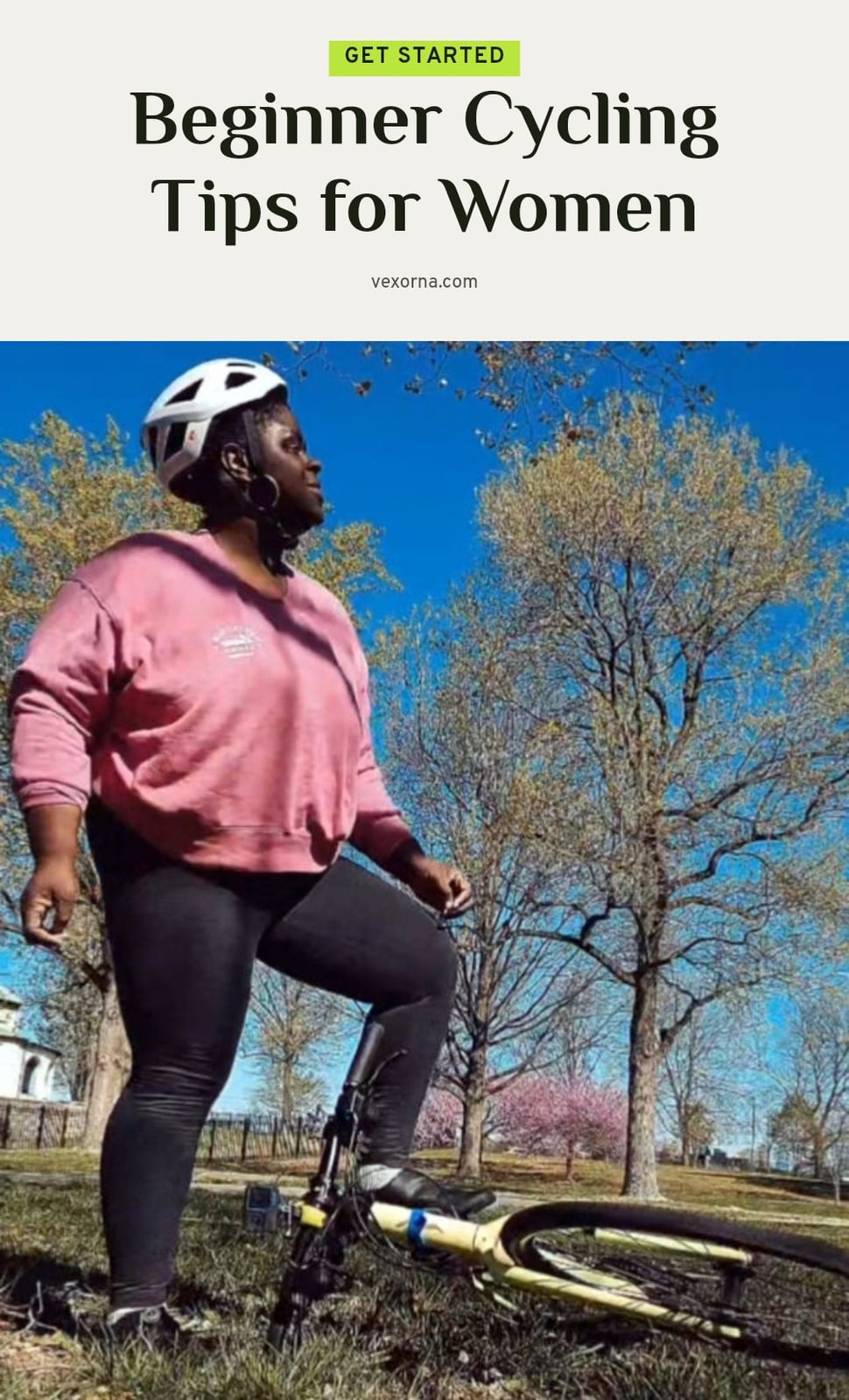
If you’re ready to try a new fitness routine that’s easy on your joints and enjoyable, cycling is a fantastic place to start. It’s low impact, works your legs and heart, and you can do it outdoors or indoors, alone or with friends. This article covers choosing a bike, essential gear, beginner steps, common mistakes, and safety tips to help you ride confidently.
Key Takeaways
- Choose a bike that fits your body and riding style; fit matters more than frame type.
- Wear a properly fitted helmet on every ride, no exceptions.
- Start with 20-30 minute rides, 2-3 times a week, and increase gradually.
- Use front and rear lights and bright clothing to stay visible.
- If you feel persistent knee or back pain, stop and see a professional.
Why Cycling is Great for Women’s Fitness
Cycling is a low-impact exercise, which means it puts far less stress on your joints than running or jumping. That makes it a smart choice if you have knee or hip concerns, or if you simply want a workout that won’t leave you sore the next day. It still delivers a serious cardio challenge, strengthening your leg muscles and building stamina with every ride.
The benefits go beyond the physical. Many women find that cycling clears their head, reduces anxiety, and improves their mood. The combination of fresh air, rhythmic movement, and time outdoors works like a moving meditation. My tip: start with a short ride on a calm path and notice how your stress level shifts by the time you get home.
Choosing the Right Bike for Your Cycling Style
Before you buy anything, think about where you’ll ride most. The right bike depends on your terrain and goals, but the fit matters more than the frame type. A bike that’s too big or too small can cause knee pain, back strain, and make every ride miserable.
| Bike Type | Best For | Key Feature |
|---|---|---|
| Road bike | Speed on paved roads | Lightweight, thin tires |
| Mountain bike | Off-road trails and dirt paths | Suspension, wide knobby tires |
| Hybrid bike | Mixed terrain, commuting, casual rides | Comfortable upright position |
When you test a bike, check that your saddle height lets your leg almost fully extend at the bottom of the pedal stroke, and that you can reach the handlebars without stretching. A professional fitting at a local shop can fine-tune these details and prevent injuries down the road.
Essential Gear for Your First Ride
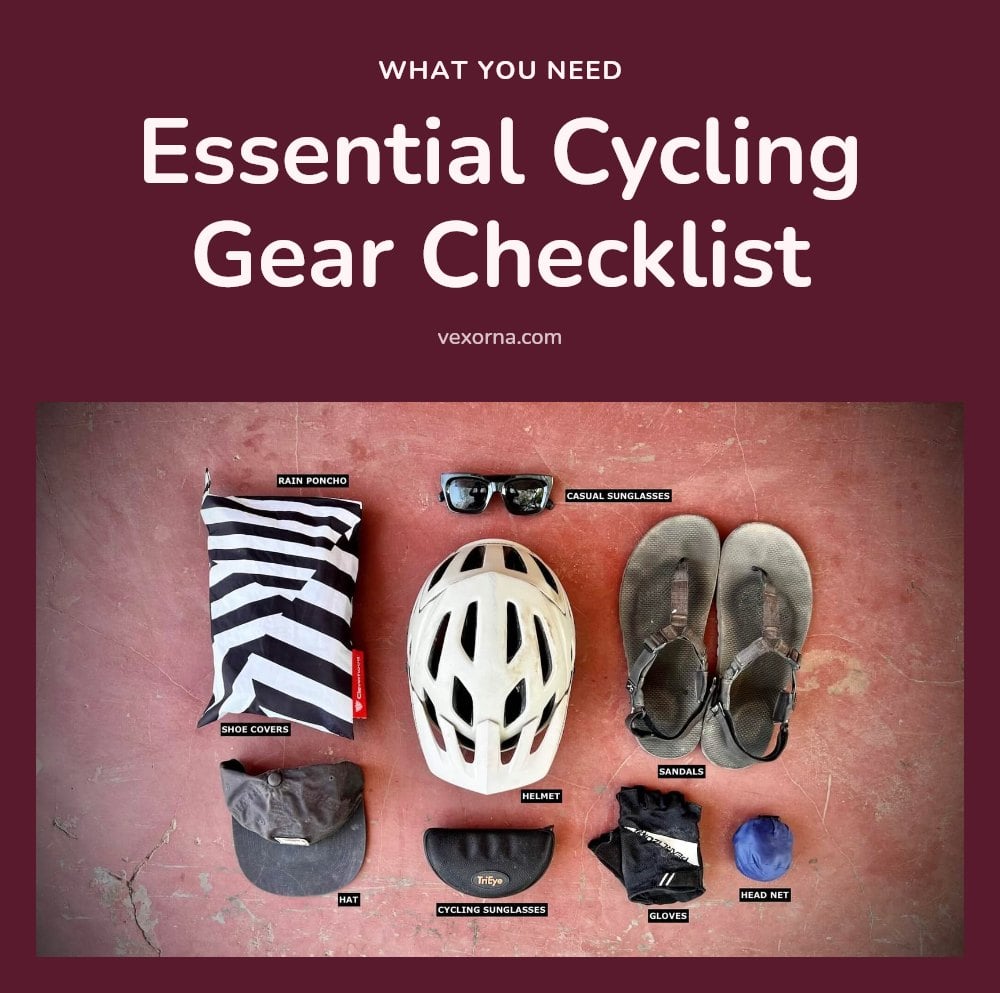
You don’t need a closet full of gear to start, but a few essentials make the difference between a comfortable ride and a miserable one.
- Helmet: A properly fitted helmet is non-negotiable. It should sit level on your head, with the straps snug under your chin. Some states legally require one, and it’s your best protection against head injuries.
- Padded shorts: The chamois padding reduces friction and soreness on longer rides. They’re worth every penny once you pass the 30-minute mark.
- Water bottle and cage: Hydration is vital, even on short rides. Mount a cage on your frame so you can sip without stopping.
- Front and rear lights: These improve your visibility to drivers, especially at dawn, dusk, or on overcast days. Even daytime rides benefit from a blinking rear light.
Your Step-by-Step Guide to Starting Cycling
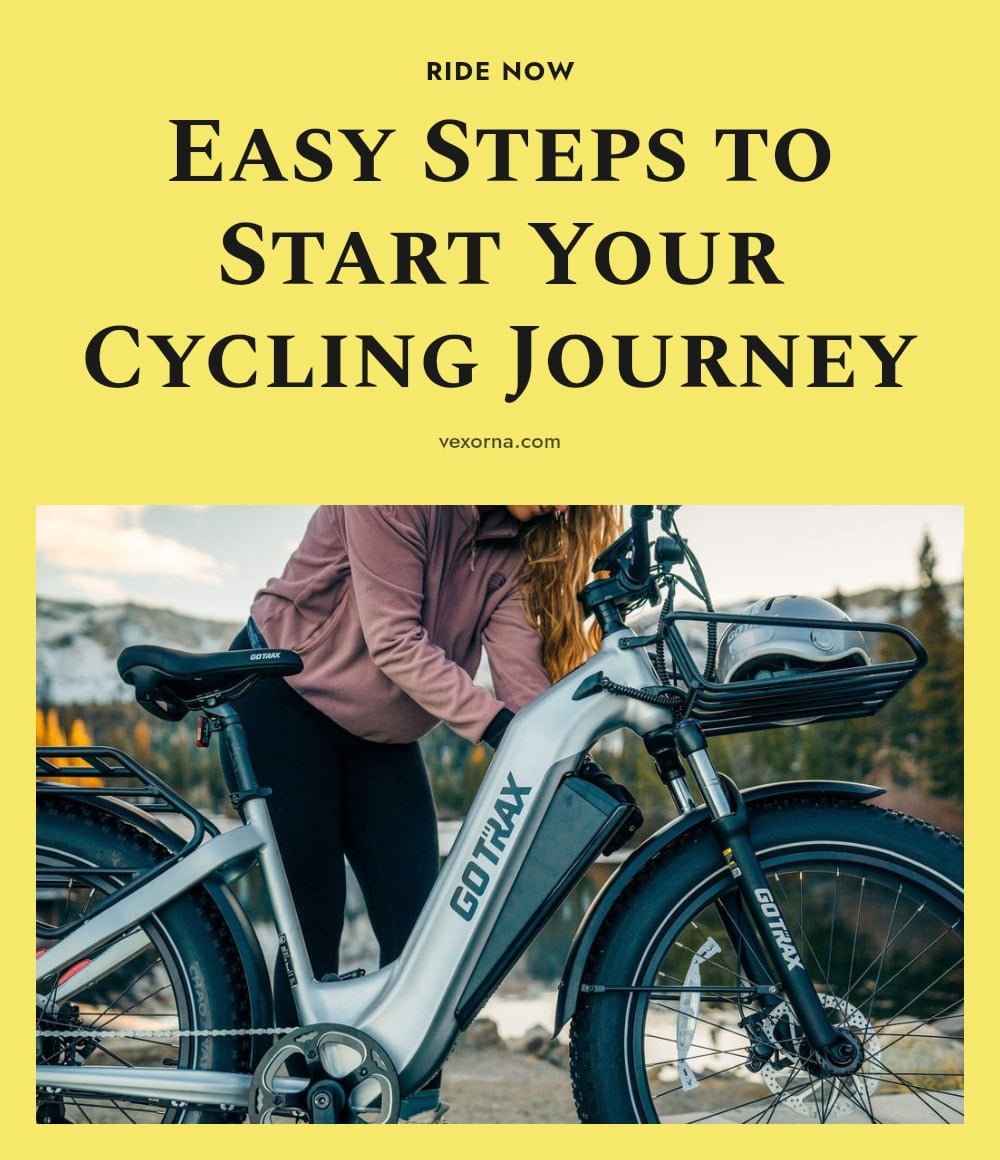
Getting started is simpler than you think. Follow these steps and you’ll build confidence and fitness without overwhelming yourself.
- Fit your bike: Adjust the saddle height so your leg is almost straight at the bottom of the pedal stroke. You should have at least an inch of clearance between the top tube and your body when standing over it with both feet flat. If you’re unsure, ask a shop to help.
- Helmet up: Buckle your helmet before you roll. It should sit level and not rock side to side. Make this a habit from day one.
- Start short and flat: Begin with 20 to 30 minute rides on flat, quiet routes, two to three times a week. This builds your base without burning you out.
- Increase gradually: Add 5 to 10 minutes per week, or introduce a gentle hill once flat rides feel easy. Slow and steady prevents injury and keeps you motivated.
- Hydrate as you go: Drink water before you head out, sip during your ride, and rehydrate when you finish. Dehydration can cause headaches and fatigue that ruin your momentum.
- Learn hand signals: Use your left arm to signal turns: extend it straight for a left turn, bend it up for a right turn. Point down with your palm flat to signal a stop. These communicate your moves to drivers and other riders.
- Do a quick bike check: Before each ride, squeeze your tires for firmness, test your brakes, and make sure the chain is clean and lubricated. This takes 60 seconds and prevents most mechanical surprises.
Common Cycling Mistakes to Avoid
Wrong bike size: Riding a bike that’s too big or too small can cause knee pain, back strain, and discomfort. A quick test: when you sit on the saddle, your leg should be almost fully extended with a slight bend at the bottom of the pedal stroke.
Skipping safety gear: Riding without a helmet is a major risk, even on short trips. Padded gloves and appropriate shoes also help prevent hand numbness and foot fatigue.
Too much too soon: Jumping into long, hilly rides can lead to burnout or injury. Start with 20-30 minute flat rides and build up gradually.
Ignoring maintenance: A loose chain or under-inflated tire can turn a pleasant ride into a breakdown. Check tire pressure, brakes, and chain before each ride.
Poor hydration: Dehydration can cause headaches, dizziness, and reduced performance. Drink water before, during, and after your ride, especially on warmer days.
Smart Tips for a Safe and Enjoyable Ride

Be visible: Use a white front light and red rear light, even in daylight if the road is shaded. Wear bright or reflective clothing to help drivers spot you.
Ride predictably: Follow local cycling laws, which typically mean riding with traffic on the right side of the road. Check your state or city regulations, as some areas allow sidewalk riding or have specific bike lane rules. Staying predictable helps drivers anticipate your movements.
Listen to your body: If you feel sharp pain or persistent discomfort, don’t push through it. Adjust your saddle height or handlebar position, and if that doesn’t help, consult a bike fit expert.
Join a group: Local cycling groups offer motivation, route knowledge, and safety in numbers. Many have beginner-friendly rides where you can learn pacing and group etiquette.
Learn basic maintenance: Check tire pressure weekly and lubricate your chain every few hundred miles. Knowing how to fix a flat tire can save you from a long walk home.
What to Expect: Timeline and Costs for New Cyclists
Start with 20-30 minute rides, 2-3 times a week, and gradually increase your time and distance over several weeks or months. You’ll likely notice improved stamina and muscle tone in your legs within a few weeks of consistent riding.
As for costs, bikes range from a few hundred dollars for entry-level models to thousands for advanced ones. Essential gear, including a helmet, lights, and tire pump, typically adds $100-$300 to your initial investment.
Good to know: You can save money by starting with a basic hybrid bike and upgrading components later as your skills improve.
When to Consult a Professional
If you experience persistent knee, back, or neck pain while cycling, stop riding and consult a healthcare professional. Pain that doesn’t go away with rest or bike adjustments may signal a fit issue or an underlying condition.
For chronic discomfort or numbness in your hands or feet, consider a professional bike fitting expert. They can adjust your saddle, handlebars, and cleats to match your body’s proportions.
If you have pre-existing health conditions like heart disease, diabetes, or joint problems, talk to your doctor before starting a new exercise routine. They can help you set safe limits and monitor your progress.
Frequently Asked Questions
What kind of bike is best for beginners?
For most beginners, a hybrid bike is a great choice because it’s versatile and comfortable on roads and light trails. If you plan to ride mainly on paved roads, a road bike is faster but more aggressive; for off-road trails, a mountain bike is better. The most important thing is that the bike fits your body, so get a professional fitting or test ride before buying.
How often should a beginner cycle?
Start with 2 to 3 rides per week, each lasting 20 to 30 minutes. This gives your body time to adapt without overdoing it. As you get stronger, you can gradually increase the duration or frequency, but always listen to your body and rest if you feel pain or extreme fatigue.
Is cycling good for weight loss?
Yes, cycling can help with weight management because it burns calories, though the exact amount depends on your intensity and how long you ride. Pair it with a balanced diet for best results. Consistency matters more than occasional long rides, so aim for regular sessions that fit your schedule.
What should I wear for cycling?
Wear moisture-wicking clothing to stay dry, and padded shorts to reduce saddle discomfort. Cycling gloves can help with grip and hand numbness. For safety, wear bright or reflective colors, and always a helmet. If you ride in low light, add front and rear lights to your bike.
Can cycling help with stress?
Many women find cycling to be a stress reliever, and it can help reduce anxiety and improve mood. The combination of physical activity, being outdoors, and focusing on the ride can clear your mind. It’s not a substitute for professional mental health care, but it can be a healthy addition to your routine.
Final Thoughts
Start with a bike that fits, a helmet that’s snug, and short, flat rides a few times a week. Build up slowly, and you’ll likely notice better stamina and stronger legs within a few weeks. Remember to stay hydrated and listen to your body; if something hurts beyond normal muscle soreness, adjust your bike or talk to a bike fitter or doctor. Cycling should feel good, so keep it simple and enjoy the ride.
This article is for general information only and is not medical or professional advice. Always consult a doctor or healthcare provider before starting a new exercise program, especially if you have existing health conditions. If you experience persistent pain or discomfort while cycling, stop and seek guidance from a healthcare professional or bike fitting expert.