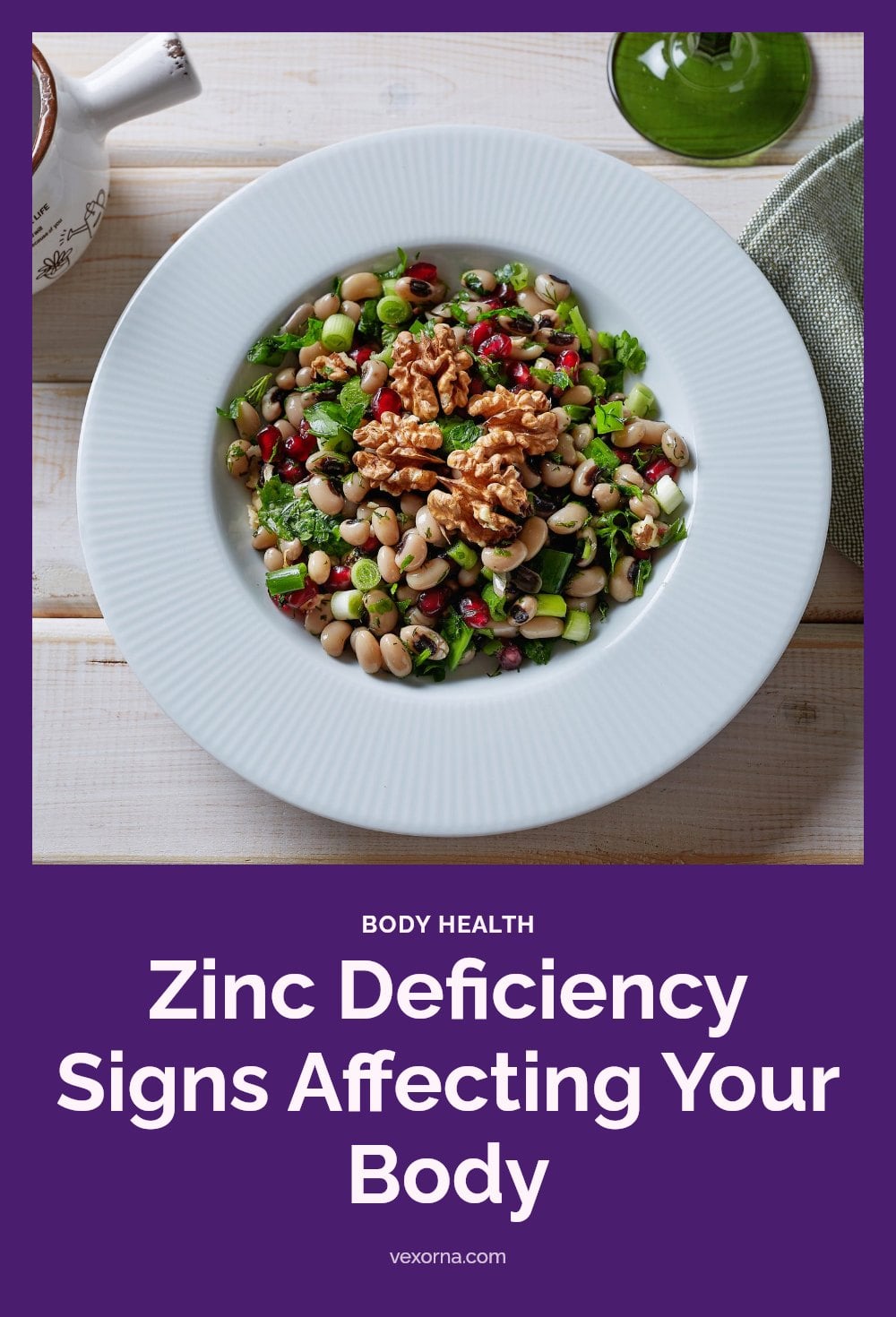
Have you been feeling unusually tired, catching every cold that goes around, or noticing more hair in your brush than usual? These could be signs that your zinc levels are low. In this article, I’ll walk you through the most common symptoms of zinc deficiency, who is at higher risk, and what you can do about it.
Key Takeaways
- Zinc is an essential trace mineral your body can’t produce; you must get it from food.
- Common signs of deficiency include frequent infections, slow wound healing, and hair loss.
- Vegetarians, pregnant women, and those with certain digestive conditions are at higher risk.
- Don’t self-diagnose; see a doctor for persistent symptoms.
- Dietary sources like red meat, poultry, seafood, and nuts can help maintain healthy levels.
What is Zinc and Why Is It So Important?
Zinc is an essential trace mineral, which means your body can’t produce it on its own and has to get it from food. It’s involved in a surprising number of systems, from immune function and wound healing to DNA synthesis and even how you perceive taste and smell. While severe deficiency is rare, mild to moderate shortfalls are more common than you might think, and they often show up as subtle symptoms that are easy to overlook.
1. Frequent Infections and Weak Immunity
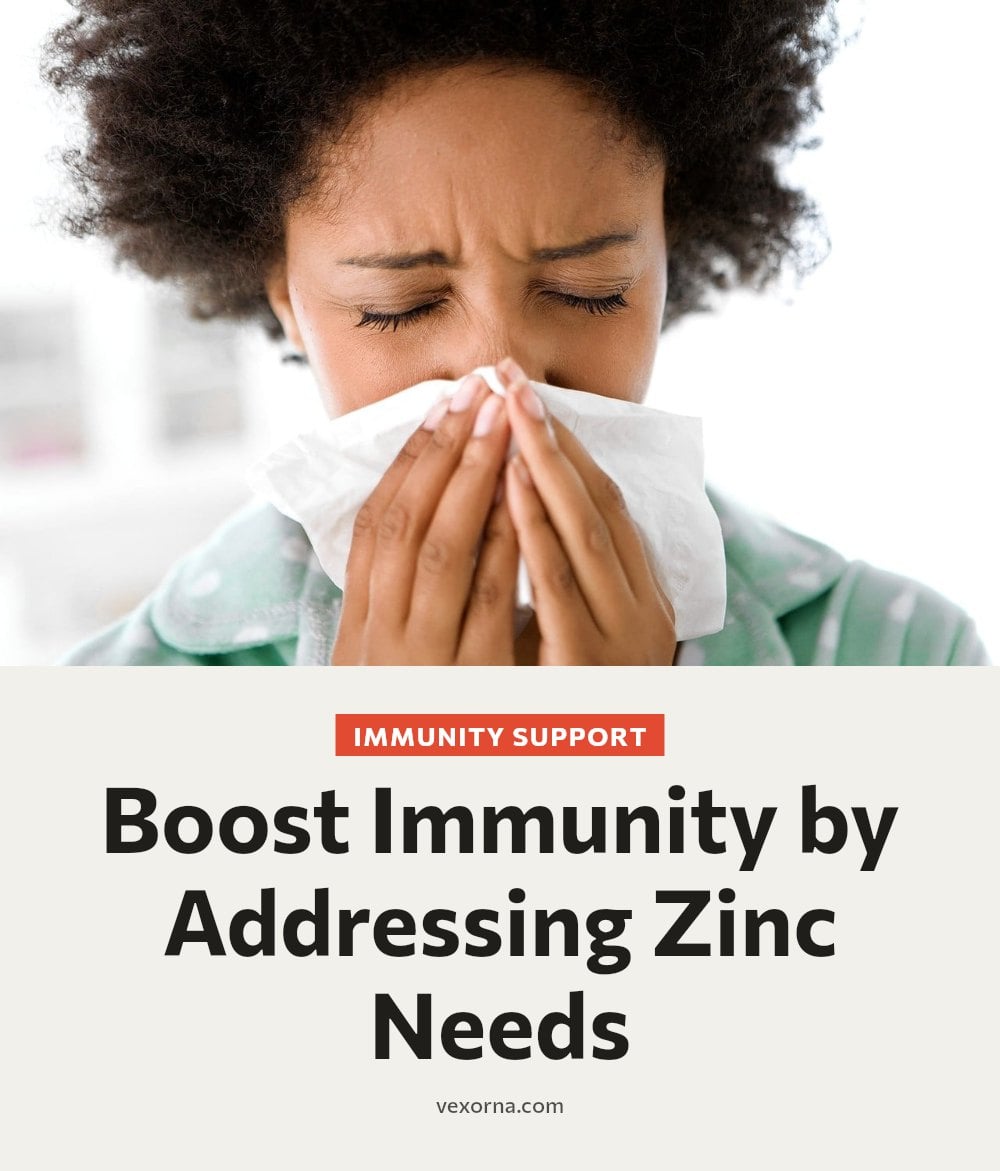
Zinc is a cornerstone of a healthy immune system, helping your immune cells develop and do their job. If you’re constantly catching colds or find that every bug takes weeks to shake, it’s worth considering your zinc intake.
My tip: Pay attention to how often you feel “run down” or wiped out after a normal week. That lingering low-grade feeling can be a clue that your immune system isn’t getting the support it needs.
- Frequent infections that last longer than usual
- Slow recovery from everyday illnesses
- A general sense of being more susceptible than those around you
2. Slow Wound Healing
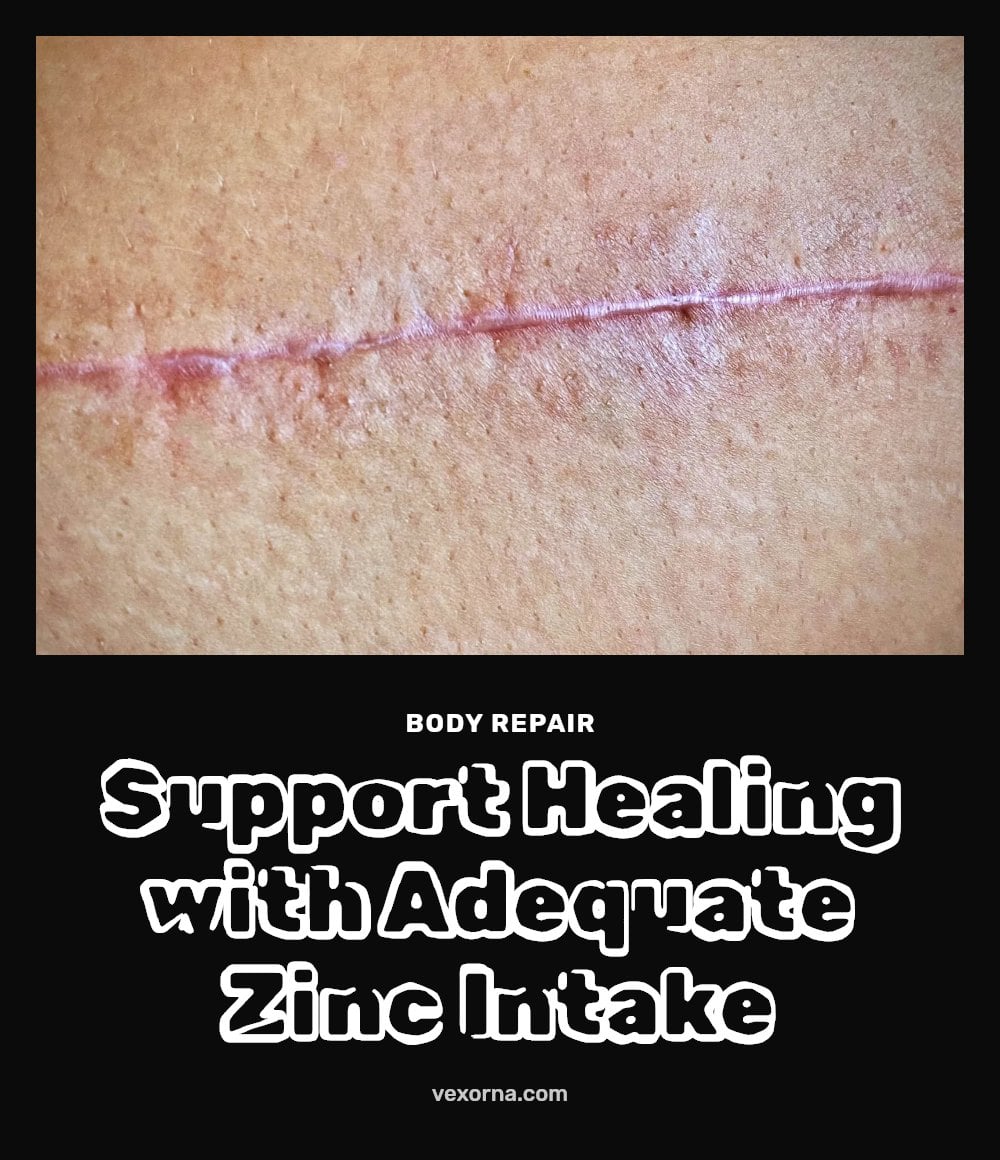
Zinc is critical for skin integrity and the healing process because it supports cell growth and repair. If cuts, scrapes, or even acne breakouts seem to take an unusually long time to close up, that’s a direct sign your body may be short on this mineral.
This is one of the most straightforward ways zinc affects your physical health. The skin relies on a steady supply to regenerate tissue, and without it, even minor wounds can linger.
- Track how long a small scrape takes to heal
- Notice if acne lesions leave marks that stick around
- Consider zinc if healing time feels noticeably slower than it used to
3. Hair Loss or Thinning

Zinc plays a role in hair tissue growth and repair, so a deficiency can contribute to hair loss or thinning. If you’re seeing more strands in your brush or noticing bare patches, zinc could be one factor to explore.
It’s not the only cause of hair loss, but it’s worth considering, especially if you have other symptoms on this list. Hair follicles are highly active and need zinc to function properly.
- More hair than usual in the shower drain
- Thinning patches, especially around the temples or crown
- Hair that feels brittle or breaks easily
If hair loss is sudden or severe, a healthcare professional can help rule out other causes.
4. Changes in Taste or Smell
Zinc is essential for your taste buds and olfactory receptors to work properly. A common sign of deficiency is a diminished sense of taste or smell, or even a distorted perception. I’ve found that foods just don’t ‘hit’ the same way when my zinc levels are low.
5. Loss of Appetite
Zinc deficiency can lead to a reduced appetite, sometimes linked to the changes in taste and smell. If you’re not feeling hungry even when you know you should be, it’s worth noting. This can be particularly concerning in children, affecting their growth.
6. Skin Conditions like Acne or Dermatitis

While not always the cause, zinc deficiency can sometimes contribute to skin issues like acne or dermatitis. It’s involved in anti-inflammatory processes and cell turnover, both crucial for healthy skin. My tip: If you’re struggling with persistent skin problems, consider a holistic approach including nutrient levels.
7. Eye Problems
Zinc is concentrated in the eyes, particularly in the retina, and is needed for optimal vision. While less common, some eye problems can be associated with zinc deficiency. This is another example of how this mineral impacts various body systems.
8. Fatigue and Mood Changes
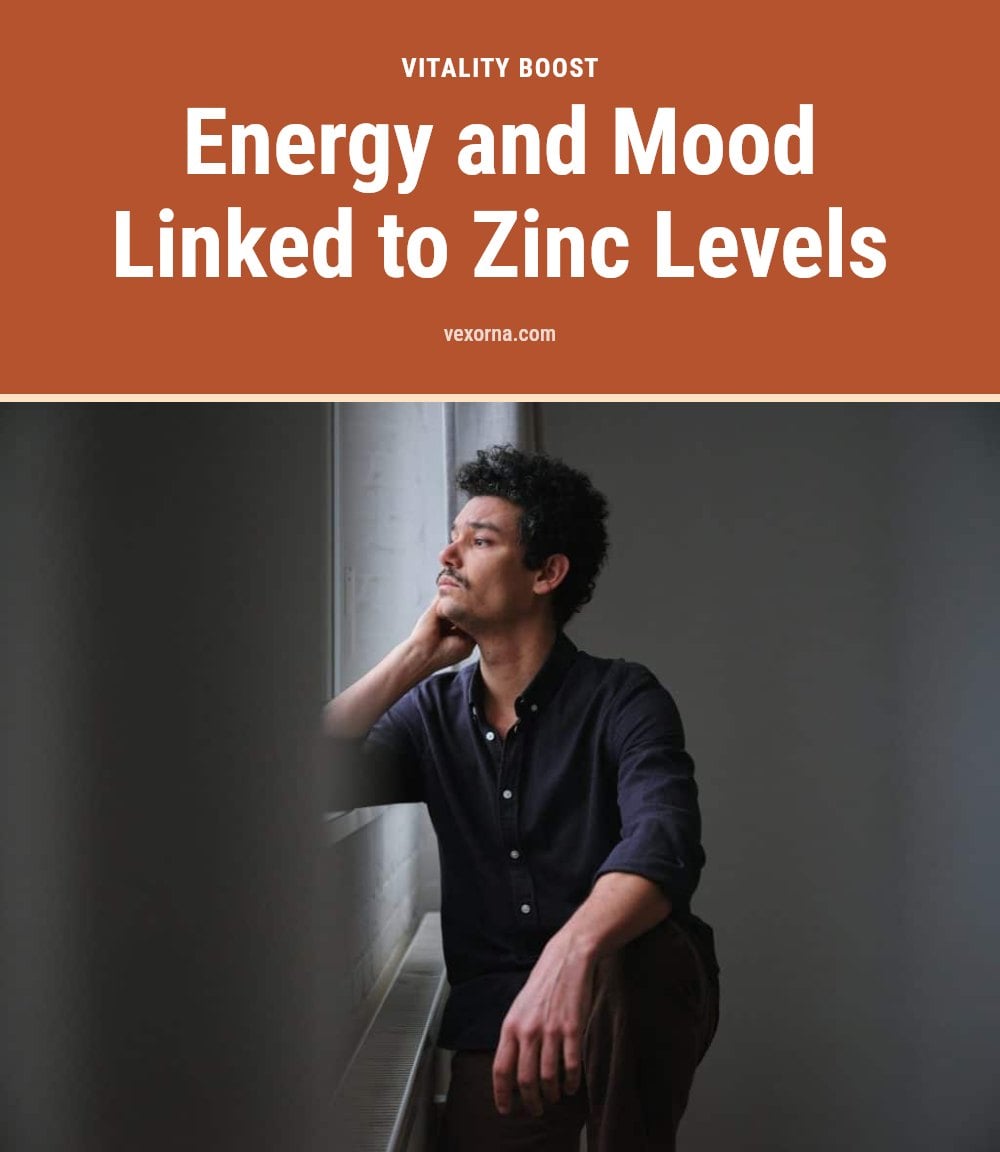
Mild zinc deficiency can affect cognitive function and overall energy levels. If you’re experiencing unexplained fatigue, brain fog, or even mood changes, zinc could be a contributing factor. It’s important to remember these symptoms can be linked to many things, so it’s one piece of a larger puzzle.
9. Growth Retardation in Children
For children, zinc is crucial for normal growth and development, as it supports cell division and protein synthesis. A deficiency can lead to stunted growth and delayed sexual maturation, which is why adequate intake matters during these critical stages.
If you’re a parent and notice your child isn’t growing at a typical pace or isn’t hitting developmental milestones, talk to a pediatrician before assuming a deficiency. They can assess overall nutrition and rule out other causes.
Good to know: Zinc needs are higher during growth spurts, so a balanced diet with zinc-rich foods like lean meats, beans, and fortified cereals helps support healthy development.
10. Who Is at Higher Risk for Deficiency?
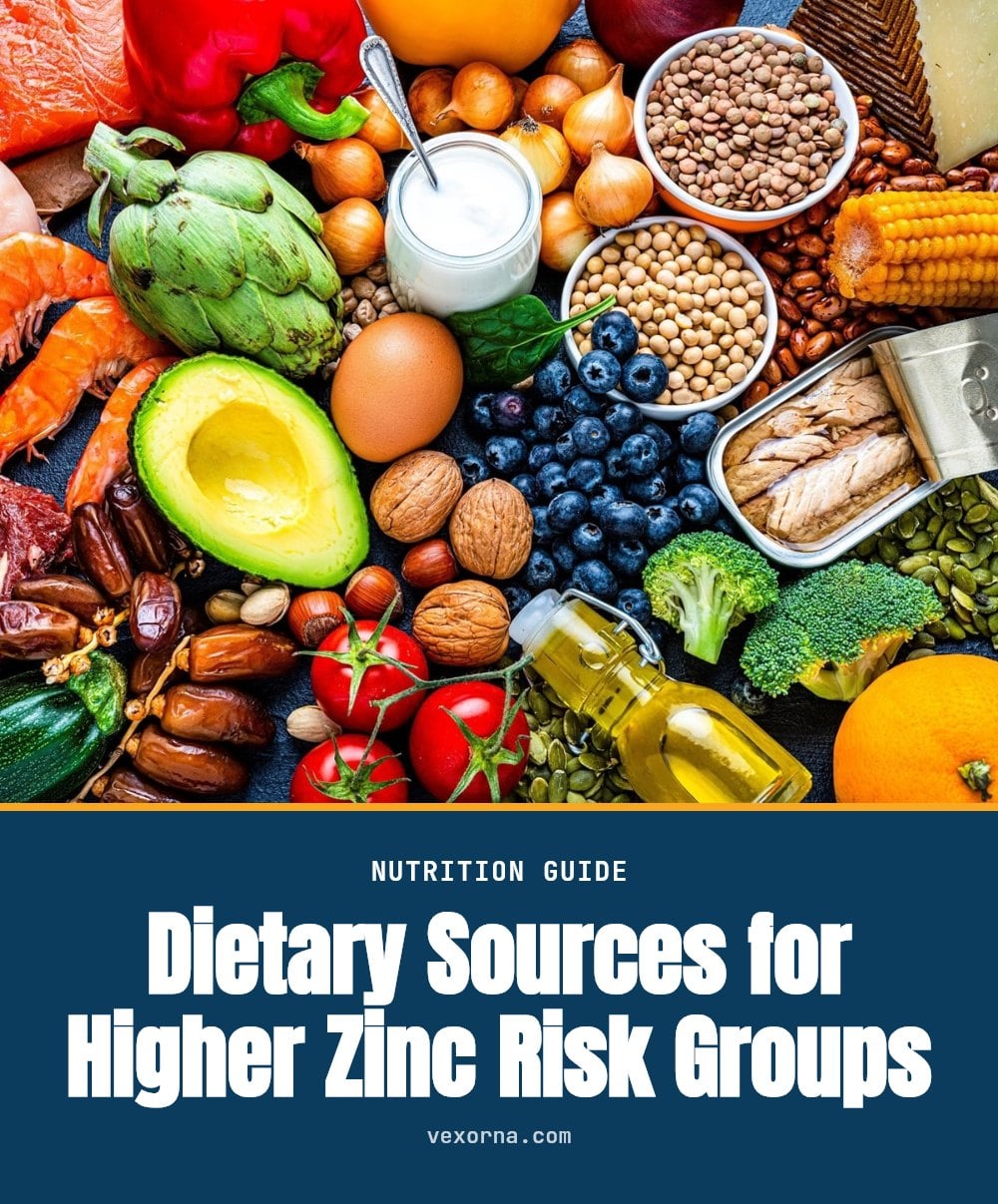
Certain groups are more susceptible to zinc deficiency. Vegetarians and vegans face higher risk due to phytates in plant foods that inhibit zinc absorption. Pregnant and lactating women, individuals with gastrointestinal disorders like Crohn’s disease, and those with chronic kidney disease or alcoholism are also at higher risk.
Tip: If you fall into one of these categories, be extra mindful of your zinc intake.
11. Getting Enough Zinc Through Diet
Red meat, poultry, and seafood, especially oysters, are excellent sources of zinc. Dairy products, beans, nuts, and fortified cereals also contribute to your intake.
Good to know: Aim for a balanced diet to ensure you’re getting all essential nutrients, including zinc.
When to Talk to a Healthcare Professional
If you suspect a zinc deficiency based on persistent symptoms like frequent infections, slow healing, or hair loss, it’s always best to consult a doctor. Self-diagnosing can be tricky because many of these symptoms overlap with other conditions. A healthcare professional can help determine the actual cause and recommend appropriate steps, whether that means dietary changes or supplementation.
Caution: Never take high-dose zinc supplements without medical advice. Excessive zinc can be harmful, causing nausea, vomiting, and interfering with the absorption of other nutrients like copper. Your doctor can guide you on safe dosage if supplementation is needed.
Frequently Asked Questions
How is zinc deficiency diagnosed?
Zinc deficiency is tricky to diagnose because blood tests don’t always reflect total body stores, as most zinc is stored in cells. A doctor will consider your symptoms, diet, and medical history. They may also order specialized tests, so it’s best to discuss your concerns with a professional.
Can I get enough zinc from diet alone?
Yes, many people can meet their zinc needs through a balanced diet. Good sources include red meat, poultry, seafood, dairy, beans, nuts, and fortified cereals. However, if you follow a plant-based diet, you may need to pay extra attention to absorption, as phytates in whole grains and legumes can inhibit it.
What foods are highest in zinc?
The highest dietary sources of zinc are oysters and other seafood, red meat, and poultry. Dairy products, beans, nuts, and fortified cereals also contribute. For plant-based eaters, soaking and sprouting legumes and grains can help reduce phytate content and improve absorption.
Can zinc supplements interact with medications?
Yes, zinc supplements can interact with certain medications, including some antibiotics (like quinolones and tetracyclines) and diuretics. High doses can also interfere with copper absorption. Always inform your doctor about any supplements you are taking, especially if you have underlying health conditions.
How long does it take to correct a zinc deficiency?
Correcting a zinc deficiency is not immediate. With dietary changes or supplementation, improvement in symptoms can take weeks to months. The timeline depends on the severity of the deficiency and individual factors, so patience and consistent intake are key.
Final Thoughts
If you recognize several of these signs in yourself, start by looking at your diet. Aim to include zinc-rich foods like meat, seafood, beans, and nuts regularly. And remember, improvement can take weeks to months, so be patient. When in doubt, a healthcare professional can give you the clearest picture.
This article is for informational purposes only and does not constitute medical advice. If you suspect you have a zinc deficiency or are experiencing persistent symptoms, please consult a healthcare professional or a registered dietitian for a personalized evaluation.