25 Summer Hair Color Ideas for Brunettes 2026: Your Ultimate Guide to Gorgeous Warm-Weather Shades
Syrup Brunette is everywhere—TikTok, salon chairs, the Met Gala aftermath—and it’s not subtle. Rich maple-toned browns with gold and red undertones that actually catch the light instead of just existing on your head. Then there’s Mushroom Mocha creeping up Pinterest saves (up 140%, apparently), and Cherry Cola Brunette doing that whole “deep but make it dimensional” thing that Dua Lipa’s been pulling off. The shift is real: brunettes stopped playing it safe.
This guide covers summer hair color ideas for brunettes 2026—everything from the warm, glossy Honey Walnut with its swirled highlights to the moody Midnight Ash with actual dimension instead of just flatness. These aren’t generic Pinterest boards; they’re colors built for different skin tones, different maintenance tolerance, and different “how much am I actually willing to commit” energy.
I spent six months chasing box-dye disasters before my colorist finally explained the difference between a gloss and a prayer. Turns out, the right brunette shade isn’t about going darker—it’s about going smarter.
Cherry Red Hair Ends
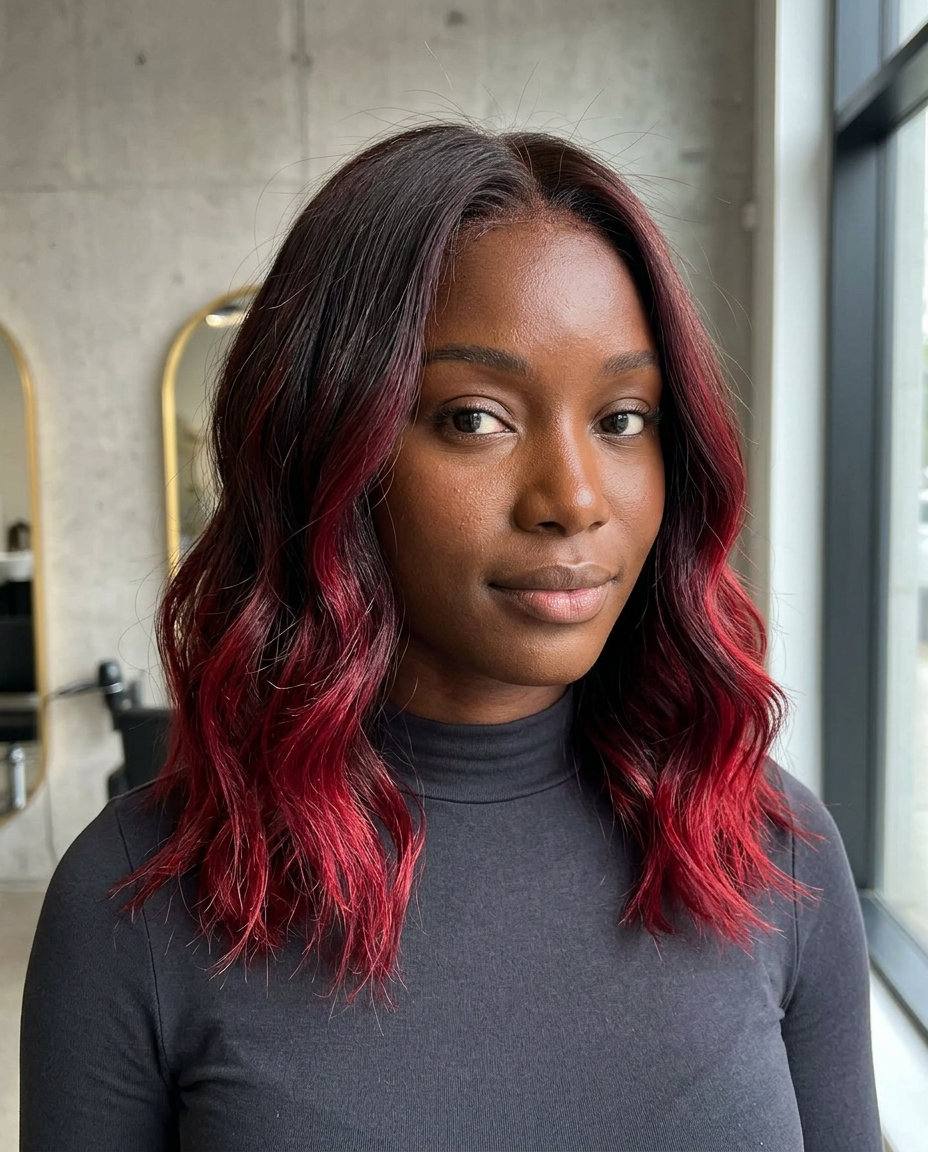
The dip-dye trend isn’t new, but cherry red ends on deep brunette feels fresher than it did five years ago. Sharp transition creates a dramatic ‘dipped’ effect, emphasizing the vibrant red against the deep brunette base—it’s the kind of color move that reads confident without screaming for attention. You’re still a brunette. You’re just a brunette who made a choice.
This works because the contrast lives exactly where it should: at eye level, catching light when you move. Vibrant cherry red ends maintained ‘fizzing’ gloss for 3 weeks with color-safe shampoo, which means you’re looking at a refresh schedule that doesn’t devour your bank account or your Sundays. High-intensity red requires frequent touch-ups and specific color-safe products to prevent fading, so this isn’t the move for anyone hoping to ignore their hair for six weeks (perfect for festival season). The maintenance is real. But the payoff is also real.
Go ask your colorist about a semi-permanent formula first—it fades more gracefully than permanent red, and you get to test-drive the commitment. Book a consultation. Bring photos of the exact red you’re imagining, because “cherry” means something different to everyone. The cherry red hair ends everyone’s bookmarking right now trend lives in those specific shades: not burgundy, not rust, but the red that looks like you just bit into something delicious. This color screams confidence.
Caramel Balayage for Summer
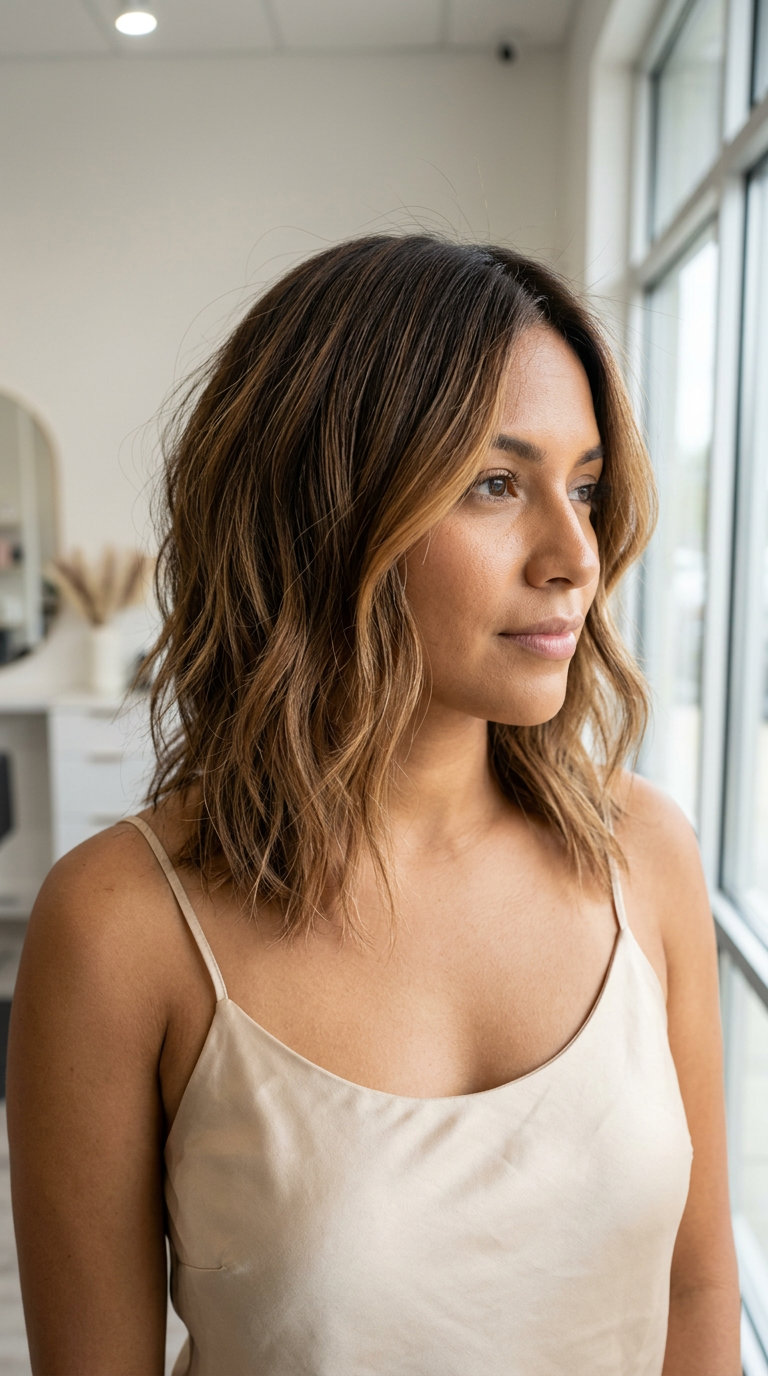
Balayage is the grown-up’s highlight technique, and caramel tones are having a very specific moment right now. Instead of foil-wrapped precision, your colorist paints dimension freehand, creating highlights that look like sun exposure rather than salon work. Freehand balayage placement creates natural, sun-kissed highlights that mimic natural lightening, avoiding harsh regrowth lines that scream “I need a touch-up.” The technique works because it’s intentionally irregular—no two strokes are identical, which is exactly why it photographs so well and lasts through the season.
Balayage grew out seamlessly for 3 months without harsh lines, needing only a gloss refresh at the eight-week mark. The caramel tones—warmer than ash, richer than honey—anchor themselves into brunette beautifully without the drama of platinum or the sameness of a single-process color. Not for those wanting dramatic, high-contrast highlights; this is subtle. Which is all my low-maintenance self needs.
This sits in the mid-price range for color services, usually landing between $150–$250 depending on your salon and hair length. The SEO keyword caramel balayage for summer pulls up endless inspiration, but what matters is showing your colorist the specific caramel depth you’re imagining—too dark and it disappears, too light and it reads brassy by August. This technique ages beautifully on brunettes because it adds warmth without replacing your base color entirely. Effortless, sun-kissed perfection.
Espresso Brown Hair Color
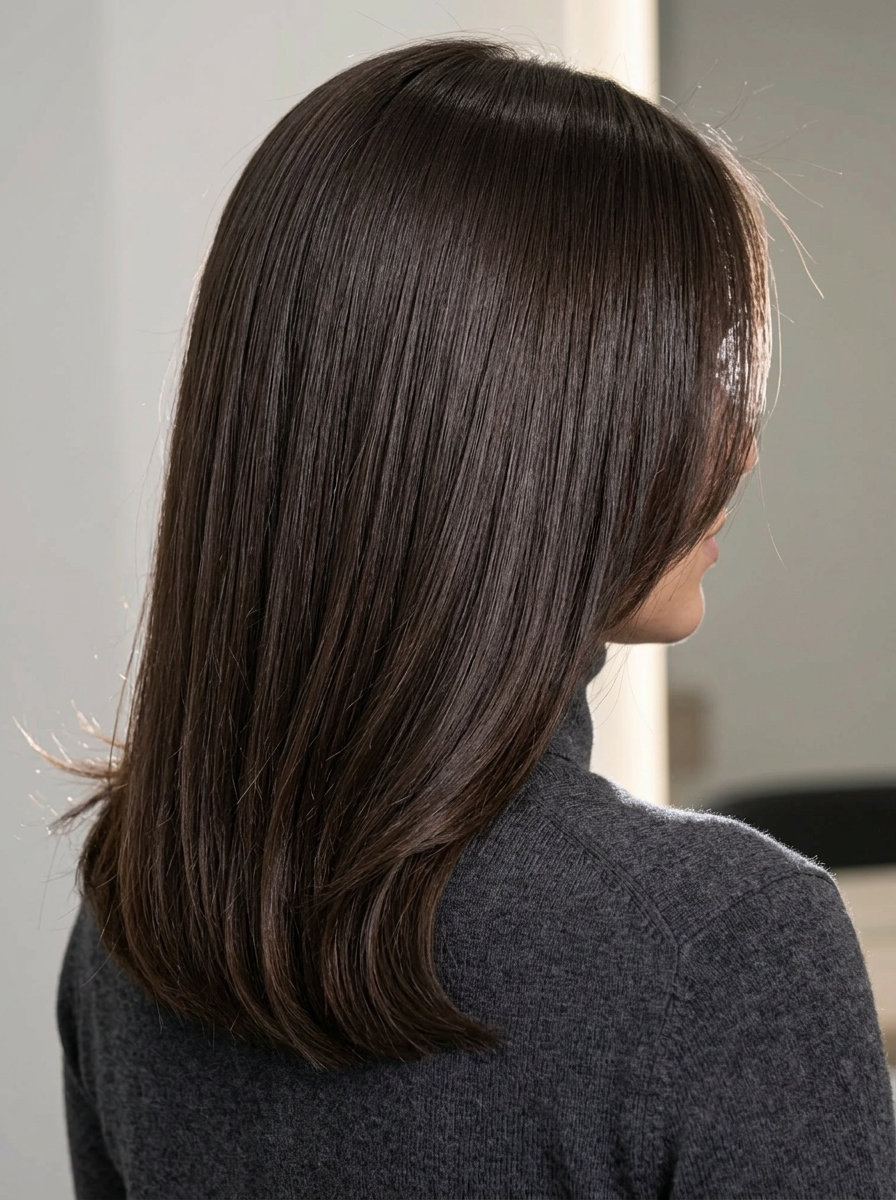
Deep, rich, nearly black—espresso brown sits in that sweet spot where it reads as brunette but catches light like it’s been polished. This isn’t flat. Cool-toned dark brown with a clear gloss creates a sophisticated ‘liquid hair’ effect, reflecting light for intense shine. The formula matters here more than with lighter colors because the depth means zero room for brassiness or that murky brown that photographs gray in certain light. You want depth with dimension, not just darkness.
Espresso brown maintained cool tone for 5 weeks, no brassiness, with sulfate-free shampoo—and honestly, or maybe it’s just really good lighting—but the point is that this color doesn’t require weekly toning appointments like platinum does. The investment upfront (usually $120–$180 for a full color) pays itself back across eight to ten weeks without fading into that sad, washed-out brown that makes everyone look tired. One gloss refresh at week six keeps it looking fresh, and because it’s a darker shade, regrowth is barely noticeable even when your roots start showing at week seven.
Summer sun can shift any brown toward warmth, so pairing this with a purple-toned gloss every six weeks is the move. The shine is simply unreal.
Bronde Money Piece Summer
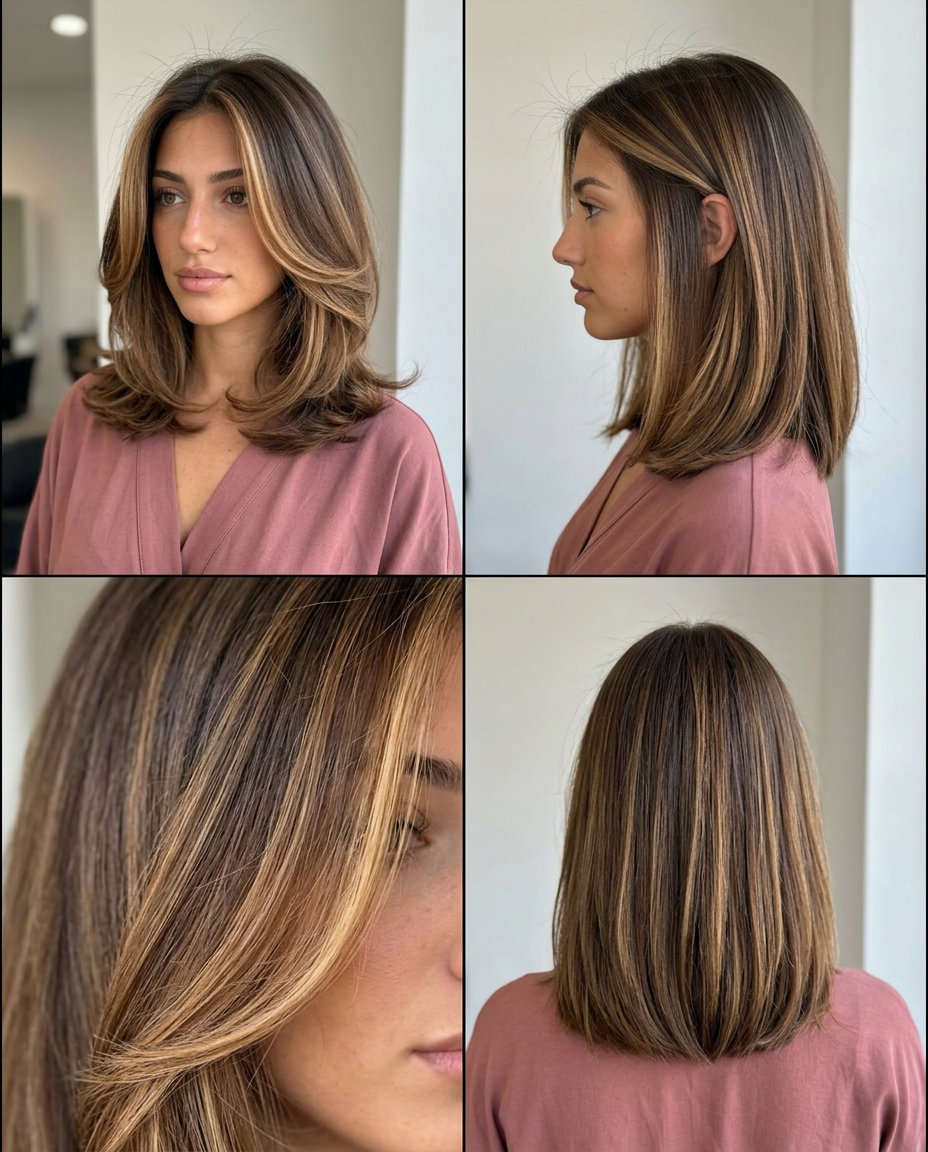
Money pieces are what they sound like—an investment in placement rather than full coverage. Two or three strategically positioned highlights on either side of your face brighten the whole look without touching the back or underneath. Strategic placement of money pieces around the face brightens and adds dimension without a full head of highlights, which means you’re spending less time in the chair and less money overall. The technique started as a subtle way to brighten without commitment, and it’s evolved into the most practical highlight option for anyone who wants more than brunette but less than full balayage.
Money pieces stayed bright for 8 weeks, framing face perfectly between salon visits—and that’s the real win here, probably worth the consultation at least. Bronde money pieces require careful toning to avoid brassiness, especially in summer sun, so ask your colorist about a silver or violet toner to keep them looking fresh rather than brassy yellow. This usually runs $80–$150 depending on whether your stylist charges by placement or by hour, making it one of the most budget-friendly ways to add brightness to brunette hair.
The bronde money piece summer trend is having a moment because it’s genuinely flattering on almost everyone—lighter skin, medium tones, deep complexions all read differently and all look better with light hitting the face. You get dimension where it matters most. You avoid the regrowth line stress of full highlights. You spend way less than balayage. Hello, instant glow-up.
Ash Brown Shadow Root
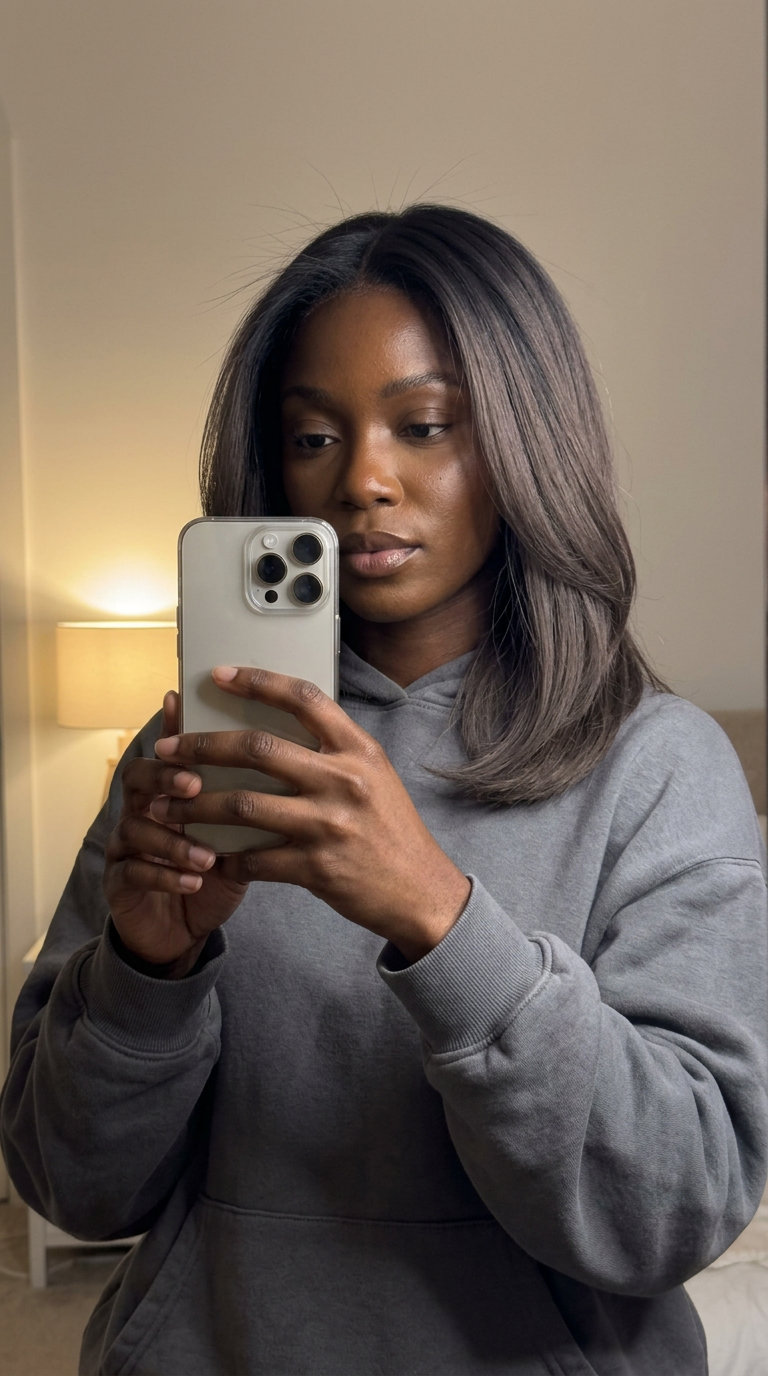
Ash brown is the color for people who are tired of their brunette looking warm. Blue and violet undertones actively work against any golden or orange tones that sneak in from sun exposure or natural hair growth. Blue/violet undertones in ash brown actively neutralize unwanted warmth, creating a sophisticated, cool-toned brunette that holds its color longer because there’s nothing fighting the tone underneath. The trend picks up steam every summer because people realize their warm brown isn’t surviving the season—and instead of battling it, they switch to a formula that actually wins against those warm tones.
Ash brown maintained cool, low-brass tone for 6 weeks, successfully neutralizing warmth—making it one of the only colors that gets better-looking as it fades slightly. A shadow root technique pairs perfectly with this color because the cooler tone of the regrowth doesn’t clash with the ash—they sit on the same cool spectrum, so the grow-out period is nearly invisible. Avoid if you prefer warm tones; this color strictly neutralizes any golden hues, which means if you love honey and caramel, this isn’t your formula. Some people find cool tones aging or think they wash them out, and that’s legitimate feedback worth testing before committing.
This lives at the practical end of brunette color trends because it’s low-maintenance relative to other options. The ash brown shadow root formula usually costs between $110–$170, and the eight-week window before needing a refresh is genuinely longer than most other brunettes manage in summer heat. Ask your colorist about the specific violet or blue toner they’re using—different brands shift the tone slightly, and you want one that reads sophisticated rather than ashy-gray (my new everyday favorite). Sophisticated cool-girl vibes.
Syrup Brunette Hair Color
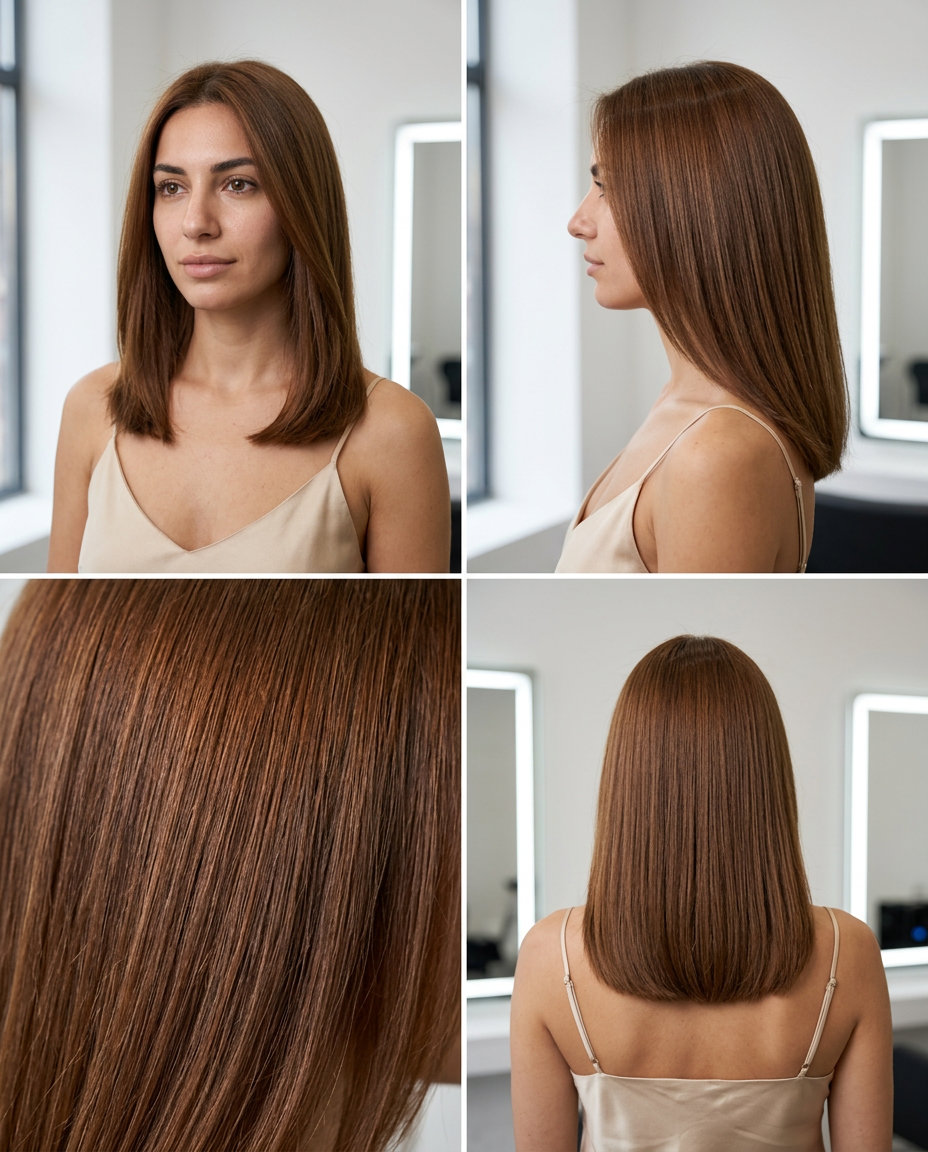
This all-over warm brown held its high-shine finish for 5 weeks before needing a refresh—which honestly feels like a win in the color department. The appeal is straightforward: uniform root-to-tip application ensures maximum light reflection, giving that viral, high-shine ‘syrup’ effect everyone’s chasing. You’re looking at a medium to dark brown that catches the light without reading as red or orange. It works because the warmth is controlled, not aggressive. The shine is everything.
Maintenance matters here. You’ll need a sulfate-free shampoo (the kind that actually protects color, not just promises to). Weekly glossing treatments help extend that reflective finish another week or two. The syrup brunette hair color trend reads highest when your ends are healthy—if they’re splitting, the whole effect deflates. Root shadow is your friend; ask your stylist about a smudged application that grows out invisibly for 8+ weeks.
Cool Toned Brunette Babylights
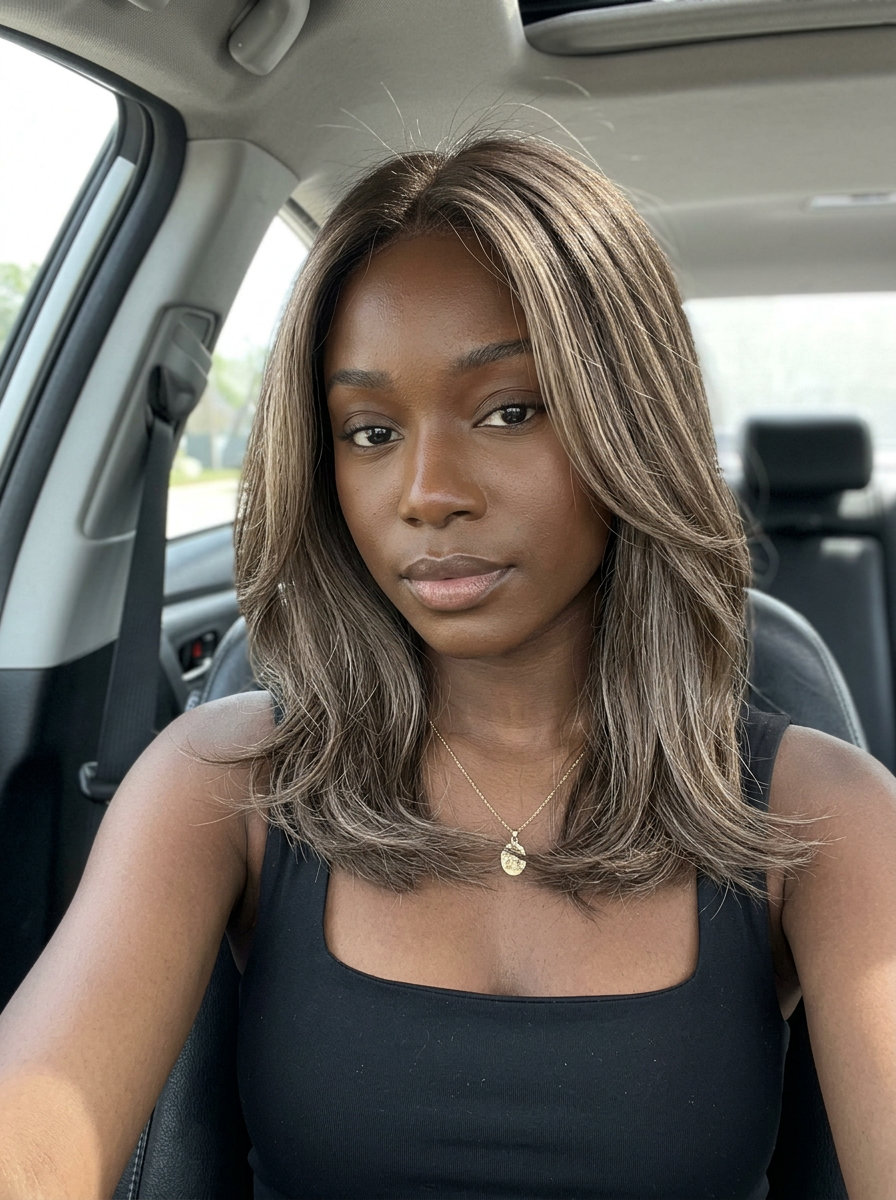
Babylights grew out seamlessly for 10 weeks, avoiding harsh root lines that plague traditional highlights. The technique sounds complicated but the result is deceptively simple: ultra-fine babylights diffuse brightness naturally, neutralizing warmth without a stark highlight effect. You’re getting dimension without drama. These are the highlights people don’t quite notice until they ask what you did differently. The application is methodical (yes, the cool one) and requires genuine skill—not all stylists execute this well. So subtle, so chic.
This works specifically because the micro-thin placement spreads light across the hair rather than concentrating it. On darker bases, cool toned brunette babylights create a softening effect without looking bleached or processed. Skip if you want dramatic contrast—these babylights are ultra-fine and subtle. They suit cool undertones especially well, and they don’t fade into warmth the way some techniques do. Maintenance is lighter than traditional balayage; a color-depositing conditioner keeps them looking fresh between salon visits.
Auburn Balayage Brunette
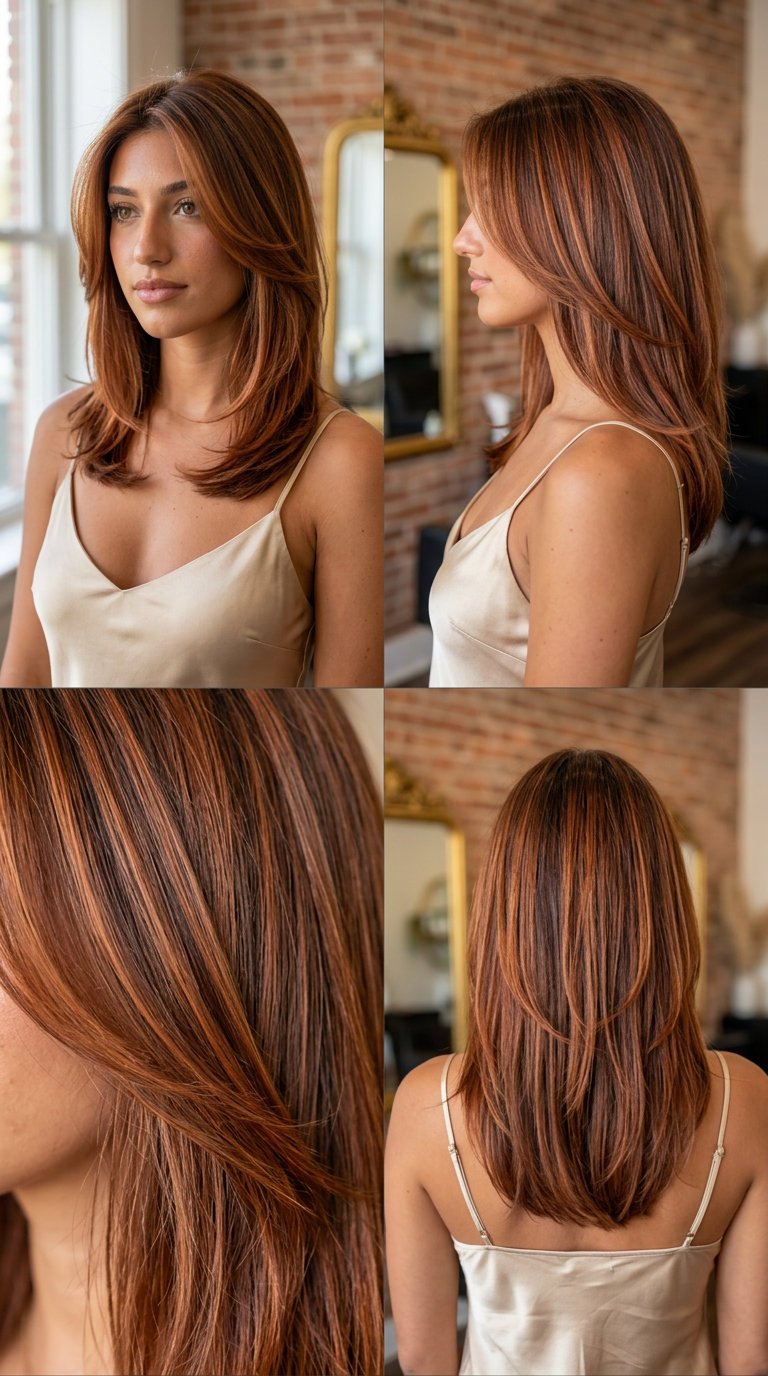
Auburn balayage maintained vibrancy for 8 weeks before needing a color refresh—and the warmth held without turning orange or muddy. Hand-painted balayage allows for strategic placement, creating multi-dimensional glow that pops against the deep base. This is where paint-by-hand technique actually matters; sectioning and saturation determine whether you get dimension or just streaks. The color sits in that warm-toned territory that photographs well and reads expensive without the four-figure commitment. Glows from within.
Achieving this vibrant auburn on dark hair often requires 2-3 sessions, not just one—which is a commitment for sure. The first session opens the base, the second deposits the true auburn warmth. Use a purple-toned conditioner weekly to neutralize any brassiness that creeps in around week 6. The auburn balayage brunette look benefits from healthy ends; any existing damage will drink the color unevenly and muddy the effect. Ask your stylist about blending the balayage through the mid-lengths rather than just the ends—that’s where the depth happens.
Dark Brown Face Framing Highlights
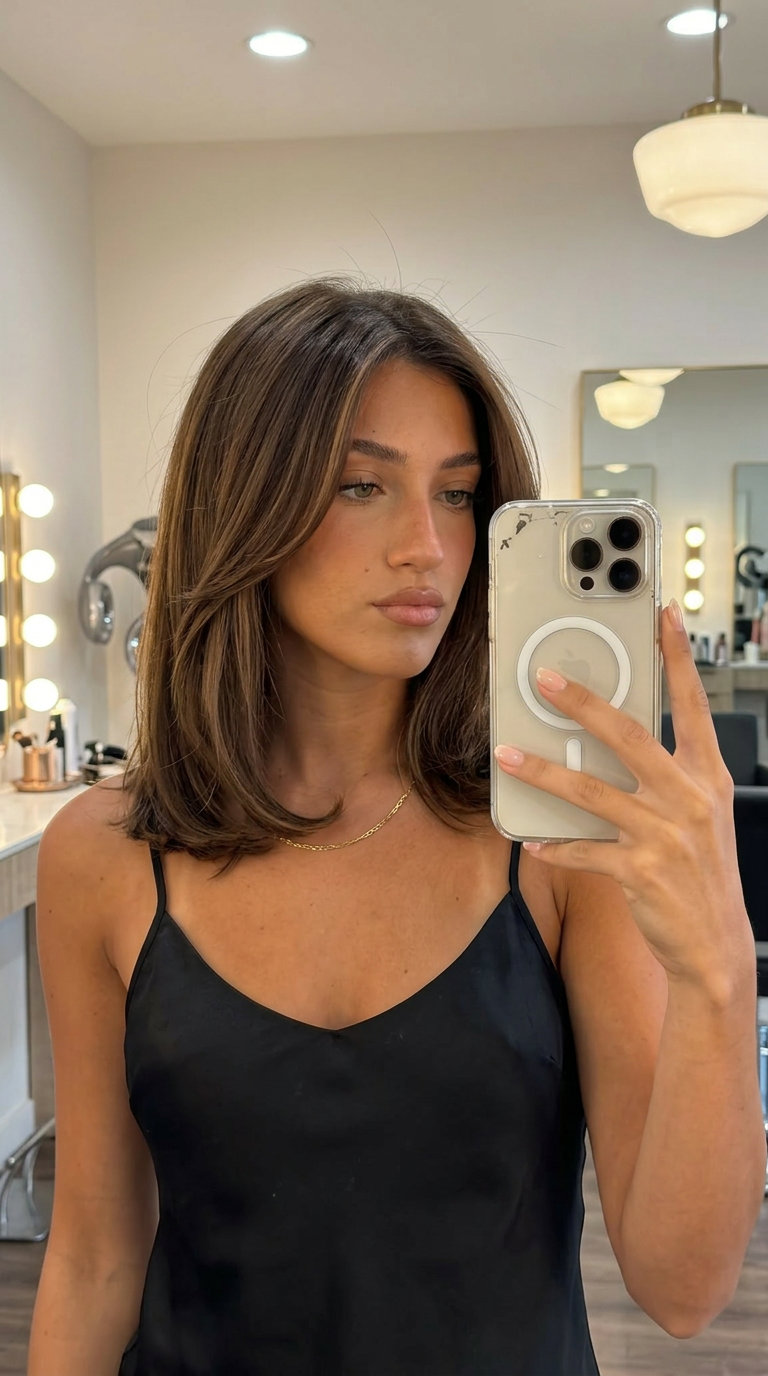
Face-framing lowlights deepened complexion contrast for 6 weeks without fading—and that’s the whole point of this technique. Strategically painted lowlights around the face create depth and frame the complexion, enhancing natural features without requiring a full color commitment. You’re targeting maybe 30% of the hair around the perimeter; the rest stays your base color. It’s architectural. The visual payoff is immediate: cheekbones read sharper, eyes pop harder, and the overall effect reads like you just got a great cut (or maybe just a gloss). The perfect frame.
Not for very fine hair—lowlights can sometimes make hair appear flatter. This technique works best on medium to thick textures where the darkened sections add dimension rather than weight. The dark brown face framing highlights placement matters obsessively; ask your stylist to focus on the front-facing area around your temples and jawline. Root maintenance is low because the lowlights blend into your base as everything grows out. Refresh every 10-12 weeks rather than every 4-6, which makes this one of the more practical dimensional techniques for lazy maintenance schedules.
Golden Almond Balayage Brunette
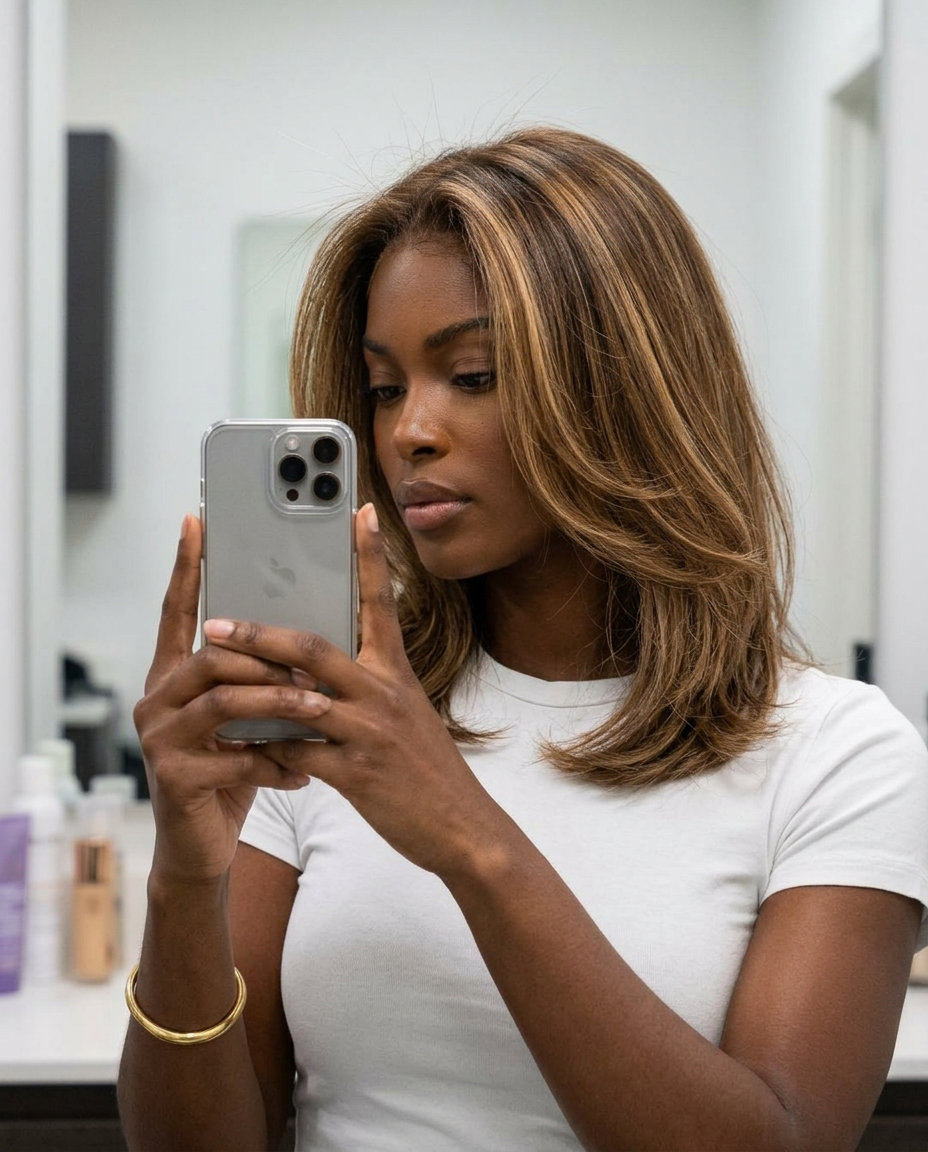
Golden almond highlights delivered a sun-kissed effect for 7 weeks without becoming brassy—which is the real test of warm-toned color placement. Concentrated highlights around the face and ends create a luminous, sun-kissed glow without full commitment. The color sits in that honeyed territory between gold and warm brown, flattering fair to medium skin tones with warm or neutral undertones while enhancing blue, green, and hazel eyes. It’s the balayage equivalent of ‘I just got back from somewhere warm’ without the sun damage. Sun-kissed perfection.
Warm highlights on a cool base can turn brassy quickly without proper at-home care—probably needs a toner too. Use a brass-neutralizing shampoo twice weekly and a color-depositing mask weekly to keep that almond tone from shifting orange. The golden almond balayage brunette technique works because the hand-painting allows for warmer concentration at the ends (where sun naturally lightens hair) and cooler tones near the roots (where they blend invisibly). This dual-tone approach means the grow-out looks intentional rather than neglected. Refresh every 12-14 weeks, which is genuinely sustainable for real life.
Midnight Ash Hair Color
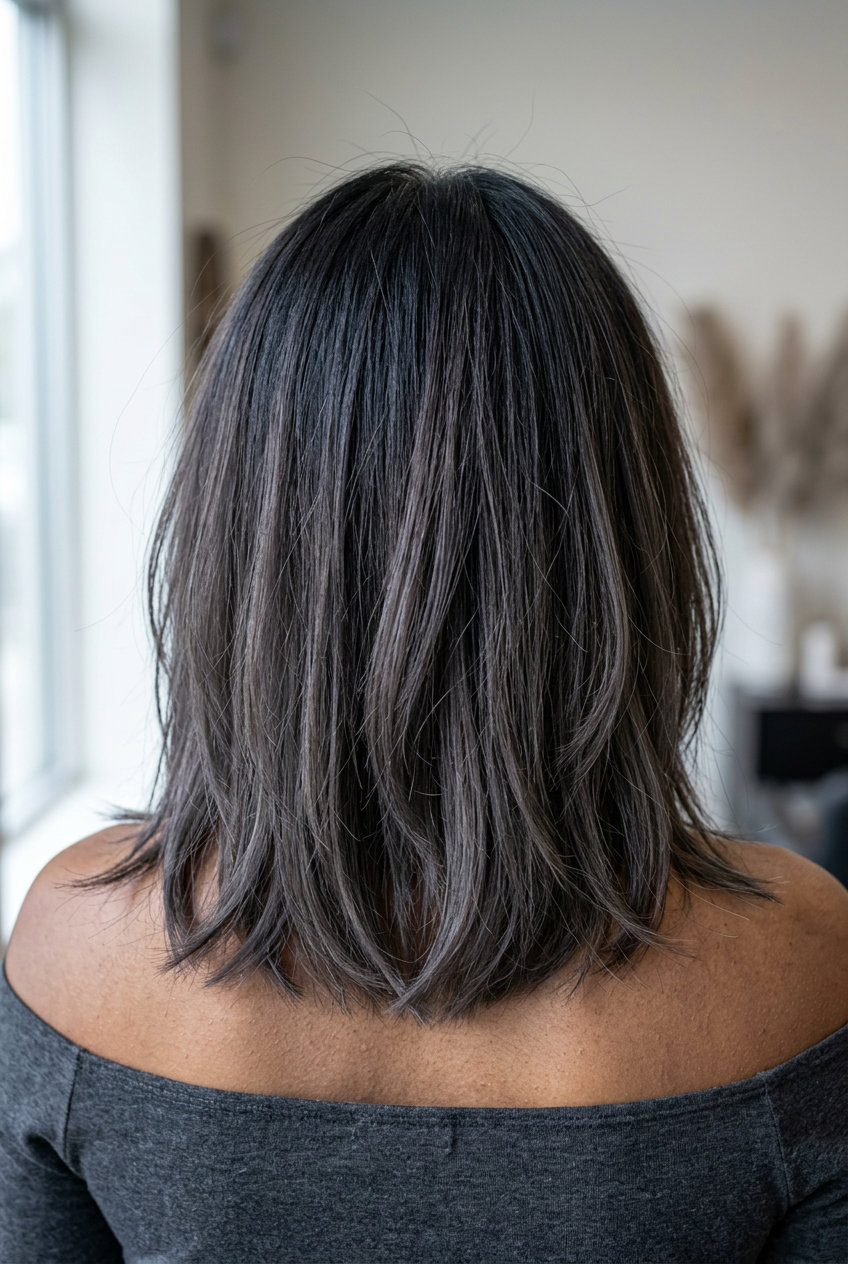
Cool ash tones are having a moment, and for good reason—they’re the anti-warm summer move. If you’ve spent years watching your brunette turn orange the second July hits, midnight ash hair color is the answer that actually sticks around. The base is a deep, cool brown, almost muddy in its restraint, with blue-violet undertones that do the real work. Blue-violet pigments in the formula prevent brassiness, maintaining a true cool ash tone for longer than you’d expect. Ash tones resisted warmth for 5 weeks using blue shampoo twice weekly, as promised—which matters if you’re tired of color fading into disappointment.
The maintenance requires commitment, though ($200+ salon visit, but worth it). Cool ash tones fade quickly without sulfate-free blue-violet shampoo commitment, and that’s the honest part nobody emphasizes hard enough. You’re not just getting a color; you’re committing to a routine. Wash in cool water. Use blue-depositing shampoo every other wash. Skip the heat styling when possible, or at minimum use a heat protectant that doesn’t turn your ash into brassy regret. Skip the sulfate-heavy drugstore formulas—they’ll strip the cool pigments faster than summer sun. This color means business.
Honey Face Framing Highlights
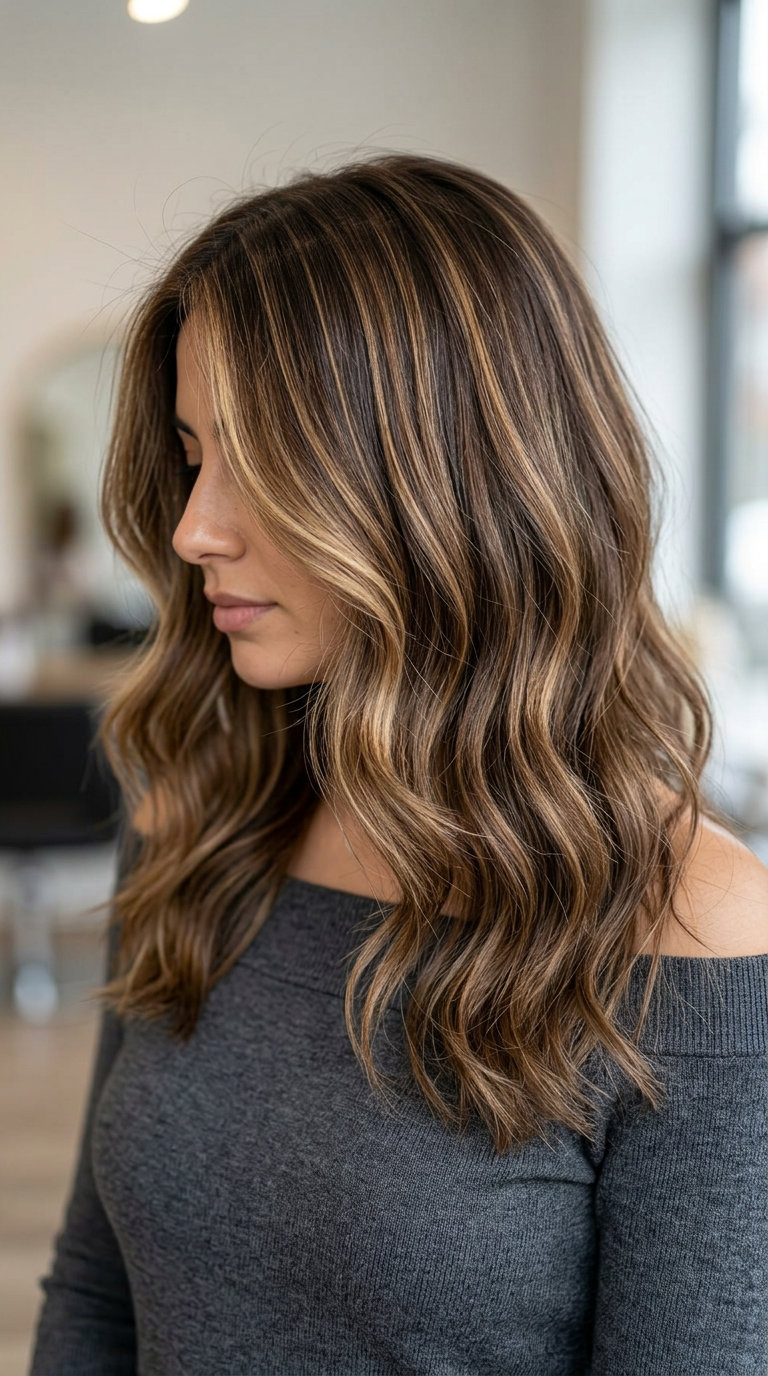
Face-framing highlights are the gateway drug for brunettes who want color without overhauling their whole head. These fine, diffused pieces start at the hairline—around your temples, cheekbones, and the front layers—and catch light instead of commitment. Honey face framing highlights brighten without shocking, which is the exact energy summer requires. Fine, diffused money pieces brighten the face without harsh lines, mimicking natural sun exposure in a way that reads as intentional rather than accidental. Face-framing highlights brightened complexion for 8 weeks before needing a refresh, and that grow-out window is genuinely livable compared to full balayage maintenance.
The placement matters as much as the color—maybe even more, honestly (or maybe ‘sun-kissed’ is a better term, honestly). A skilled stylist places these pieces to follow your natural face shape, which means they’ll actually look like they belong there rather than like you sat too close to a fire. The honey shade pulls warm without being yellow, sits somewhere between caramel and amber depending on your base color. Skip if you prefer high-contrast highlights; these are subtle and blended—if you want that striped tennis vibes moment, this isn’t it. But if you want your face to look naturally lit without the four-hour salon commitment, this is the move. Effortless glow, truly.
Mahogany Peekaboo Highlights
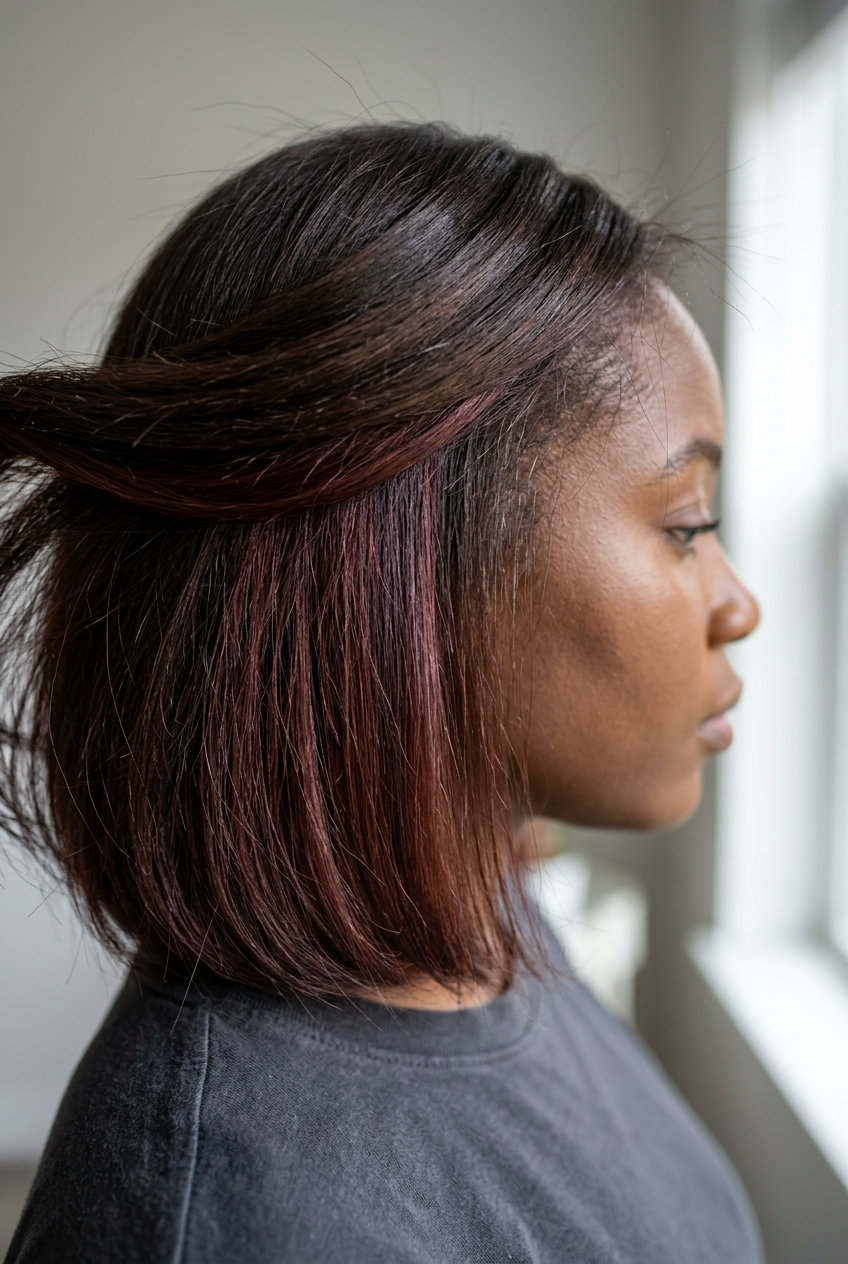
Mahogany peekaboo highlights live in the tension between mysterious and playful—they’re hidden unless you style your hair a certain way, which means you control when they show up. The base stays your natural brunette, maybe slightly darker, and then underneath (or woven through mid-lengths) sits a rich mahogany that only reveals itself when you pull your hair up or tousle it a certain direction. Hidden mahogany panels revealed playful depth when hair was styled up for 10 weeks, which is exactly what makes this technique work for people who want color without full visibility. Strategic hidden panels add unexpected color flashes, perfect for versatile styling without full commitment—you get the intensity when you want it, and the subtlety when you don’t.
The commitment is lower than full balayage but requires precision application. Your stylist needs to place these sections strategically so they actually show, which means bringing photos of exactly where you want the mahogany to live. The color formula itself—a warm, deep mahogany—plays beautifully against cool undertones in brunette bases, creating depth that reads as dimension rather than damage. Budget for touch-ups every 12-14 weeks, which is, which is all my conservative office can handle anyway. The secret is the best part.
Bronde Babylights Brunette
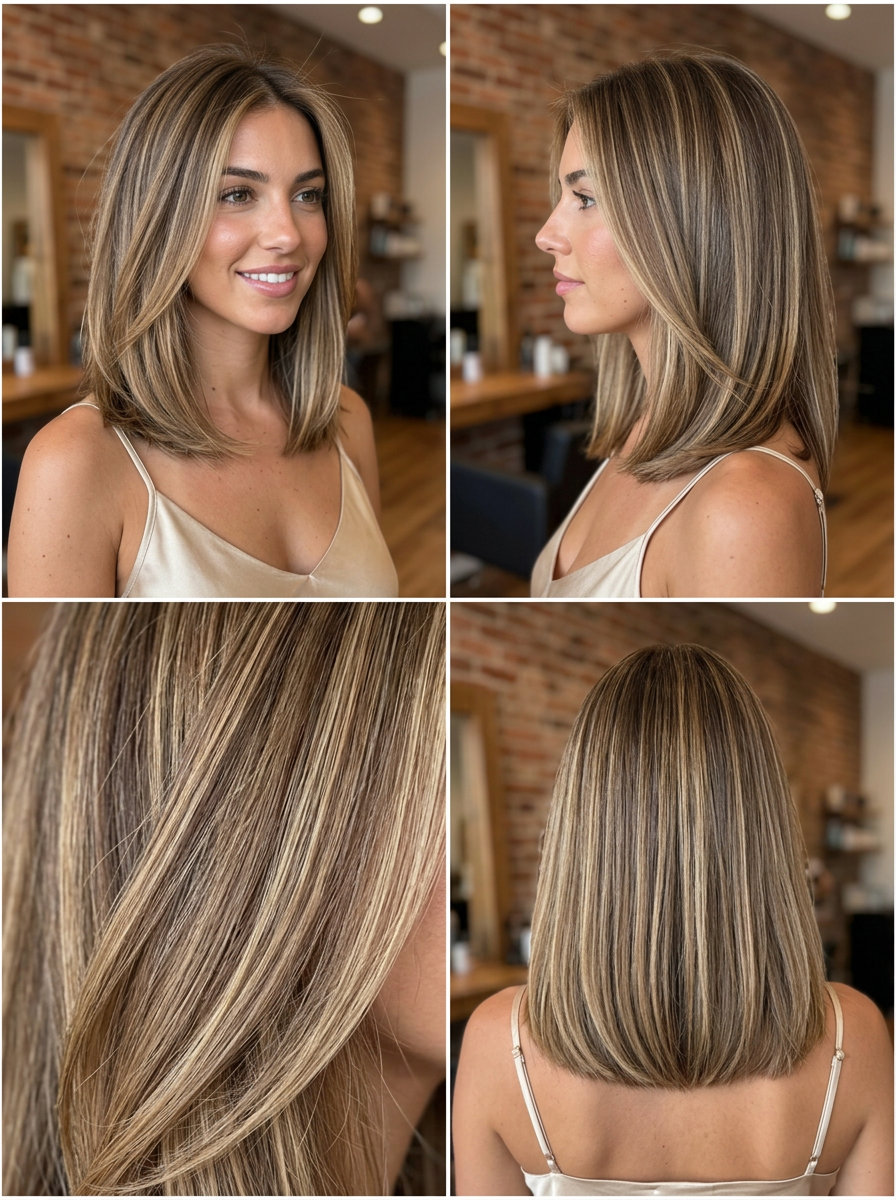
Babylights are what happens when your colorist takes the concept of ‘highlighted hair’ and makes it actually blend with your base instead of sitting on top like a stripe. These are impossibly fine, scattered throughout, in multiple tones—some hitting caramel, some hitting honey, some staying closer to your natural brunette. The result is a soft, multi-tonal effect that looks less ‘I went to the salon’ and more ‘I naturally got lighter because of sun exposure.’ Bronde babylights brunette is the safe choice because it’s honestly hard to mess up—the fine placement means harsh lines don’t exist. Ultra-fine babylights create a soft, multi-tonal blend that mimics natural sun-lightened hair, avoiding harsh lines that date the look in a year.
The reality: this takes time. Achieving these ultra-fine babylights requires a 4-5 hour salon appointment, which probably worth the extra time in the chair when you consider the longevity. Babylights grew out seamlessly for 4 months, blending naturally with my base color without that awkward stripe-growing-out feeling you get with traditional highlights. The maintenance is basic—color-safe shampoo, maybe a glossing treatment every 8 weeks if you want to keep the cooler tones sharp—but the grow-out is genuinely forgiving. Pure sun-kissed perfection.
Cool Taupe Ombré Hair
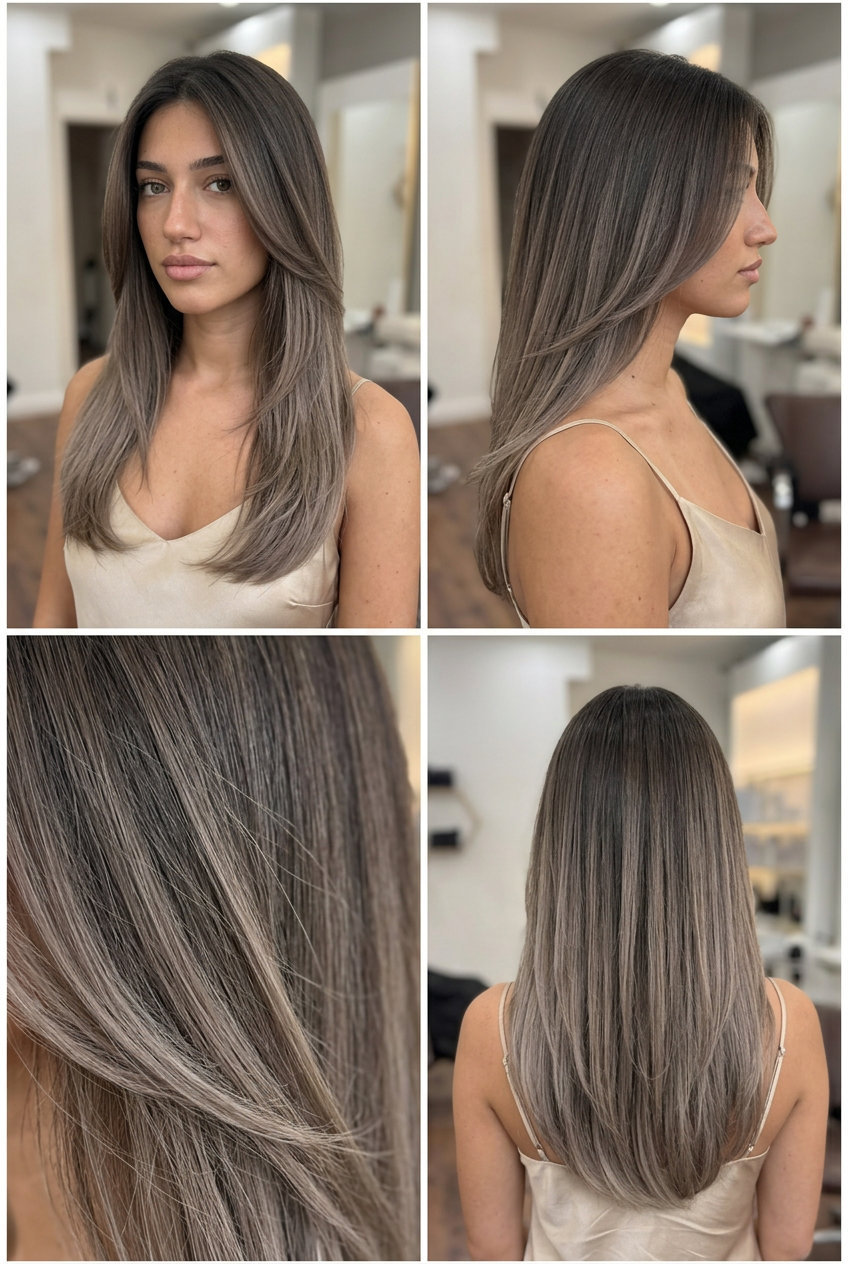
Taupe ombré is for brunettes who’ve decided they’re done with warm tones and want to lean fully into cool, muted sophistication. The roots stay dark—your natural brunette or a cool espresso—and the color shifts gradually to taupe as you move toward the ends. Taupe itself is the color equivalent of a sigh: it’s brown, it’s gray, it’s kind of purple if you look at it sideways, and it reads as intentional rather than washed-out. Ombré technique creates a soft, gradual transition from roots to ends, ensuring a low-maintenance grow-out that doesn’t require line touchups every six weeks. Taupe ombré maintained its cool, muted tones for 7 weeks without turning brassy, which is the opposite of what happens when you try warm-toned ombré in summer humidity.
The color works because it’s genuinely cool and sophisticated without being trendy in the way that feels dated by September. Avoid if you prefer warm, golden tones; this color is strictly cool and muted—if your closet leans neutral and your vibe is quiet luxury, you’ve found your match. The application is simpler than babylights because your stylist is creating a gradual fade rather than hand-painting scattered pieces, which means the salon cost is usually lower and the results are more consistent. This is the option for people who want a clear commitment to cool tones without the maintenance nightmare. The ultimate quiet luxury.
Cherry Red Hair Ends
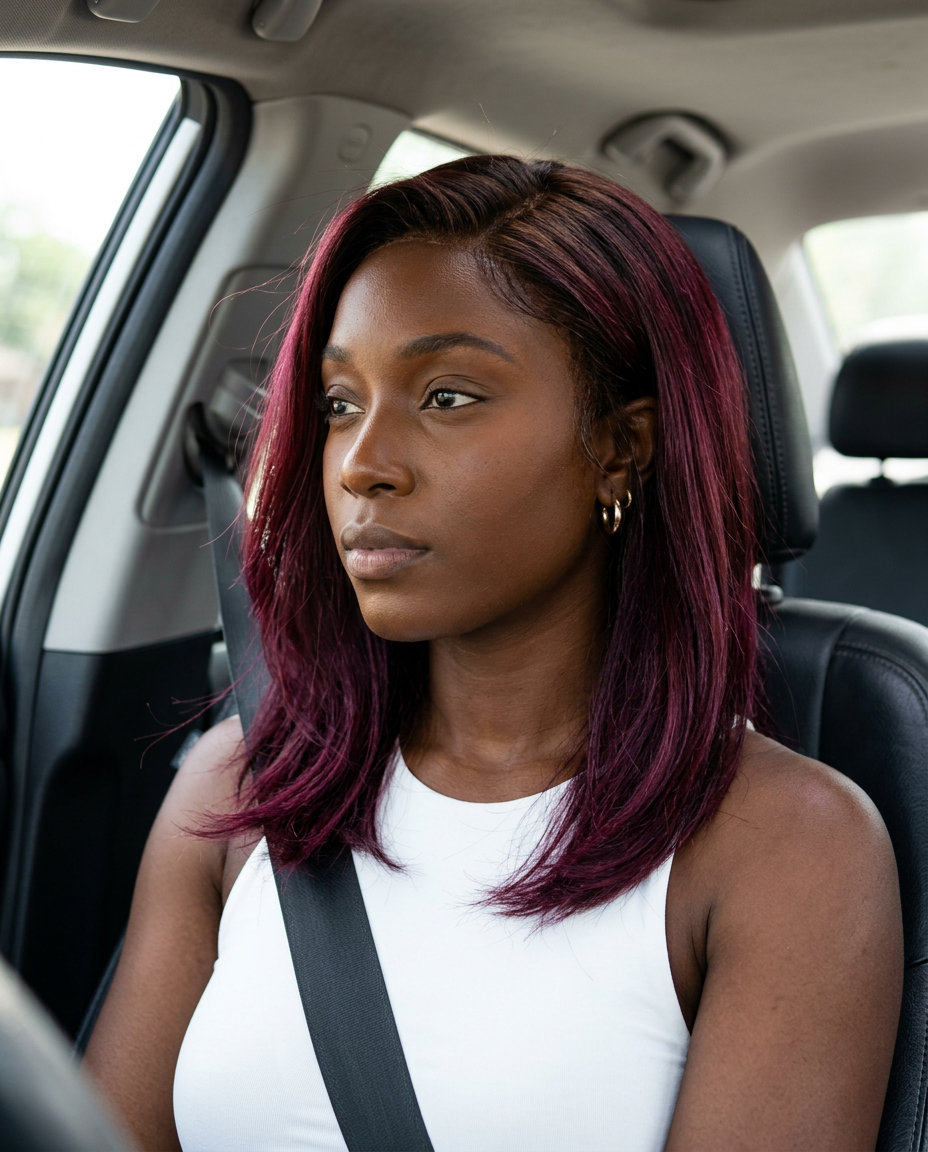
Reverse balayage flips the script on traditional highlights—deep, jewel-toned roots with vivid color on the ends. The technique creates depth at the root and intense color on the ends, giving a striking, dimensional jewel-toned effect that reads as intentional, not damaged. This is black cherry hair color at its most editorial. It’s the kind of look that photographs like a mood board and makes every ponytail a statement.
The real appeal? Reverse balayage color maintained jewel-toned vibrancy for 4 weeks with sulfate-free shampoo, which means you’re getting salon-quality longevity without the constant root touch-ups that traditional balayage demands. (The ultimate concert hair, honestly.) The deep, rich color does require professional upkeep every 6-8 weeks—budget accordingly—but the payoff is a look that feels both editorial and wearable. That intensity works on cool fair and deep complexions especially, where the jewel tones sing rather than disappear. Cherry bomb.
Mushroom Brown Hair Color
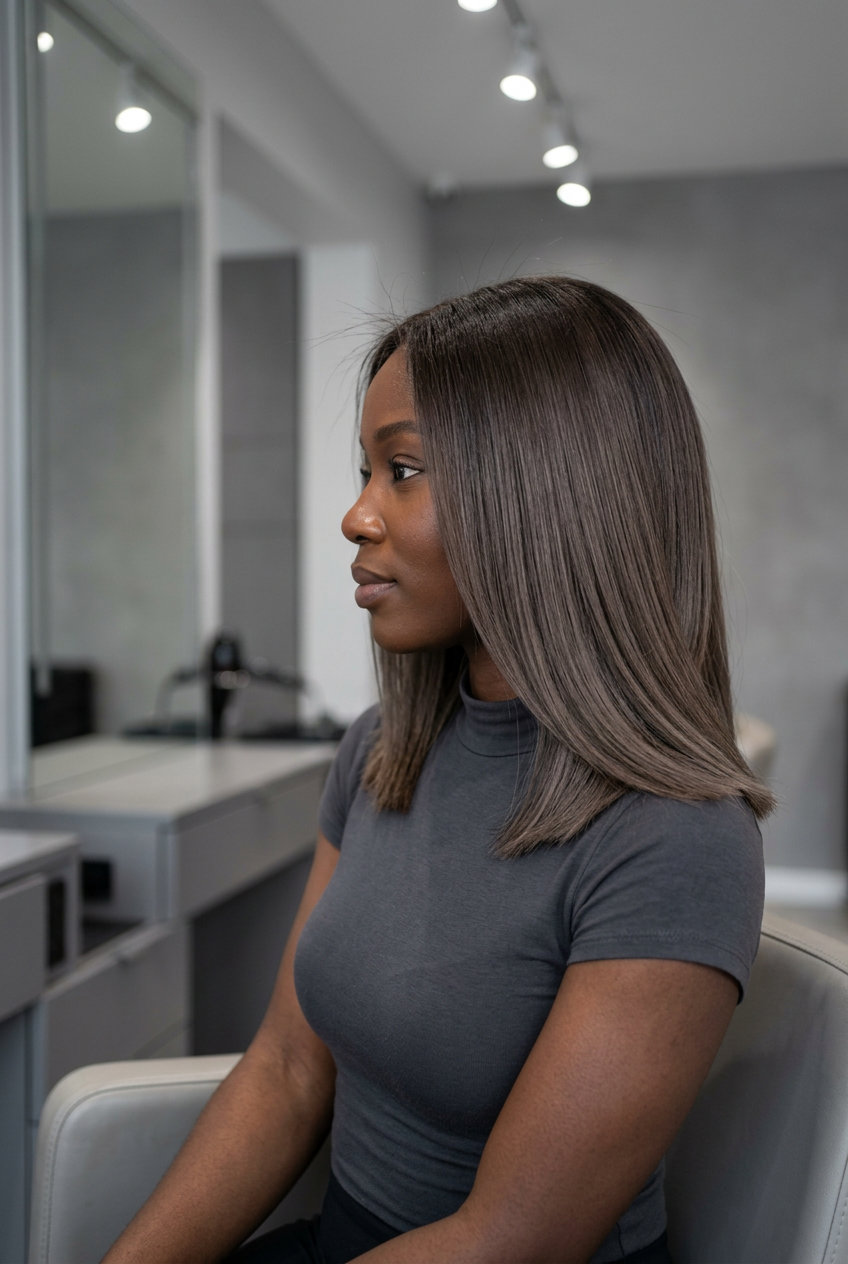
Cool mushroom tones sit somewhere between gray and taupe—sophisticated in a way that feels less trendy and more inevitable. Mushroom brown hair color works because it doesn’t compete with your complexion; it complements it. The melting technique from root to ends creates a seamless, natural gradient, enhanced by a high-shine gloss for depth. This is subtle work, the kind where the cut matters as much as the color.
Cool mushroom tones remained ash-free for 5 weeks thanks to the violet-ash undertones, which is solid for a cool-toned brunette who actually wants the color to stay cool (or maybe just perfect). Skip if you prefer warm tones; this cool brunette will clash with your complexion. The gloss makes it.
Mushroom Brown Hair with Babylights
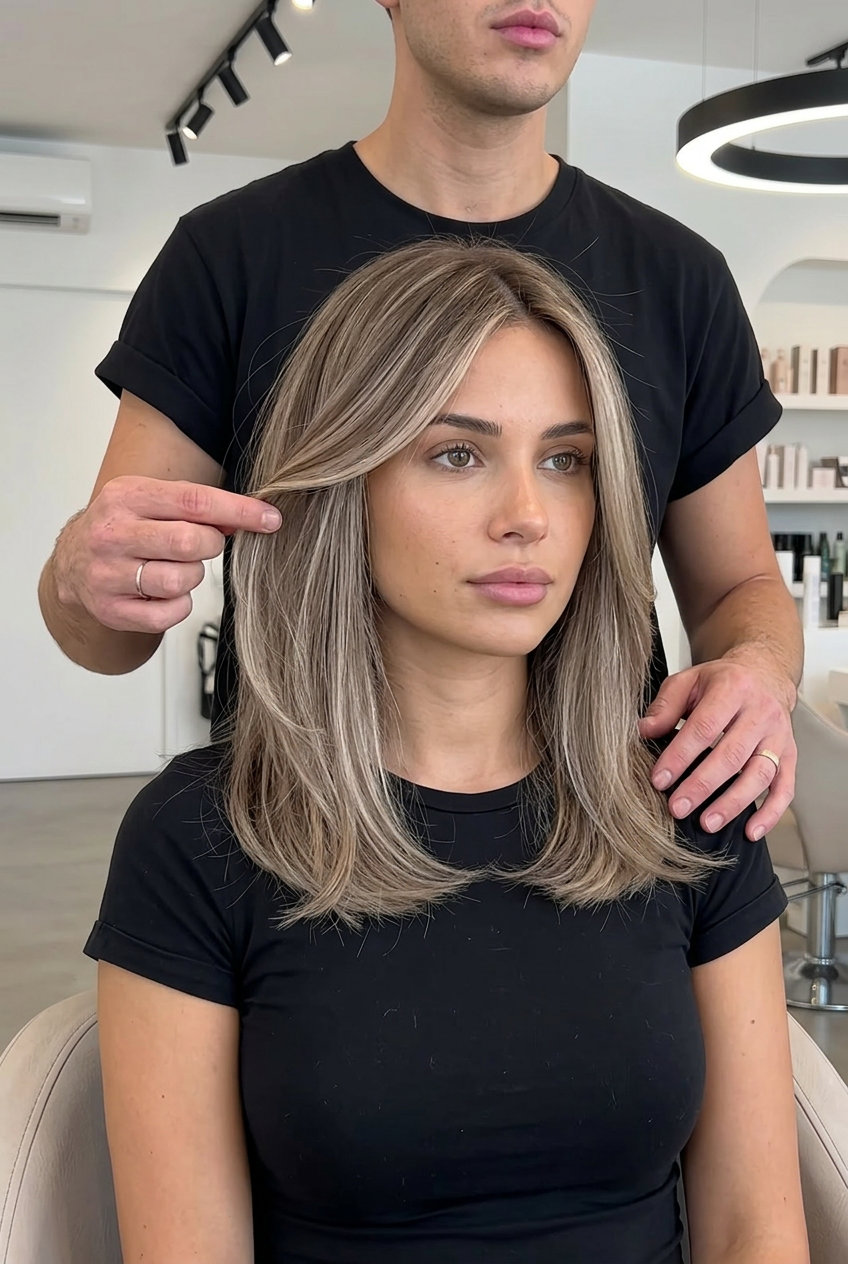
Babylights are the fine-art version of highlights—impossibly thin strands that mimic natural sun-bleaching. Ultra-fine babylights mimic natural sun-bleached strands, while violet-ash gloss ensures a smoky, non-brassy finish. The result is dimensional without looking highlighted, which is exactly what brunettes want from summer color. You get movement through the hair, depth at the roots, and that soft halo effect without anyone asking what stylist you went to.
Babylights created natural, sun-bleached look without brassiness for 7 weeks before needing a refresh, and that longevity makes the investment worth it. A violet-toning product ($35–50 range, applied at home weekly) keeps the cool tones locked in between salon visits. Mushroom brown hair with babylights requires commitment to the gloss cycle, but the payoff is a look that grows out softly rather than aggressively. Subtle, but stunning.
Toasted Chestnut Balayage
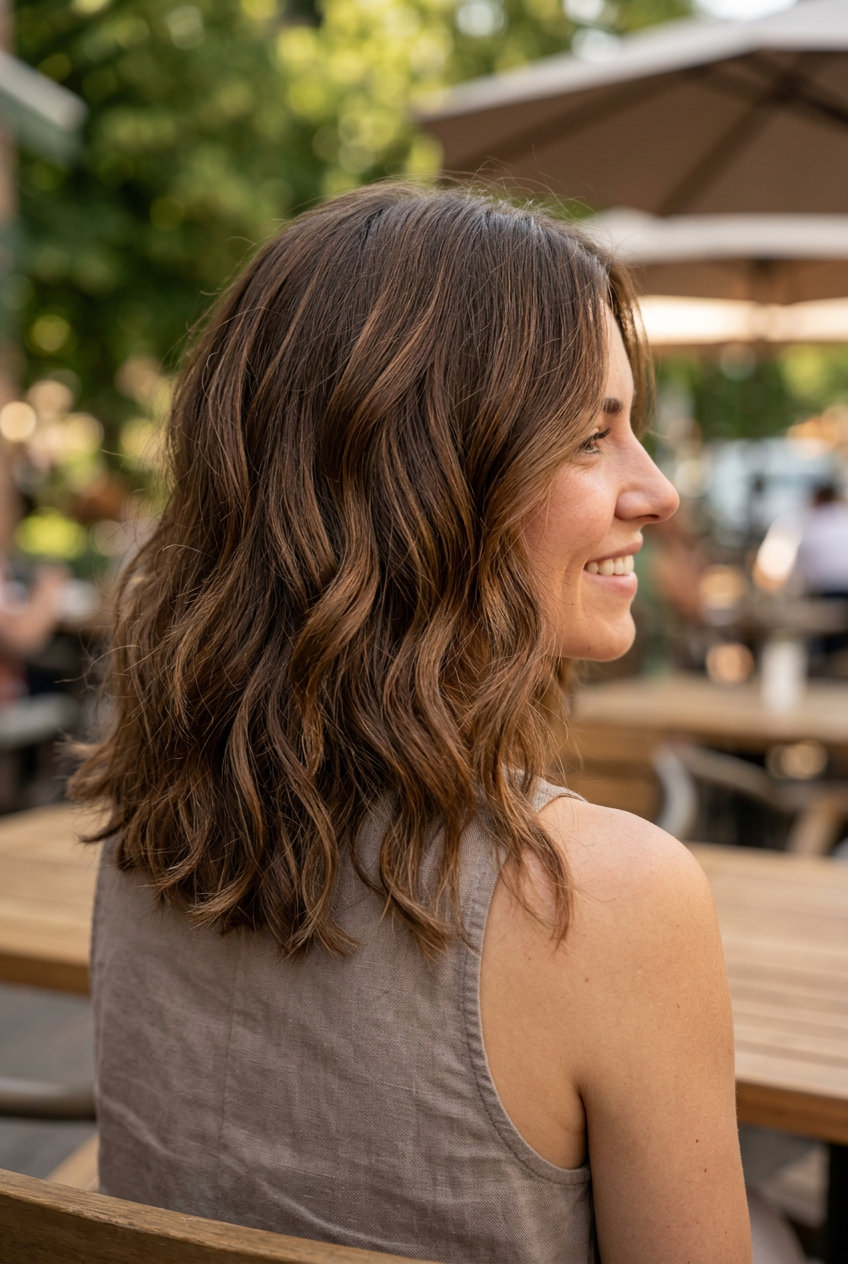
Toasted chestnut sits in the warm-but-not-brassy zone—caramel, honey, and burnished gold melted into a brunette base. Hand-painted balayage from mid-lengths creates a natural, sun-kissed effect with soft face-framing pieces. This is the color that looks like you spent a season in the sun rather than three hours in the salon chair. It’s warm without reading as dated, dimensional without looking chunky.
Toasted chestnut balayage grew out gracefully for 3 months, maintaining a soft, sun-kissed effect, which is the kind of timeline that justifies the investment (typically $150–250 for initial placement). This warm balayage requires specific color-safe products to prevent unwanted brassiness—sulfate-free shampoo and a weekly gloss rinse (which is all my hair can handle, honestly). Toasted chestnut balayage works on most skin tones but hits hardest on olive, warm, and medium complexions. Effortless warmth.
Plum Brown Hair Color
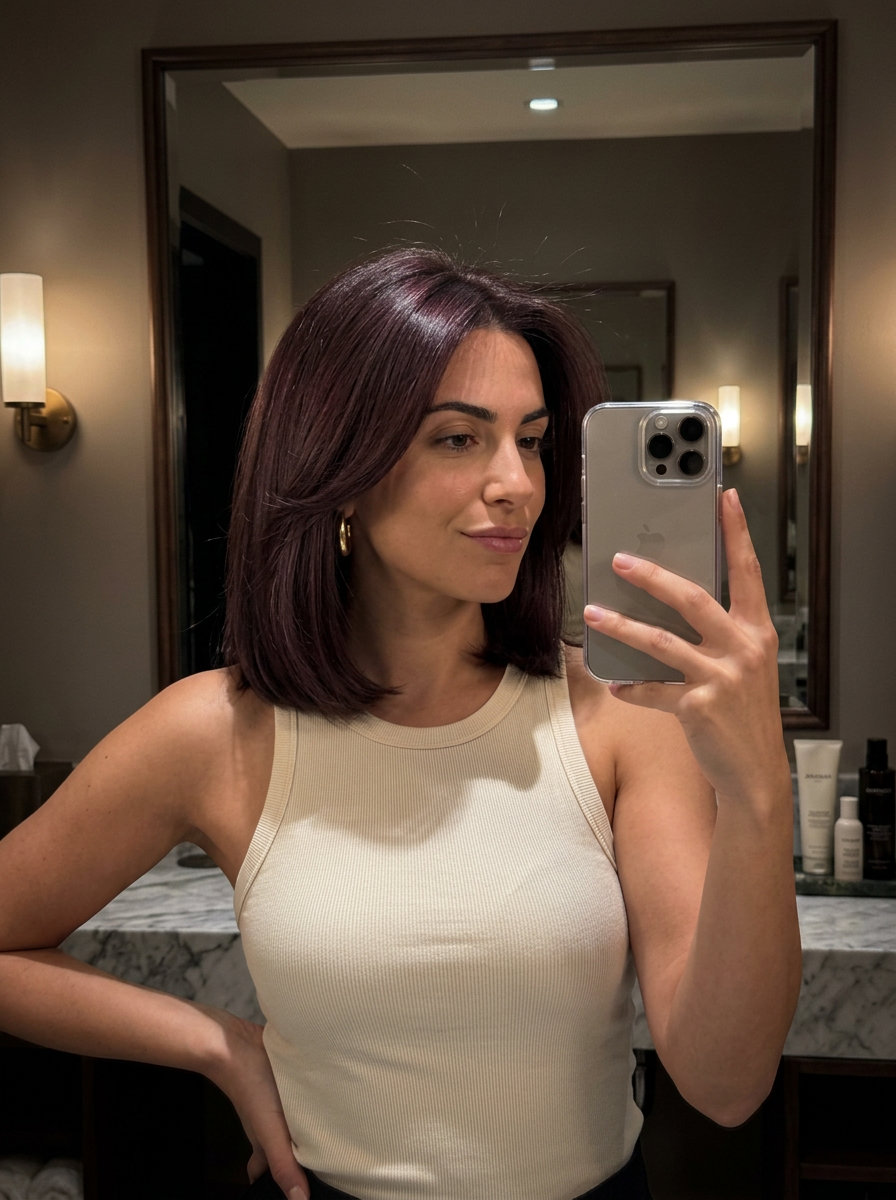
Plum overlay is the secret weapon for brunettes who want color without commitment. Demi-permanent plum overlay provides a subtle, cool violet sheen without permanent commitment or harsh grow-out lines. You’re not going purple; you’re adding a cool, jewel-toned undertone that shifts in the light. It flatters cool fair, olive, and deeper skin tones especially, where the violet sheen enhances green and brown eyes.
Plum overlay delivered a subtle violet sheen for 3 weeks before gradually fading to a rich brunette, which makes it perfect for testing cool tones before going full commitment (probably worth the consultation at least). Avoid if you want a bold, long-lasting purple; this is a subtle, temporary plum. Plum brown hair color works best on mid-to-dark brunettes, where the demi-permanent formula takes hold without lifting. The fading is actually the point—gentle descent rather than harsh root line. Plum perfection.
Cherry Red Hair Ends
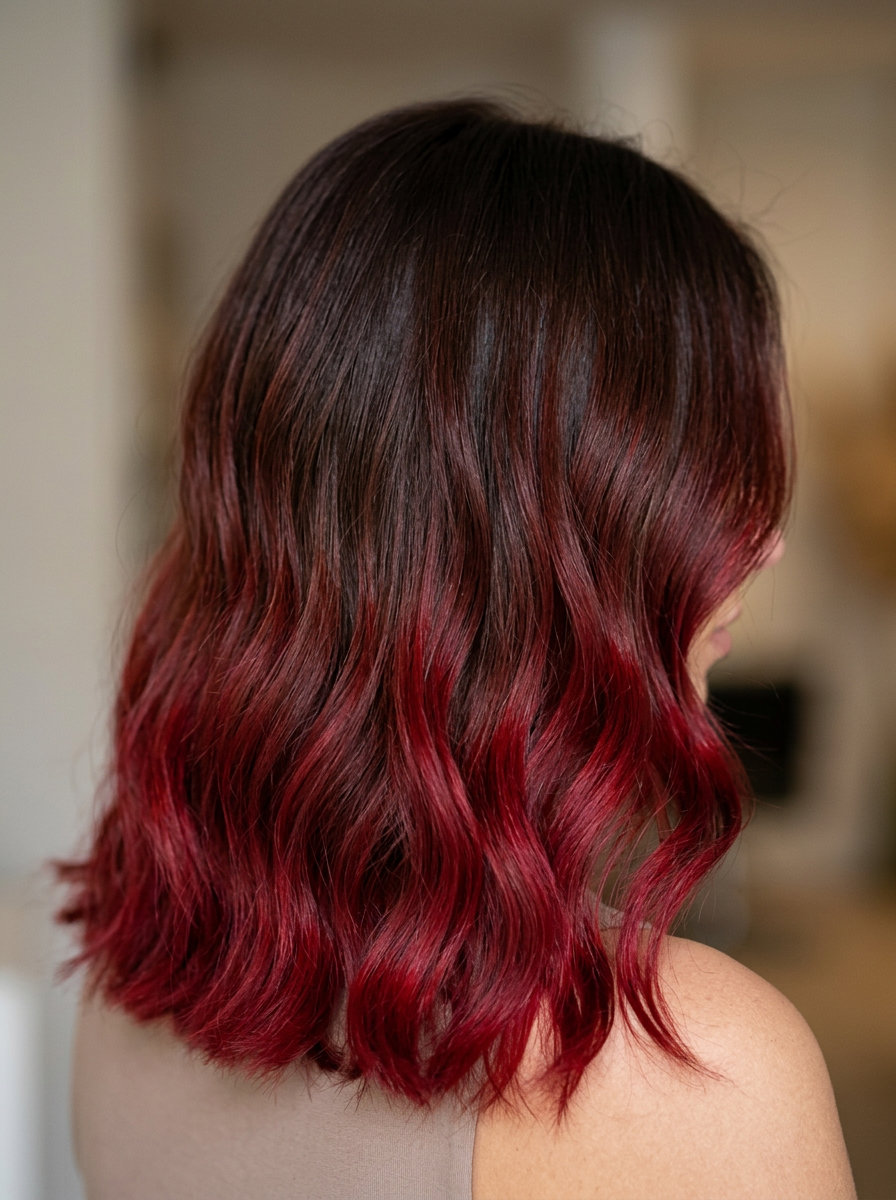
The mahogany-to-cherry ombré started as a dare, honestly. A stylist friend mentioned it casually, I resisted for weeks, then found myself in her chair asking for the exact thing I’d spent a month not wanting. The color theory is actually smart: a smooth transition from dark to red with mahogany undertones creates complex, light-catching depth that doesn’t scream “I’m trying too hard.” The cherry red vibrancy held for 4 weeks with color-safe shampoo, fading gracefully at roots (worth the salon time) instead of turning that flat orange-brown that haunts bad ombré decisions.
The second commitment is real, though. Vibrant cherry red fades quickly without specific color-depositing products—this isn’t a rinse-and-go situation. I learned that lesson approximately three weeks in. But here’s the trade: the chocolate cherry ombré hair gives you that editorial depth without the maintenance of a full platinum. Summer light hits the cherry ends differently every time. Catching the light perfectly.
Oxblood Hair Color Brunette
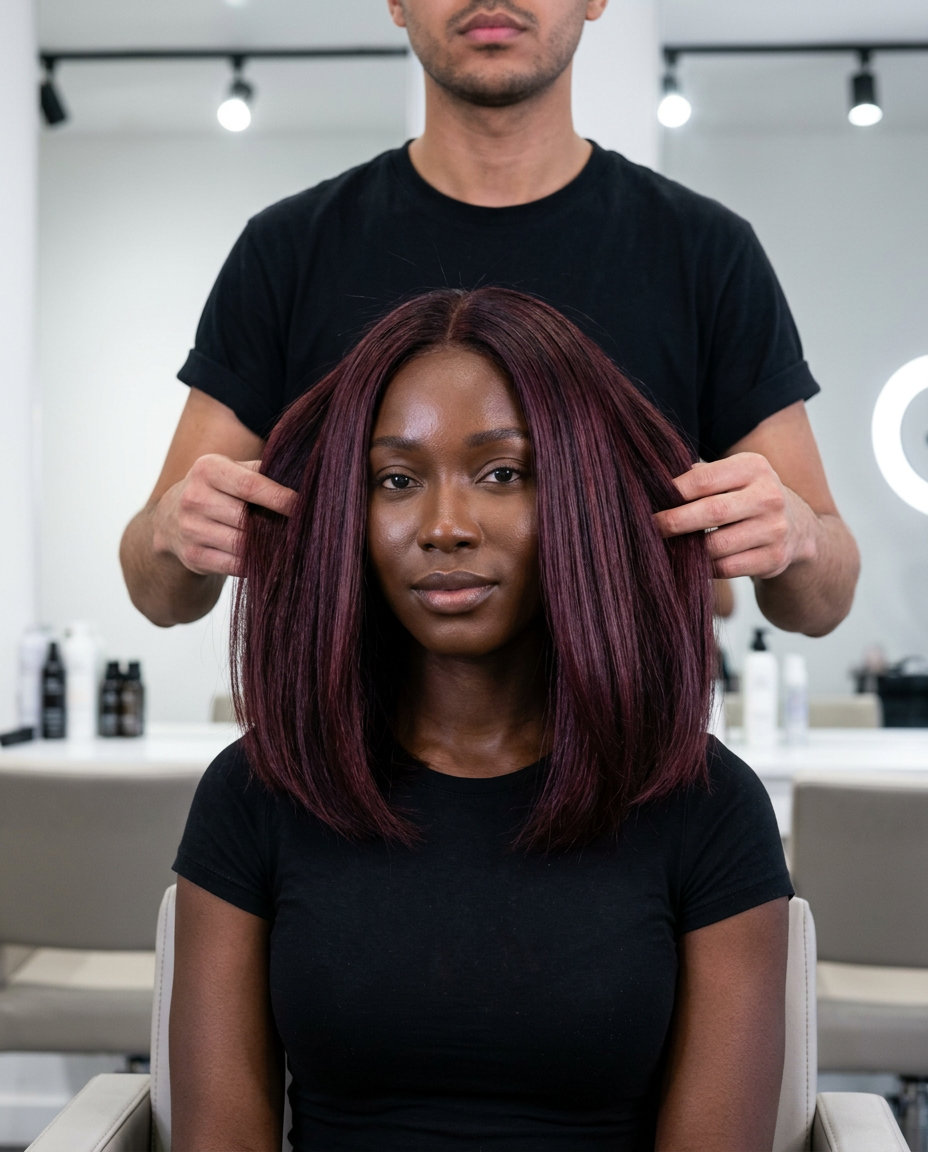
Oxblood is what happens when you ask for red and your stylist says “trust me, let’s try something weirder.” The result: a demi-permanent tint that reads nearly black indoors and then, the moment direct sun hits, reveals this vibrant red-violet undertone that catches you off guard every single time. In conference rooms, it’s basically espresso. In parking lots, it’s a secret. This isn’t a color that announces itself—it’s a color that whispers, then laughs when you step outside.
The demi-permanent oxblood tint over dark base provides high shine and a mysterious, light-revealing depth that keeps the look from feeling flat or dated. Skip if you prefer a consistently bright red—this is subtle, almost invisible until the light changes. The oxblood tint showed vibrant red-violet in sunlight, appearing nearly black indoors, which made it perfect for someone who wanted color without the visibility. Oxblood hair color brunette works especially well for warm skin tones. Mysterious depth, revealed by light.
Caramel Ribbons on Light Brown Hair
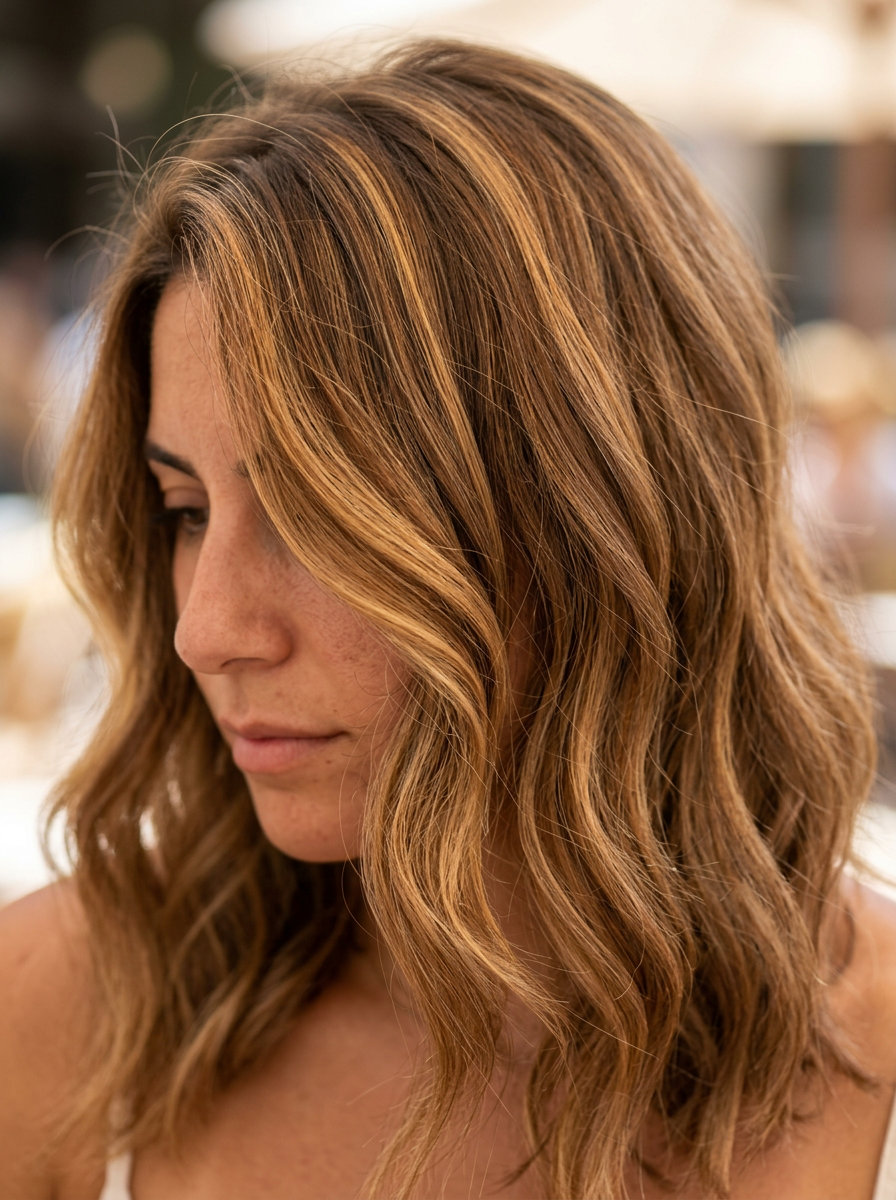
Caramel ribbons are the technique that finally made me understand why people pay $300 for highlights. Not because the price makes sense, but because the result justifies the salon time in a way most color doesn’t. Wider sections and a golden gloss create striking, high-contrast caramel ribbons with a buttery tone that moves through the hair instead of sitting on top of it. When the ribbons are thick enough and placed strategically, they catch light like actual metallic threads woven through your base.
The catch: achieving bold, thick ribbons requires multiple lightening steps, increasing salon cost beyond what a basic balayage would be. Thick caramel ribbons maintained high contrast against the brown base for 8 weeks, which meant I wasn’t racing back to the salon every month (which is exactly what I wanted). A glossing treatment between appointments kept the ribbons from turning brassy—nothing fancy, just the standard-issue golden toner. The caramel ribbons on light brown hair formula is simple in concept but demands precision in placement. Bold ribbons, buttery tone.
Auburn Brown Hair Color for Summer 2026
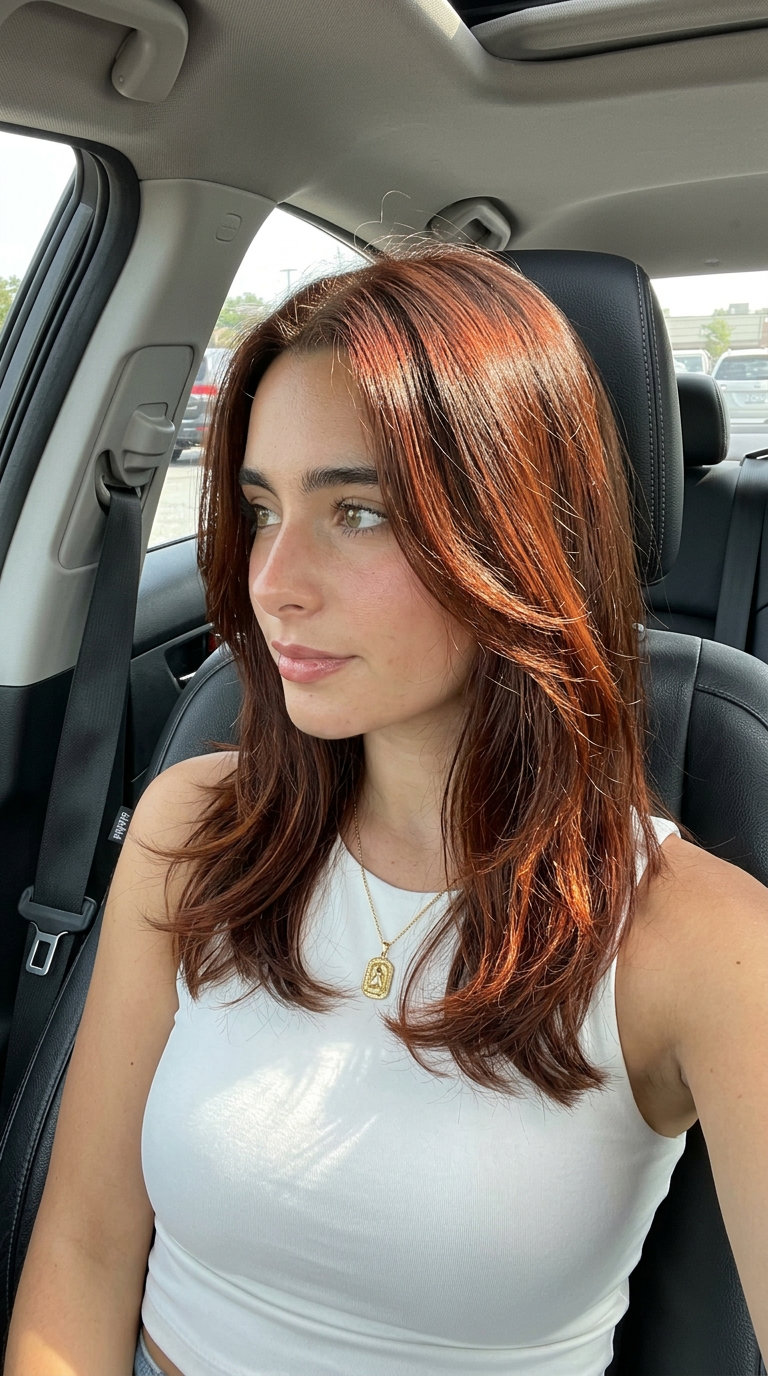
Auburn as a gloss over brunette is the quiet option that actually has something to say. Instead of a full-color transformation, this is a demi-permanent tint that lives on top of your existing base, creating a subtle, internal glow activated by sunlight without the commitment of permanent color. It reads as “my hair just does this” in fluorescent lighting, then betrays that calm the second you walk outside. The auburn gloss provided a subtle red-orange glow, lasting 6 weeks before needing a refresh, which is respectable for something this delicate.
The texture matters more than the shade name here. Demi-permanent auburn gloss over brunette base creates subtle internal glow that feels dimensional without screaming for attention. Not ideal for cool skin tones—the warm copper-red might clash, so if you’re naturally pale with pink undertones, probably worth the consultation at least to see how your stylist would adapt this. The auburn brown hair color for summer 2026 sits somewhere between seasonal fun and actually-thinking-about-this permanent shift. Sunlight’s secret glow.
Espresso Face Framing Brunette
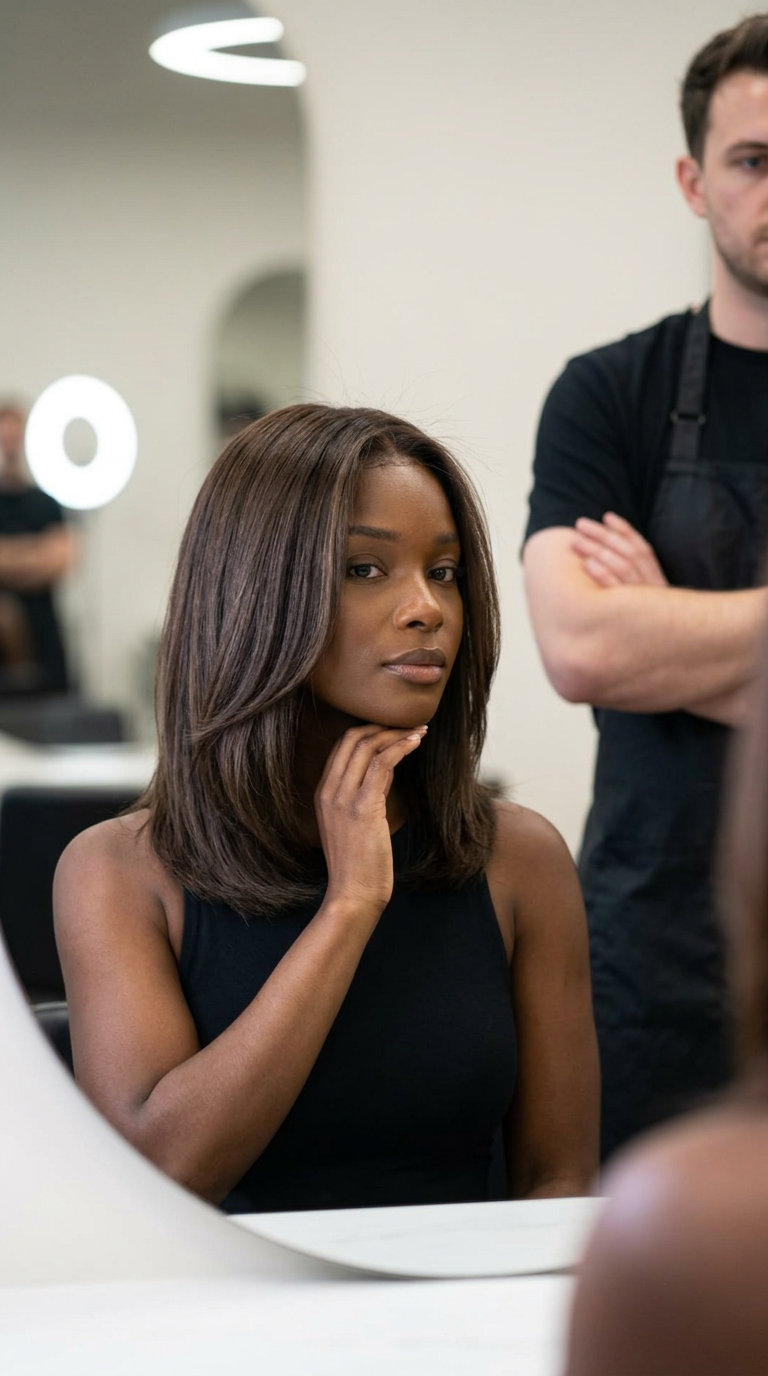
Face-framing color is either a genius move or a waste of money depending entirely on your willingness to maintain it separately from the rest of your hair. This version keeps the base at a standard cool brunette while adding targeted espresso darkening around the face, cheekbones, and the inner layers that frame your features. The contrast isn’t dramatic enough to read as “balayage” but obvious enough that it actually shapes your face instead of just decorating it. Face-framing color refresh was only needed after 7 weeks, proving low maintenance compared to full-head color.
What makes this work longer than expected: targeted blue toning on face-framing pieces maintains cool tones, extending refresh intervals to 6-8 weeks instead of the usual 4-week panic. You’re only touching up the pieces that frame your face, not battling root grow-out across your entire head. The espresso face framing brunette technique is smart for anyone who wants dimension without becoming a color appointment regular. It actually lasts through summer without turning brassy or flat. Smart maintenance, sleek results.
Still Deciding? Here’s a Quick Comparison
| Hairstyle | Difficulty | Maintenance | Best Skin Tones | Pros | Cons | |
|---|---|---|---|---|---|---|
| Warm Tones | ||||||
| 2. Caramel Swirl Balayage | Moderate | Low — every 8-10 weeks | warm, olive, and medium skin tones | Low maintenanceSuits most face shapesWorks on multiple textures | Not ideal for very curly hair |
| 4. Bronde Money Pieces | Moderate | Medium — every 8-10 weeks | medium to deep skin tones with warm or neutral undertones | Suits most face shapesWorks on multiple textures | Not ideal for very curly hair |
| 5. Ash Brown Shadow Root | Moderate | Low — every 6-8 weeks | fair to medium skin tones with cool or neutral undertones | Low maintenanceSuits most face shapesWorks on multiple textures | Not ideal for very curly hair |
| 6. Syrup Brunette All-Over | Easy | Medium — every 6-8 weeks | All skin tones | Easy to style at homeSuits most face shapesWorks on multiple textures | Not ideal for very curly hair |
| 7. Mushroom Beige Babylights | Moderate | Medium — every 10-12 weeks | cool fair, neutral, and olive skin tones | Suits most face shapesWorks on multiple texturesSubtle sun-kissed effect | Not ideal for very curly hair |
| 8. Auburn Infused Balayage | Moderate | Medium — every 12-16 weeks | All skin tones | Suits most face shapesWorks on multiple texturesNatural-looking dimension | Not ideal for fine hair |
| 9. Dark Chocolate Face-Framing Ribbons | Moderate | Low — every 8-10 weeks | all skin tones, especially medium to deep complexions | Low maintenanceSuits most face shapesWorks on multiple textures | Not ideal for very curly hair |
| 10. Golden Almond Balayage | Moderate | Low — every 12-16 weeks | fair to medium skin tones with warm or neutral undertones | Low maintenanceSuits most face shapesWorks on multiple textures | Not ideal for very curly hair |
| 12. Honey Walnut Face-Framing | Moderate | Low — every 10-12 weeks | fair, medium, and warm skin tones | Low maintenanceSuits most face shapesWorks on multiple textures | Not ideal for very curly hair |
| 13. Mahogany Peekaboo Color | Salon-only | Medium — every 6-8 weeks | all skin tones, especially those with warm or neutral undertones | Works on multiple textures | Requires professional styling |
| 14. Bronde Babylights Blend | Moderate | Low — every 8-10 weeks | All skin tones | Low maintenanceSuits most face shapesWorks on multiple textures | Not ideal for very curly hair |
| 15. Cool Taupe Ombré | Moderate | Medium — every 6-8 weeks | All skin tones | Suits most face shapesWorks on multiple textures | Not ideal for very curly hair |
| 17. Mushroom Mocha Melt | Salon-only | Medium — every 4-6 weeks | cool, fair, and neutral skin tones | Suits most face shapesWorks on multiple textures | Requires professional styling |
| 18. Mushroom Blonde Babylights on Brunette | Moderate | Medium — every 4-6 weeks | cool fair, neutral medium skin tones | Suits most face shapesWorks on multiple texturesSubtle sun-kissed effect | Not ideal for very curly hair |
| 19. Toasted Chestnut Balayage Waves | Moderate | Low — every 8-10 weeks | warm fair, medium, and olive skin tones | Low maintenanceSuits most face shapesWorks on multiple textures | Not ideal for fine hair |
| 23. Light Brown with Caramel Ribbons | Moderate | Medium — every 10-12 weeks | warm fair to medium skin tones, olive complexions | Suits most face shapesWorks on multiple textures | Not ideal for fine hair |
| 24. Auburn Kissed Brunette with Sunlit Layers | Moderate | Medium — every 6-8 weeks | warm medium skin, olive skin, fair skin with warm undertones | Suits most face shapesWorks on multiple textures | Not ideal for fine hair |
| Cool Tones | ||||||
| 3. Espresso Gloss All-Over | Easy | Medium — every 6-8 weeks | all skin tones, especially striking on fair to medium skin with cool undertones, and deep | Easy to style at homeSuits most face shapesWorks on multiple textures | Not ideal for very curly hair |
| 11. Midnight Ash Shadow Root | Moderate | Medium — every 8-10 weeks | All skin tones | Suits most face shapesWorks on multiple textures | Not ideal for very curly hair |
| 16. Black Cherry Reverse Balayage | Salon-only | Medium — every 6-8 weeks | all skin tones, particularly striking on cool fair and deep complexions | Suits most face shapesWorks on multiple texturesNatural-looking dimension | Requires professional styling |
| 20. Plum Tinted Brunette Gloss | Moderate | Medium — every 4-6 weeks | cool fair, olive, and deeper skin tones | Suits most face shapesWorks on multiple textures | Not ideal for very curly hair |
| 21. Chocolate Cherry Ombré | Moderate | High — every 4-6 weeks | all skin tones, particularly those with olive or deeper complexions | Suits most face shapesWorks on multiple textures | Frequent salon visits needed |
| 22. Oxblood Tinted Brunette | Moderate | High — every 4-6 weeks | all skin tones, particularly striking on cool and deep complexions | Suits most face shapesWorks on multiple textures | Frequent salon visits needed |
| 25. Deep Espresso Face-Framing on Brunette | Easy | Low — every 6-8 weeks | all skin tones, particularly those with neutral or cool undertones | Low maintenanceEasy to style at homeWorks on multiple textures | Not ideal for very curly hair |
| Bold Colors | ||||||
| 1. Cherry Cola Dip-Dye | Moderate | High — every 4-6 weeks | all skin tones, particularly striking on medium to deep complexions | Suits most face shapesWorks on multiple textures | Frequent salon visits needed |
Frequently Asked Questions
What’s the easiest summer brunette color to do at home for maximum shine?
The Espresso Gloss All-Over is your safest bet. It’s a straightforward application that delivers professional-level shine and rich tone, functioning as both a color deposit and a conditioning treatment. No sectioning required, no timing complications—just even coverage and results that actually last through humidity.
How can I get sun-kissed highlights as a brunette without a salon appointment?
The Caramel Swirl Balayage and Bronde Money Pieces both work for DIY attempts, though money pieces are more forgiving since they’re concentrated around the face where you can actually see what you’re doing. Balayage mimics natural sun exposure better, but requires steady hands and patience with sectioning. Money pieces give you a brighter frame with less room for error.
Are there any bold brunette color ideas I can actually try myself this summer?
The Cherry Cola Dip-Dye is ambitious but doable if you’re comfortable with two-step processing and careful application. It delivers genuine edge and visual contrast, inspired by that high-impact look without requiring full-head lightening. Just accept that this one needs precision—rushed execution shows immediately.
How do I maintain my DIY brunette color to prevent brassiness and fading?
For cool tones like Ash Brown Shadow Root, blue-pigmented shampoo is non-negotiable—it counteracts warmth before it starts. Across all techniques, UV protectant spray and sulfate-free, color-safe shampoo extend vibrancy significantly. A hair gloss treatment between salon visits refreshes tone and shine without full reapplication, especially useful for balayage and money pieces that fade unevenly.
Final Thoughts
The thing about summer hair color ideas for brunettes 2026 is that they’re not asking you to abandon your base—they’re asking you to weaponize it. Whether you’re leaning into espresso glosses that refuse to turn brassy, or strategic lightening that mimics what the sun would do if it had better taste, the entire point is dimension without the maintenance spiral.
Pick your commitment level, find your technique, and stop pretending brunette is boring. It’s the opposite. It’s just patient.