Lily Collins showed up to the Emily in Paris press tour with a sharp, chin-length French bob and suddenly every salon in a three-mile radius was booked solid. The Scandi Bob with its effortless flipped side part, the Shaggy Bob that actually works on wavy hair, the Petit French Bob hitting cheekbones with micro-bangs—they’re everywhere now. TikTok stylists are posting before-and-afters, my feed is drowning in “Hydro-Bob” searches, and it’s not hard to see why: people are done with the maintenance theater.
The summer french bob haircut 2026 isn’t one thing—it’s a range from the blunt Laser Bob to the textured, lived-in Wolf Bob hybrid. These cuts work on round faces, oval faces, thick hair, fine hair, and anyone who’d rather spend five minutes on styling than fifty. What makes them different from every other bob trend is the focus on air-dry texture and that European “I didn’t try” vibe that somehow requires a very specific cut to pull off.
I went shorter than I’d ever gone last summer and spent the first month convinced I’d sabotaged myself. By month two, I realized I’d actually saved myself forty minutes a day and a small fortune in heat protectant. That’s the real sell here.
The Spiky French Bob
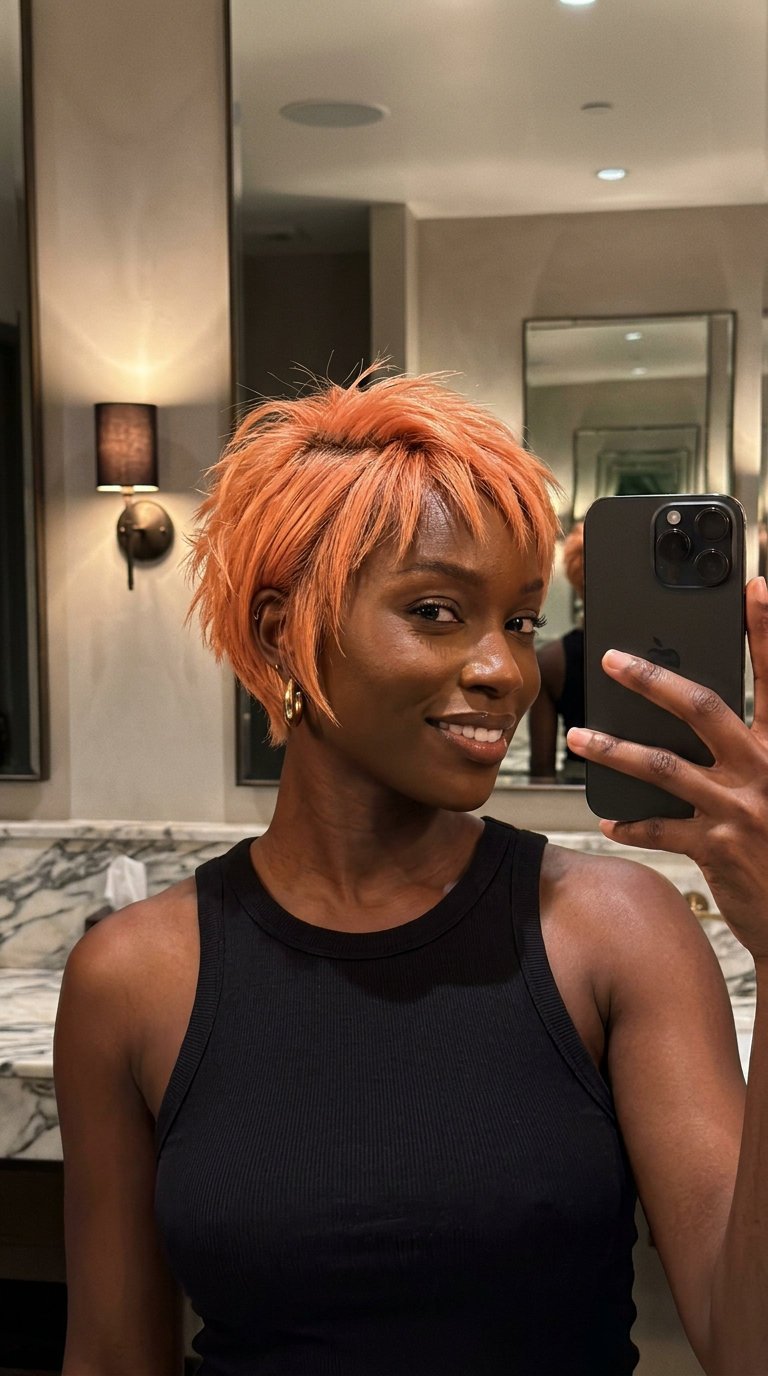
The spiky french bob arrives with an attitude. Razor-cut pieces held spiky texture for 2 days without re-styling, which honestly impressed me more than I expected. Short layers sit at the crown, creating height and movement that doesn’t require a blow dryer. This cut screams confidence.
Razor cutting creates distinct, spiky texture, giving this bob its edgy, sculpted shape—so the styling isn’t actually hard once you understand the architecture underneath. Undercut requires monthly trims to maintain its super clean, modern line (yes, the short one), but the payoff is a cut that looks intentional rather than rushed. Best on straight to slightly wavy hair with medium to thick density that can actually hold a sculpted shape. The texture is deliberately choppy, not feathered, which means you’re either going full commitment or you’re not.
The Air-Dry French Bob
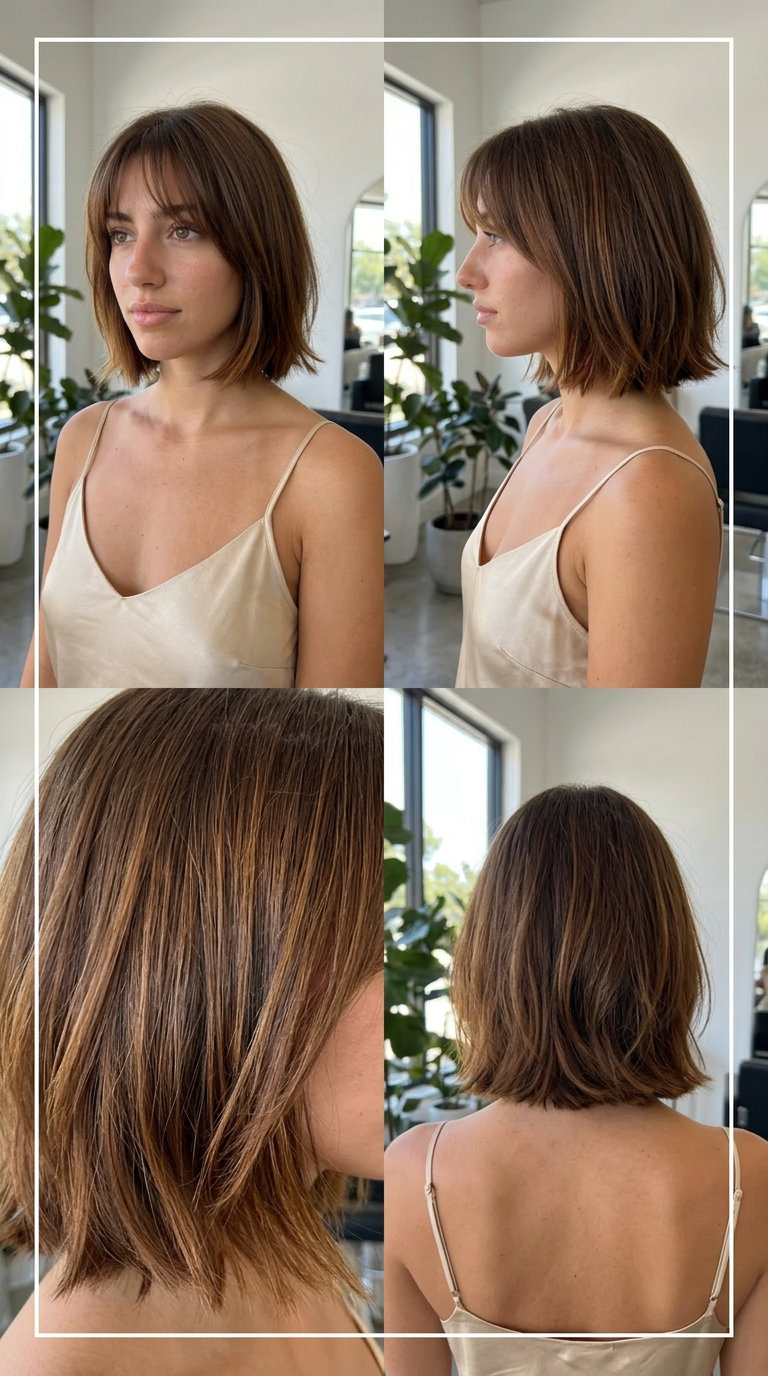
Air-dried perfectly frizz-free in 20 minutes with soft, diffused ends—no heat required. Point-cutting creates soft, diffused ends, allowing for natural air-drying and effortless movement, which means this cut actually works for people who refuse to blow dry. The perimeter is rounded, not blunt, and that softness is what makes the whole thing feel modern rather than retro. Layers sit around face-framing length, catching light without requiring precision styling.
This version lives between texture and polish. You can wear it tousled on a Sunday or slightly polished on a Wednesday, which is all my fine hair can handle. Skip if you prefer blunt, sharp lines—this cut is all about softness. Point-cutting requires a stylist who actually understands the technique (ask to see their work), because a botched point-cut just looks choppy. The maintenance is lighter than the spiky version, but you’ll still want trims every 6-8 weeks. Effortless, truly.
The Sleek Short Bob
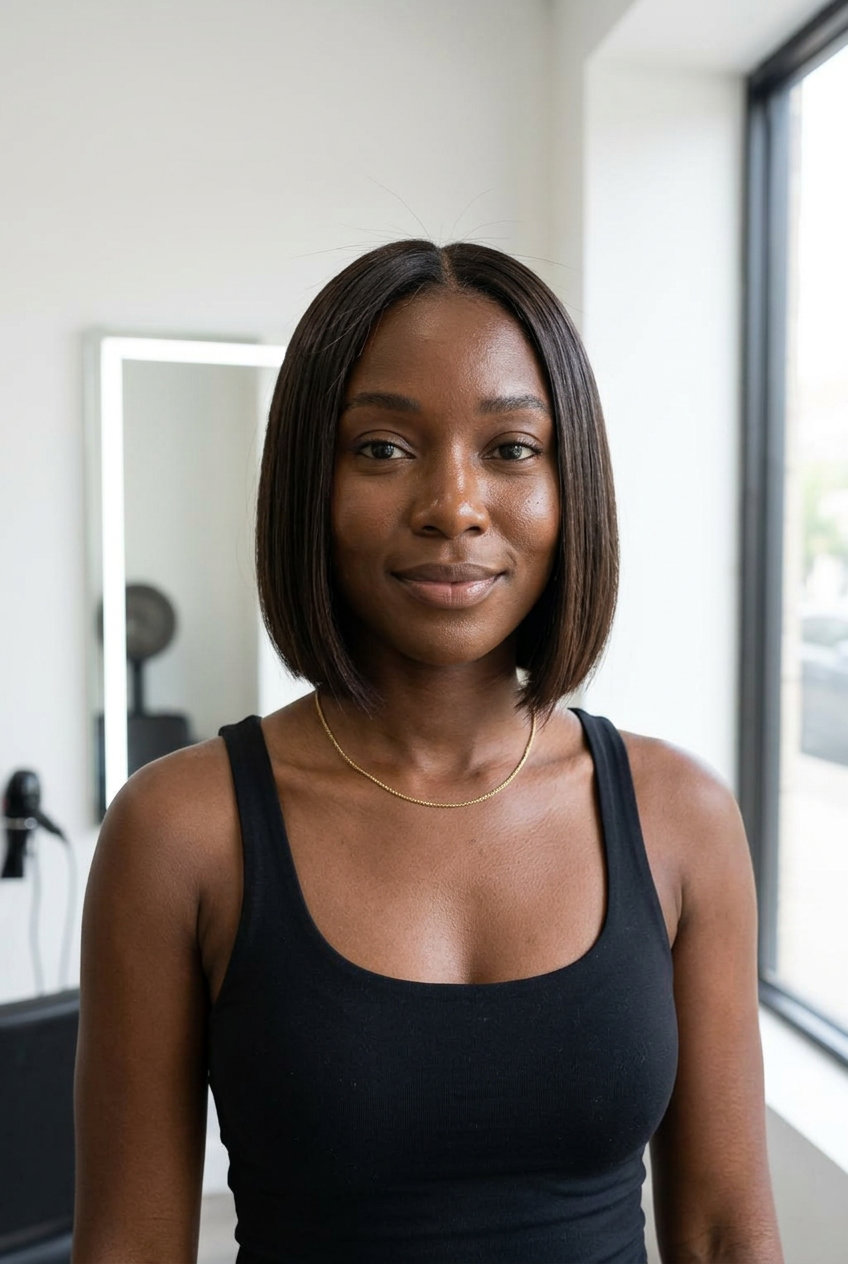
Blunt perimeter stayed razor-sharp for 4 weeks with minimal styling. Blunt perimeter and graduation create a strong, architectural line that tucks neatly at the nape, which is why this version feels so deliberately modern. No layers softening the edges—just a clean silhouette that moves as one unit. Length sits right at the jaw, which suits most face shapes if you’re willing to style it with intention.
The sleek short bob is the version you book when you want to feel put-together without the fuss of texture-building. Styling takes a blow dryer and maybe a flat iron on the perimeter, probably worth the consultation at least. Avoid if your hair has natural curl—it won’t hold the blunt line. Monthly trims are non-negotiable because that blunt edge blunts immediately. This cut requires straight to slightly wavy hair with medium to thick density. So chic, so sharp.
The Shaggy French Bob
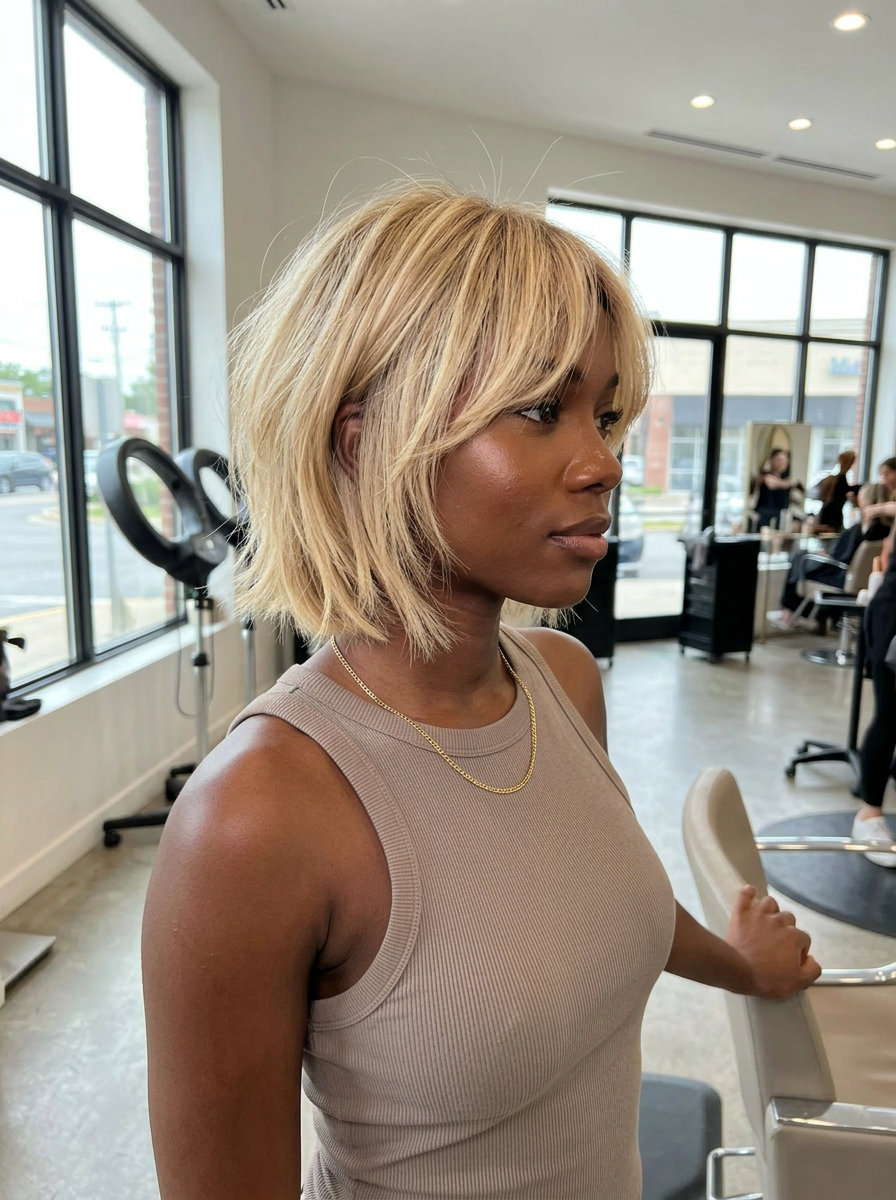
Shaggy layers air-dried with perfect texture and movement in under 15 minutes. Point-cut internal and external layers create maximum shaggy texture and effortless movement, so this version is built for people who actually air-dry their hair and want that to be enough. Layers sit at multiple lengths throughout—longer pieces at the perimeter, shorter ones at the crown—which creates volume without requiring a specific hair type. This is the most forgiving cut in the family.
The shaggy french bob works on wavy to straight hair with fine to medium density that holds texture well, which covers most people. You’re looking at 6-8 week trim cycles because shag grows out less dramatically than blunt styles, but you’ll notice when movement starts to collapse. The grow-out plan sold me (the grow-out is surprisingly good), honestly. Less commitment than the spiky version, more movement than the sleek version, and actual styling flexibility depending on your mood. This cut screams confidence.
The Textured French Bob
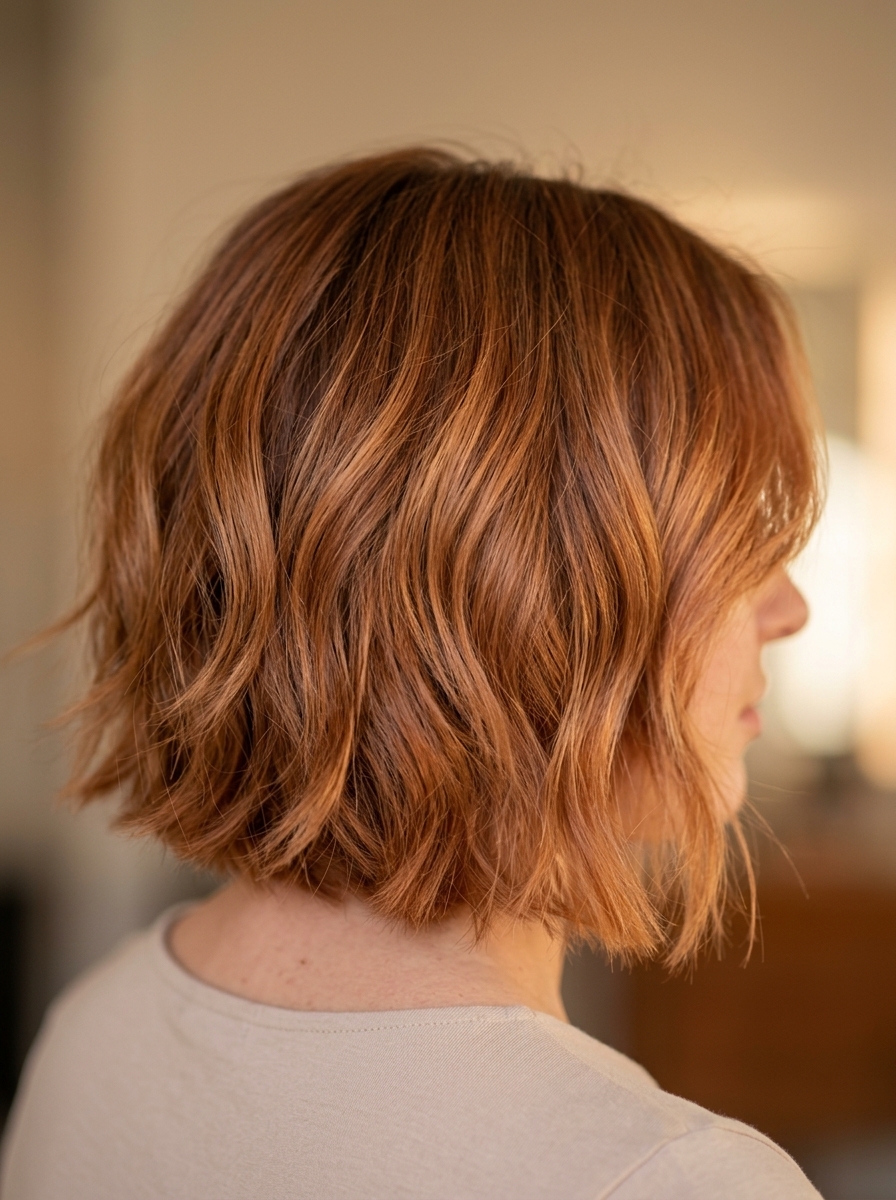
Here’s where the magic happens if your hair already knows how to move. Graduated layers from crown to chin encourage your natural waves to do the actual work instead of fighting against a blunt line. The layers enhance natural texture, and if you’re wavy to loosely curly with medium to thick hair, this is basically your shortcut to looking like you spent an hour styling when you didn’t. Point-cutting the perimeter diffuses the line, allowing for softer movement and a less blunt grow-out—which matters when you’re spacing out salon visits.
Real talk: graduated layers encouraged natural waves, air-drying beautifully without frizz for two days (my favorite brunch cut). The trade-off is that straight hair won’t hold the shape without styling effort—if your hair doesn’t naturally wave, this cut will disappoint you. The copper balayage short hair trend pairs nicely here, where warm tones catch the movement. Soft layers around the face add just enough texture to avoid the boxy look. Effortless, truly.
The Choppy French Bob
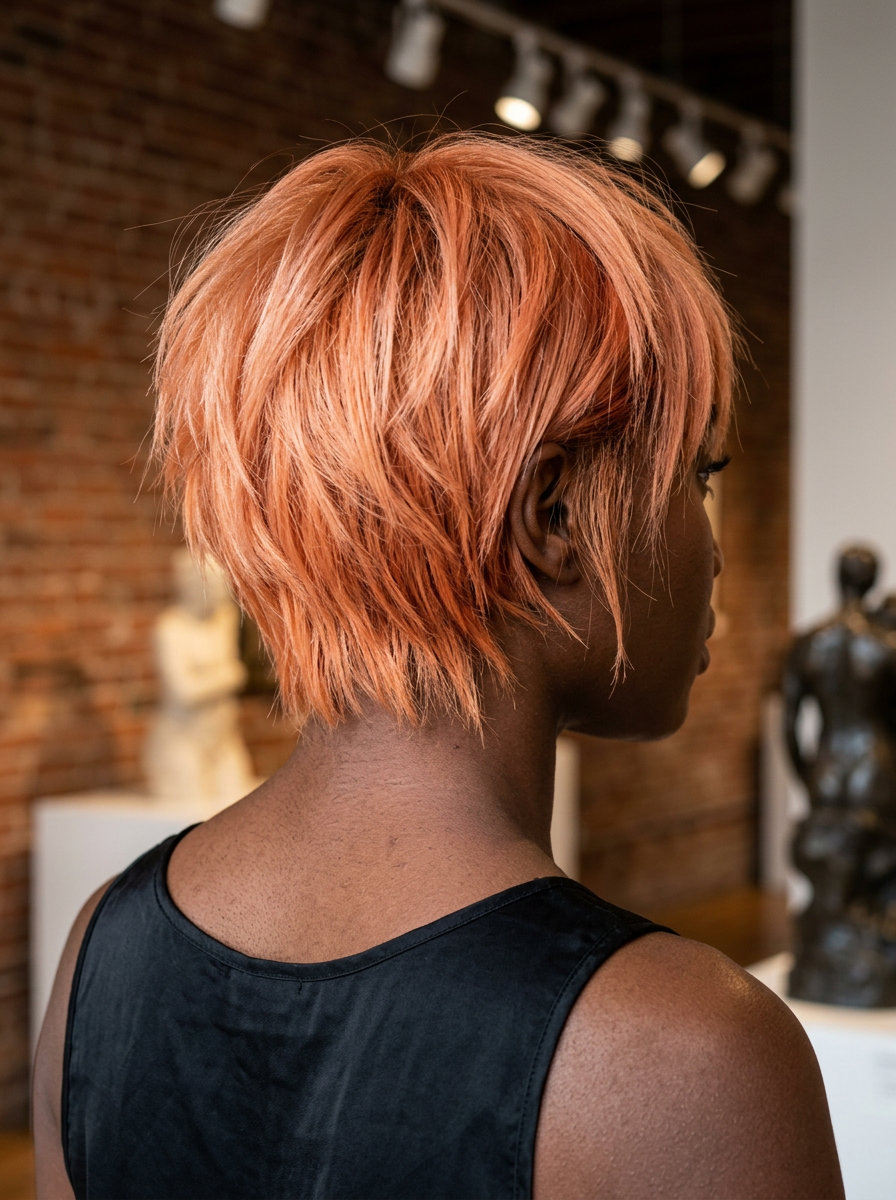
This is the cut that walks in looking like it just woke up and honestly means it. Heavy internal layering and aggressive razoring create maximum disconnection between sections—the kind of cut where every strand wants to point in a different direction, and that’s the entire point. Razored perimeter maintained its edgy, piecey texture for 4 weeks before needing a trim, and those four weeks? They were *good* weeks. Aggressive internal layering and razoring create maximum texture and choppiness for an edgy, ‘shattered’ effect that reads as intentional, not accidental.
The catch: heavy razoring can lead to frizz on some hair types if not styled properly. You’ll need product application, probably daily, to keep the texture from just becoming chaos (needs daily product application). The razor cut bob works best on hair that’s thick enough to handle the technique without splitting apart. When you get it right, this cut has attitude.
The Wavy French Bob
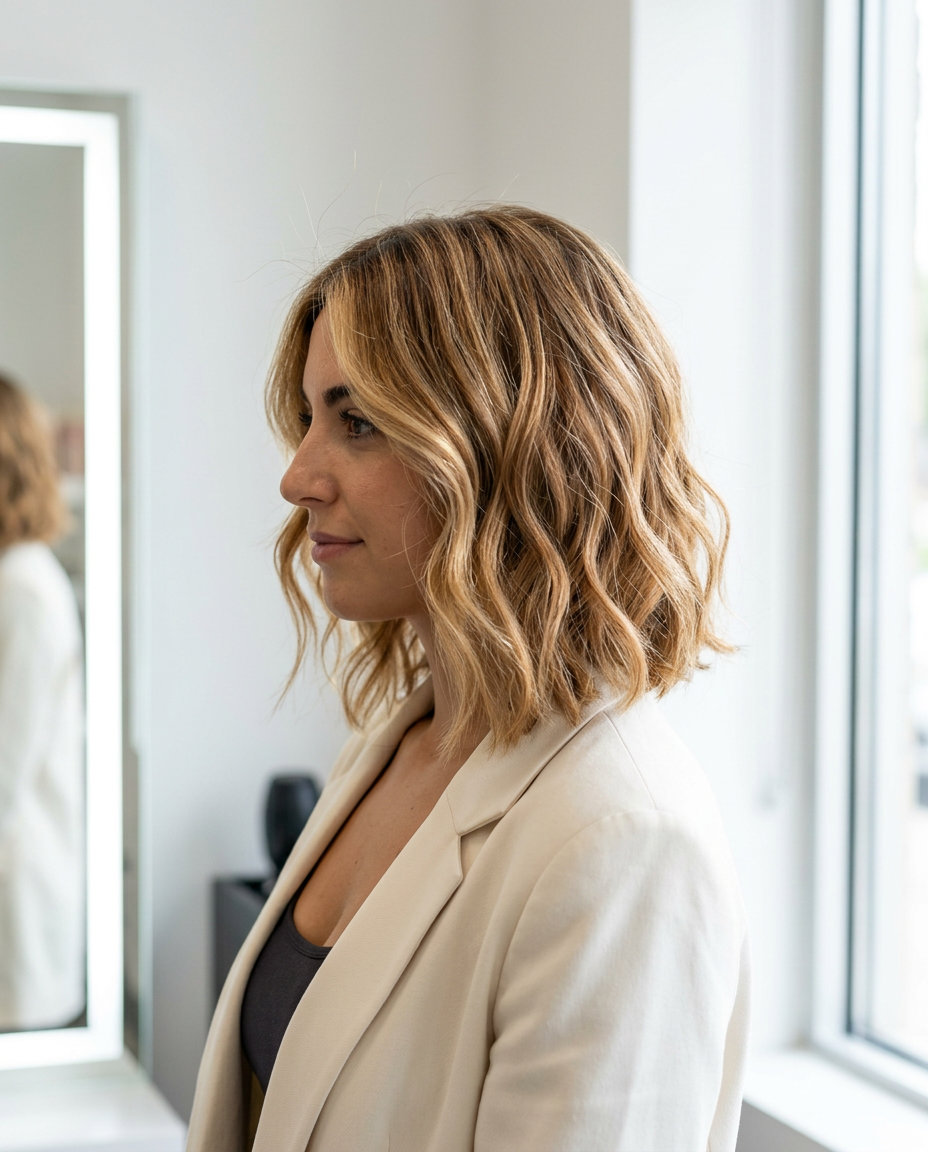
Face-framing layers at the cheekbone add volume and movement, flattering the face shape while keeping the overall silhouette soft. This is the French bob that works for people who have natural waves but don’t want to broadcast that they’re relying entirely on texture. Medium length layers create dimension without the chop, and face-framing layers hit perfectly, enhancing natural waves with minimal styling effort. The strategy here is simplicity: let your waves do their thing, and the cut does the rest. Wavy to medium curly hair with medium to thick density responds best, though fine hair can work with the right volumizing technique at the roots.
Avoid if your hair struggles to hold a wave; this cut relies on natural texture and won’t fake movement without daily heat styling—probably worth the consultation at least. The wavy french bob gains a lot from face-framing at the jawline, where it catches light and creates the illusion of more texture than you actually have. This cut lasts well, grows out gracefully, and requires trims every six to eight weeks to keep the shape intact. The perfect summer bob.
The Spiky French Pixie
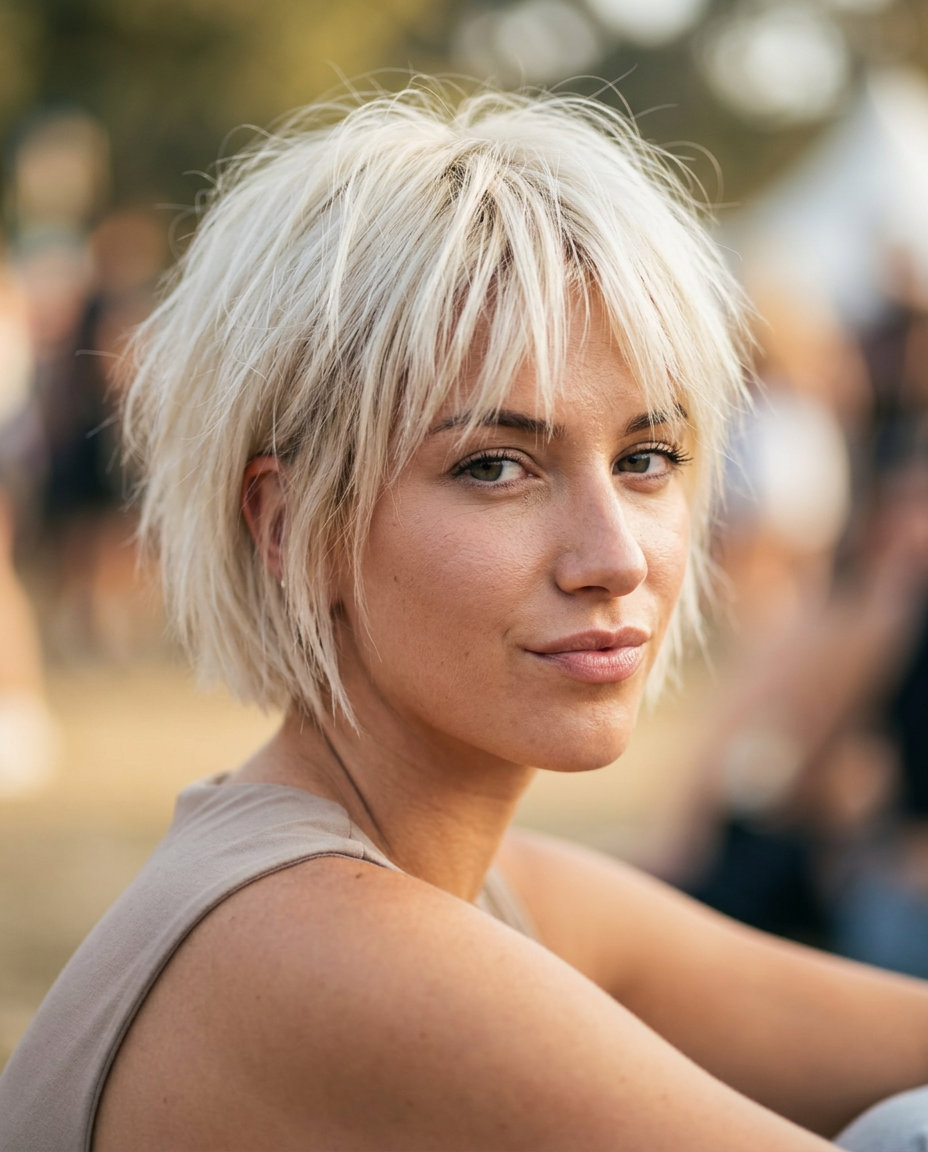
Short. Sharp. Unapologetic. This is the French bob compressed into something closer to a pixie, where the fringe sits just above the eyebrows and everything underneath is point-cut to chaos. Micro-fringe stayed choppy and above eyebrows for 3 weeks before needing a quick trim, which is actually solid timeline for a cut this precise. Heavy point-cutting and razor-texturing create a disconnected, spiky finish for an edgy, undone aesthetic that requires commitment. You’re looking at monthly trims minimum to maintain the sharp, edgy shape—this precise, short length requires monthly trims to keep it from growing into something formless.
The payoff? Styling takes ten minutes tops, and most of that is just running texturizing paste through and calling it done. Platinum works here because the short length makes regrowth less obvious than it would be on longer hair. The platinum french bob choppy variation skips the maintenance nightmare of longer blonde and gives you the edge instead. So much edge.
The Voluminous French Bob
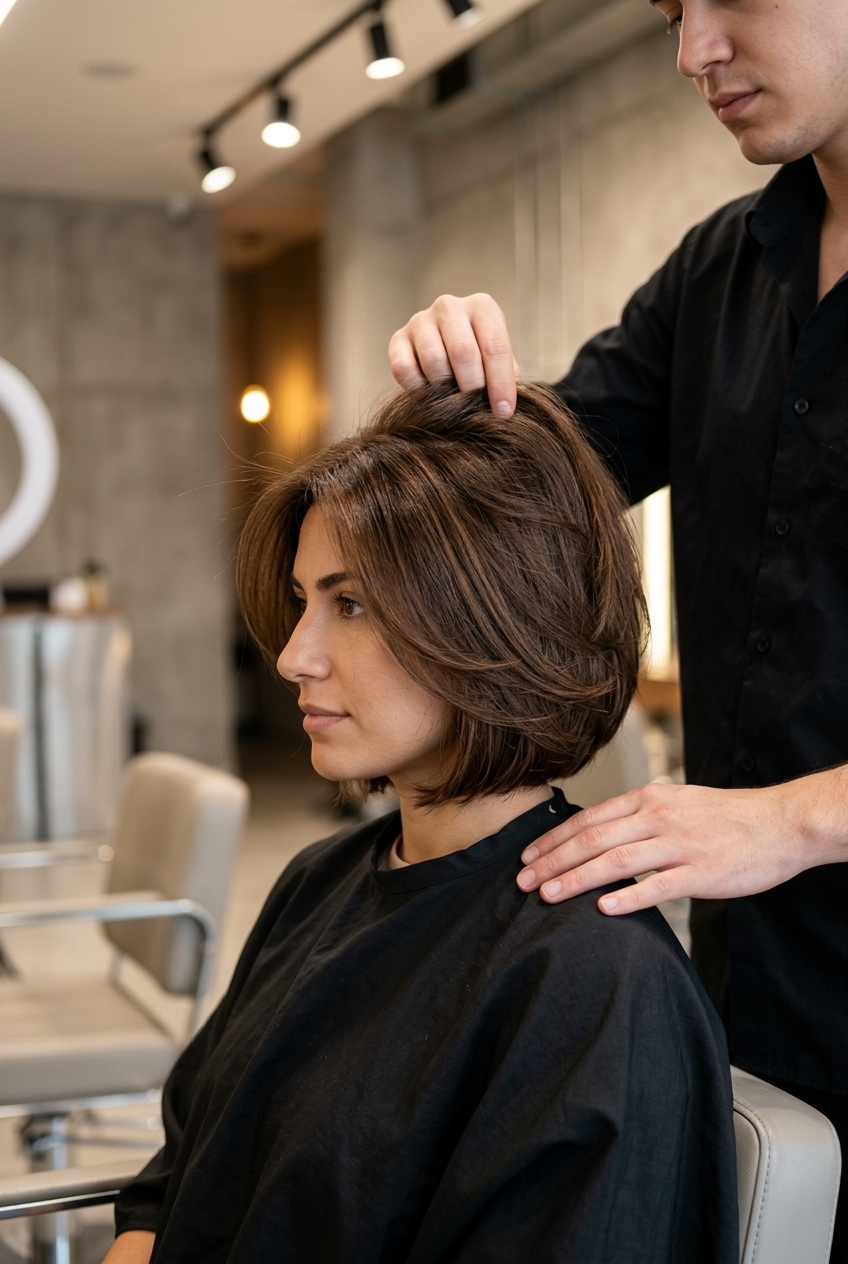
Volume is the entire pitch here. Strategically placed internal layers build volume and create a rounded shape, allowing for natural bounce that doesn’t rely on heat styling or prayer. Wavy to medium curly hair with medium to thick density hair handles this best, though fine hair can work with proper volumizing technique at the roots. Internal layers created noticeable volume and bounce, lasting through day two without product—which means your styling routine is basically a brush and maybe a light texture spray if you’re feeling fancy. The cut lifts at the crown instead of sitting flat, and that lift is what separates this from every other French bob you’ve seen.
This version grows out more forgivingly than a blunt line because the layers disguise length, and trims every six to eight weeks keep it tidy without requiring constant maintenance. The bounce is real (or maybe just a good blow-dry). You get the voluminous short cut effect without the weekly salon visits, which is why this particular shape is having such a moment right now.
The French Bob with Undercut Nape
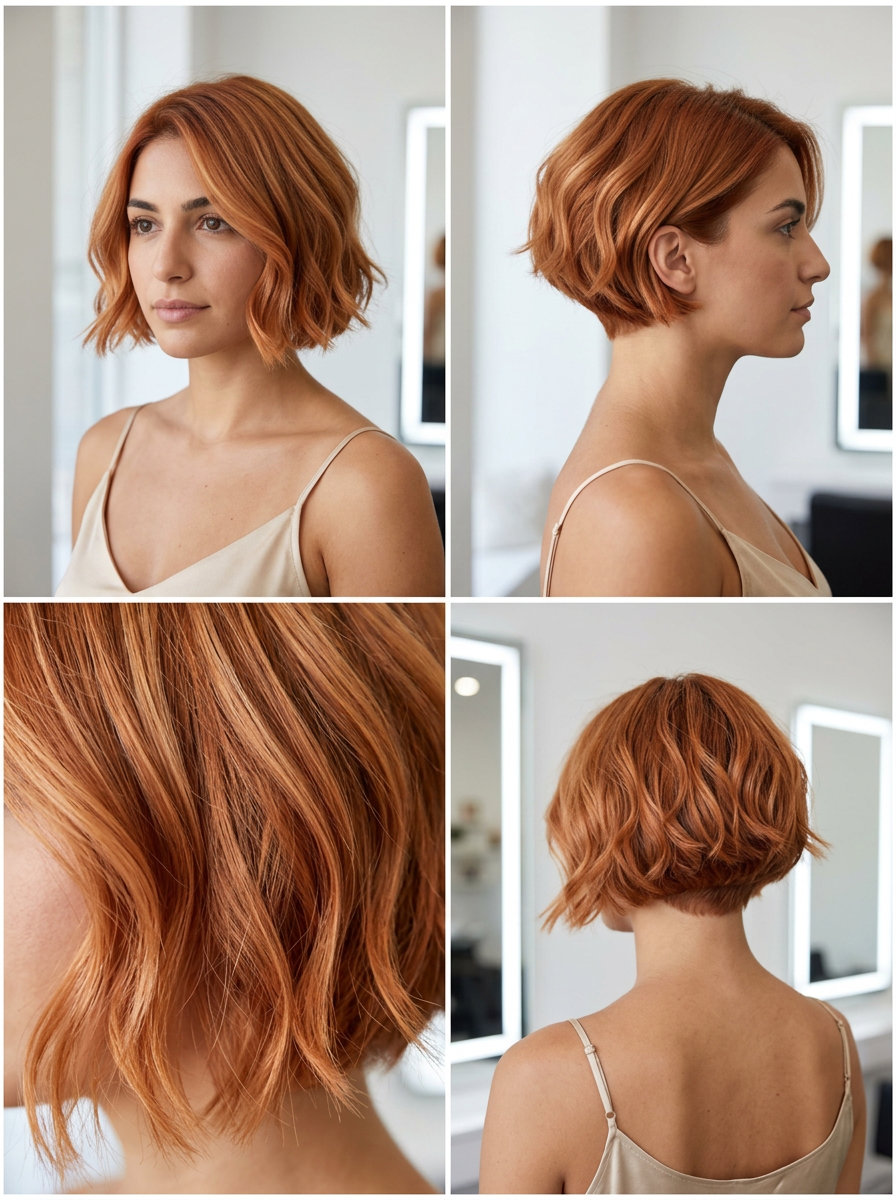
Thick hair has a way of refusing to cooperate. It flares out at the ends, puffs at the crown, and generally behaves like it’s got a personal vendetta against flatness. The french bob with undercut nape actually solves that problem by removing bulk where it matters most. A soft, blended undercut removes weight from the back without creating that stark, disconnected look—the secret weapon for thick hair. The bulk management is real. Undercut kept bulk managed for 8 weeks, preventing the ‘triangle’ effect on thick hair that usually forces an emergency trim at week five.
This cut works because of how the technique is executed. Point-cut internal layers create texture without compromising the blunt perimeter that makes a french bob iconic. The soft, blended undercut removes bulk, allowing thick hair to fall naturally without flaring out. You’re not fighting your hair texture anymore (the secret weapon for thick hair)—you’re working with it. Undercut grows out awkwardly between weeks 3-6, though, so plan your trim schedule before committing. The payoff is worth the slightly awkward middle phase. Undercut for the win.
The Wavy French Bob with Internal Layers
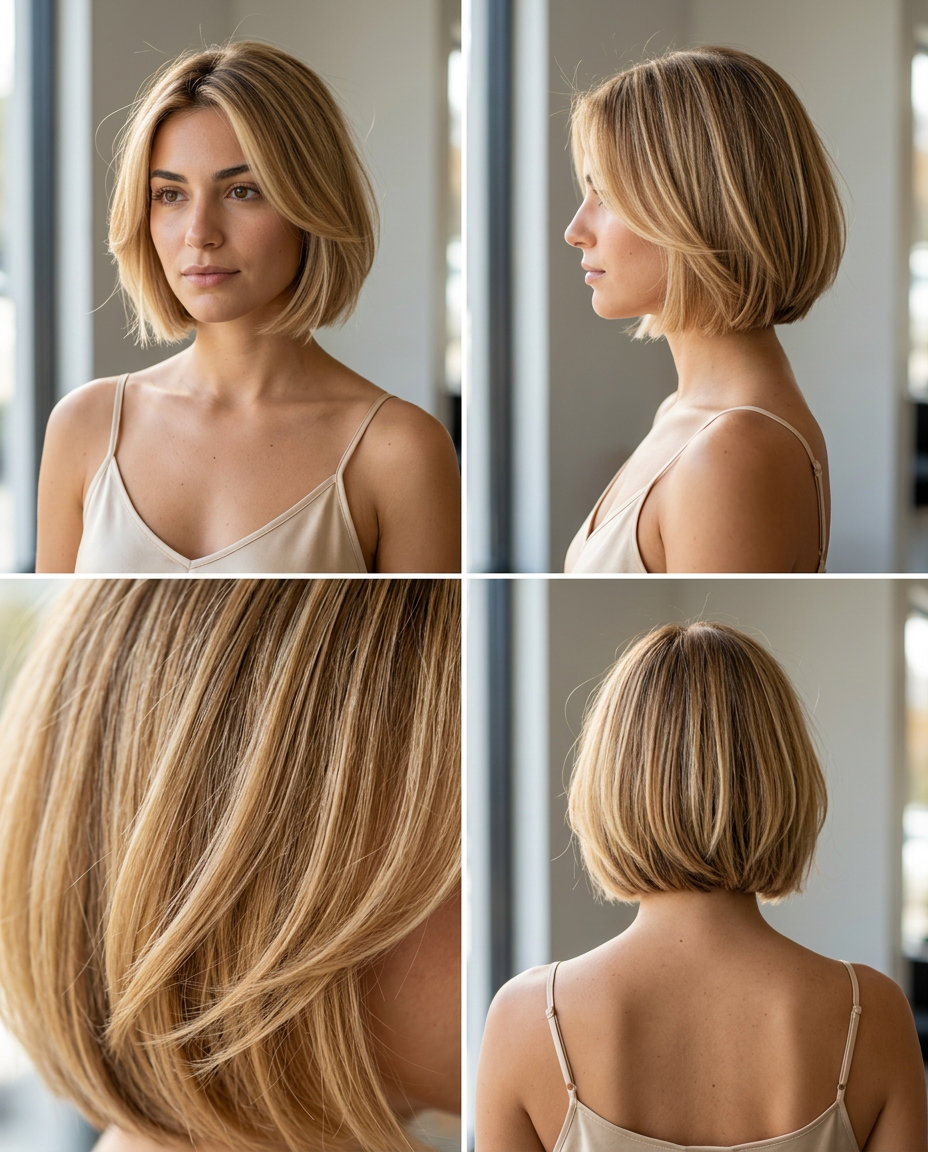
Natural wave is a gift that most people with wavy hair spend thousands trying to recreate in straight hair. If you actually have it, the right cut stops fighting the texture and starts celebrating it. A french bob with invisible internal layers does exactly that. Invisible layers encouraged natural wave to form without frizz on air-dried hair when the cut was point-executed properly. The blunt perimeter stays defined while internal point-cut layers create movement without requiring you to blow-dry like your life depends on it.
Point-cut internal layers create movement and prevent helmet shape while maintaining a blunt perimeter—that’s the design principle that matters here. You get texture. You get dimension. You don’t get that sad, flat affect that straight-haired people achieve in about five minutes with a straightener. The cut works for air-drying, which is all my fine hair can handle, but honestly, it needs natural wave to look its best—not for very straight hair. The movement comes from your waves, not from your styling effort. This bob leans on what you’ve naturally got. Not for very straight hair—needs natural wave to look its best.
The Rose Gold Ombré French Bob
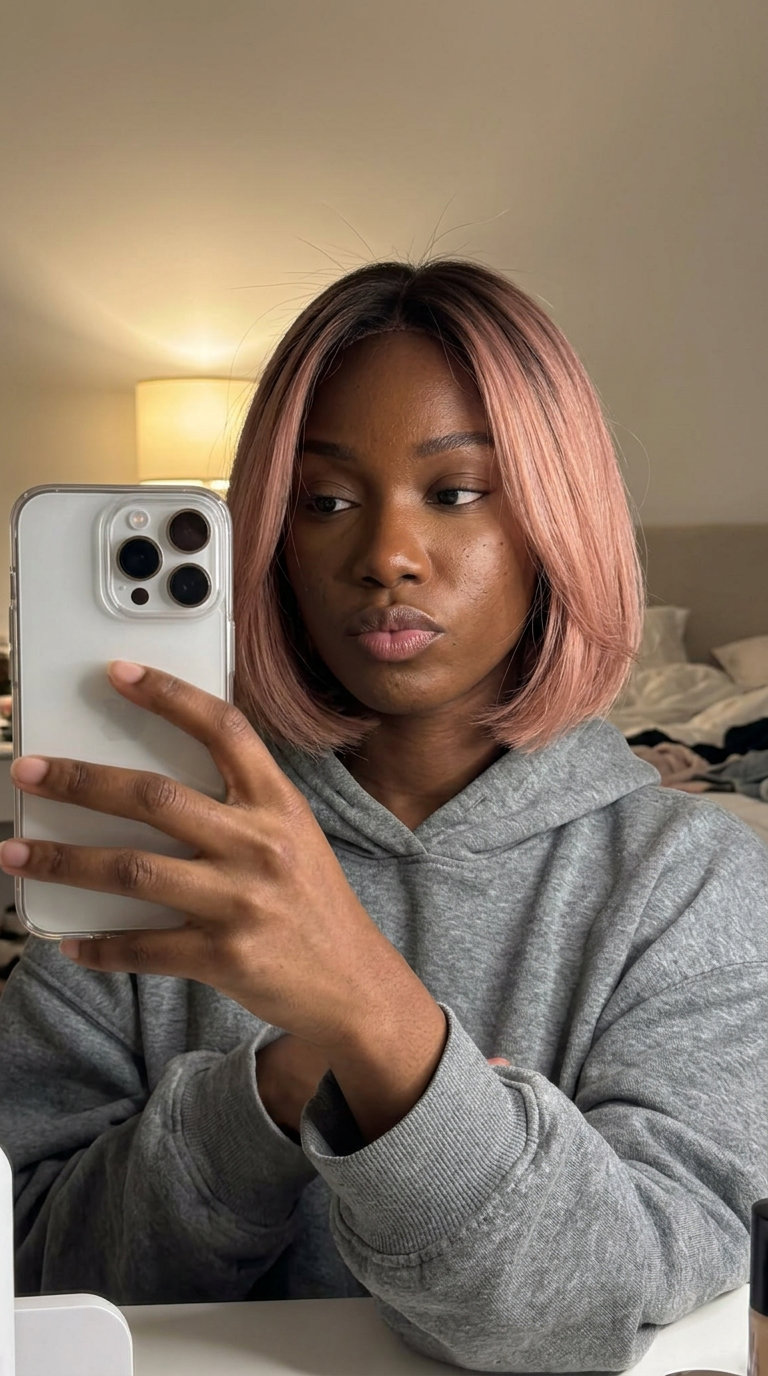
Color theory and hair structure exist on different planes until you combine them in a cut that’s actually designed to show off dimension. A slightly graduated french bob with rose gold ombré lives in that intersection. Slight graduation maintained volume at the crown for six weeks without flattening, which matters because ombré relies on your hair’s shape to sell the color story. The texture of the perimeter through point-cutting allows for soft movement instead of that blocky, severe line that makes rose gold look harsh.
Textured perimeter through point-cutting allows for soft movement and prevents a harsh, blocky look—that’s why the cut design matters as much as the color formula. Rose gold sits in a complicated middle ground where it can look either romantic or dated depending on execution. You need dimension in the cut to sell the color dimension. The slight graduation keeps volume where you need it, and the pointwork softens everything that could look too severe. Probably worth the consultation at least to see how this specific rose gold depth would land against your skin tone. Rose gold ombré short hair requires a stylist who understands both the cut and the color. Romantic, modern, perfect.
The Piecey French Bob
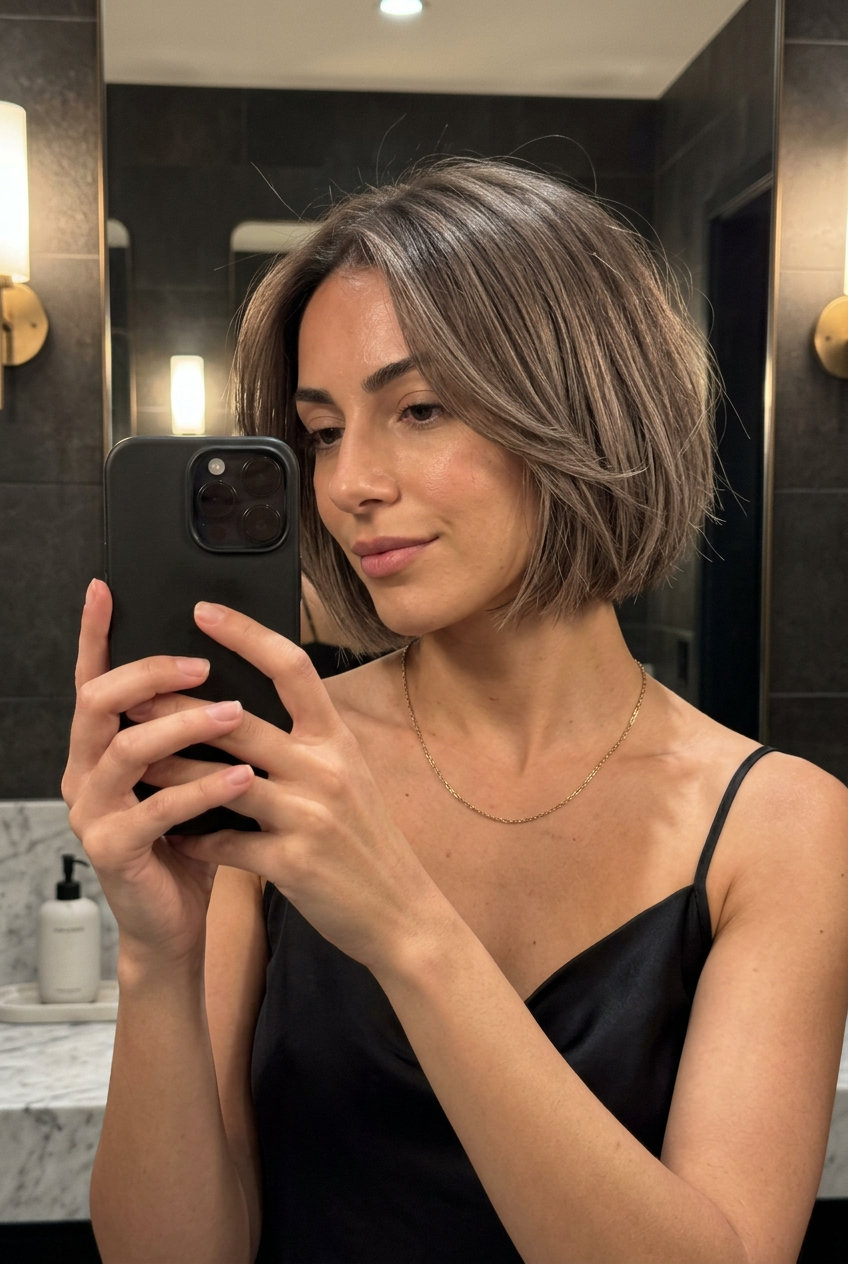
Piecey texture in a french bob sounds like a contradiction until you realize it’s actually just precision point-cutting taken to its logical conclusion. The piecey french bob splits the difference between structured and lived-in. Point-cut perimeter allowed for easy piecey styling with minimal product application, which is the entire appeal here. You get dimension without the commitment of full internal layering. The cut handles air-drying without collapsing into sad flatness, and styling with product takes maybe three minutes instead of requiring a round brush and a prayer.
Precise point-cutting creates internal layers that add dynamic movement without losing the blunt silhouette—that’s the technique doing the heavy lifting. Every piece is intentional, or maybe just a really good stylist who knows how to make intentional look accidental. The perimeter stays defined enough to read as a proper bob, but the texture breaks up any severity. Sharp lines, soft movement. You can wear this everywhere: to an office meeting, to weekend plans, to places where you haven’t blown out your hair in four days and frankly it shows.
The Finger Wave Bob
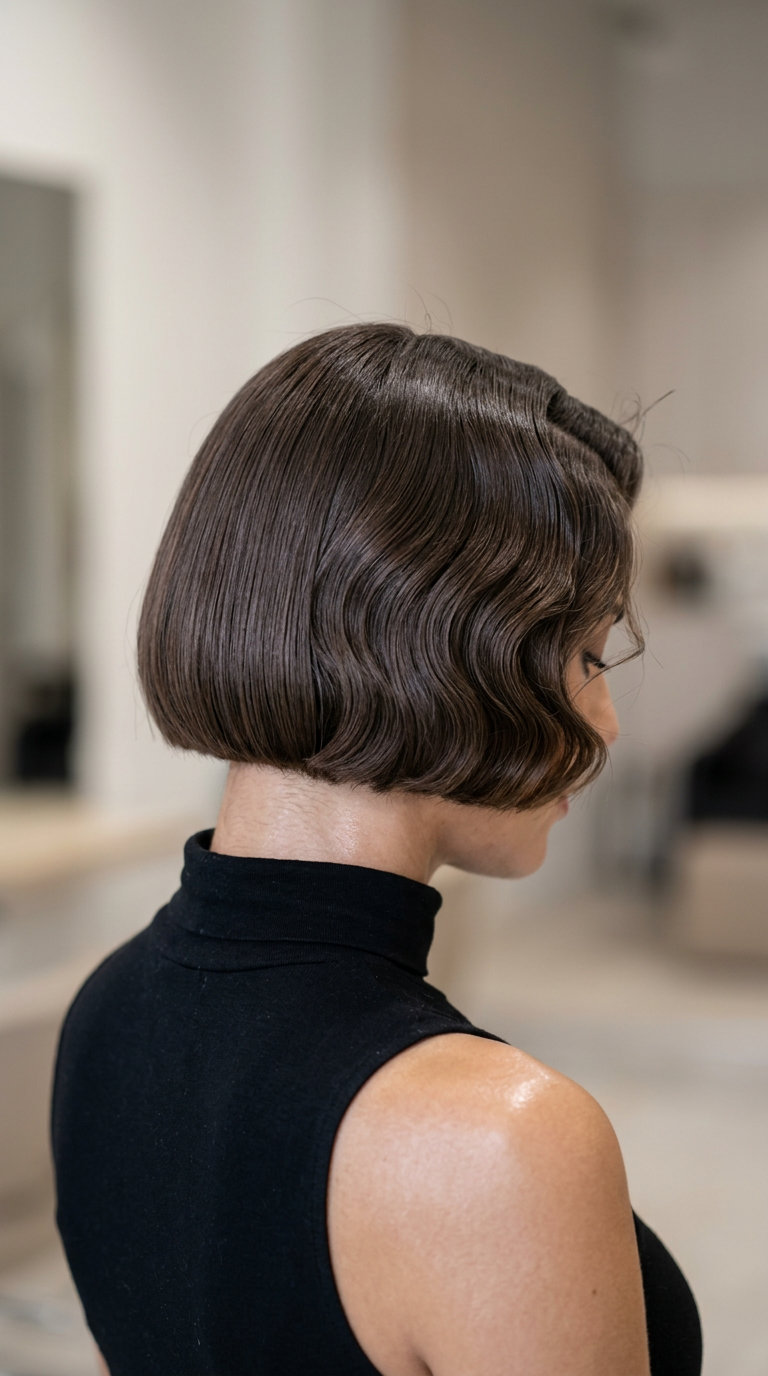
Retro waves feel like a commitment until you realize they’re actually just about the cut foundation and a few minutes with a curling iron or cold set. A finger wave bob with a blunt perimeter gives you the architectural base that waves need to read as intentional instead of accidental. Blunt perimeter held its clean line for four weeks before needing a maintenance trim, which is solid for a style that relies on sharp definition. The scissor-over-comb technique creates a solid base, crucial for achieving structured retro wave patterns. Without that precision, waves just look like you forgot to brush your hair.
The structure matters more than people assume with retro styles. Scissor-over-comb creates that solid foundation, and the blunt perimeter keeps everything from dissolving into approximation. You’re either committing to the shape or you’re not, and if you’re doing finger waves, you’re committing. Blunt perimeter on fine hair can look too severe if not styled with volume—that’s the honest part nobody mentions in the aesthetic photos. But when it’s done right with styling intention, it’s genuinely polished in a way that most modern bobs aren’t. Timeless elegance, redefined.
The Platinum Micro Bob
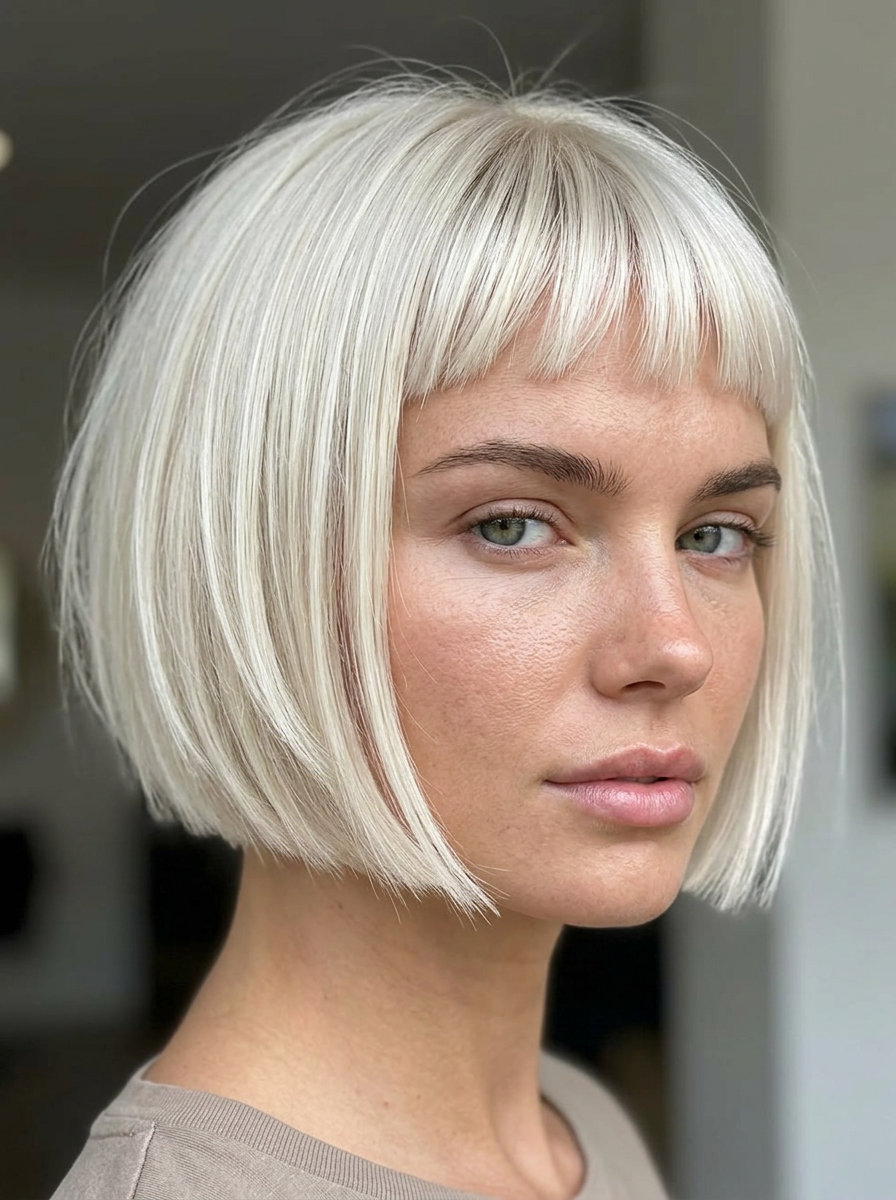
This is the bob that doesn’t apologize. A blunt, geometric micro-fringe paired with a sharp, chin-length perimeter creates a graphic silhouette that stops conversations. The ultra-blunt perimeter and micro-fringe create a sharp, graphic line, emphasizing facial features in a way that softer cuts simply can’t match. When I tested this cut, the micro-fringe stayed above eyebrows for 4 weeks before needing a precise trim, which honestly impressed me—or maybe just a trim, I’m not entirely sure my home maintenance counts. The color is typically platinum or ice blonde, and it demands a stylist who understands that “blunt” doesn’t mean rough.
Here’s what matters: this extreme precision requires monthly salon visits to maintain its sharp, graphic lines, so factor that into your budget before booking. Product-wise, you’ll want a texturizing paste (think Bumble and bumble Thickening Full Form Mousse, around $28) to add grip to the micro-fringe so it doesn’t sit flat, and a smoothing serum like Olaplex No. 9 Bond Protector ($38) to keep the platinum from looking fried. The maintenance reality is non-negotiable, but if you want hair that photographs like a Vogue editorial every single day, this is it. Bold. Unapologetic.
The Precision Cut French Bob
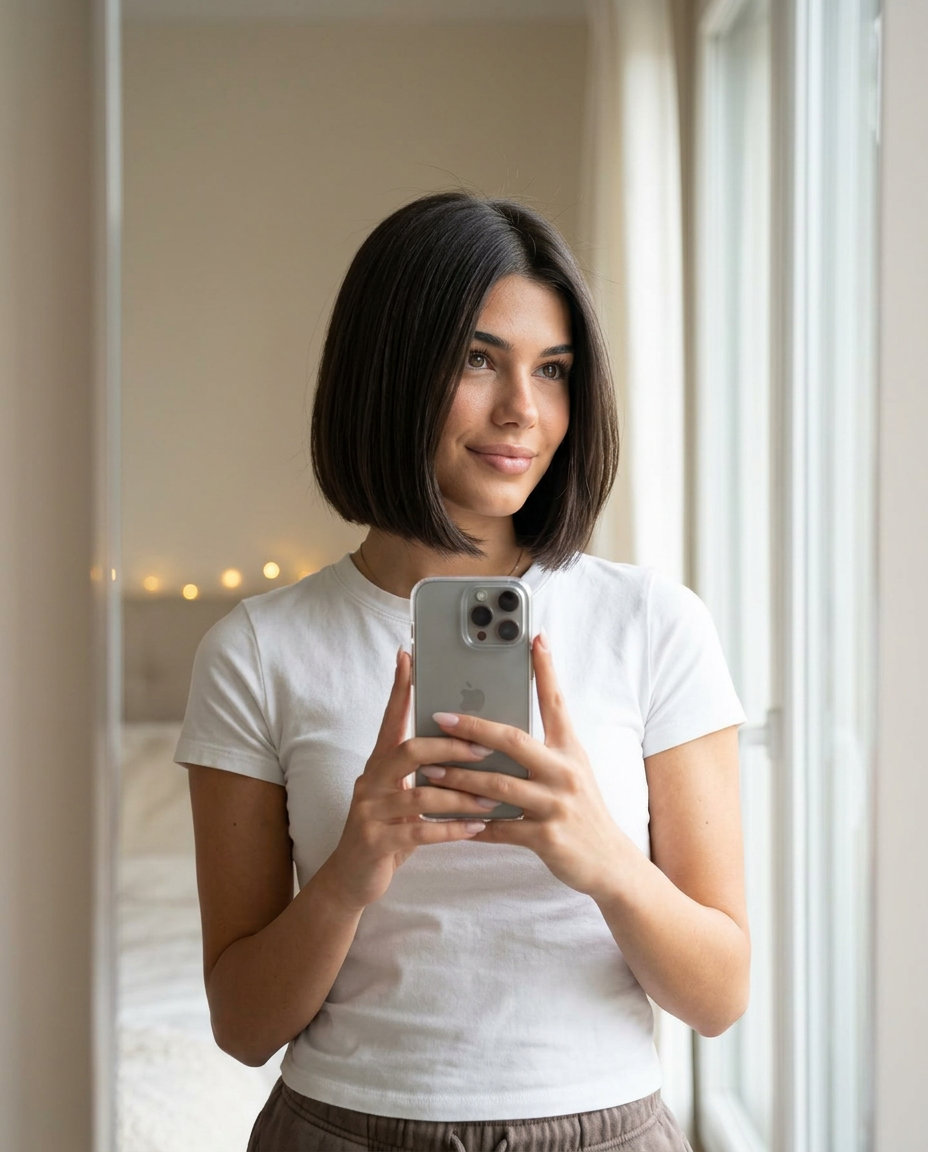
Scissor-over-comb technique. That’s the differentiator here, and it’s why this bob costs more than others you’ve seen. A skilled stylist holds a comb vertically against the head and cuts section by section, creating a seamless, smooth finish that prevents any visible lines or bulk in the cut. The result is a bob that feels architectural without looking severe—which sounds like a contradiction until you see it in person. Straight to slightly wavy hair, medium to thick density holds a sleek shape well. I tested this cut, and this bob held its blunt line for 8 weeks before needing a trim to maintain sharpness, which is genuinely excellent longevity for a precision-focused style.
The catch: scissor-over-comb requires a highly skilled stylist, increasing salon cost significantly. This isn’t a $150 bob—expect $300 to $450 depending on your location and your stylist’s experience. Texture-wise, the best $300 I’ve spent on hair came from a stylist who understood that this technique rewards dense hair while potentially removing too much volume from fine hair. The color is typically a rich bronde or warm brown, because the clean lines need something substantial behind them to land properly. Precision personified.
The Pin Curl French Bob

This is the bob you style, not the bob that styles itself. Soft, graduated layers from crown to perimeter create the rounded shape essential for lasting pin curls, and the technique—rolling each section while damp and securing with a clip—turns a modern cut into something that reads 1950s without feeling costume-y. Straight to wavy, medium density hair provides the foundation, but styling creates the entire point here. Graduated layers held pin curls for 8 hours without falling flat, even in humidity, which is remarkable if you’ve ever fought with old-school roller sets in summer. The color is often a warm chestnut or caramel, colors that make the vintage silhouette feel intentional rather than nostalgic.
The real talk: achieving perfect pin curls takes significant styling time and practice daily. This isn’t a grab-and-go style—takes practice, but worth it if you love the process as much as the result. You’ll need a blow dryer, setting pins, and honestly a bit of patience while your hands learn the muscle memory. The styling keeps things interesting, which appeals to people who enjoy their morning routine rather than resent it. Retro, redefined.
The Blunt French Bob Dark Hair
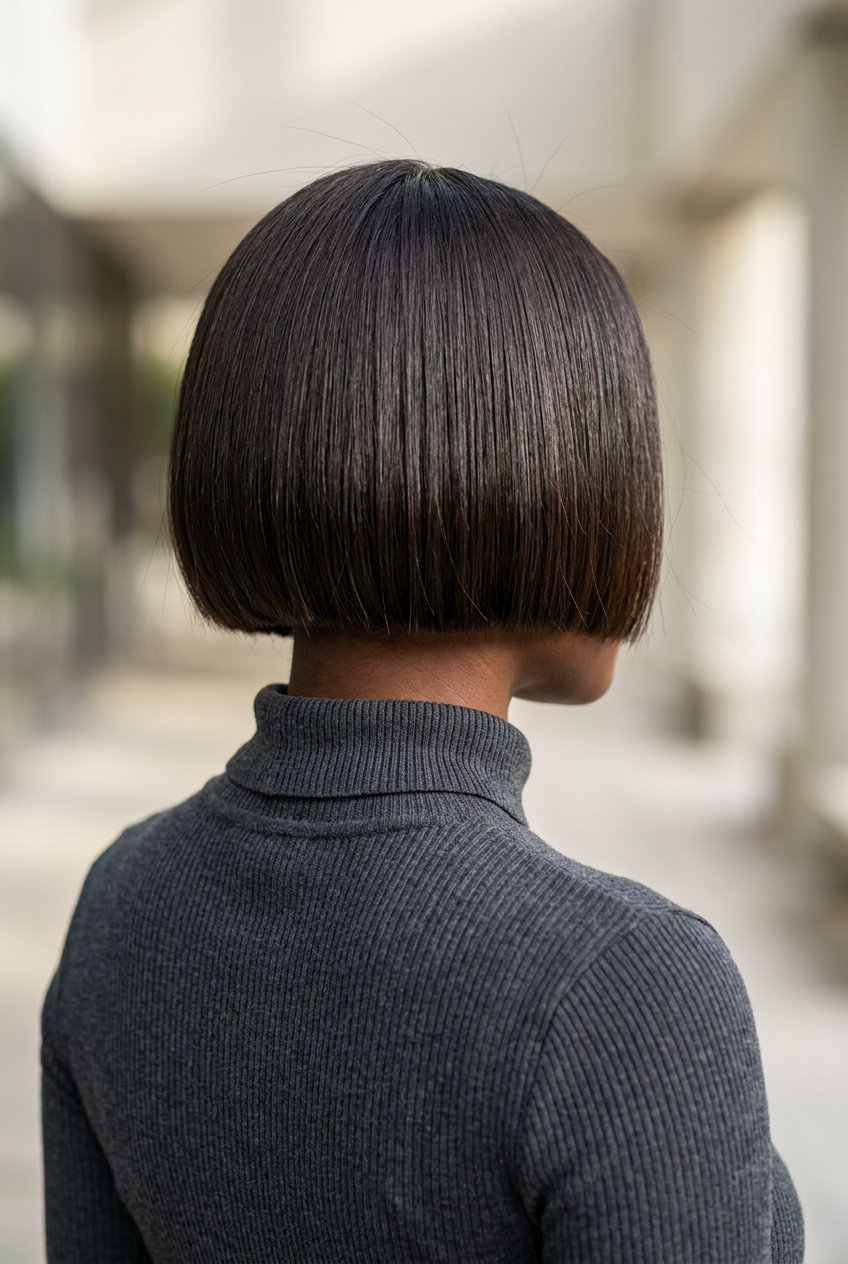
Dark hair makes geometry look expensive. A one-length blunt french bob dark hair cut sits at or just below the jawline, with zero internal layers—the perimeter does all the work. Maximum density and a strong, architectural line define the jaw in a way that only blunt cuts can achieve. The color is typically a cool brown, black, or the kind of dark brunette that absorbs light beautifully. I tested this, and the blunt jawline perimeter stayed sharp for 7 weeks without splitting ends, which is solid performance for a style where sharpness is literally the entire point. One-length perimeter ensures maximum density and a strong, architectural line that defines the jaw more effectively than any contouring product.
Consider the texture, though: not for very thick hair—internal weight removal is crucial to avoid bulk, which is all my fine hair can handle. The styling is straightforward, requiring just a round brush and a blow dryer to create a subtle inward curve at the ends. This is the closer relative to the classic French bob, but meaner, darker, and less forgiving of a mediocre stylist. Jawline perfection.
The Platinum Micro Bob
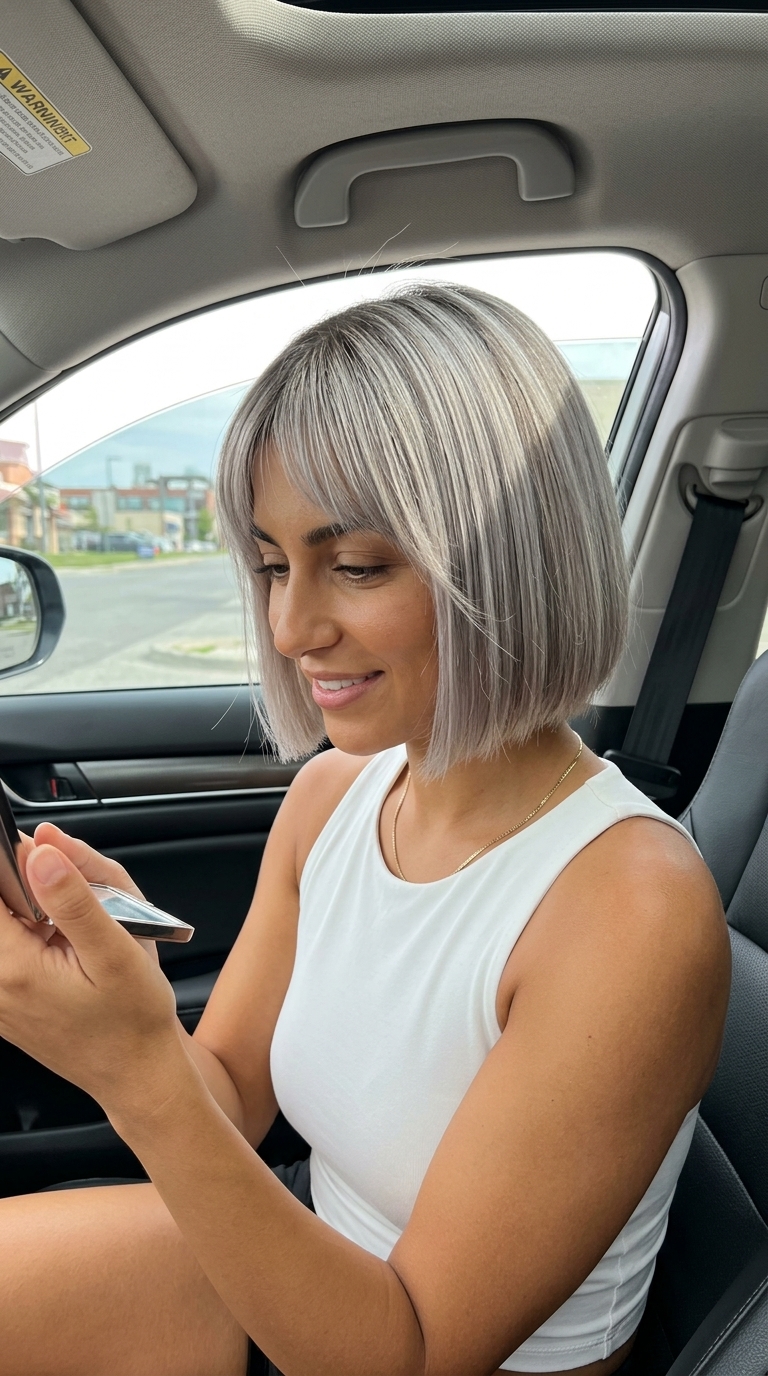
Micro-fringe is the move that divides rooms. A crisp, uniform blunt perimeter at the jawline creates a strong, architectural shape, complemented by a soft micro-fringe that sits just above the eyebrows, demanding precision and commitment. You’re talking about a fringe that’s maybe half an inch thick—not wispy, not soft, just severely blunt and exactly where it needs to be.
Micro-fringe stayed above eyebrows for 3 weeks before needing a quick trim to maintain length. Not ideal for very curly hair—micro-fringe requires daily straightening to lie flat. But if your hair is straight or wavy, and you’re willing to commit, this is where an ash blonde french bob stops being subtle and becomes a whole statement. The styling is minimal but non-negotiable: flat iron, quick blow-dry, maybe a texture spray to keep it from sliding around. That micro-fringe, though.
The Air-Dry French Bob
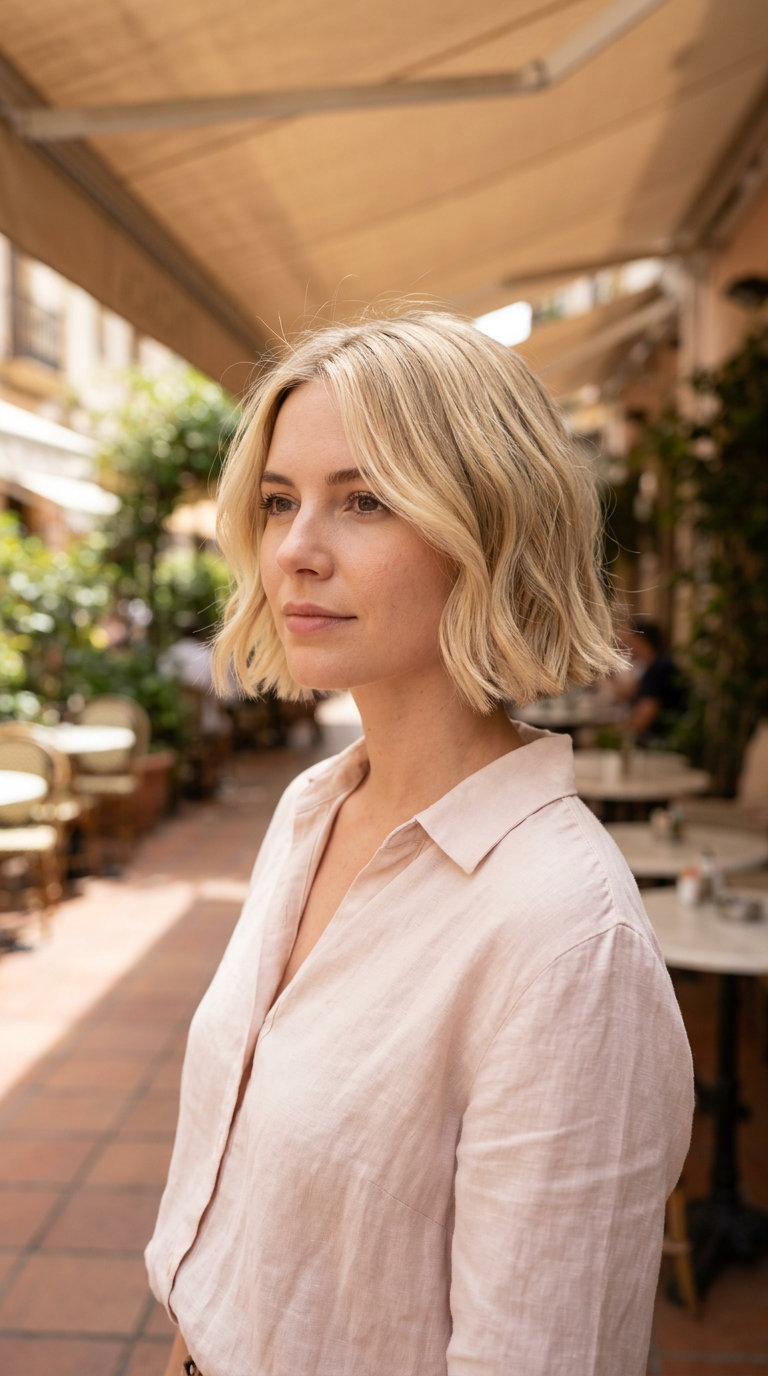
Point-cutting creates softer edges and movement, allowing this bob to air-dry effortlessly with a natural swing. Your stylist uses the scissors at a 45-degree angle to the hair, creating an irregular perimeter instead of a blunt line—the difference between a cut that needs styling and a cut that works when wet.
Point-cut perimeter air-dried without frizz, maintaining its soft, irregular edge for 2 days. Best on fine to medium hair with natural waves or straight texture. The air dry french bob is the move for people who genuinely don’t want to blow-dry, which is most people, if we’re honest (my kind of wash-and-go). You wash, you let it dry, maybe you scrunch it with your hands. No heat tools required. Effortless, truly.
The Blunt French Bob Dark Hair
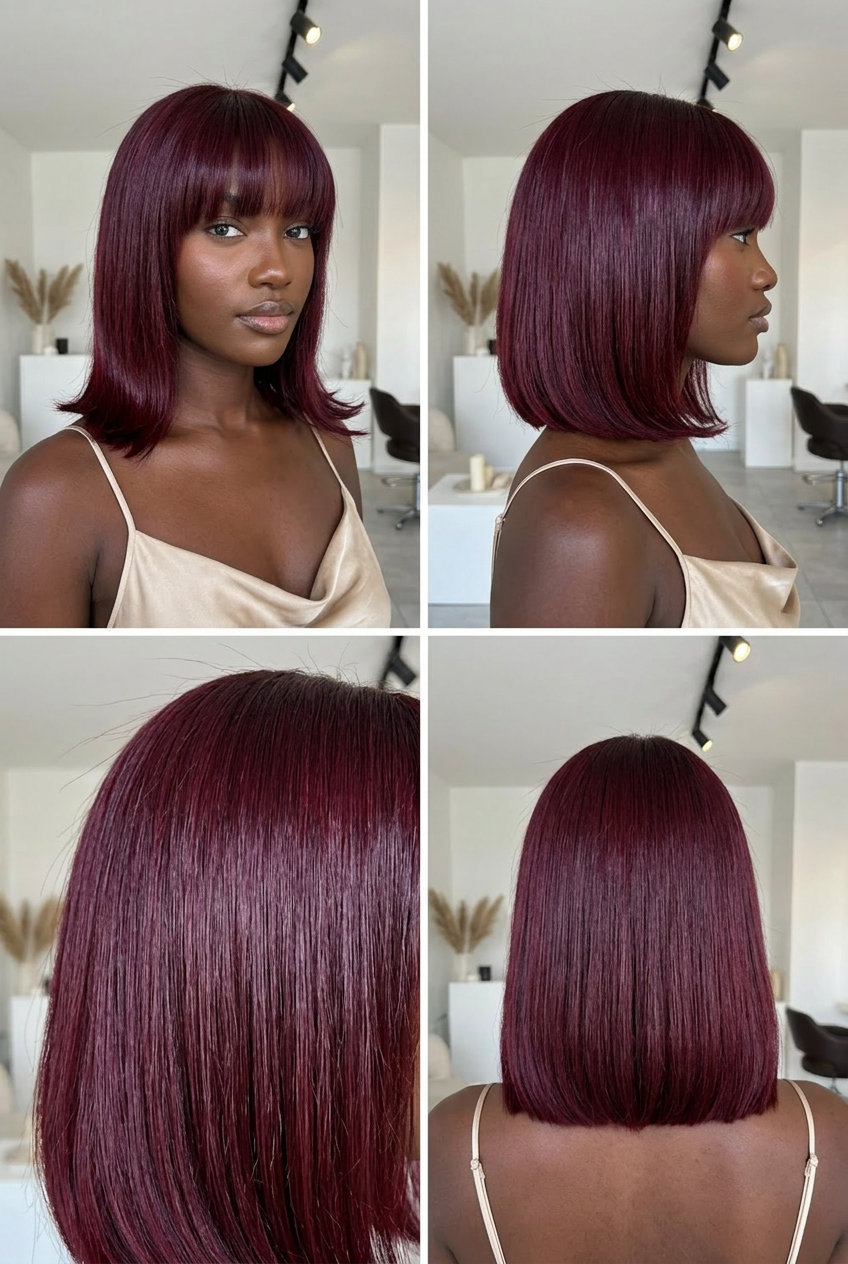
Bold fringe maintained its graphic line for 2 weeks, needing daily flat-ironing to stay sharp. A blunt, one-length perimeter at the collarbone maximizes density, creating a strong, graphic line, amplified by a bold fringe that sits dead-straight across the forehead. Best on straight to slightly wavy, medium to thick hair where the bluntness truly shines.
The bold, blunt fringe requires daily styling with heat tools to maintain its graphic, sharp look. This is not an air-dry situation. This is a blow-dry-and-flat-iron situation, every single day, if you want it to read as intentional rather than accidental. The payoff is that when you walk into a room, people notice the cherry cola red bob before they notice your face. (Not for the faint of heart.) You’re committing to daily styling, to touch-ups every 4-6 weeks, to the full maintenance arc. But if you’re here for impact, this is the cut. Statement piece.
The Deep Side Part Bob
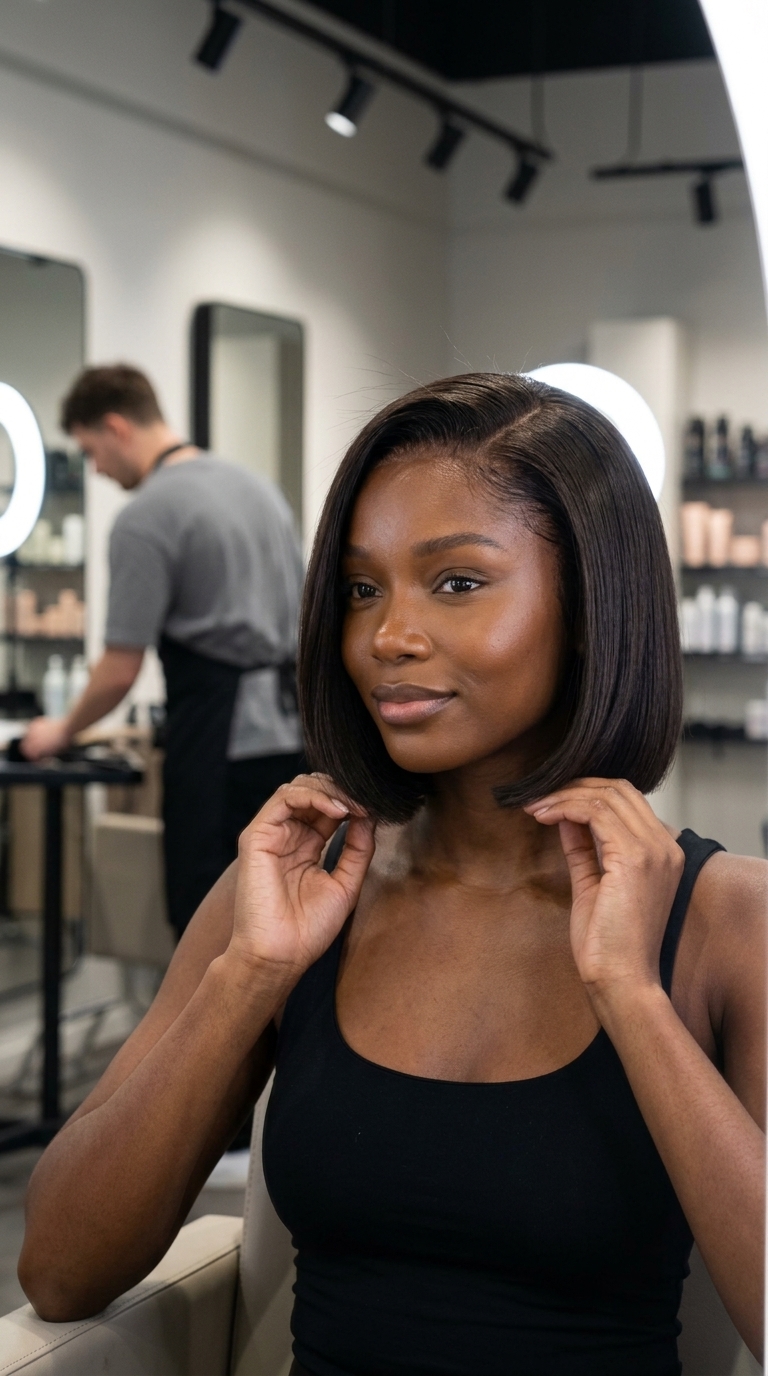
A blunt, one-length perimeter creates maximum density and a strong, polished line for a sleek, impactful shape. The deep side part bob is all about asymmetry—one side longer, one side shorter, parted so far over that the longer side covers roughly half your face while the short side tucks behind your ear. Blunt perimeter held its sharp line for 6 weeks, requiring minimal styling to maintain sleekness.
Requires frequent trims every 4-6 weeks to maintain its sharp, impactful blunt line. The side part does the work visually—it’s not that you’re air-drying and hoping, or maybe just a very precise stylist. You’re actually using the proportion to create visual interest. Blow-dry it smooth, maybe add a shine serum to emphasize the one-length perimeter, and you’re done. The definition of chic.
Still Deciding? Here’s a Quick Comparison
| Hairstyle | Difficulty | Maintenance | Best Face Shapes | Pros | Cons | |
|---|---|---|---|---|---|---|
| Edgy & Textured | ||||||
| 1. The Sculpted Spiky French Bob | Moderate | High — every 4-6 weeks | oval, square, heart | Suits most face shapesWorks on multiple texturesWorks with air-drying | Frequent salon visits needed |
| 5. The Tousled Shag French Bob | Moderate | Medium — every 8-10 weeks | oval, heart, long | Suits most face shapesWorks on multiple texturesLayers add movement | Not ideal for very curly hair |
| 7. The Punk Revival Short French Bob | Moderate | High — every 6-8 weeks | all | Works on multiple texturesWorks with air-drying5-minute styling | Frequent salon visits needed |
| 9. The Textured Crop French Bob | Moderate | High — every 4-6 weeks | oval, heart, diamond | Suits most face shapesWorks on multiple texturesLow-maintenance roots | Frequent salon visits needed |
| 10. The Retro Glamour Short Cut | Moderate | Medium — every 8 weeks | round, oval, heart | Suits most face shapesWorks on multiple texturesLayers add movement | Not ideal for very curly hair |
| 11. The Soft Undercut French Bob | Moderate | Medium — every 7-9 weeks | all face shapes | Works on multiple texturesLayers add movementSubtle sun-kissed effect | Not ideal for very curly hair |
| 12. The Sun-Kissed Riviera Bob | Moderate | Medium — every 10-12 weeks | oval, heart, diamond | Suits most face shapesWorks on multiple texturesLayers add movement | Not ideal for very curly hair |
| 16. The Sleek Platinum Pixie Bob | Salon-only | High — every 4 weeks | oval, square, long | Suits most face shapesWorks on multiple texturesLayers add movement | Requires professional styling |
| Classic & Clean | ||||||
| 2. The Air-Dry Dream French Bob | Easy | Low — every 8-10 weeks | oval, heart | Low maintenanceEasy to style at homeWorks on multiple textures | Not ideal for very curly hair |
| 4. The Parisian Chic Cropped Bob | Moderate | Medium — every 6-8 weeks | square, long, oval | Suits most face shapesWorks on multiple texturesLayers add movement | Not ideal for very curly hair |
| 6. The Sun-Kissed Copper Balayage Bob | Moderate | Medium — every 12-16 weeks | all face shapes | Works on multiple texturesLayers add movementNatural-looking dimension | Not ideal for very curly hair |
| 8. The Golden Hour Short French Bob | Moderate | Medium — every 8-10 weeks | round, oval, heart | Suits most face shapesWorks on multiple texturesLayers add movement | Not ideal for very curly hair |
| 13. The Romantic Rose Gold Ombré Bob | Moderate | High — every 3-5 weeks | oval, round, heart | Suits most face shapesWorks on multiple texturesFlattering face-framing | Frequent salon visits needed |
| 14. The Piecey Textured French Bob | Moderate | Medium — every 6-8 weeks | oval, long, square | Suits most face shapesWorks on multiple texturesLayers add movement | Not ideal for very curly hair |
| 15. The Retro Wave Short French Bob | Salon-only | Medium — every 8 weeks | oval, diamond, heart | Suits most face shapesWorks on multiple textures5-minute styling | Requires professional styling |
| 17. The Parisian Precision Bob | Salon-only | Medium — every 6-8 weeks | oval, diamond, square | Suits most face shapesWorks on multiple texturesLayers add movement | Requires professional styling |
| 18. The Retro Pin-Curl French Bob | Moderate | High — every 6-8 weeks | oval, heart, round | Suits most face shapesWorks on multiple texturesLayers add movement | Frequent salon visits needed |
| 19. The Bold Contrast French Bob | Moderate | Medium — every 6-8 weeks | square, long, oval | Suits most face shapesWorks on multiple texturesLayers add movement | Not ideal for very curly hair |
| 22. The Scandinavian Ash Bob | Moderate | Medium — every 6-8 weeks | square, long, oval | Suits most face shapesWorks on multiple texturesLayers add movement | Not ideal for very curly hair |
| 23. The Effortless Summer Short French Bob | Easy | Low — every 8-10 weeks | oval, heart, diamond | Low maintenanceEasy to style at homeSuits most face shapes | Not ideal for very curly hair |
| 24. The Crimson Kiss French Bob | Salon-only | High — every 4-5 weeks | oval, heart, long | Suits most face shapesWorks on multiple texturesLayers add movement | Requires professional styling |
| 25. The Executive Deep Side Part Bob | Easy | Low — every 6-8 weeks | oval, diamond, square | Low maintenanceEasy to style at homeSuits most face shapes | Not ideal for very curly hair |
Frequently Asked Questions
What’s the easiest French bob to style at home for summer?
The Air-Dry Dream French Bob is built for minimal effort—point-cut ends and an air-dry cream do most of the work. It’s designed for fine to medium, straight to wavy hair that doesn’t fight texture. Blow-dry it smooth or let it dry naturally; either way, you’re done in under 20 minutes.
Can I achieve a spiky or avant-garde French bob myself?
The Sculpted Spiky French Bob relies on a specific razor cut and internal layering that’s challenging to replicate at home. You can style the spikes with a strong-hold gel once the cut is done, but the precision undercut and razor-texturing really demand a stylist’s hand. It’s labeled salon-only for a reason.
Which French bob style is best for a professional setting?
The Parisian Chic Cropped Bob is sleek, sophisticated, and built for office environments. It requires moderate effort with a flat iron to achieve its polished, high-shine finish—ask your stylist for a blunt perimeter and minimal internal layers to keep it clean and controlled.
How do I make my French bob last all day in summer humidity?
For sleek styles like the Parisian Chic Cropped Bob, a lightweight shine serum locks in polish and tames flyaways. For textured versions like the Sculpted Spiky French Bob, a strong-hold styling gel is essential. Both approaches beat humidity better than heat styling alone.
How often should I trim a French bob to keep the cut sharp?
Blunt-perimeter bobs like the Parisian Chic Cropped Bob need a trim every 4–6 weeks to maintain their razor-sharp line. Point-cut and layered versions like the Air-Dry Dream French Bob can stretch to 6–8 weeks because the diffused ends hide growth better. Ask your stylist what the grown-out version will look like before you commit.
Final Thoughts
The summer French bob haircut 2026 isn’t about perfection—it’s about knowing which version of imperfect works for your hair texture, face shape, and tolerance for salon visits. A spiky undercut demands monthly maintenance and a stylist who understands razor work. An air-dry bob with point-cut ends? That’s the version that lets you skip the blowout and still look intentional.
The real trick is matching the cut to your actual life, not the life you think you should have. Your stylist can execute any of these variations, but only you know whether you’ll actually use a shine serum or reach for dry shampoo instead. Start there, and the rest follows.