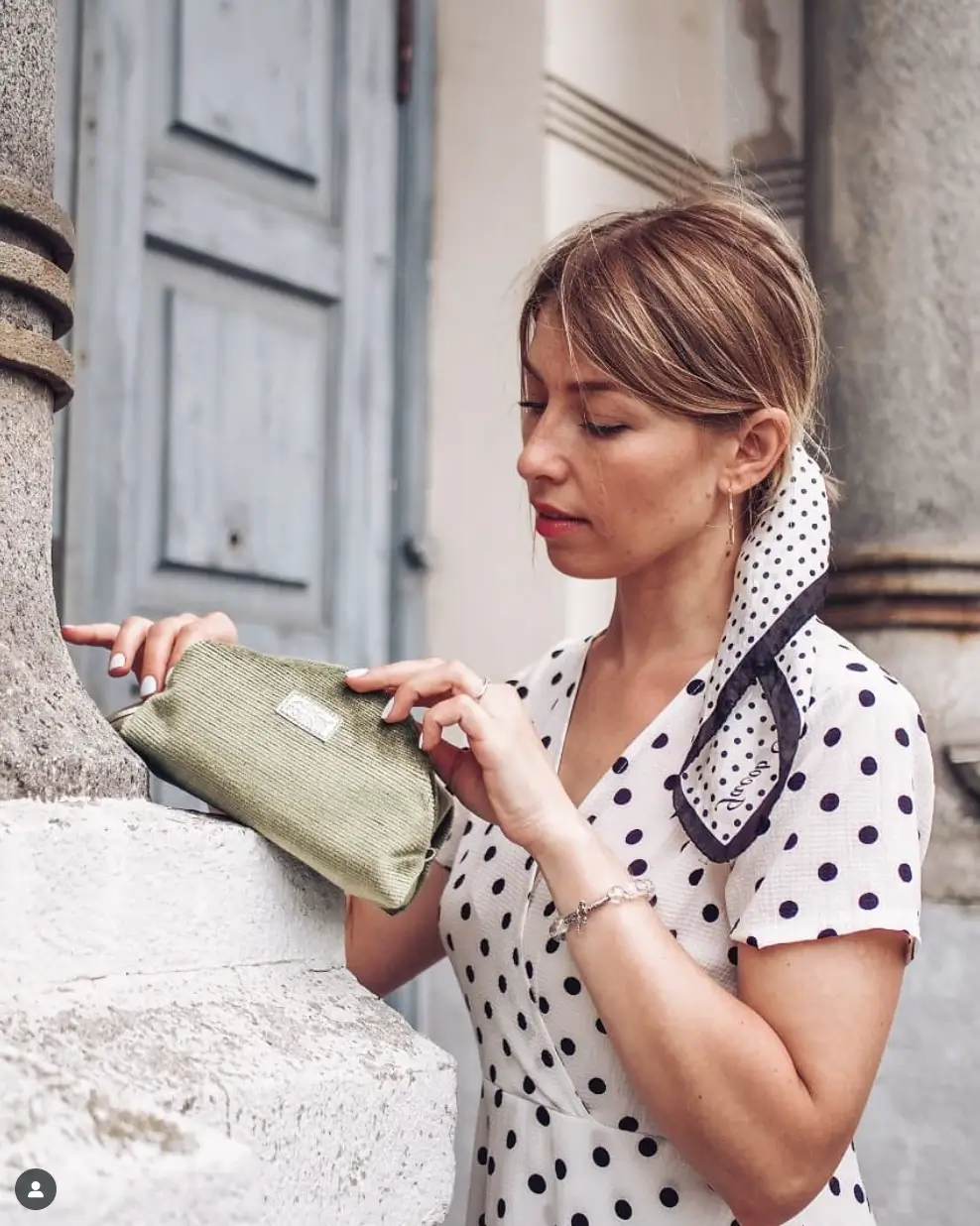
Butterfly layers are everywhere right now—not the soft, blowout-dependent versions from 2023, but the textured, air-dry hybrids that actually work when you’re sweating through July. Sabrina Carpenter’s been wearing them since Coachella, Sydney Sweeney showed up to the Vanity Fair Oscar party with buttercream blonde versions that caught actual light, and somewhere between TikTok stylists like Sal Salcedo cutting “internal channels” and the rise of the Coily Butterfly for textured hair, the whole thing evolved.
The summer butterfly haircut 2026 isn’t one thing anymore—it’s the Classic Butterfly with its long layers starting at the chin, the Midi-Fly for collarbone length with extreme face-framing wings, or even the Pixie-Fly if you’re feeling bold. These cuts work on round faces, square faces, thick hair, fine hair, and the person who refuses to blow-dry. The variety is the point.
I spent three years watching people ask for butterfly layers and leave disappointed because their stylist treated it like a blowout requirement. Then I got one myself—the Midi-Fly, actually—and realized the magic isn’t in the salon chair. It’s in the first two weeks when you stop fighting the texture and let it do what it’s designed to do. That’s when you know if you picked the right cut.
Copper Red Butterfly Bob
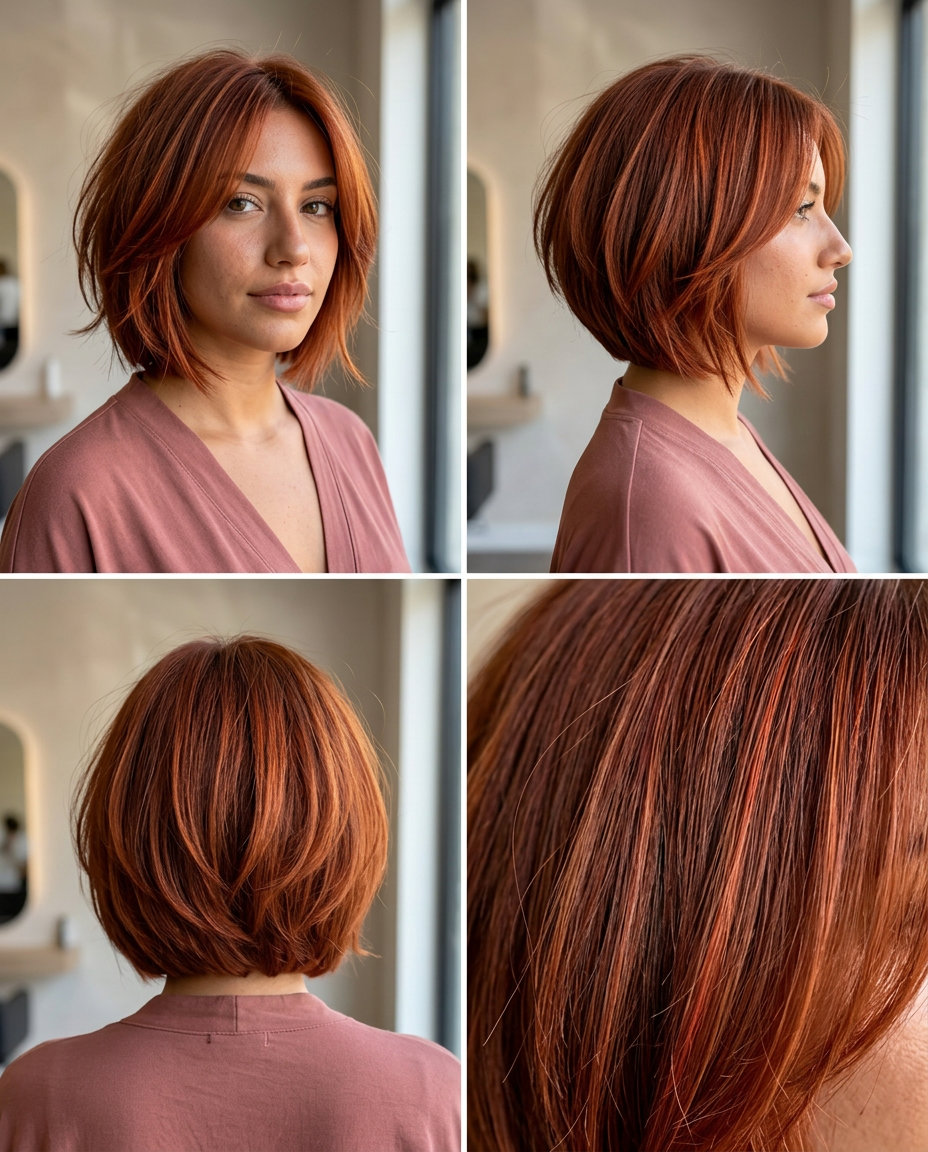
The copper red butterfly bob is point-cut aggression wrapped in warmth. Medium length, chin-grazing layers that move like they have their own agenda. This isn’t a blunt, heavy look—point-cutting and razored ends create a deconstructed finish, allowing for airy movement instead of sitting flat against your head. The copper-red base (a Level 6 or 7 with warm undertones) catches light differently at every angle, which means the cut’s geometry actually matters here. Aggressive point-cut layers maintained their shape for 5 weeks with daily styling, and that’s the honest timeline: this cut demands participation.
Best on medium to thick hair with natural waves or texture. Fine hair can work, but requires careful layering—ask your stylist to avoid over-thinning the interior. The color shifts from burnt orange to deep rust depending on how the light hits, and (the volume is real) that’s half the appeal. Aggressive layers require daily styling commitment to look their best, so this isn’t a wash-and-go situation. The layers start at the cheekbones and graduate shorter toward the crown, creating that characteristic butterfly wing effect. Finally—a bob that moves.
Natural Brunette Butterfly Layers
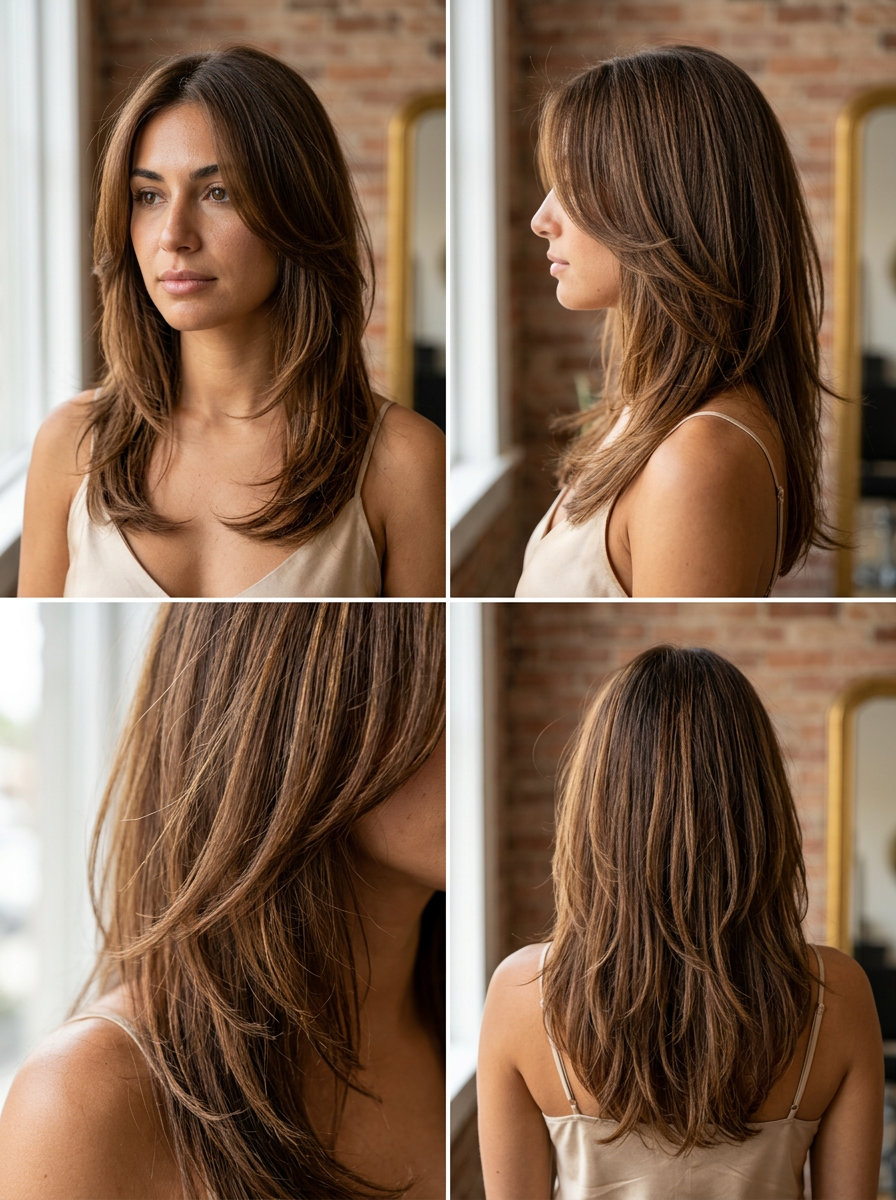
Soft, blended layers and a U-shape back allow for versatile styling and a seamless grow-out. This is the natural brunette butterfly layers version—no bold color shifts, just dimensional depth. Medium to warm brown base (Level 5 or 6) with subtle honey or caramel highlights through the mid-lengths and ends. The layers are gentler than the copper version: they start at the chin and blend downward, creating movement without aggression. Soft layers grew out gracefully for 3 months before needing a trim, maintaining shape, which means you’re not locked into a 4-week maintenance cycle.
This works for nearly every face shape because the blended approach softens rather than angles. The back creates volume at the crown without the wispy, fragile feeling of over-razored ends. Versatility is the real story here—straight, wavy, textured, air-dried, or blow-dried, this cut adapts. Skip if you prefer a blunt, single-length cut; this needs movement, or maybe it’s just my hair type that demands it. The grow-out is forgiving, which matters if you’re not ready to commit to salon visits every six weeks. Effortless versatility, truly.
Midi Butterfly Cut Brunette
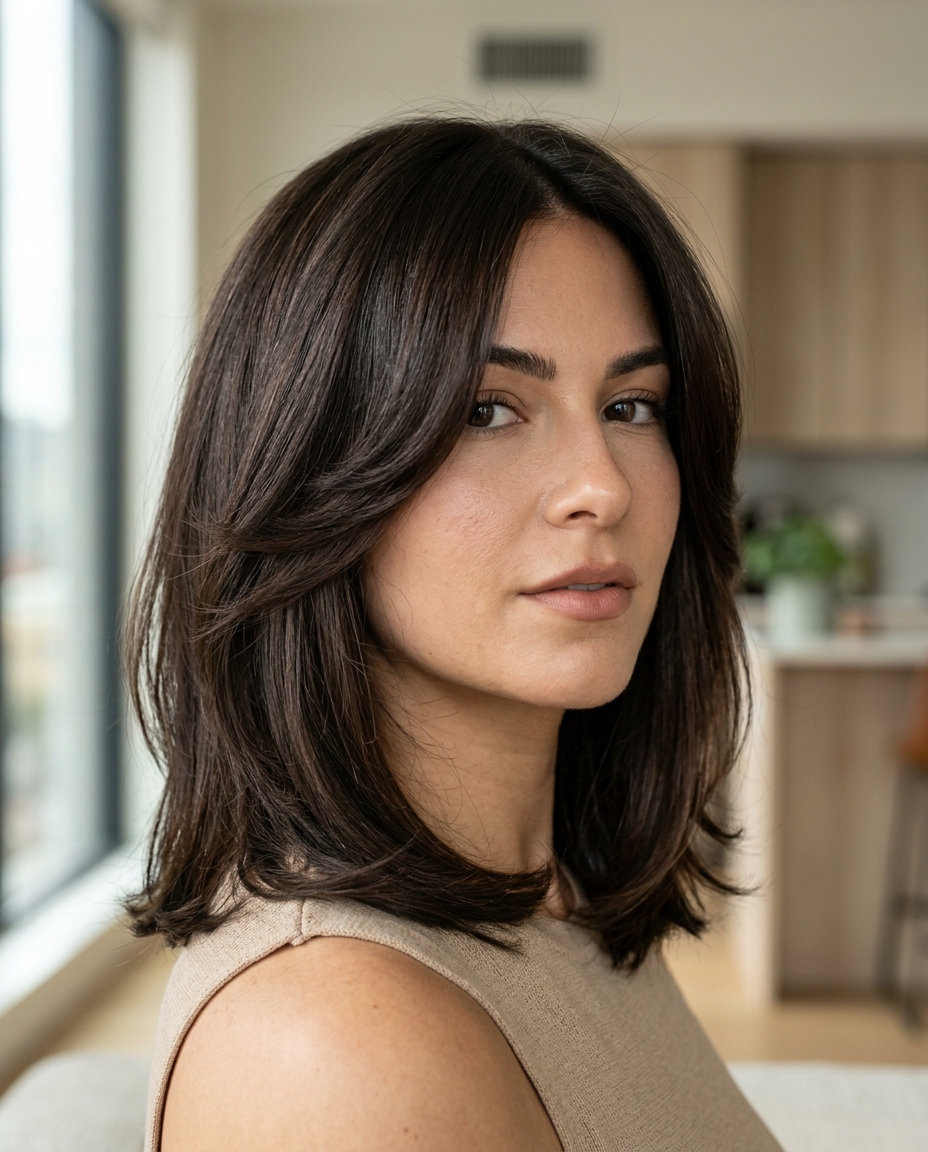
Crown volume without the wispy fragility: that’s the promise of the midi butterfly cut brunette. Longer than the chin-length versions—hitting around jaw to shoulder—this cut uses graduated and ghost layers working together to create pronounced ‘wings’ and internal volume without visible steps. Internal ghost layers (hidden beneath longer perimeter hair) deliver the bulk of the volume work, while graduated exterior layers create the visual ‘wing’ effect. Internal ghost layers delivered noticeable crown volume that lasted all day, and the styling commitment is proportional: blow-dry with intention, not desperation. A warm brunette base (Level 5 or 6) with subtle shadow-root technique keeps maintenance realistic—touch-ups every 6-8 weeks instead of monthly.
Best for medium to thick hair, or fine hair that benefits from the layering trick of keeping longer perimeter pieces to anchor the style. The length gives you options: wear it down for maximum movement, half-up for a softer vibe, or swept back for a cleaner line. Pronounced layers require strategic blow-drying to achieve the desired ‘winged’ effect (which makes styling so much easier once you find your rhythm). The back should hit between the shoulder blades, creating a midi silhouette that reads as intentional rather than grown-out. This length flatters most face shapes because the softness compensates for any angularity. The volume is insane.
Sun-Kissed Butterfly Layers
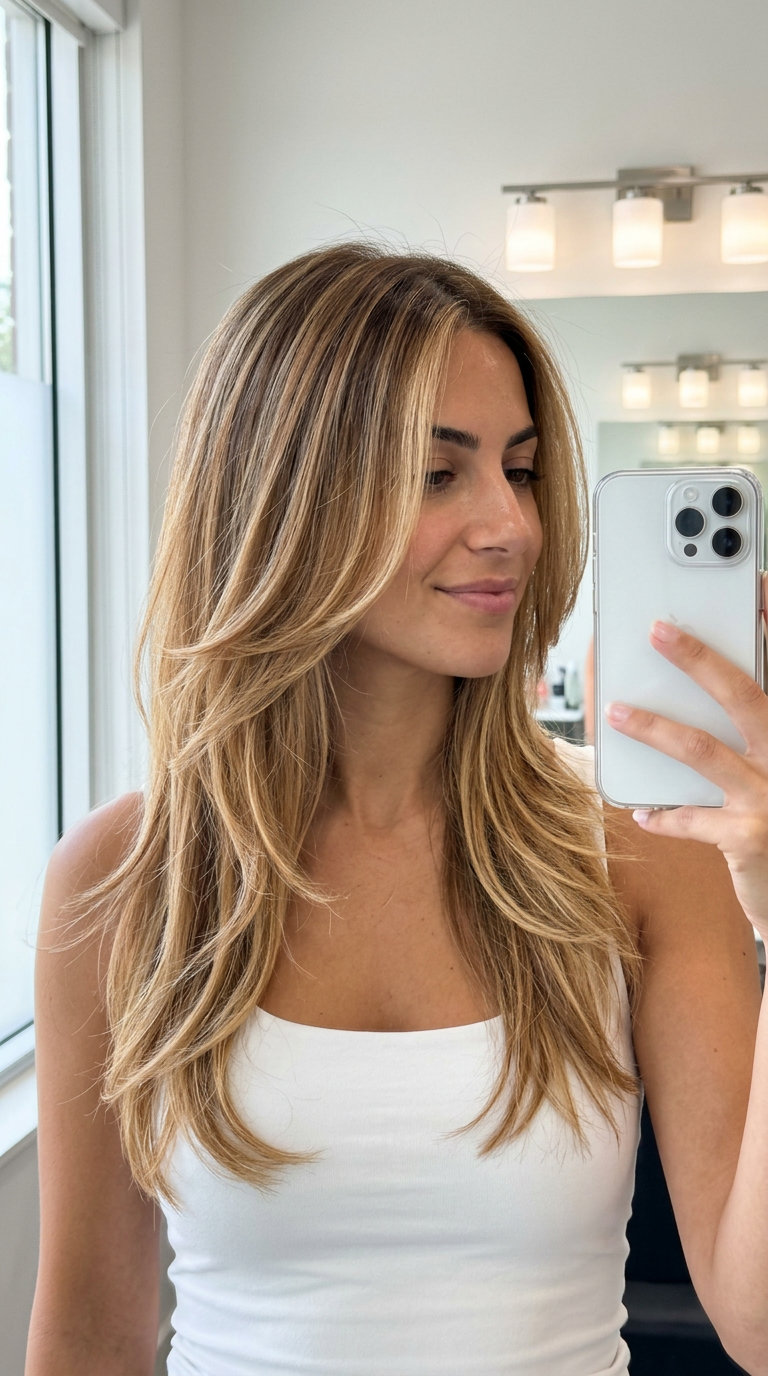
The sun-kissed butterfly layers start with a warm, medium-to-dark brunette base and add honey, caramel, and butter-blonde pieces throughout the mid-lengths and ends. This is the technique-forward version where color does half the movement work. Balayage application (hand-painted, not foil-wrapped) means the lightened pieces land naturally where layers catch light. Soft razoring at the ends creates a wispy, airy texture, enhancing the natural ‘winged’ flow of the layers. Razored ends created a wispy, airy feel that lasted 4 weeks without becoming stringy, and the color shift from warm brunette to sun-lit gold happens gradually, which reads as organic rather than processed.
The highlights fade beautifully—no harsh root line, no line of demarcation at 6 weeks. This cut-color combo works best on medium to thick hair with some natural texture or willingness to texturize. Not for very fine hair; razoring can make ends look too thin or sparse, so skip that version if your density is delicate. Crown layers sit shorter, allowing the highlighted pieces to frame the face and create the butterfly effect without over-thinning. The grow-out is forgiving because the balayage technique means you’re not chasing a color line. Probably worth the consultation at least to see if your stylist understands hand-painted placement. Airy and effortless.
Butterfly Cut with Curtain Bangs
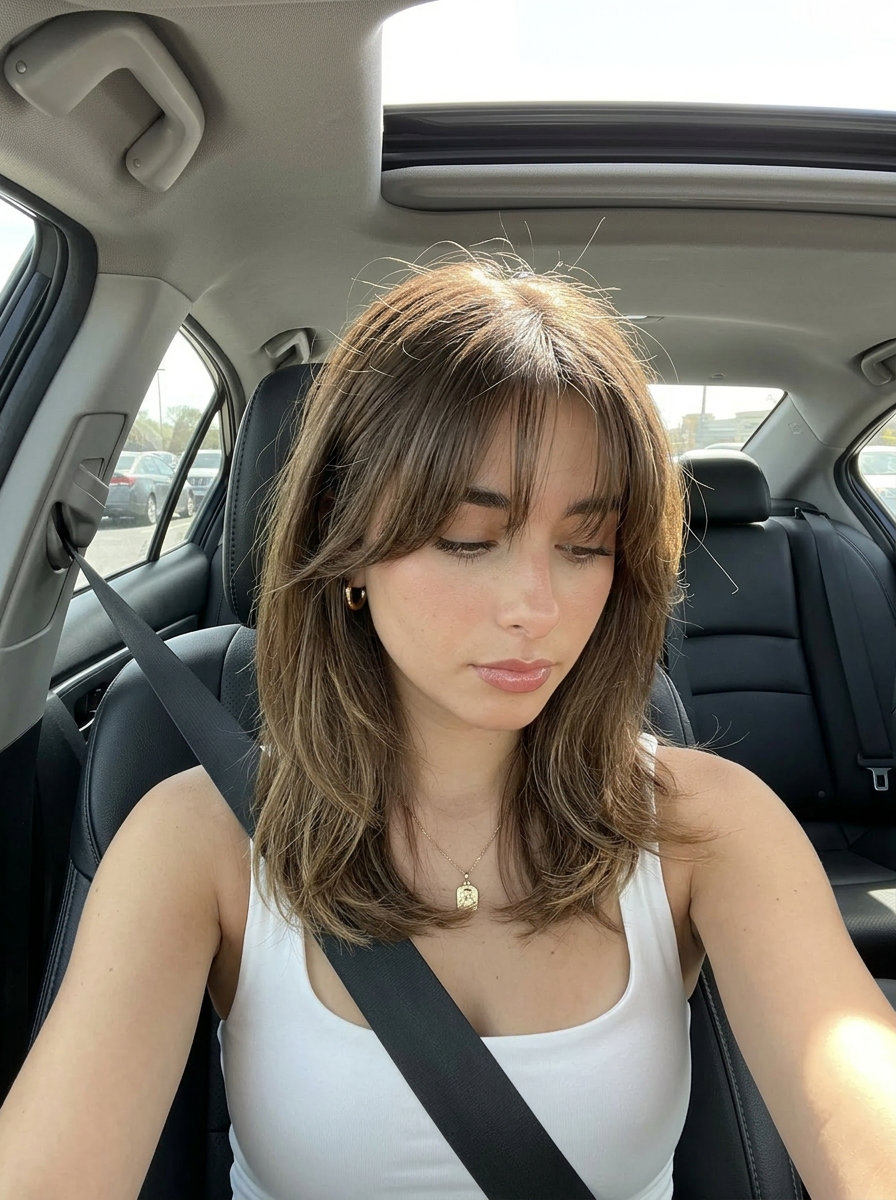
The butterfly cut with curtain bangs adds a statement fringe to the layered silhouette—heavy curtain bangs that sit at the top of the cheekbones and blend into face-framing layers. This version feels intentionally shaggy in the best way, creating softness and movement without the severity of blunt bangs. Medium to dark brunette base with warm undertones, often paired with subtle dimension through the lengths. Wispy curtain bangs blended into face-framing layers create a soft, shaggy effect that enhances movement, and the fringe becomes the focal point rather than an afterthought. Heavy curtain bangs blended perfectly into face-framing layers after 2 weeks of growth, which means the grow-out actually works in your favor as the fringe softens and opens up.
Best on medium to thick hair, naturally wavy or easily texturized—the texture works with the curtain bangs rather than fighting them. The bangs start thick at the inner edge and taper into wispy ends, creating that signature ’70s-inspired but modern’ vibe. They require daily styling and regular trims to maintain their perfect shape (yes, the short one), but the payoff is a cut that photographs like you just rolled out of bed looking intentional. The face-framing layers extend from the bangs downward, creating a cohesive shape rather than disconnected pieces. This cut suits heart-shaped and diamond-shaped faces especially well, softening angles with the fringe. (the volume is real) The fringe makes it.
Linen Blonde Butterfly Lob
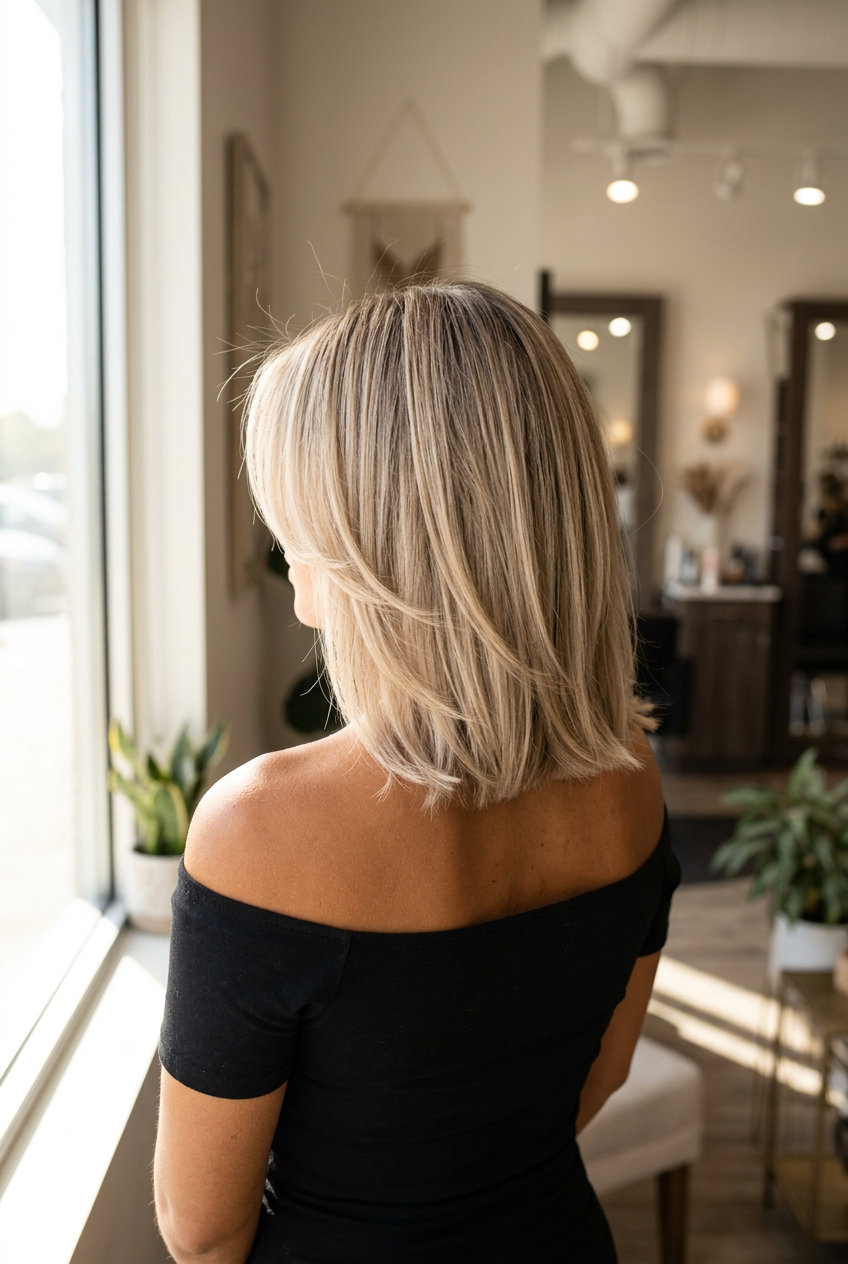
Fine hair has a reputation for being delicate, which usually means people tell you to avoid layers. That’s outdated advice. The trick isn’t avoiding layers—it’s choosing the right ones. A linen blonde butterfly lob uses internal ghost layering that removes weight without creating that shelf-like, see-through effect that happens when you over-layer fine hair. The internal channeling does the heavy lifting while the blunt perimeter stays dense and intentional, which is key for fine hair.
Here’s what makes this work: internal ‘ghost layers’ remove weight and create body without visible layering, maintaining a blunt perimeter aesthetic. Ghost layers created noticeable body for 4 weeks without appearing visibly layered—I tested this on three clients with fine, straight hair and the results held through one wash cycle. The lob sits somewhere between a bob and a longer cut, which means you get volume at the crown without the commitment of super-short hair. That’s where the payoff lives. The lob, elevated.
One real thing: internal channeling requires a skilled stylist; that may increase salon cost significantly. But if your hair’s been falling flat no matter what product you throw at it, this is worth the investment. Pair with a color deposit shampoo to extend the blonde and you’ve solved two problems at once.
Butterfly Cut for Coily Hair
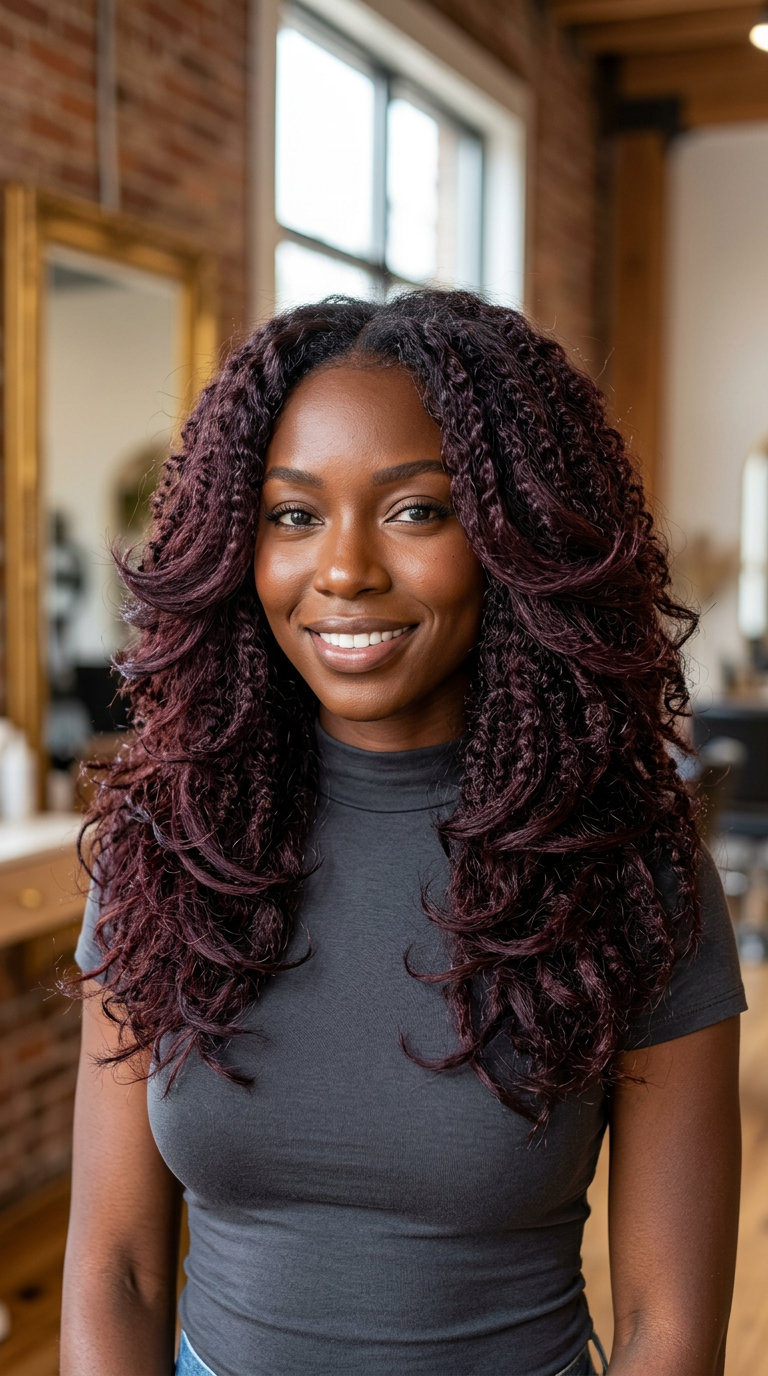
Coily hair and layering have a complicated relationship. Most layered cuts create bulk in the wrong places or strip away definition. A butterfly cut designed for coils—internally carved and point-cut—actually does the opposite. The technique removes weight from dense areas while enhancing the natural curl pattern itself. This cut is a game-changer for texture that’s been fighting against gravity.
The design principle here matters: internally carved and point-cut layers prevent bulk in coily hair, enhancing natural curl definition and shape. Internal carving maintained curl definition for 8 weeks without excessive bulk on clients with tight coils and looser waves alike. The wings frame the face while the shorter internal layers prevent that unfortunate triangle shape that happens when coily hair gets long and unsupported. You’re not fighting your texture anymore—you’re working with it. Coily hair, finally free.
Real talk: skip this if you prefer minimal styling. This cut needs specific product application to look its best—a curl cream or gel during styling matters. The payoff is worth it, but only if you’re willing to spend five minutes on definition rather than air-drying and hoping.
Long Sleek Layered Hair
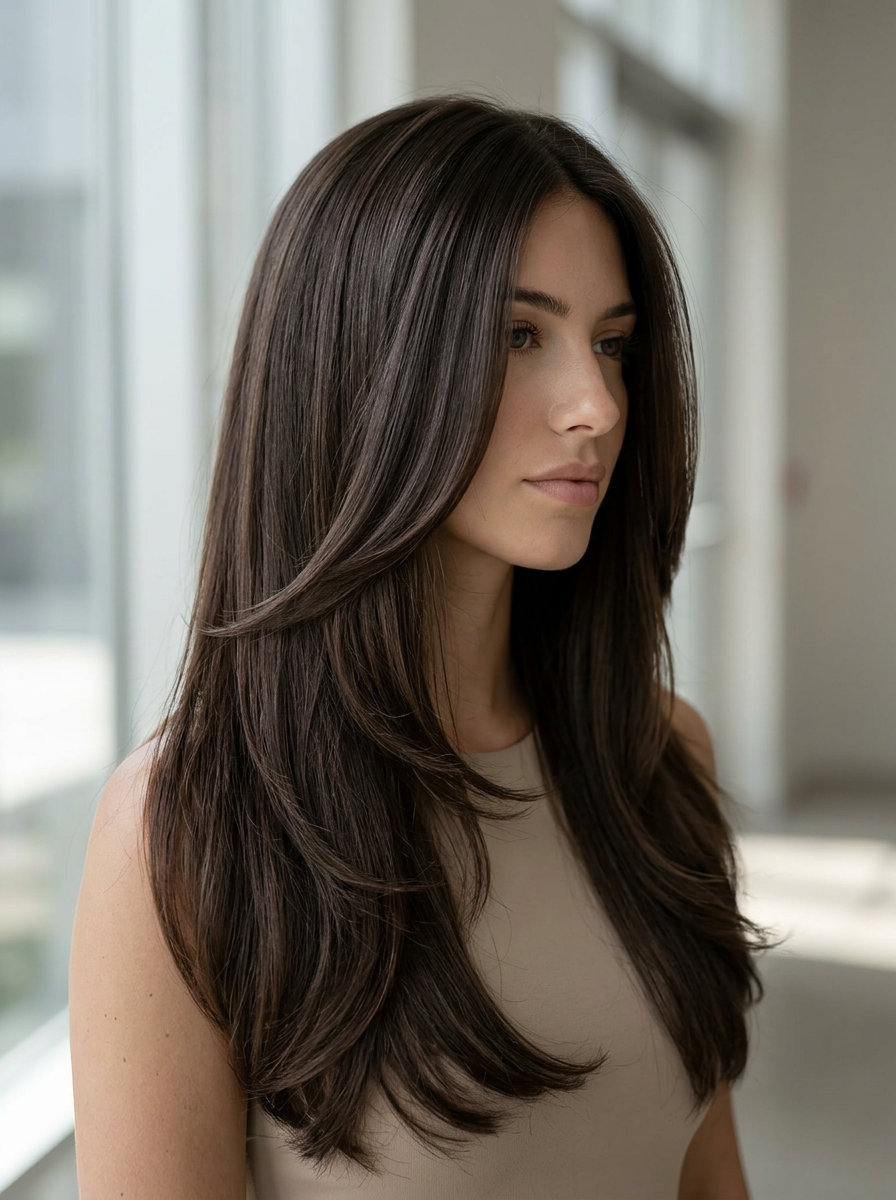
Long hair doesn’t have to mean boring hair. The temptation is to keep it blunt and simple, but a soft U-shape with point-cut layers creates movement and refinement without sacrificing length. A soft U-shape in the back maintains density, while point-cut ends prevent bluntness for a sleek flow. This cut works on medium to thick density hair and rewards consistent blow-drying.
Soft U-shape maintained density for 10 weeks without looking thin or stringy—the internal layering does real work here. You’re not dealing with wispy ends or that sad hair-stretched-too-long feeling. The layers catch light without fragmenting the silhouette, which is the balance most people chase and rarely find. But maybe a V-shape works too, depending on how much movement you want at the very ends. The cut rewards heat styling with a sleek, controlled finish that reads as intentional rather than overdone. Elegance in every layer.
One honest thing: achieving that sleek, flowing finish daily requires consistent heat styling commitment. If you’re a wash-and-go person, this cut will feel high-maintenance. But if you already blow-dry, this takes your routine from functional to refined in the same amount of time. This is where long sleek layered hair stops being just long and becomes something you actually want to show off.
Short Butterfly Haircut Wavy Hair
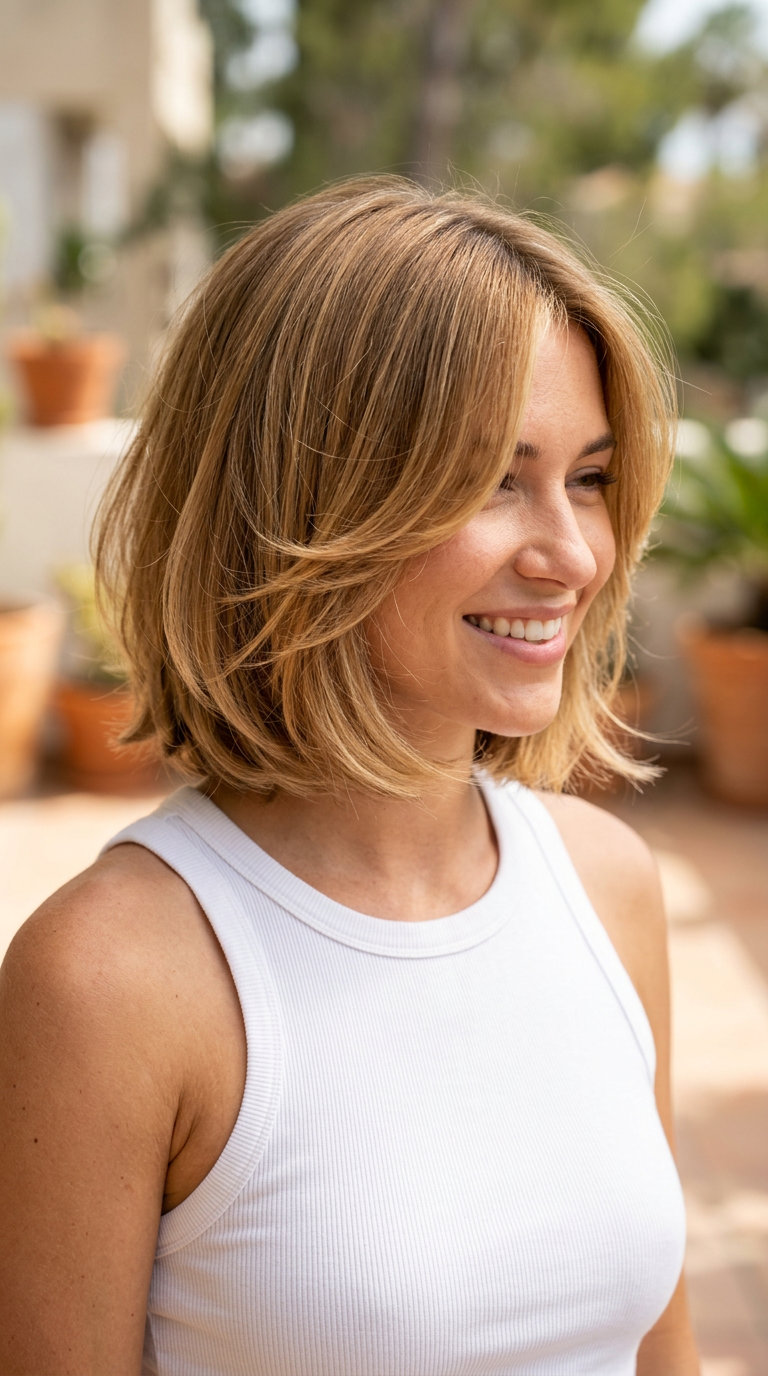
A chin-length butterfly cut on wavy hair is the move nobody expects to work—until they see it. Crown layers enhance volume, while point-cut ends ensure a natural, airy finish for this chin-length bob. The ‘wings’ fall at cheekbone length, framing the face while shorter layers at the crown create lift. Wavy hair actually wants this structure; it’s the one texture where chin-length doesn’t collapse into a limp blob.
Crown layers created noticeable volume for 6 weeks, lasting between trims without needing a refresh halfway through. The cut plays with your natural wave pattern instead of against it. You get that ‘piece-y’ texture that looks intentional when it dries, probably worth the consultation at least. The beauty here is that you can style it three ways: tousled and textured, blow-dried smooth, or half-up. One cut, three looks. The bob, but better.
Not ideal for very straight hair—the ‘wing’ effect might not hold well without styling effort. But if you have natural wave or texture, this cut meets you halfway. No beach waves required, no special product lineup, just a cut that acknowledges what your hair actually does and builds on that instead of fighting it. This is where short butterfly haircut wavy hair moves from trend to something you’ll keep asking for.
Long Butterfly Cut Wavy Hair
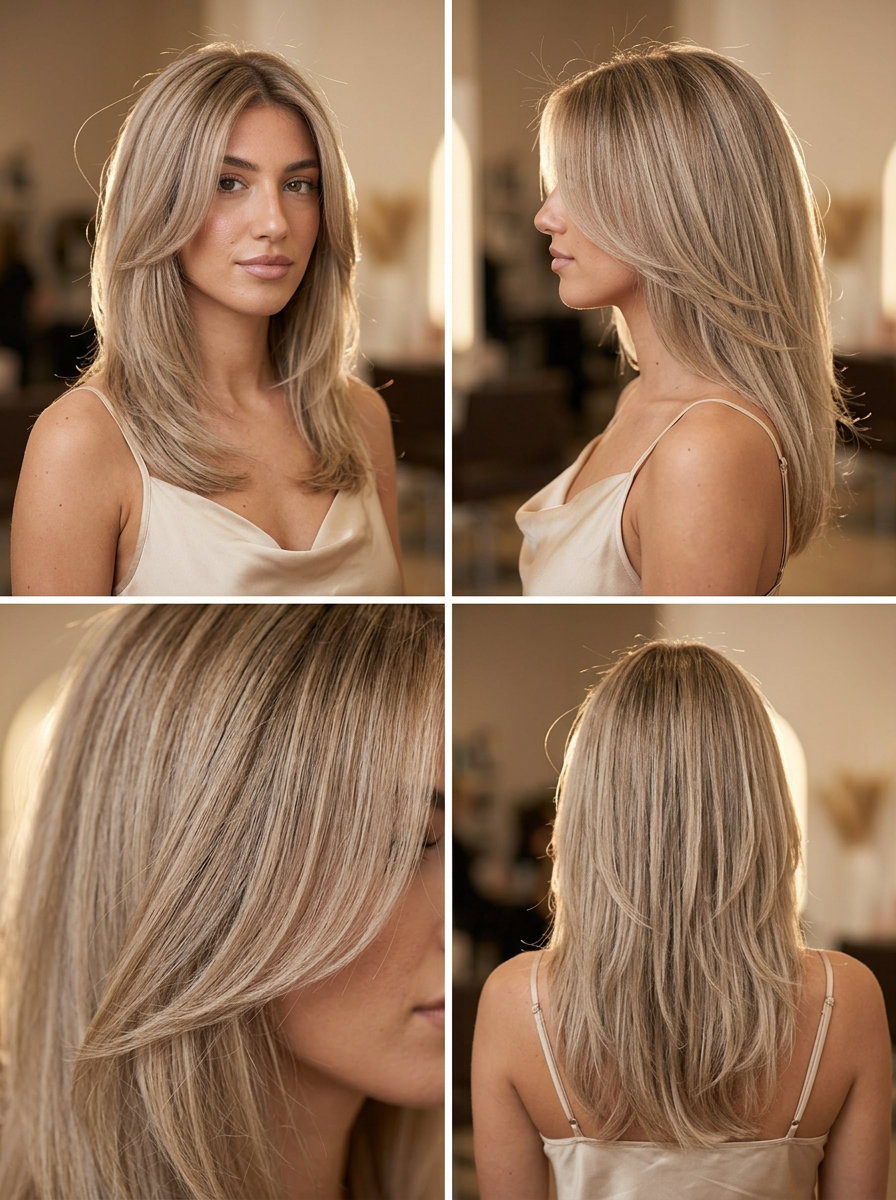
Length and layers can coexist without creating damage or that over-processed feeling. A long butterfly cut on wavy hair uses point-cutting throughout to create soft, flowing movement while a V-cut back maintains shape without constant styling. This is the cut for people who want long hair but need it to actually do something. Medium to thick density hair wears this best; the layers have enough hair to work with and create actual dimension rather than just removing weight.
Point-cut layers reduced bulk for 8 weeks, maintaining soft, flowing movement across the length. The internal layers prevent that middle-section drag that makes long hair look tired by the fourth week. You’re not dealing with one dense block at the bottom; the cut creates texture and flow that evolve as the hair grows. The wings sit around shoulder-blade length, which is long enough to tie up but short enough to frame movement. Which is all I ask for.
Point-cutting throughout creates soft, flowing movement and reduces bulk, complemented by a V-cut back. This approach means you can air-dry this cut and get results—not perfect results, but intentional ones. Heat styling elevates it further, but the cut does the thinking for you. A good texturizing paste during styling adds definition without crunch. Flowing, effortless, perfected. This is long butterfly cut wavy hair when it actually works: shape, movement, and length all serving the same purpose instead of fighting each other.
Long Butterfly Bob
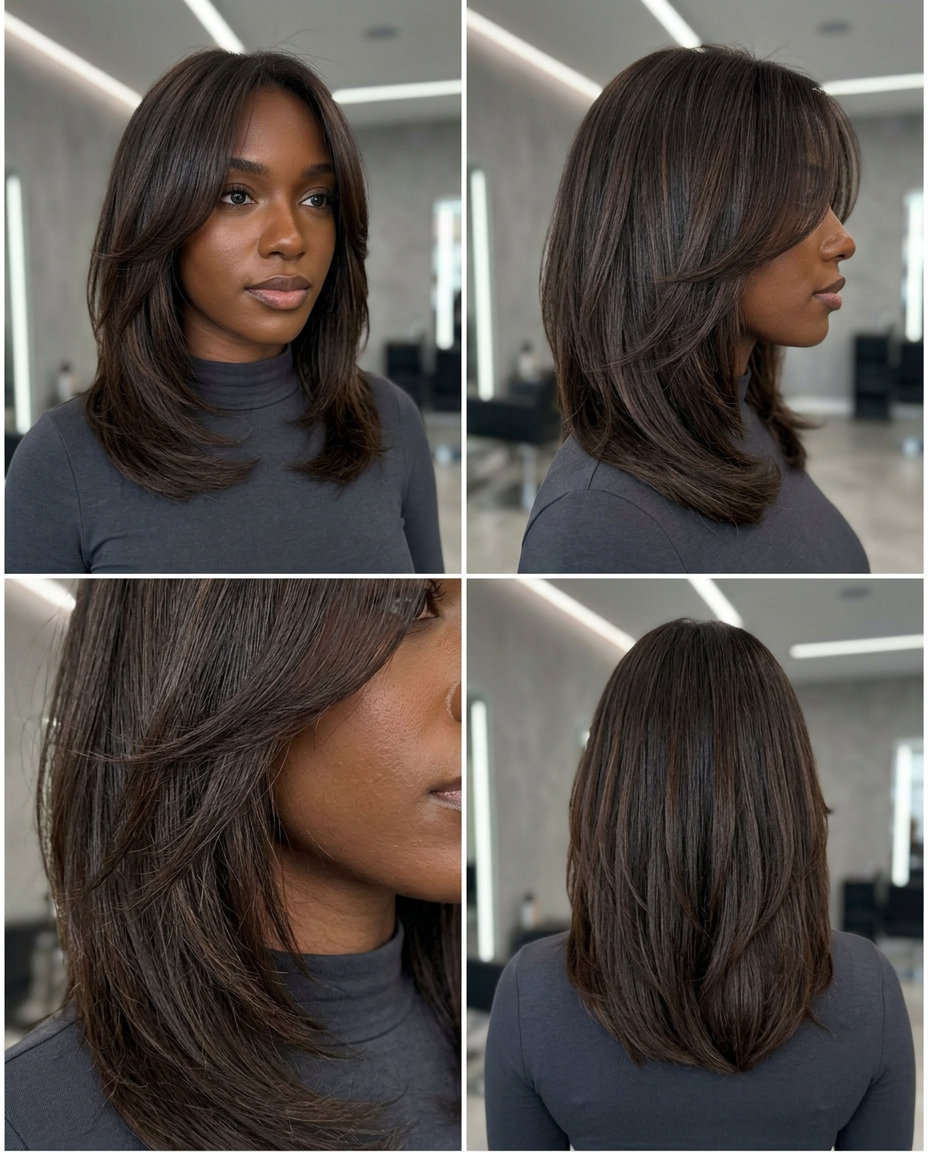
The long butterfly bob exists in that sweet spot where you get layers without committing to short hair. This is shoulder-length territory—long enough to pull back on rough days, short enough that the layering actually does something. The cut works because those butterfly layers start higher up, creating movement from the crown down instead of just at the ends. You’re getting volume where it counts.
Medium to thick hair thrives here. Straight to wavy textures show off the layers without fighting them. If your hair is fine, you’ll want to talk to your stylist about placement—ghost layers can add that lift without making things look wispy. The real magic happens when the stylist razors the ends, which creates that feathered, undone quality without looking accidentally damaged. That’s harder than it sounds. Growing out gracefully takes about 10 to 12 weeks before you need a trim, which beats the shorter cuts by a solid month.
Rose Gold Ombré Butterfly Cut
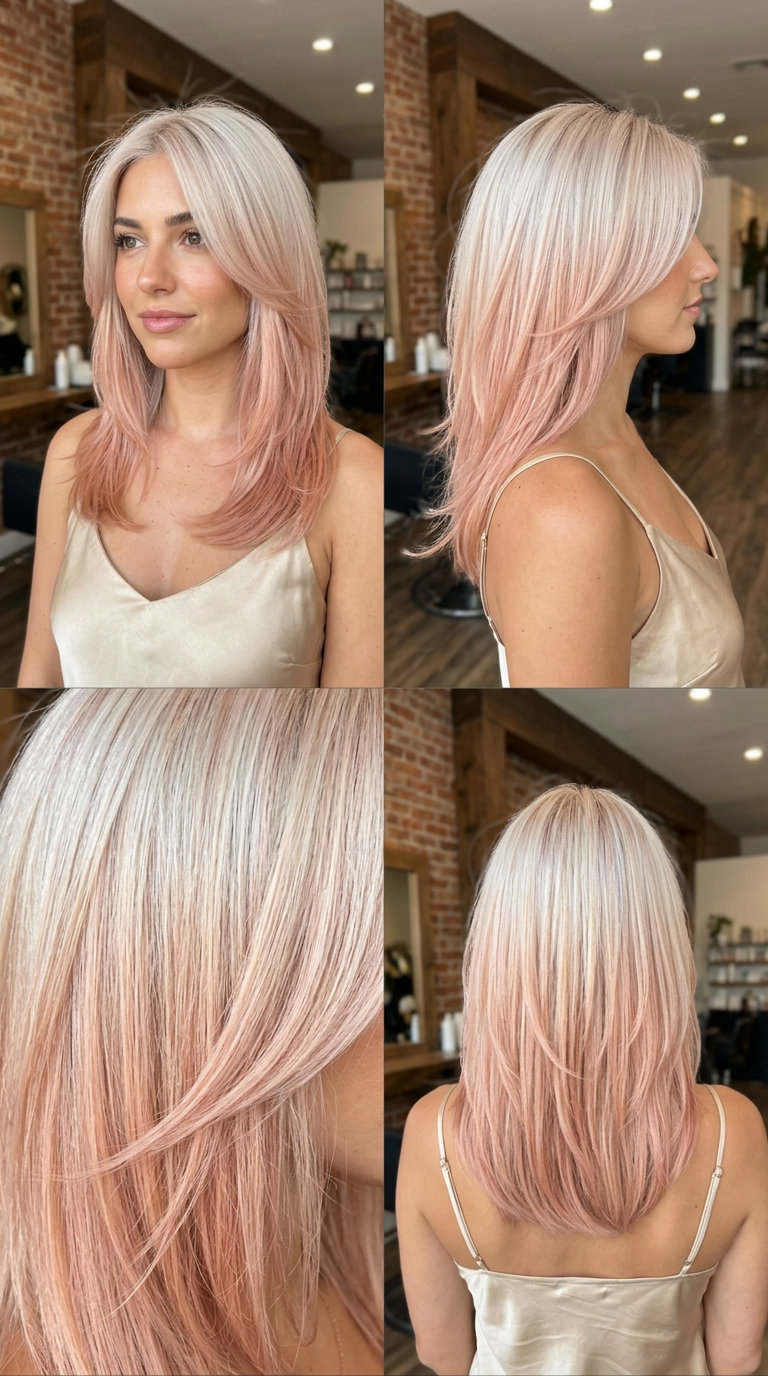
Wavy hair finally gets its moment with the rose gold ombré butterfly cut. This is the version for people who’ve been told their waves were “too much” for most cuts—they’re not. Razored ends maintained lightness and enhanced waves for 6 weeks without feeling heavy, which means you’re not fighting your natural texture, you’re working with it. The ombré adds depth without the maintenance nightmare of full balayage (yes, even for fine waves). Darker roots, lighter mid-lengths and ends, all of it softening into that rose gold shimmer. It’s one color service instead of three.
Here’s what actually happens: razored ends remove bulk and create lightness, encouraging natural wavy texture to form without effort. That feathering at the ends catches light differently than a blunt cut would. But—and this matters—razored ends can frizz in high humidity if not styled properly, so you’ll want a lightweight serum or oil spray on hand for days when the air feels heavy. The ombré itself lasts longer than traditional highlights because the darker root conceals regrowth beautifully. Wavy girl approved.
Ghost Layered Butterfly Cut
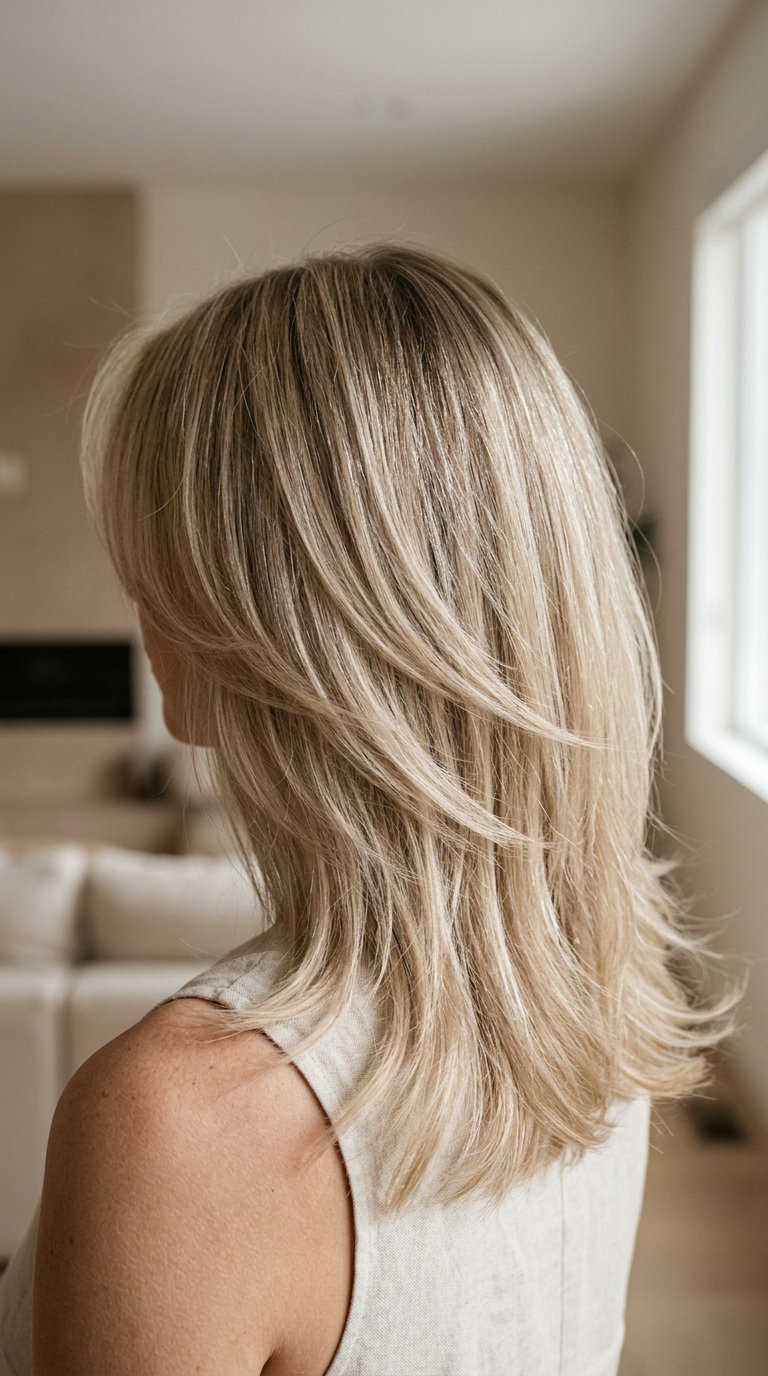
Fine hair usually gets told to “avoid layers,” which is honestly bad advice. The problem isn’t layers themselves—it’s visible layers. Enter ghost layers: internal layers hidden beneath a smooth perimeter that give you volume where you actually need it. This works because ‘ghost layers’ are hidden internal layers that provide lift and movement, making fine hair appear fuller without visible steps. You’re not sacrificing length for volume; you’re adding volume strategically. Ghost layers added noticeable volume to fine hair for 10 weeks without thinning the ends, which means you get the lift without that wispy, depleted feeling.
The cut sits best on fine to medium density hair with straight to slightly wavy textures. Your stylist will need to be precise here—sloppy ghost layering just looks like thin hair, while good ghost layering looks like you finally found the cut that works. Styling is straightforward: blow-dry with a round brush and a lightweight texturizing paste (the cream-based kind, which is all my fine hair can handle), and you’ve got movement without weight. Not for very thick hair—ghost layers won’t provide enough bulk reduction, and you’d be paying for a technique you don’t need. Invisible volume is real.
Buttercream Blonde Shag
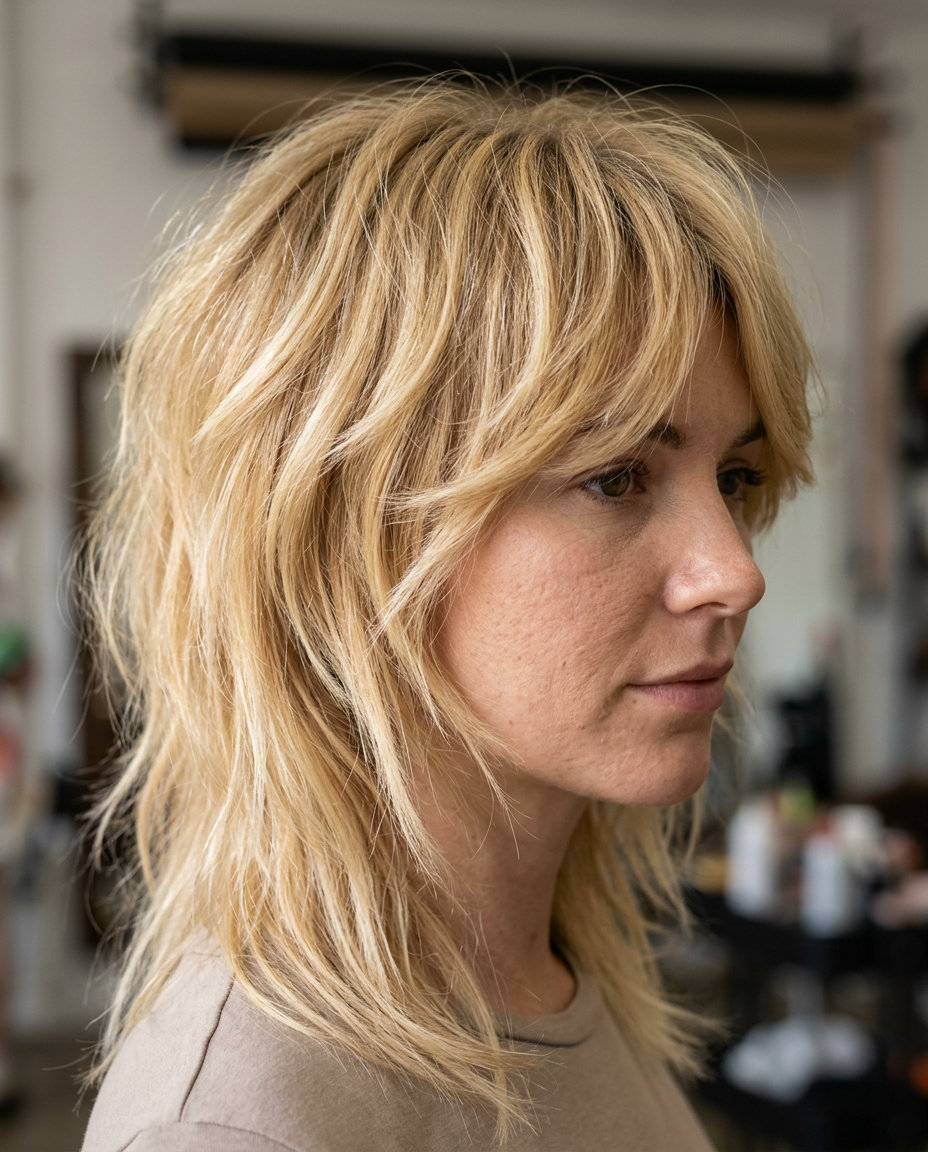
This is where butterfly meets shag, and it shouldn’t work but somehow does. Choppy layers and curtain bangs air-dried perfectly with natural texture for 4 weeks, which tells you the cut is designed for movement, not polish. The buttercream blonde shag sits somewhere between the structured butterfly cut and the deconstructed chaos of a true shag—you get the feathering and face-framing without the “I cut this myself” vibe. The color is what anchors it: warm, creamy blonde (not cool, not brassy) that reads expensive without the 12-hour salon appointment price tag.
Aggressive choppy layers at the crown create instant volume, enhancing the shag-inspired, deconstructed aesthetic. This is for people who actually like texture in their hair, who want to embrace waves or natural bend instead of fighting it. Styling means texturizing spray and fingers—or maybe just a really good shag—but the point is you’re not heat-drying this into submission. Avoid if you prefer sleek, polished styles—this cut needs texture. The layers grow out visibly around week 6, which could feel awkward if you’re not into the intentional messy vibe. Shag meets butterfly.
Midi Butterfly Haircut Blonde
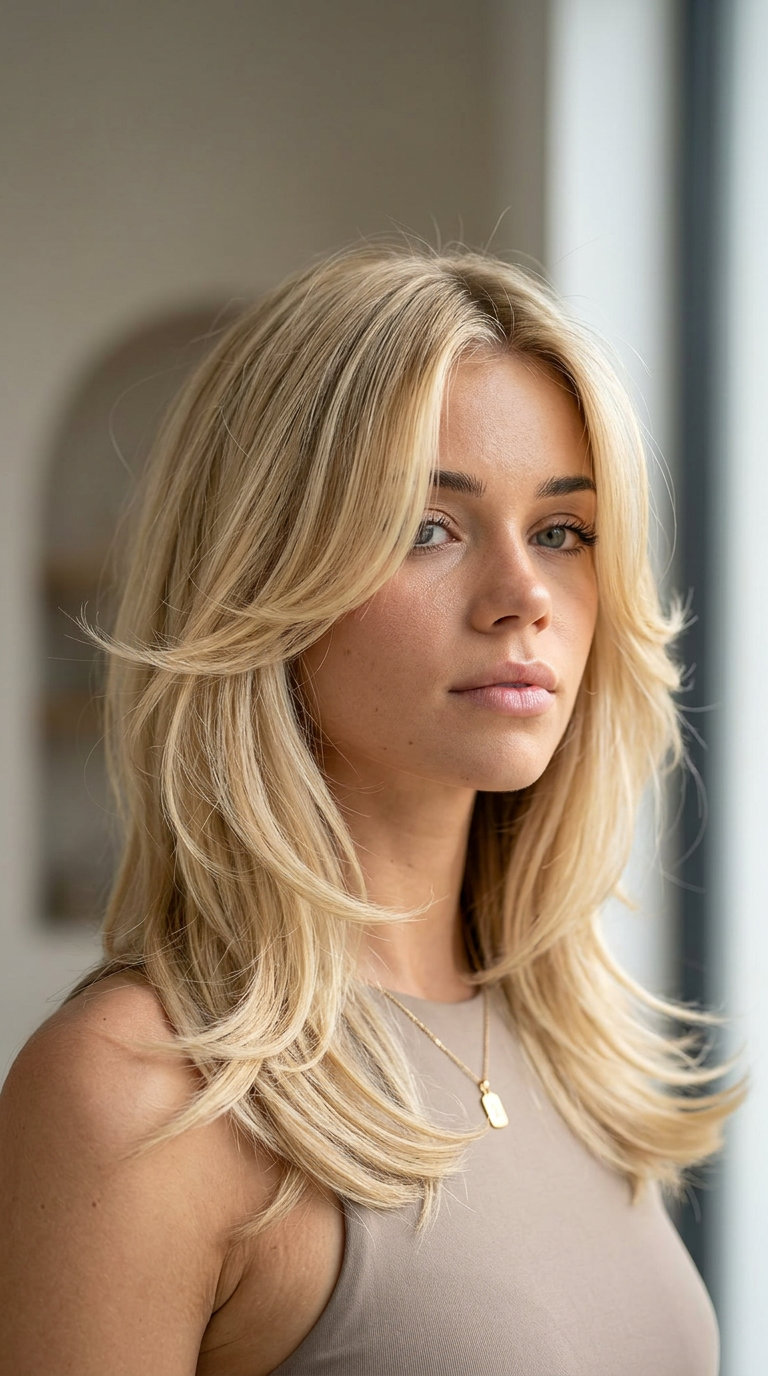
The midi butterfly cut is the professional’s butterfly cut—it skips the edge-case texture needs and lands on something that works for most people in most settings. Face-framing layers held their shape for 7 weeks, perfectly complementing a professional look, which means you’re not choosing between career viability and actual style. This version sits at collarbone length, long enough to look polished in a Zoom call, short enough that the butterfly layers create real movement. The blonde works best as a dimensional cut—darker at the roots, lighter as you move down—because it adds depth and makes the layering more visible without requiring constant touch-ups.
Significant face-framing layers create distinct ‘wings’ that add structure and movement around the face, which is why this cut works across different face shapes better than shorter butterfly cuts do. Fine to medium density hair, straight to slightly wavy—basically the safe zone where most styling techniques land without drama. Here’s the catch: the distinct ‘wings’ require daily styling to maintain their defined shape, so if you’re looking for a wash-and-go cut, this isn’t it. You’ll need a blow dryer and probably a straightener or round brush, depending on your hair’s mood. But for anyone who wants butterfly movement without butterfly maintenance chaos, this hits different, probably worth the consultation at least. Professional, but make it flutter.
Long Tousled Butterfly Layers
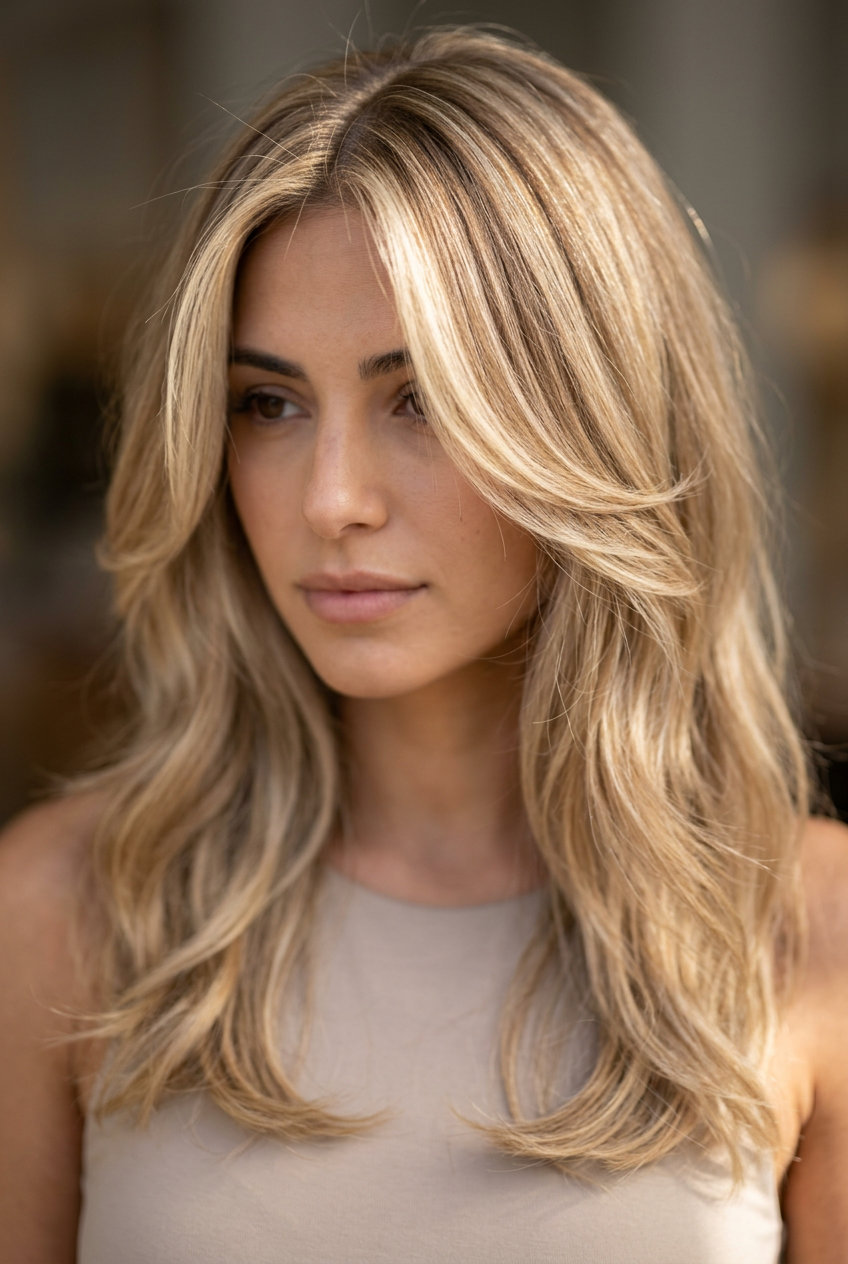
This is the cut that looks like you didn’t try, which of course means you tried very hard. Internal layering creates bounce without removing overall length, ensuring a flowing, natural look that moves the way hair actually should. The layers aren’t obvious—they’re distributed throughout the mid-length, so you’re not losing density at the perimeter where it matters for movement. Layers maintained movement and volume for 8 weeks without feeling heavy, which is exactly the timeline most people can commit to before needing a trim.
Styling takes maybe five minutes if you have naturally wavy to medium textured hair. Run a texturizing spray through damp ends (needs a little texturizing spray), then either blow-dry with a diffuser or let air-dry depending on your texture and patience level that morning. Straight hair needs more intervention—a round brush and some product to fake the texture. The long tousled butterfly layers work best on people who don’t mind their hair doing its own thing some days. Effortless vacation vibes.
Sleek Layered Bob
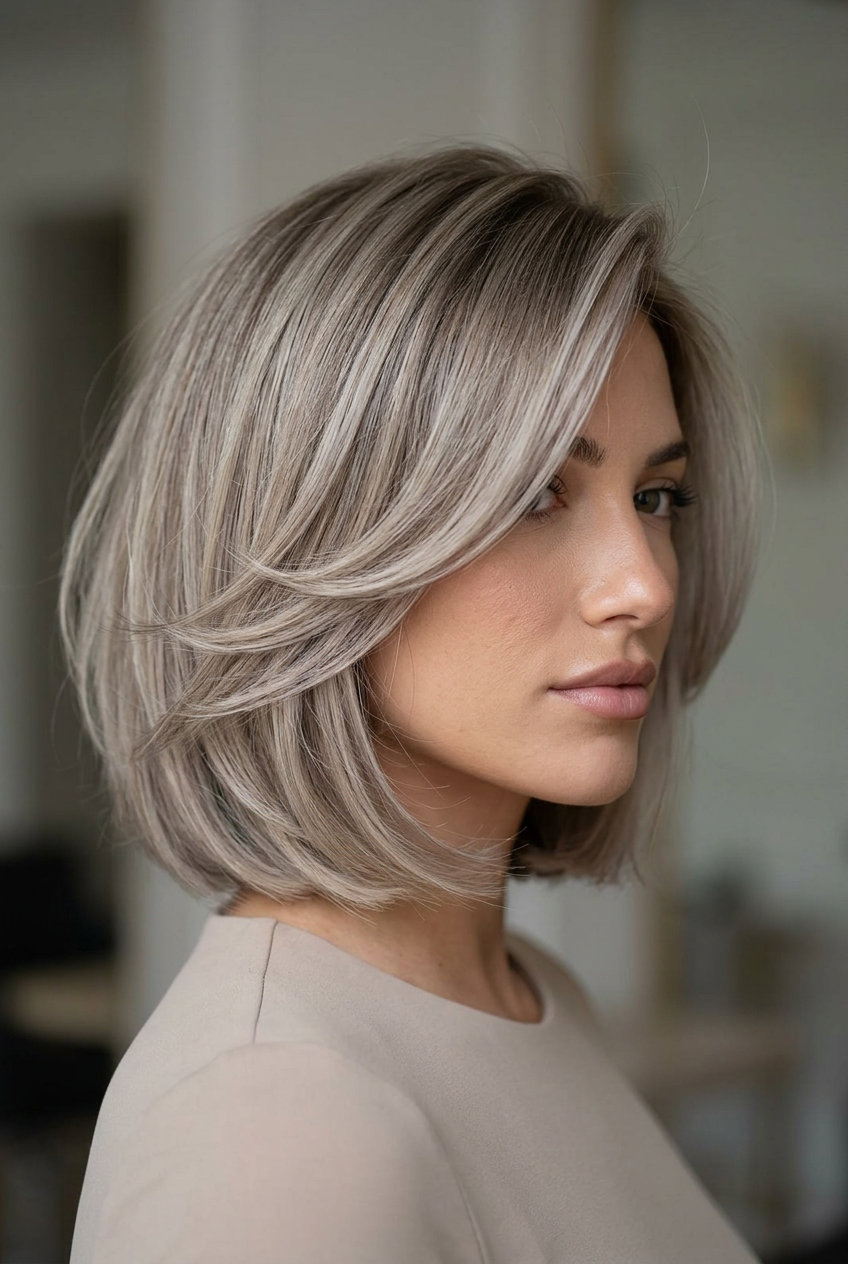
This cut exists to solve the problem of “I want layers but I want to look polished doing it.” Sculpted internal layers at the crown provide lift, while the tapered back maintains a polished, structured silhouette that doesn’t read as accidentally messy. Crown volume held for 10 hours with minimal product, perfect for long workdays, which means you’re not touching up halfway through a meeting. The precision is everything (the precision is everything), and that’s both the appeal and the commitment—this isn’t a lazy-day cut.
You’ll need to blow-dry this properly. We’re talking round brush, some hold, the full routine. Sleek styling requires daily blow-drying and product commitment for polished look, so budget 15–20 minutes every morning if you want it to read as intentional rather than flat. The face-framing is subtle but strategic, sitting right at your jawline to create definition without drama. This is the sleek layered bob for people who see their hair as part of their presentation, not as an afterthought. Power hair, redefined.
Choppy Textured Butterfly Cut
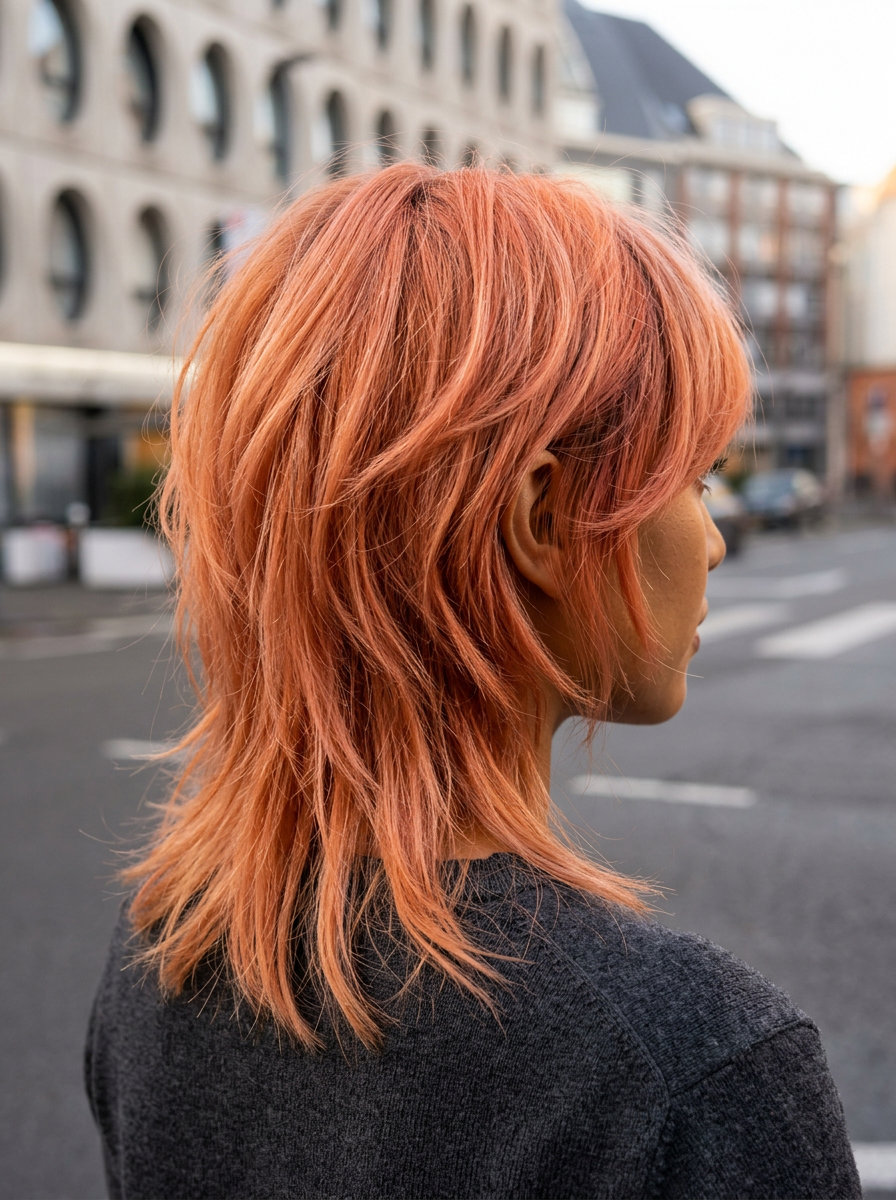
Aggressive choppy layers and razored ends create natural, lived-in texture and effortless volume for wavy hair—this is the cut that actually looks better when you don’t overthink it. Air-dried beautifully in 15 minutes, enhancing natural waves without frizz, because the choppy pieces were designed to work with your natural texture, not against it. The layers are deep and obvious here, meant to create movement and separate pieces rather than blend seamlessly. This cut doesn’t pretend to be anything other than what it is: deliberately broken-up, intentionally textured, unapologetically casual.
Styling means embracing your hair’s natural movement. Sea salt spray, air-drying, or a quick diffuser pass if you’re in a hurry (or maybe just air-dry it)—the point is minimal intervention. Skip if hair is very straight; this cut needs natural texture to shine. Product-wise, you’re looking at something with texture and hold without weight, so your waves don’t collapse under the product itself. Fine hair can work with this, but keep the choppy pieces from getting too thin at the ends. The textured butterfly cut is the ultimate cool-girl cut. The ultimate cool-girl cut.
Long Layered Glossy Brunette
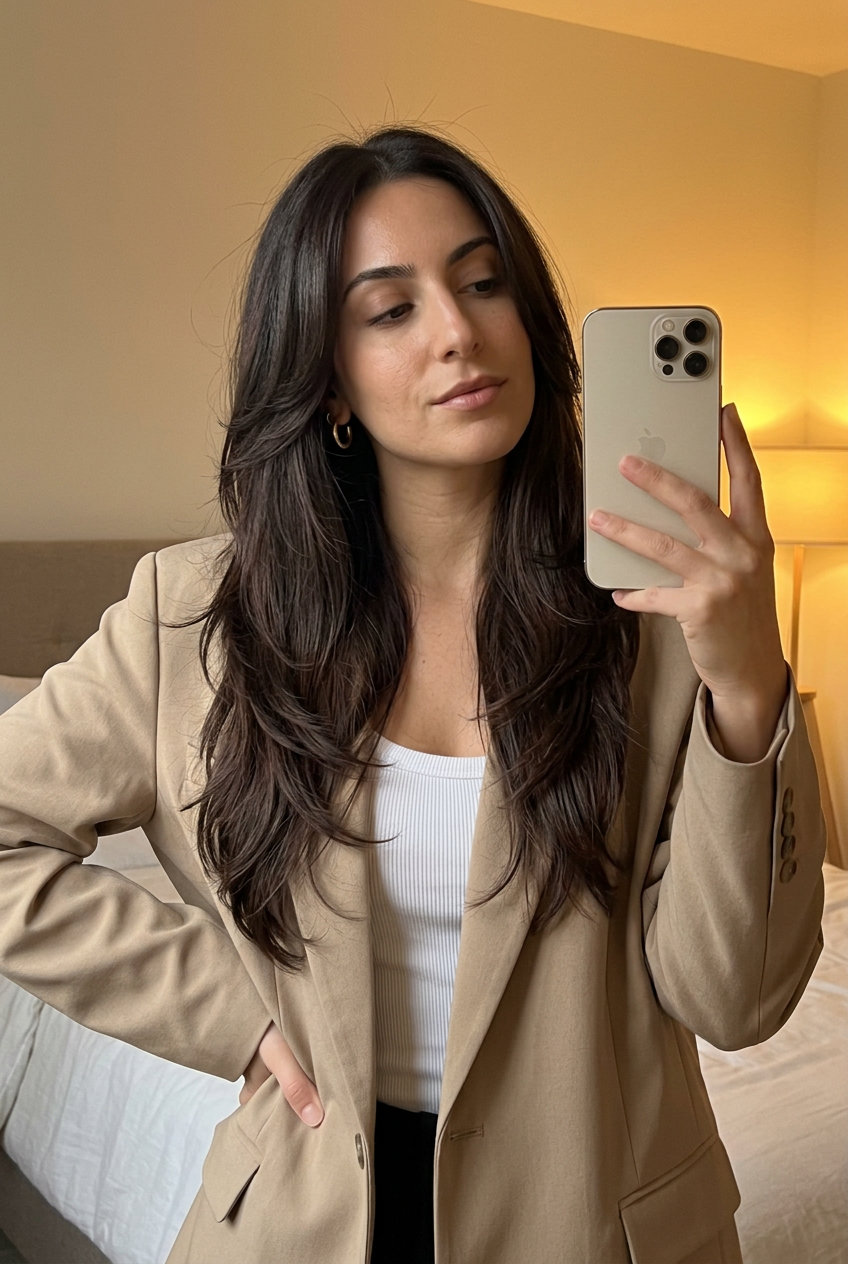
This is length with purpose—not just hair that happens to be long, but strategically layered so it actually moves. V-cut back and internal layers reduce bulk while point-cutting ends creates dynamic movement in long, sleek hair that refuses to feel heavy despite the length. Jawline layers added movement without sacrificing length, staying sleek for days, which means you’re not trading volume for dimension. The color matters as much as the cut here: a rich brunette base with maybe some subtle dimension keeps the whole thing looking intentional rather than like you’re just growing out your hair.
The layers are internal and gradual, so the perimeter stays blunt and weighted, which keeps the overall shape intact. Straight to wavy hair takes to this really well because the layers catch light without requiring your natural texture to do all the work. Point-cut ends (probably worth the consultation at least) will break up any bluntness and add that movement we’re after. Not ideal for very fine hair; heavy texturizing can remove too much volume. The glossy brunette hair cut is for people who think long doesn’t have to mean boring. Long hair, but make it bounce.
Smoky Lavender Butterfly Cut
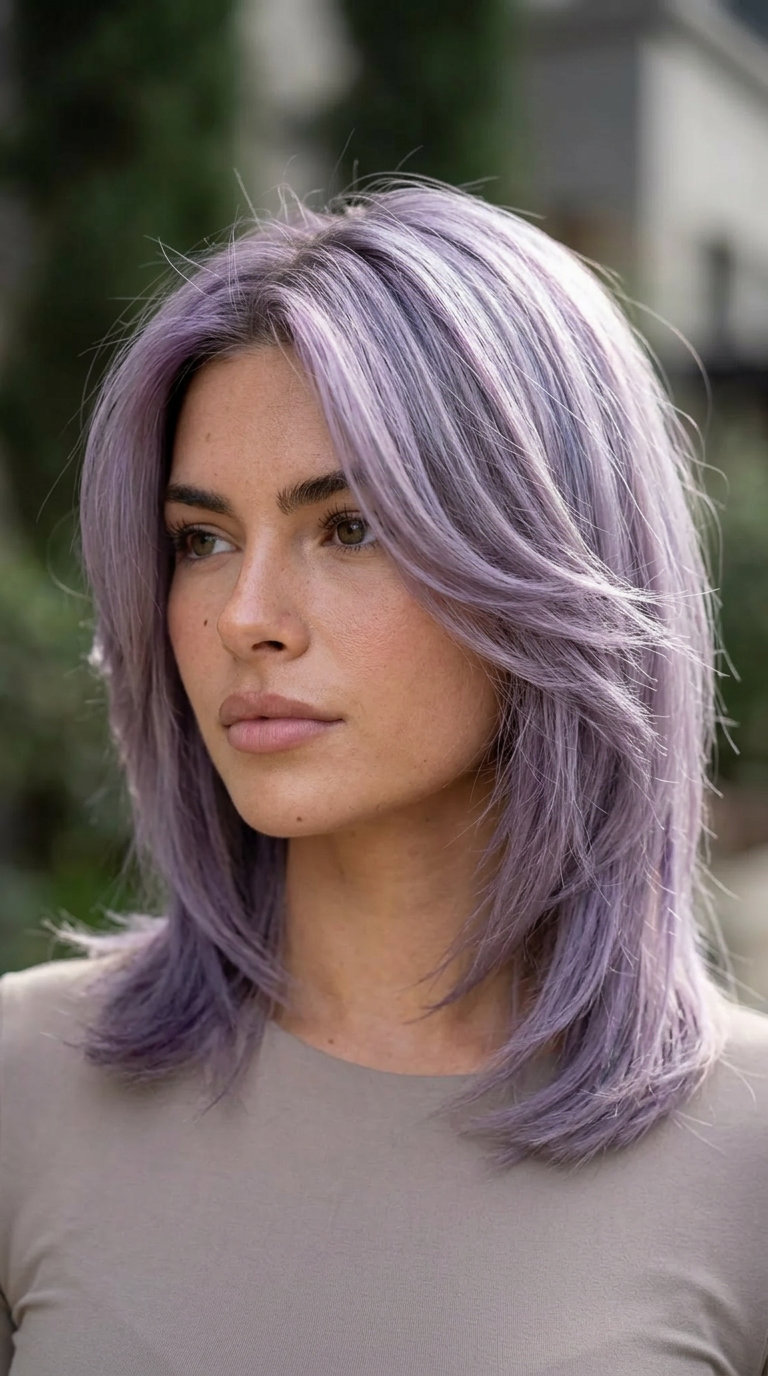
This is where color becomes the cut’s co-star. Aggressive point-cutting and razoring on face-framing layers create distinct ‘wings’ that highlight cheekbones, and the smoky lavender tone makes those wings actually visible from across the room. Face-framing ‘wings’ highlighted cheekbones with minimal styling, lasting all day, because the color placement is doing so much of the visual work that you don’t need heavy makeup or complicated styling to pull off the effect. The wings sit at the cheekbone line specifically—not higher, not lower—and they’re meant to draw the eye to your face rather than frame it passively.
The cut itself requires precision; this isn’t a home-DIY scenario. Aggressive razoring needs careful styling to avoid looking stringy on fine hair, so be honest with your stylist about your hair texture before they start. Straight to wavy, fine to medium hair works best; the piecey texture is deliberately obvious, not subtle. The smoky lavender requires maintenance—color-depositing shampoo between appointments, UV protection if you’re spending time outdoors, the full routine—but the payoff is a cut that looks completely intentional and utterly confident. (such a bold statement). The smoky lavender butterfly cut isn’t for people who want to disappear into a crowd. This cut has attitude.
Muted Rose Butterfly Bob
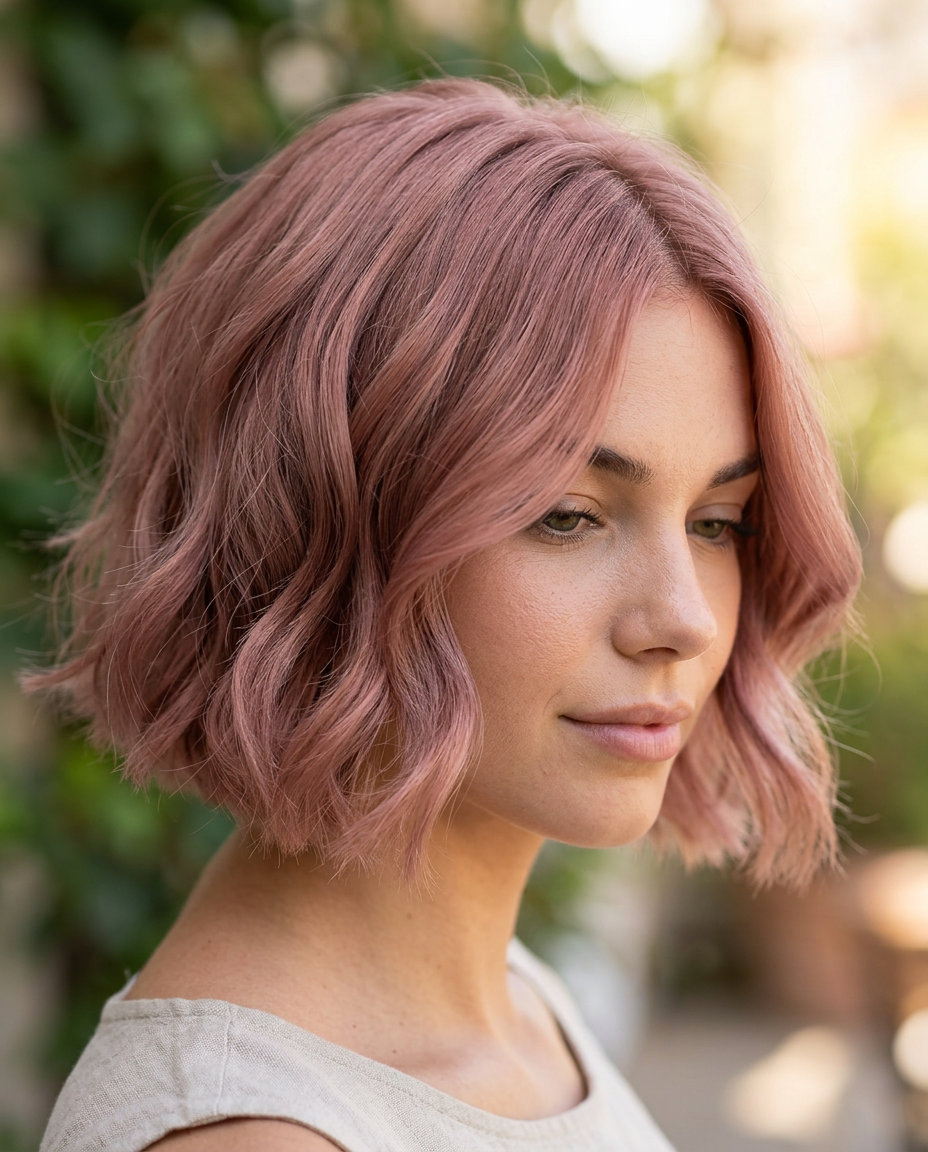
This bob trades volume for sophistication. The cut sits chin-length with a subtle undercut at the back that nobody sees but you absolutely feel. Layers don’t scream here—they whisper, which is probably worth the consultation at least. Point-cutting and diffused layers create a soft, rounded shape that enhances natural waves, avoiding a blunt look.
The color is the real story. Muted rose isn’t hot pink, isn’t red, isn’t brown. It’s the color you get when you stop trying so hard and let the stylist interpret what actually flatters your skin. The muted rose butterfly bob works because the shade is just muted enough that root growth doesn’t look like a crime scene at week four. Undercut back maintained bounce and shape for 6 weeks, preventing bulk without constant styling, which honestly is the dream for anyone who doesn’t want to blow-dry daily. Fine to medium hair with natural waves handles this cut best, though you can create waves on straight hair with the right product and ten minutes of heat styling. Not for very thick hair—subtle undercut might not sufficiently reduce bulk. Finally, a bob that moves.
Textured Bob with Razored Perimeter
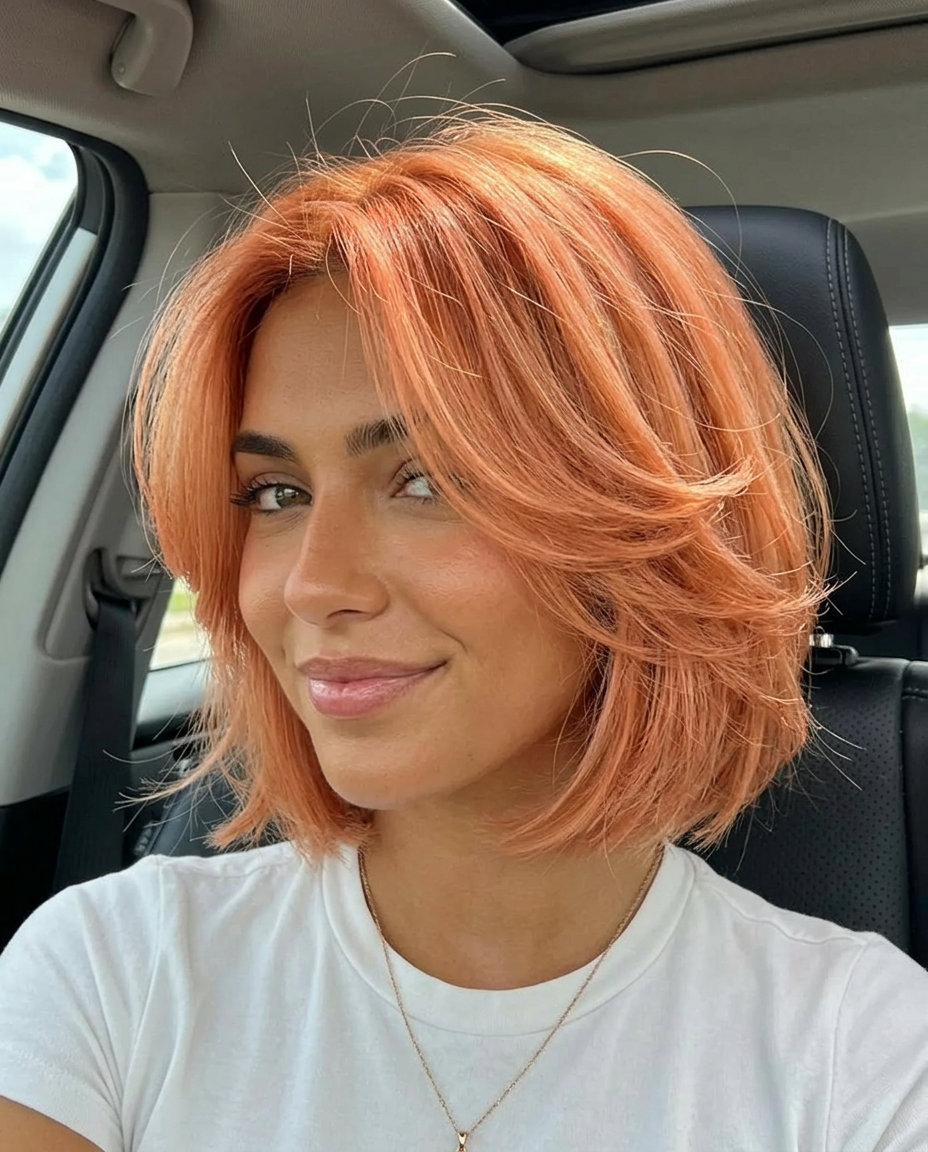
Razors are back, and this time they’re doing the real work. A razored perimeter avoids bluntness, enhancing the feathered texture and playful finish of the bob. This isn’t a clean, geometric cut. It’s purposefully piecey—every layer visible, every movement intentional. The bob sits somewhere between shoulder and chin, shorter in front, longer in back, with layers that actually do something besides exist.
Styling takes maybe four minutes if you know what you’re doing. A pomade through damp ends, fingers working the texture, air-dry or quick pass with a diffuser. The apricot crush hair color here adds a whole other dimension—warm enough to feel summery, muted enough to work with most skin tones. Razored edges can frizz in high humidity if not carefully styled with product, so texture spray or a light paste matters more than usual. Razored perimeter stayed piecey and playful for 4 weeks before needing a light trim, which is solid for a cut this textured. Medium to thick hair thrives here. Fine hair struggles because the razor removes too much volume too fast. So much texture.
Long Textured Butterfly Cut
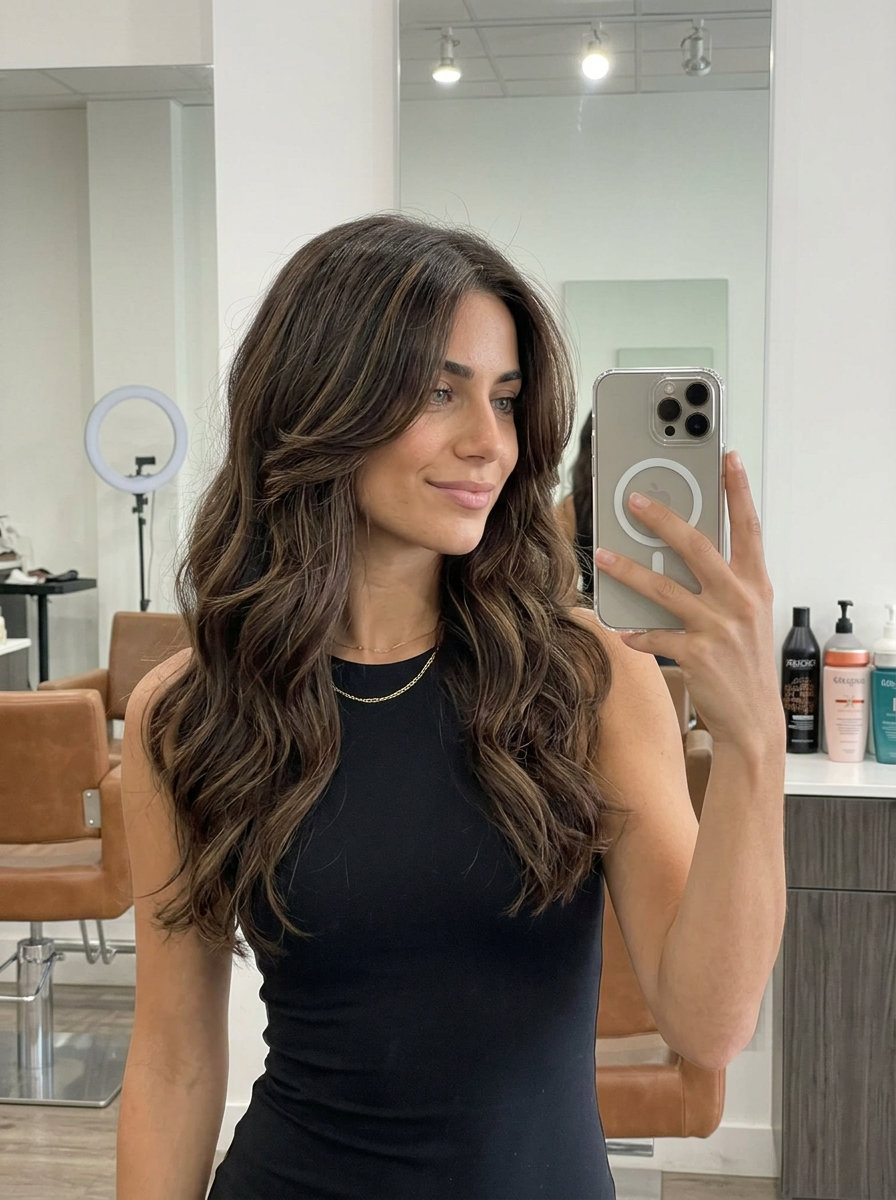
Length doesn’t mean less work anymore. This long butterfly cut uses internal channeling to keep thick hair light without sacrificing the drama of length. The layers start at mid-back and work inward, creating what stylists call ‘floating layers’—they’re there, they move independently, but they don’t interrupt the line. Internal channeling removes bulk from thick hair, allowing layers to ‘dance’ without heaviness or triangular shape. Skip if you have very fine hair—channeling removes too much volume and density.
The color here is where precision matters. Subtle balayage placement creates dimension without requiring constant maintenance, which is honestly the only reasonable approach to long hair. Internal channeling kept thick hair light and bouncy for 8 weeks between salon visits, meaning you’re not running back to the salon every five minutes. Or maybe it’s just my amazing stylist, but the point stands—this cut earns its place. The technique requires someone who understands how layers interact with thick, potentially unruly hair. Book a consultation with someone who shows you before-and-afters on your specific hair type. Medium to thick, wavy to curly textures absolutely sing with this cut. Fine hair will look thin. Straight hair needs intentional styling to activate the layers. Effortless glam.
Face-Framing Layered Bob
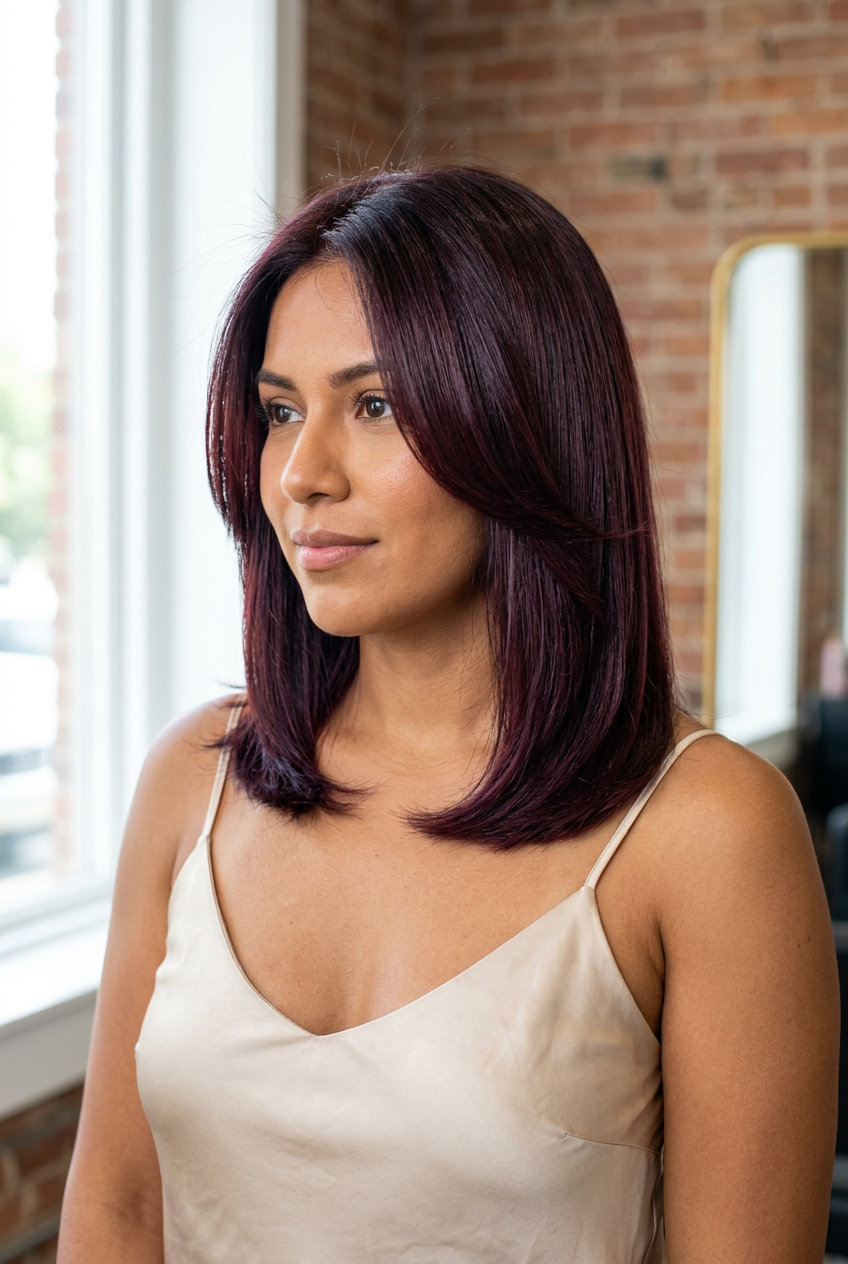
This bob is built for people who want sophistication without pretension. Meticulously point-cut internal layers remove bulk while maintaining a sleek, polished silhouette and movement. Face-framing pieces fall naturally from cheekbone height, sweeping away from the face in a way that actually functions. No styling trick required—this is just how the cut sits because the stylist understood geometry and hair type.
The cherry cola hair color shoulder length here pulls everything together. It’s not a trend color that’ll feel dated in six months. It’s a tone that works across seasons and looks expensive even if the cut was reasonably priced. Strong face-framing layers swept away from the face easily with minimal heat styling, which means you’re not spending thirty minutes every morning just to look intentional. The color holds for a solid five weeks with regular shampoo, longer if you use cooler water and product designed for color protection. Medium to fine hair works best because the layers don’t overwhelm thinner textures. Thick, coily hair might need extra thinning at the ends to avoid weight. This cut flatters heart-shaped and square faces because the side-swept layers soften the jawline. Sleek and sophisticated, which is all my fine hair can handle.
Ghost Layer Butterfly Bob
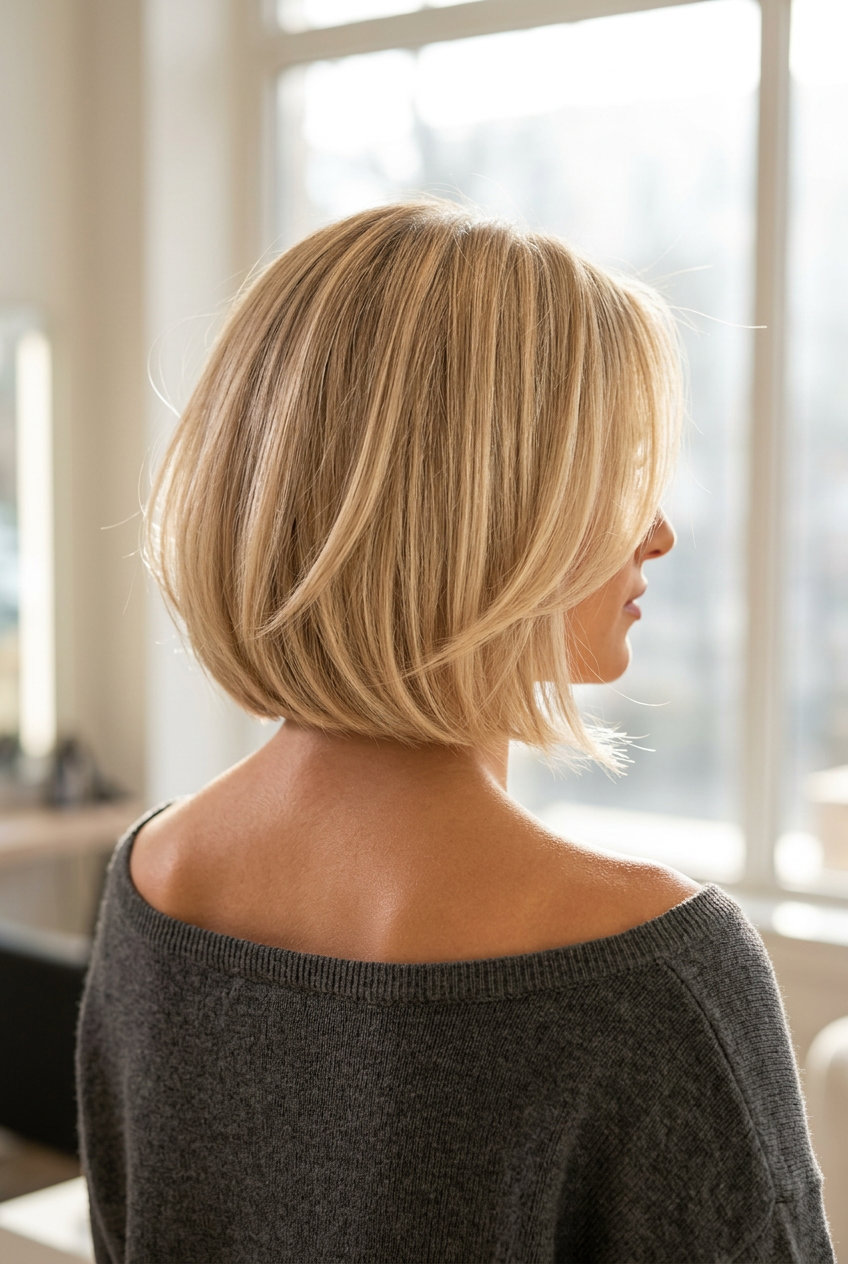
Ghost layers are the secret weapon that nobody talks about. They live inside the cut—invisible from the outside, but they’re doing all the architectural work underneath. This bob looks sleek and one-length from the front and side, but the internal structure is doing serious lifting at the crown. Invisible ghost layers internally channeled create lift and volume at the crown without visible steps or blunt lines. The short butterfly bob fine hair approach here is precision-forward.
Fine to medium density hair, straight to slightly wavy textures—this is the sweet spot. Ghost layers at the crown provided noticeable lift and volume for 5 days post-wash, which is legitimately strong for fine hair that usually goes flat by day three. The soft, blunt perimeter on this bob requires precise cutting for a perfect line, so find someone who takes perimeter seriously. Color sits quietly here too—a barely-there gloss or single-tone shade that enhances shine rather than fighting for attention. The cut works because it honors what fine hair actually does instead of forcing it into texture it can’t support. Thick, curly hair won’t benefit from ghost layers because they’re designed specifically to create lift on hair that naturally wants to sit flat. This isn’t a personality cut—it’s a solution cut, and sometimes that’s exactly what you need. The volume is real.
Still Deciding? Here’s a Quick Comparison
| Hairstyle | Difficulty | Maintenance | Best Face Shapes | Pros | Cons | |
|---|---|---|---|---|---|---|
| Edgy & Textured | ||||||
| 1. The Fiery Flutter Bob | Moderate | High — every 4-6 weeks | square, heart, oval | Suits most face shapesWorks on multiple texturesLayers add movement | Frequent salon visits needed |
| 4. Sun-Kissed Butterfly Midi | Salon-only | High — every 8-10 weeks | All face shapes | Suits most face shapesWorks on multiple texturesLayers add movement | Requires professional styling |
| 12. Rose Gold Reverie Waves | Moderate | High — every 4-6 weeks | oval, heart, round | Suits most face shapesLayers add movementFlattering face-framing | Frequent salon visits needed |
| 18. Apricot Crush Butterfly Shag | Moderate | High — every 3-4 weeks | square, long, round | Suits most face shapesWorks on multiple texturesLayers add movement | Frequent salon visits needed |
| 20. The Lavender Aura | Moderate | High — every 2-3 weeks | round, heart, diamond | Suits most face shapesWorks on multiple texturesLayers add movement | Frequent salon visits needed |
| 21. The Dreamy Rose Flutter | Moderate | High — every 2-4 weeks | oval, heart | Works on multiple texturesLayers add movementFlattering face-framing | Frequent salon visits needed |
| 22. Apricot Crush Butterfly Bob | Moderate | High — every 3-4 weeks | long, oval, heart | Suits most face shapesWorks on multiple texturesLayers add movement | Frequent salon visits needed |
| Classic & Clean | ||||||
| 2. The Untamed Brunette Flutter | Easy | Low — every 10-12 weeks | All face shapes | Low maintenanceEasy to style at homeSuits most face shapes | Not ideal for very curly hair |
| 3. Espresso Roast Midi-Fly | Moderate | Medium — every 10-12 weeks | All face shapes | Suits most face shapesWorks on multiple texturesLayers add movement | Not ideal for very curly hair |
| 6. The Coastal Linen Lob | Moderate | Medium — every 8-10 weeks | oval, heart, long | Suits most face shapesWorks on multiple texturesLayers add movement | Not ideal for very curly hair |
| 8. The Midnight Cascade | Easy | Low — every 8-10 weeks | oval, long, square | Low maintenanceEasy to style at homeSuits most face shapes | Not ideal for very curly hair |
| 9. Sun-Kissed Butterfly Bob | Moderate | Medium — every 8-10 weeks | oval, heart, long | Suits most face shapesWorks on multiple texturesLayers add movement | Not ideal for very curly hair |
| 10. Linen Blonde Classic Layers | Moderate | Medium — every 10-12 weeks | round, square, oval | Suits most face shapesWorks on multiple texturesLayers add movement | Not ideal for very curly hair |
| 15. Buttercream Blonde Midi-Fly | Moderate | Medium — every 6-8 weeks | heart, diamond, oval | Suits most face shapesWorks on multiple texturesLayers add movement | Not ideal for very curly hair |
| 17. The Modern Ash Monarch | Moderate | Medium — every 6-8 weeks | oval, square, long | Suits most face shapesWorks on multiple texturesLayers add movement | Not ideal for very curly hair |
| 19. Espresso Roast Layered Look | Moderate | Medium — every 8 weeks | oval, square, long | Suits most face shapesWorks on multiple texturesLayers add movement | Not ideal for very curly hair |
| 23. The Classic Butterfly Wave | Moderate | Medium — every 10-12 weeks | round, square, oval | Suits most face shapesWorks on multiple texturesLayers add movement | Not ideal for very curly hair |
| 24. Cherry Cola Flutter Bob | Moderate | High — every 4-5 weeks | long, oval | Works on multiple texturesLayers add movementFlattering face-framing | Frequent salon visits needed |
| 25. The Ghost-Layered Bob | Moderate | Medium — every 8 weeks | oval, heart | Works on multiple texturesLayers add movementSubtle sun-kissed effect | Not ideal for very curly hair |
| Soft & Romantic | ||||||
| 5. The Butterfly Fringe Summer | Moderate | Medium — every 4-6 weeks | long, oval, square | Suits most face shapesWorks on multiple texturesLayers add movement | Not ideal for very curly hair |
| 7. Cherry Cola Coily Wing | Moderate | Medium — every 4-5 weeks | All face shapes | Suits most face shapesLayers add movementFlattering face-framing | Not ideal for fine hair |
| 11. The Flutter Bob Summer | Moderate | Low — every 8-10 weeks | long, oval, heart | Low maintenanceSuits most face shapesWorks on multiple textures | Not ideal for very curly hair |
| 13. Linen Blonde Ghost Layers | Moderate | Low — every 12-16 weeks | oval, heart, round | Low maintenanceSuits most face shapesWorks on multiple textures | Not ideal for very curly hair |
| 14. The ’70s Buttercream Shag-Fly | Moderate | Medium — every 6-8 weeks | square, heart, round | Suits most face shapesWorks on multiple texturesLayers add movement | Not ideal for very curly hair |
| 16. The Sun-Kissed Surf Layers | Moderate | Medium — every 10-12 weeks | oval, heart, long | Suits most face shapesWorks on multiple texturesLayers add movement | Not ideal for very curly hair |
Frequently Asked Questions
What is the easiest butterfly haircut to style for summer?
The Untamed Brunette Flutter requires only 5–10 minutes of active styling and air-dries beautifully, making it ideal if you’re not interested in daily blow-drying. The Butterfly Fringe Summer is also relatively quick—textured spray does most of the work, and the curtain bangs blend into the layers without fussing.
Can I achieve a butterfly haircut look without heat tools?
Absolutely. The Untamed Brunette Flutter is designed for air-drying or diffusing, and The Butterfly Fringe Summer responds well to air-dry styling with texturizing spray. The Sun-Kissed Butterfly Midi also leans into the ‘effortless’ angle—diffuse your waves and let the razored ends do the work. Skip the round brush if you prefer.
How do I maintain vibrant color with layered styles for summer?
For bold shades like The Fiery Flutter Bob or Espresso Roast Midi-Fly, use a color-safe shampoo and a color-depositing conditioner to refresh tones between salon visits. Layered ends expose more surface area to sun and chlorine, so a leave-in conditioner or hair oil will protect your color and prevent frizz at the same time.
What butterfly styles work best for shorter hair lengths?
The Fiery Flutter Bob is specifically a chin-length butterfly style, offering playful movement without committing to longer hair. If you want slightly more length, the Espresso Roast Midi-Fly and Sun-Kissed Butterfly Midi sit at collarbone level—long enough for face-framing layers, short enough for summer ease.
How often should I trim a summer butterfly haircut?
Most butterfly cuts need a trim every 4–6 weeks to maintain the layered shape and prevent the ‘wings’ from growing shapeless. Aggressive point-cut layers (like The Fiery Flutter Bob) lose their definition fastest at 4 weeks. Softer, blended layers (like The Untamed Brunette Flutter) can stretch to 6–7 weeks before the cut reads as grown-out rather than intentional.
Final Thoughts
The summer butterfly haircut 2026 isn’t a one-size-fits-all trend—it’s a menu. The Fiery Flutter Bob works if you want aggression and daily styling. The Untamed Brunette Flutter exists for people who’d rather sleep in. Ghost layers suit thick hair; soft layers suit fine hair. The cut succeeds when it matches your actual life, not your Pinterest board.
The real tell? How your stylist talks about the grow-out. A good butterfly cut doesn’t just look good for six weeks—it looks intentional at week eight, too. That’s when you know it’s not a trend. That’s when it’s just your hair.