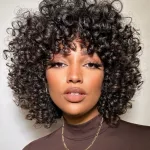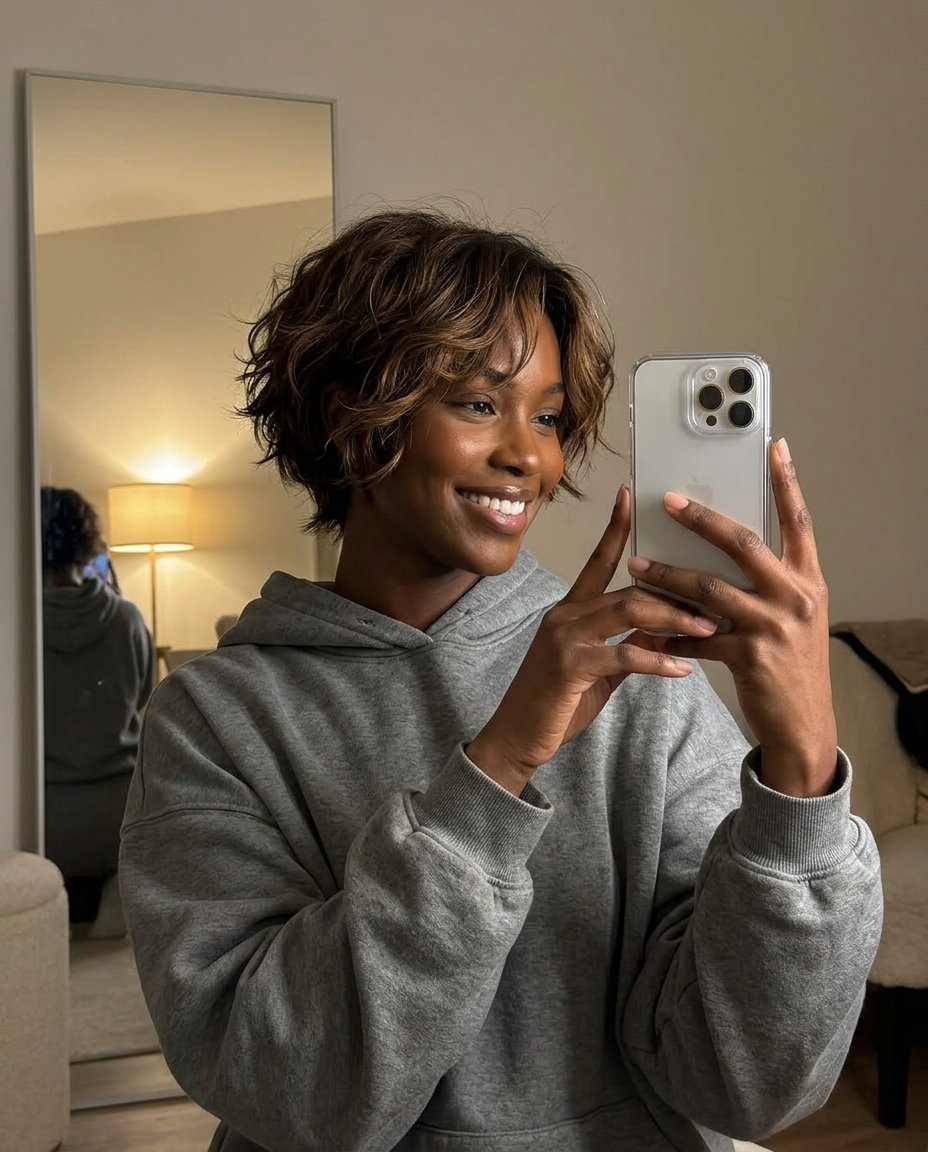
Sabrina Carpenter’s voluminous butterfly cut set off a wave of requests, and every stylist I know is now hearing the same thing: layers that work with wavy hair instead of against it. Butterfly cuts, Italian bobs, and wolf cuts are everywhere for 2027, but the real change is in how they’re cut. Ghost layers, air-light thinning, and dry carving make layered styles look effortless, because they really are that easy now. This isn’t the blowout-dependent, frizz-prone layering we were dealing with five years ago.
Layered summer haircuts for wavy hair in 2027 run from the butterfly cut’s dramatic face-framing to the Italian bob’s almost no-effort shape and the kitty cut’s softer, more polished edge. Each one suits different face shapes, hair textures, and people who would rather skip twenty minutes with a round brush. They work on oval and square faces alike, on fine waves and thick ones, for the person who air-dries and the person who owns a diffuser and actually uses it.
For three years I battled my natural wave with blunt layers and a flat iron, until a stylist suggested dry carving. After one appointment I stopped trying to turn my hair into someone else’s and started liking it wet.
25 looks in this post
- Feathered Lob Wavy Hair
- Wet Look Blunt Bob
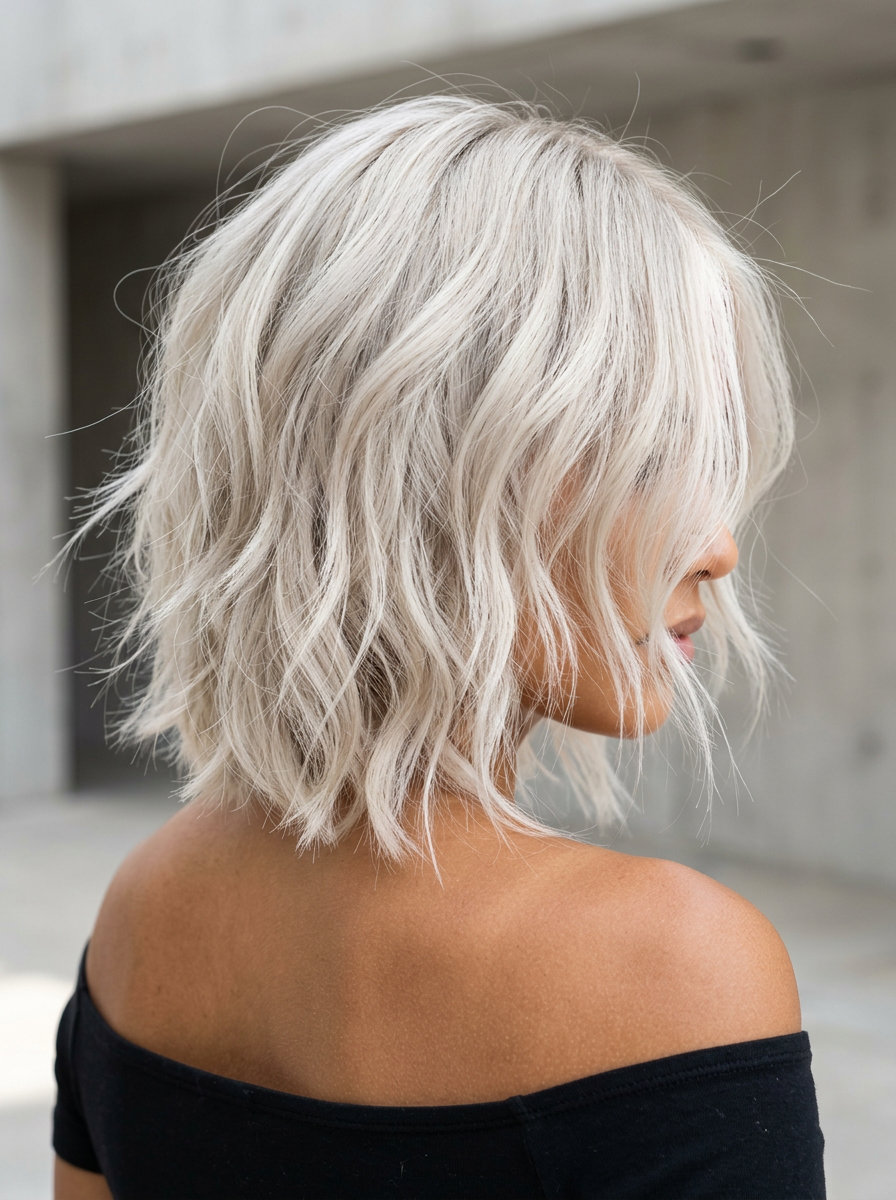
- Platinum Blonde Lob Wavy Hair
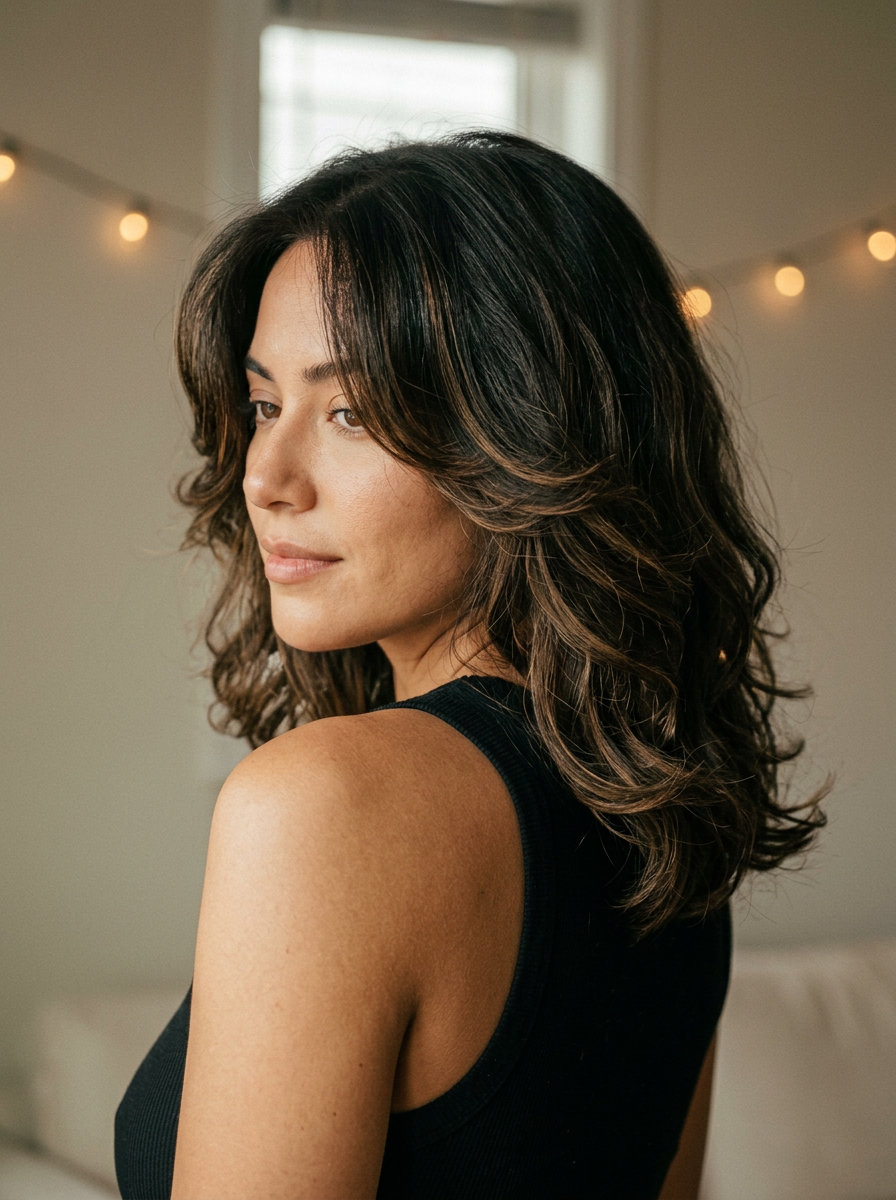
- Long Layered Wavy Brunette Hair
- Butterfly Cut Wavy Hair Styling
- Bronde Lob Wavy Hair
- Long Layered Wavy Brunette Hair
- Espresso Brown Lob Wavy Hair
- Feathered Lob Wavy Hair
- Wispy Face Framing Layers
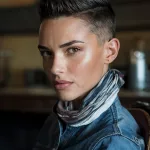
- Choppy Textured Crop
- Long Seamless Face Framing Layers
- Heavy Face Framing Layers Long Wavy Hair
- Soft Layered Mid-Length
- Razor Cut Textured Shag
- Platinum Blonde Lob Wavy Hair
- Wolf Cut Wavy Hair Tutorial
- Butterfly Cut Wavy Hair Styling
- Ghost Layers Textured Shag
- Choppy Textured Crop
- Espresso Brunette Collarbone Layers
- Scandi Wave Crop
- Grown-Out Shag With Curtain Bangs
- Grown-Out Shag With Curtain Bangs
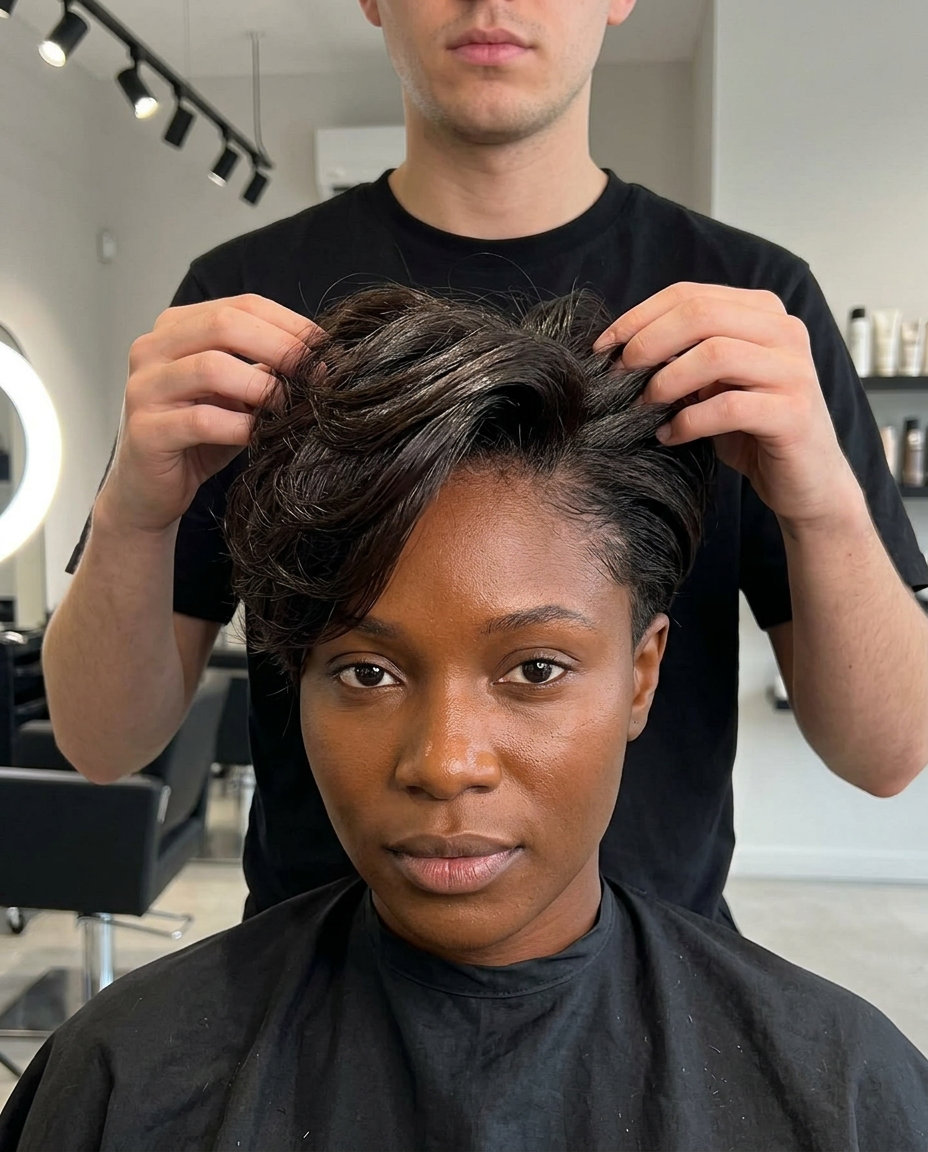
- Textured Wavy Pixie Cut
01. Feathered Lob Wavy Hair
 Save
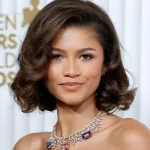
A feathered lob reads retro the moment you say it, but done properly on wavy hair it’s less ‘1970s revival’ and more ‘what if your waves could bounce like they cost $300.’ Scissor-over-comb technique creates soft, blended lines, which is crucial for this lob’s retro bounce and volume. This is not a blunt-cut operation. The feathering starts at ear level and continues through the mid-lengths, creating layers that catch light and movement without looking choppy. Your stylist should comb through sections and cut at angles, not slice straight across. Avoid it if you prefer sleek styles, because feathered layers fight a smooth finish, and forcing them flat defeats the purpose.
Curtain bangs kept their wispy shape for 4 weeks before a quick trim, which is my favorite part, because the cut doesn’t demand precision upkeep right away. The lob sits between shoulder and collarbone on most people, which is generous enough to wear both wavy and half-up without looking stubby. Color works beautifully here: bronde, caramel, or a soft brunette catches the light through the layers. Some days the cut photographs better than it styles, and humidity will test your patience, but that’s the trade-off for real dimension instead of a flat sheet of hair. Retro bounce, modern vibe.
Still Deciding? Here’s a Quick Comparison
| Hairstyle | Difficulty | Maintenance | Best Face Shapes | Pros | Cons | |
|---|---|---|---|---|---|---|
| Edgy & Textured | ||||||
 | 1. The Scandi Wave Crop | Moderate | Medium — every 6-8 weeks | all | Works on multiple texturesLayers add movementFlattering face-framing | Not ideal for very curly hair |
 | 5. The Edgy Textured Wavy Pixie | Moderate | Medium — every 4-6 weeks | oval, heart, round | Suits most face shapesWorks on multiple texturesLayers add movement | Not ideal for very curly hair |
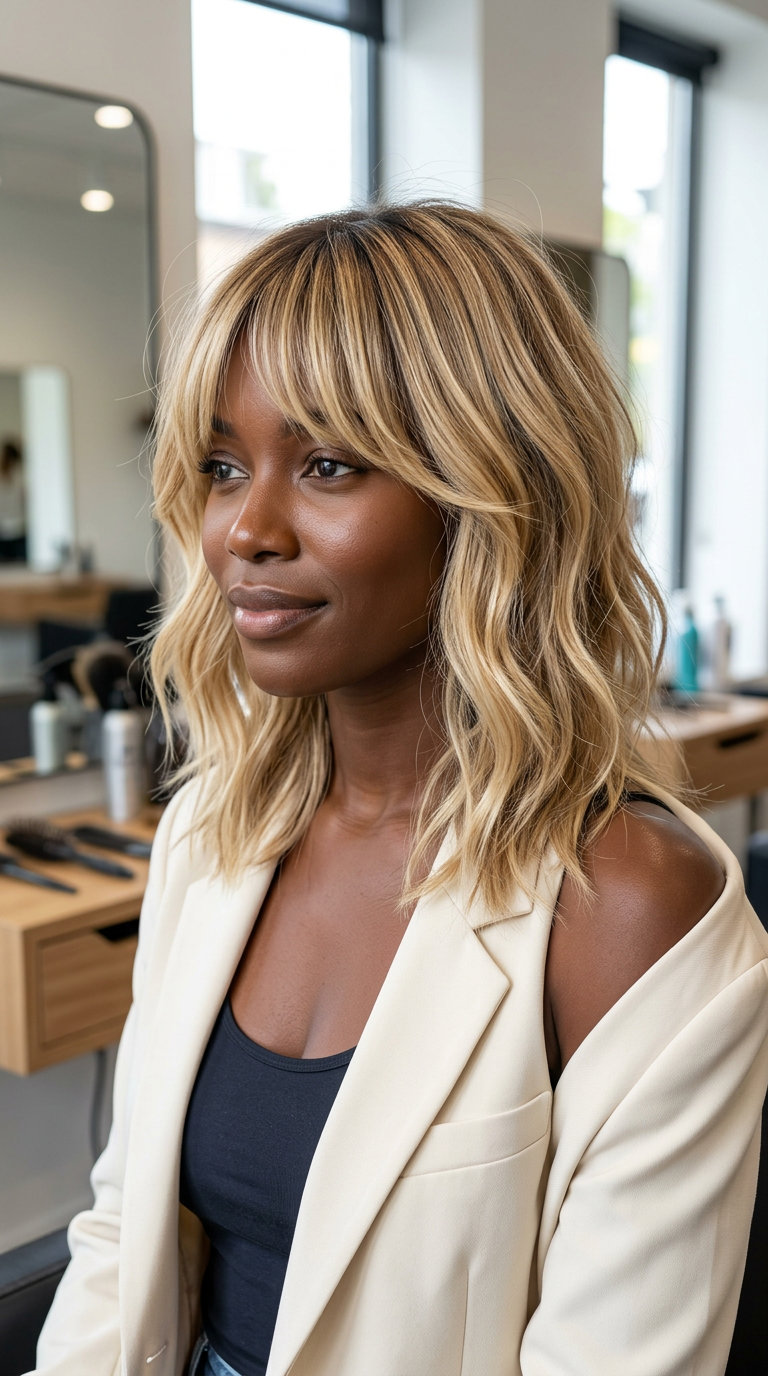 | 8. The Ghost Layered Summer Shag | Moderate | Low — every 10-12 weeks | oval, heart, long | Low maintenanceSuits most face shapesWorks on multiple textures | Not ideal for very curly hair |
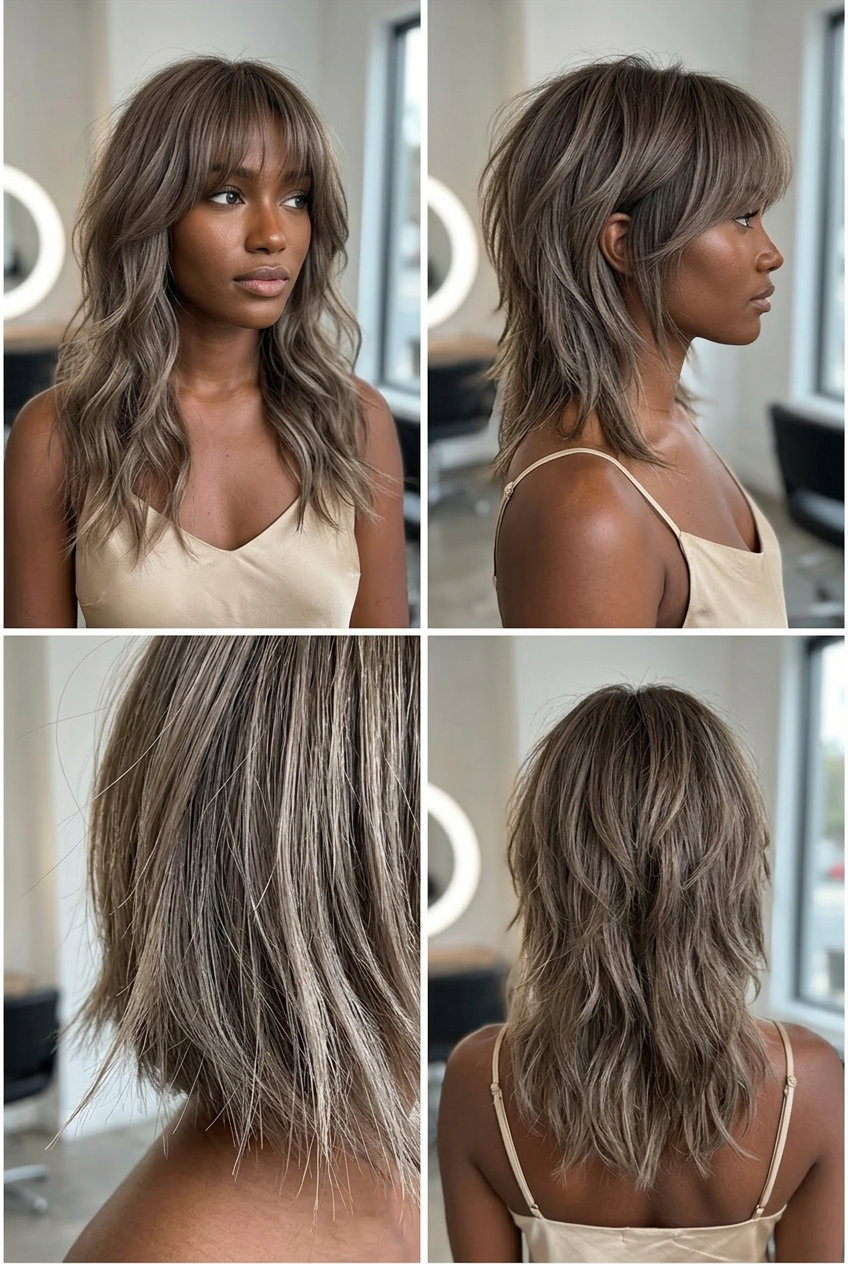 | 10. The Lived-In Razor Shag | Moderate | Low — every 10-12 weeks | oval, long, heart | Low maintenanceSuits most face shapesWorks on multiple textures | Not ideal for very curly hair |
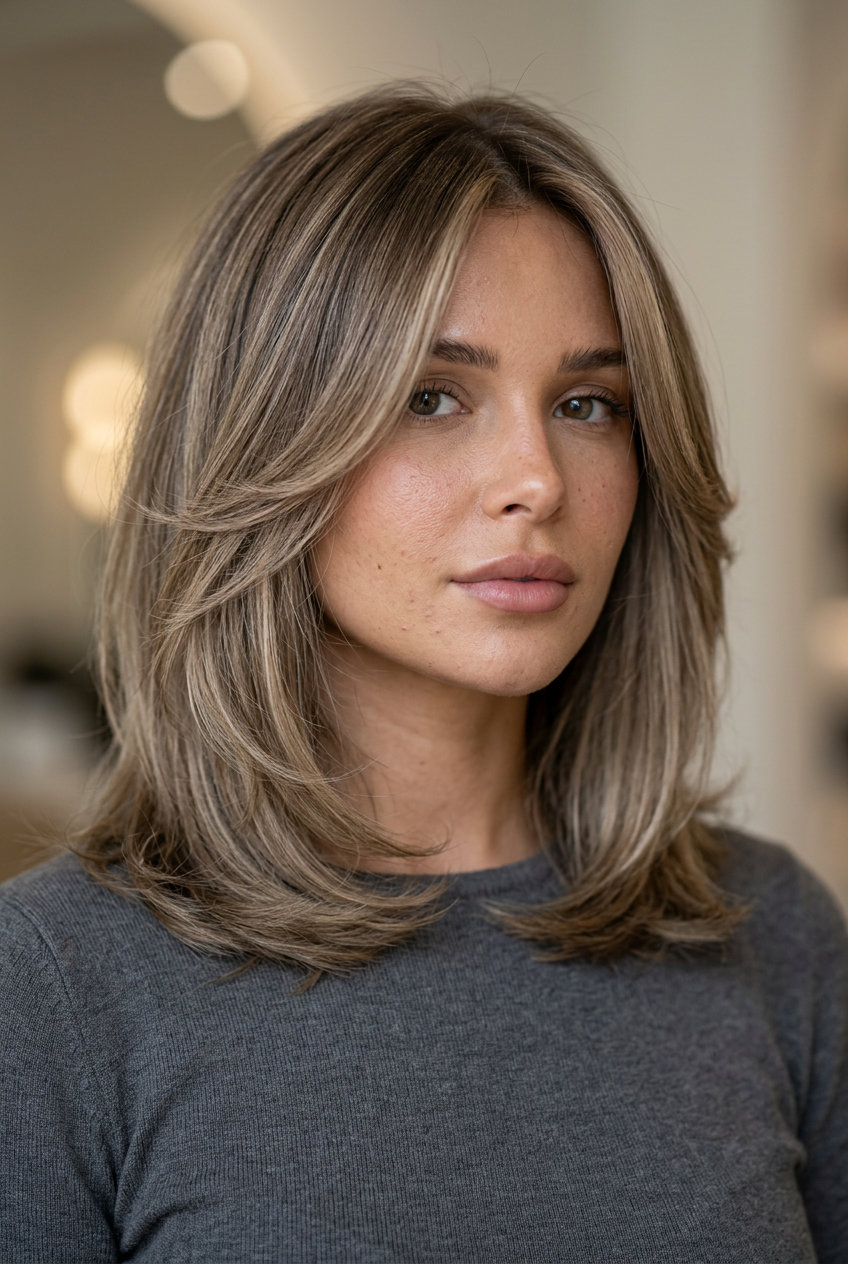 | 11. The Modern Bronde Butterfly Lob | Moderate | Medium — every 8-10 weeks | oval, square, round | Suits most face shapesWorks on multiple texturesLayers add movement | Not ideal for very curly hair |
| 12. The Artfully Tousled Crop | Easy | Low — every 6-8 weeks | All face shapes | Low maintenanceEasy to style at homeSuits most face shapes | Not ideal for very curly hair |
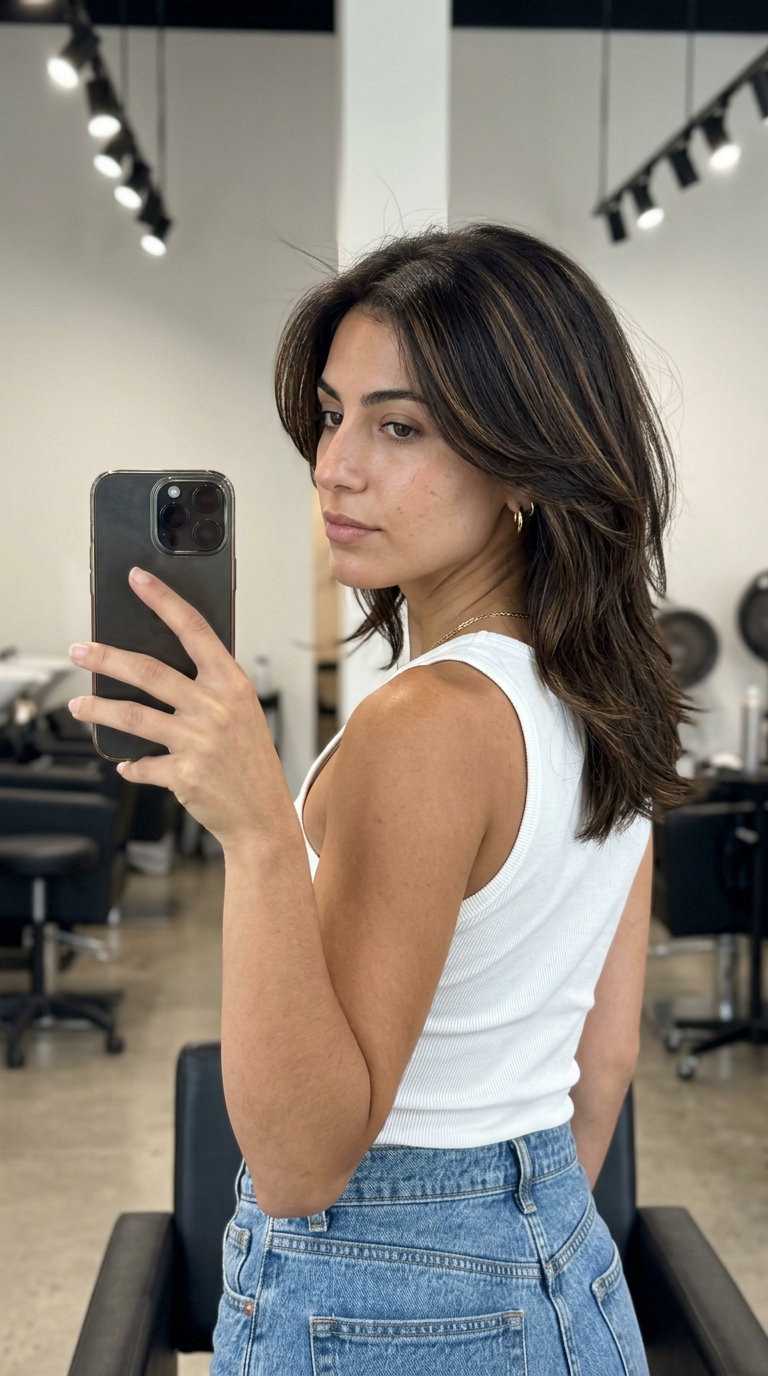 | 14. The Rebellious Summer Wolf | Moderate | Medium — every 10-12 weeks | round, oval, long | Suits most face shapesWorks on multiple texturesLayers add movement | Not ideal for very curly hair |
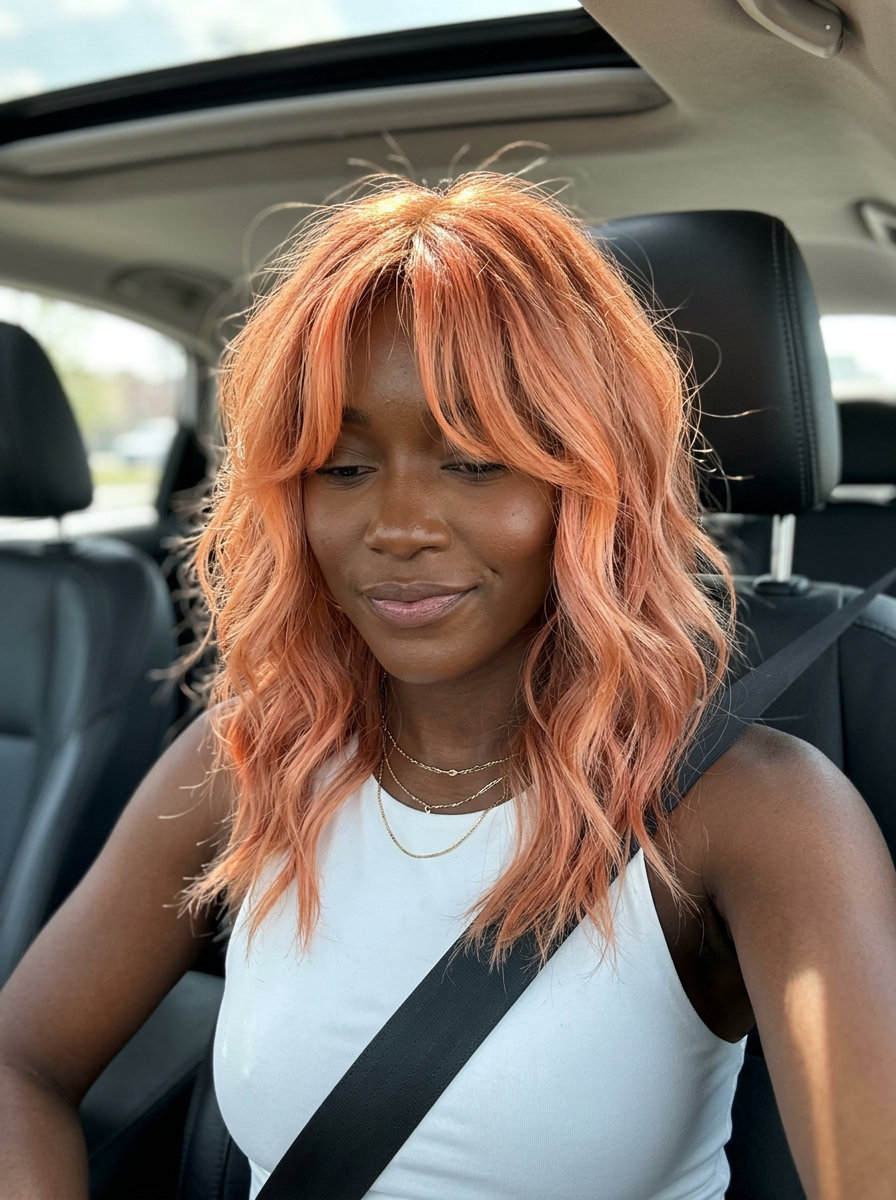 | 21. The Summer Peach Shag | Moderate | High — every 2-3 weeks | oval, heart, long | Suits most face shapesWorks on multiple texturesLayers add movement | Frequent salon visits needed |
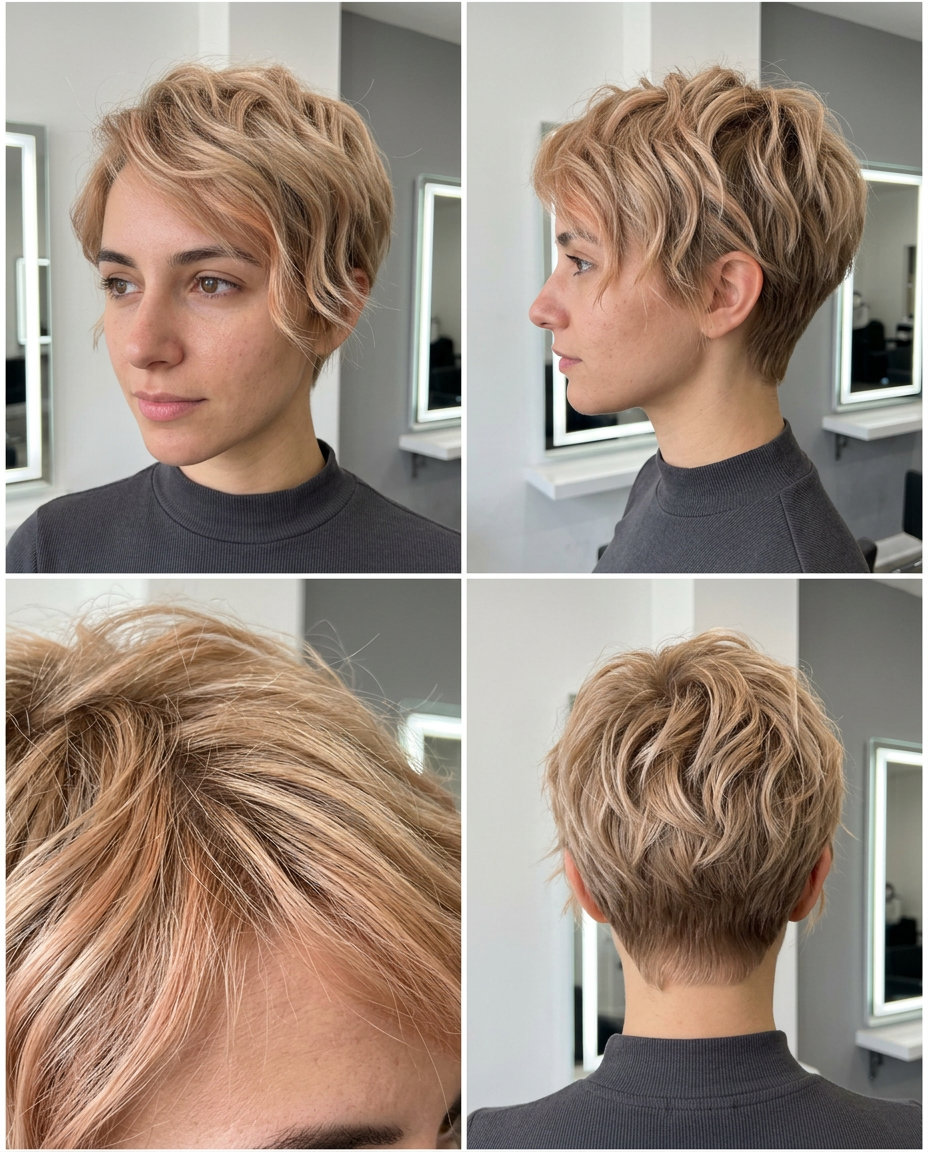 | 24. The Summer Wave Crop | Moderate | Medium — every 4-6 weeks | heart, oval, round | Suits most face shapesWorks on multiple texturesLayers add movement | Not ideal for very curly hair |
| Classic & Clean | ||||||
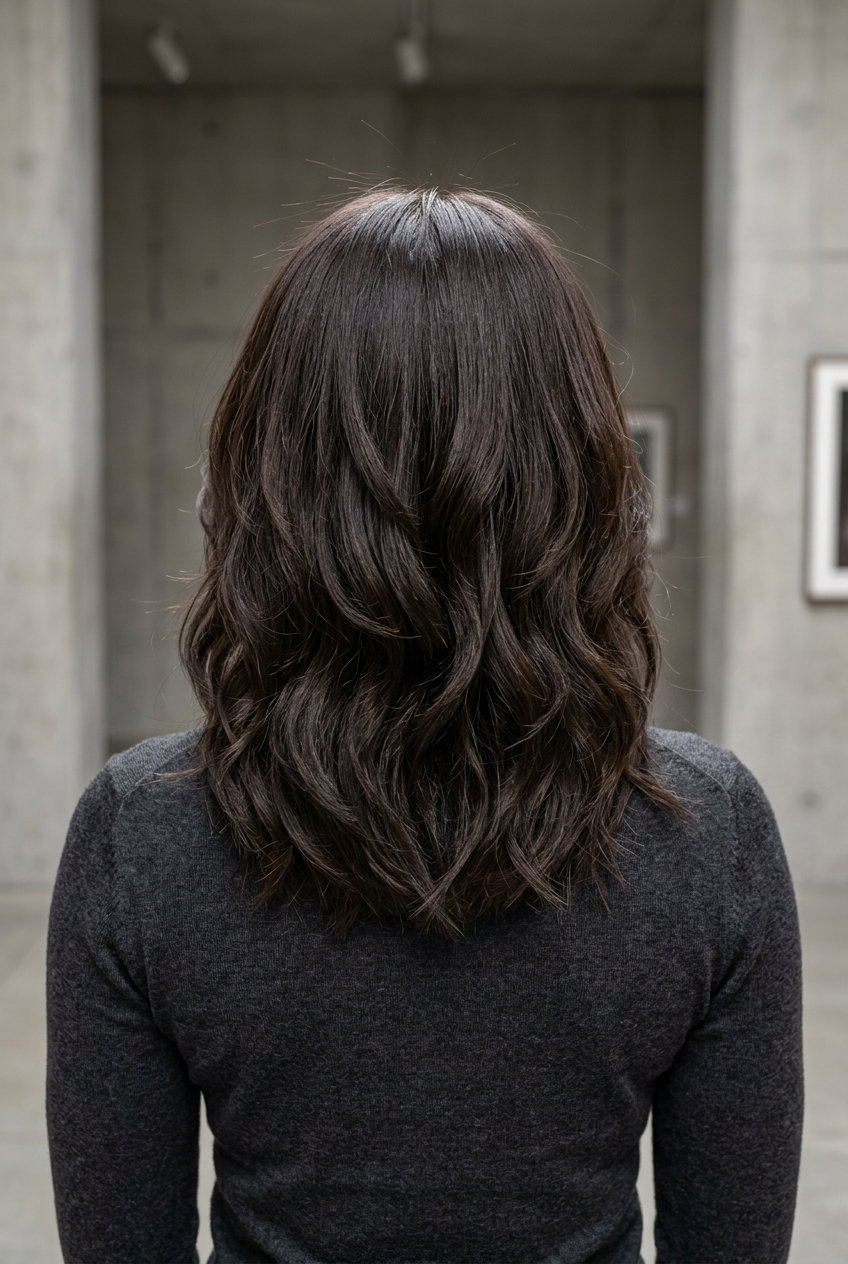 | 3. The Riviera Flow | Moderate | Medium — every 8-10 weeks | oval, long, square | Suits most face shapesWorks on multiple texturesLayers add movement | Not ideal for very curly hair |
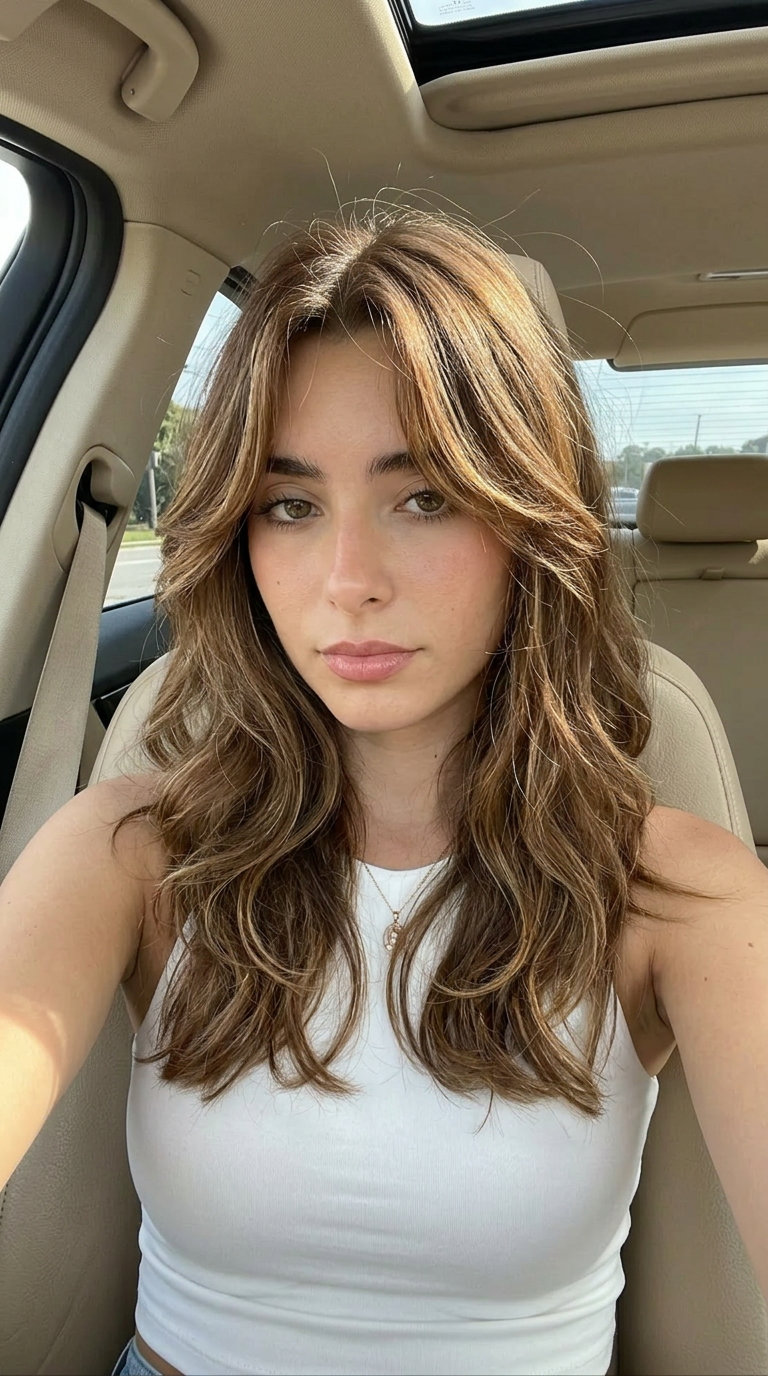 | 4. The Effortless Shag Revival | Moderate | Low — every 10-12 weeks | long, oval, heart | Low maintenanceSuits most face shapesWorks on multiple textures | Not ideal for very curly hair |
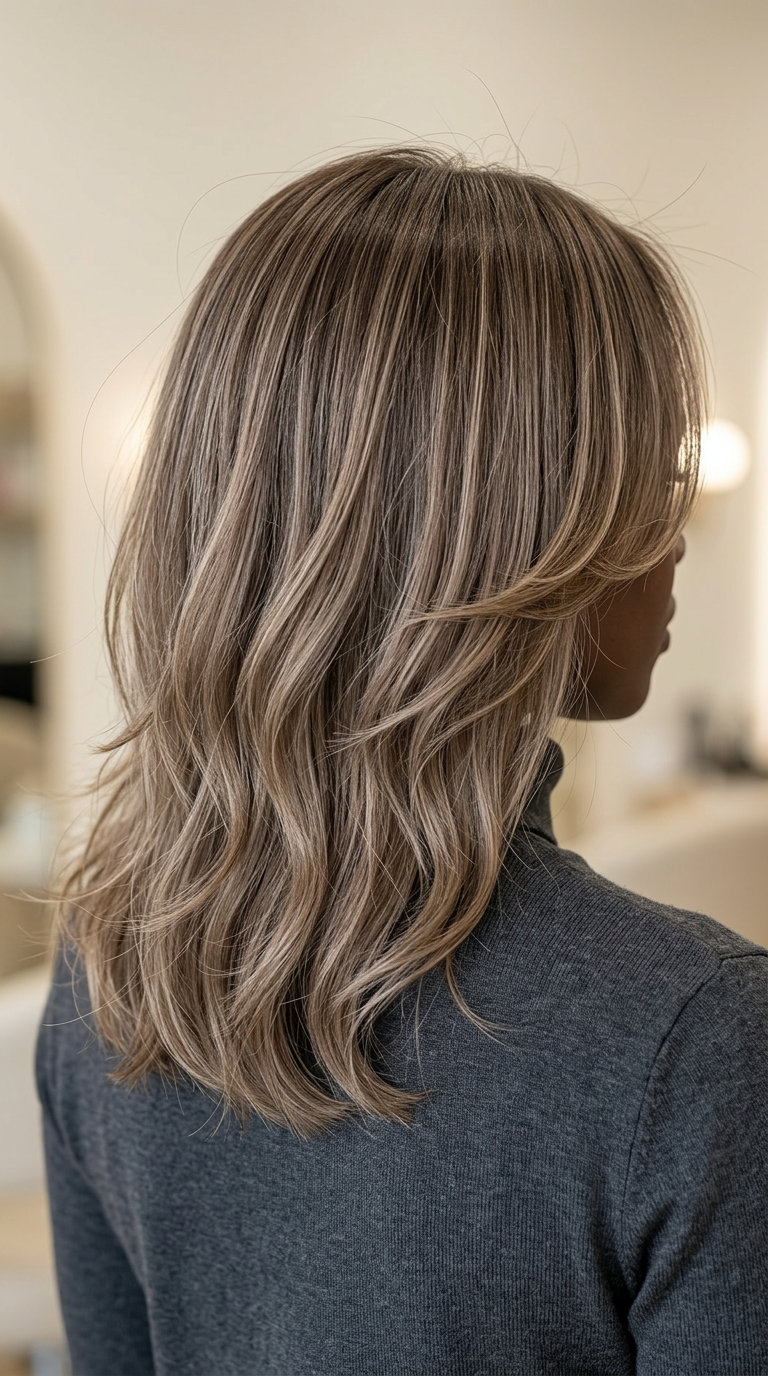 | 6. The Whispy French Chic Layers | Easy | Low — every 8-10 weeks | oval, heart, long | Low maintenanceEasy to style at homeSuits most face shapes | Not ideal for very curly hair |
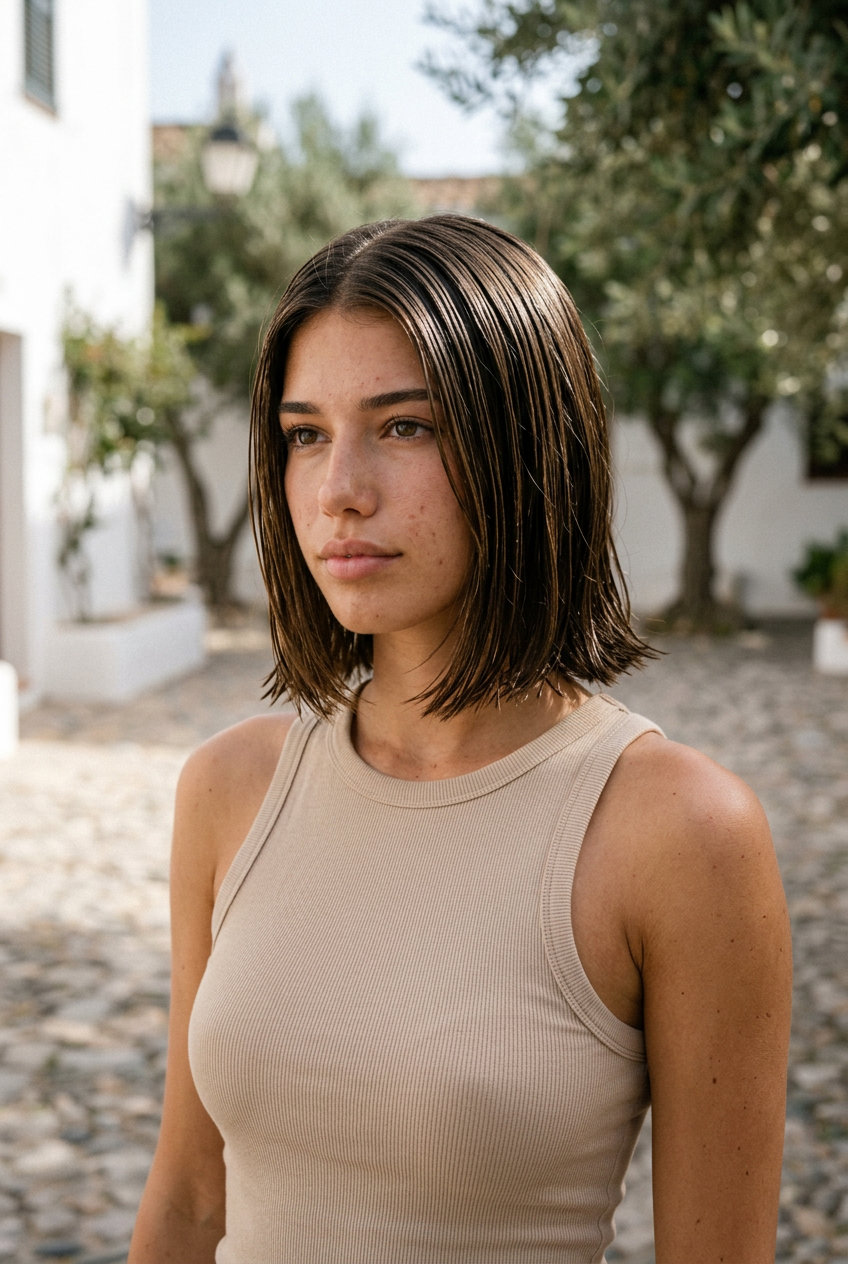 | 7. The Mediterranean Wet-Look Bob | Easy | Medium — every 8 weeks | square, diamond | Easy to style at homeWorks on multiple texturesLayers add movement | Not ideal for very curly hair |
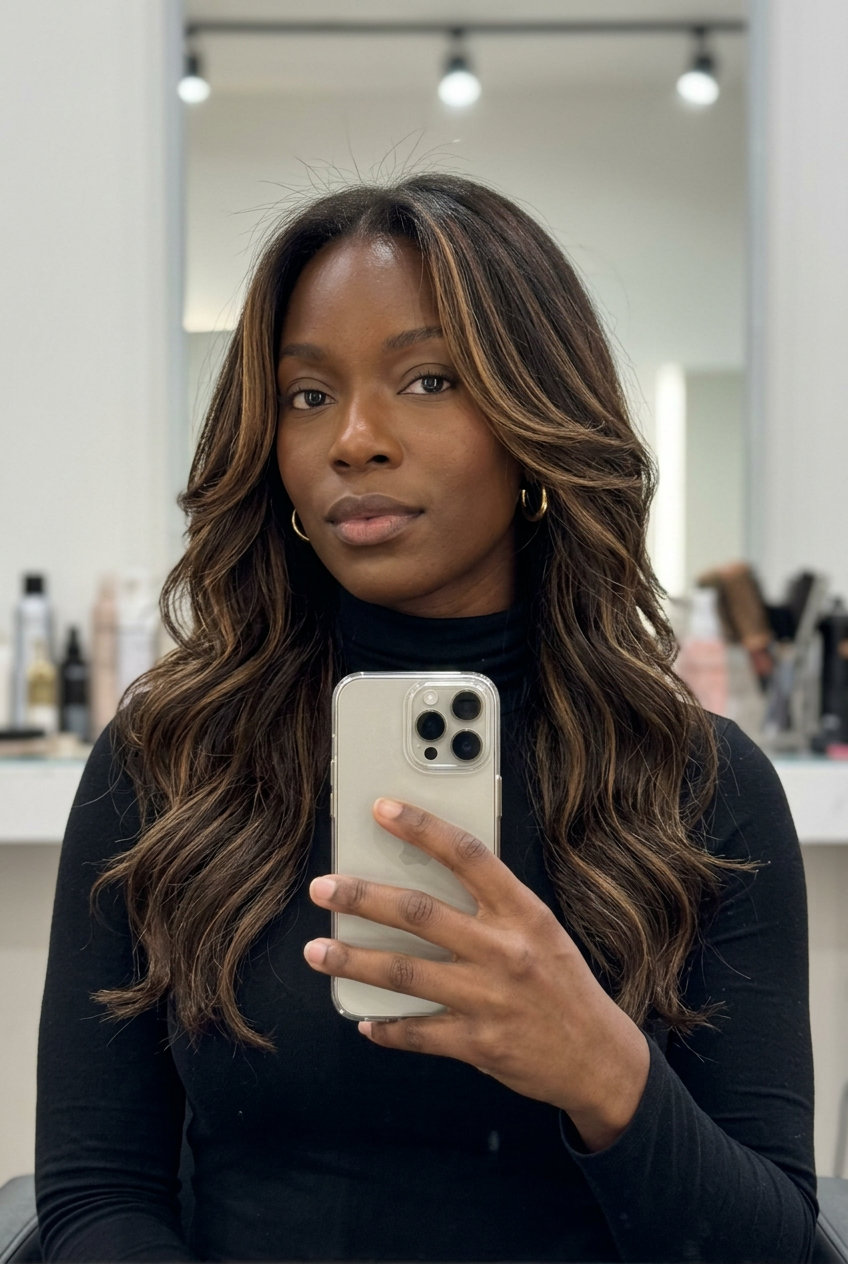 | 9. The French Chic Cascade | Easy | Low — every 10-12 weeks | oval, square, heart | Low maintenanceEasy to style at homeSuits most face shapes | Not ideal for very curly hair |
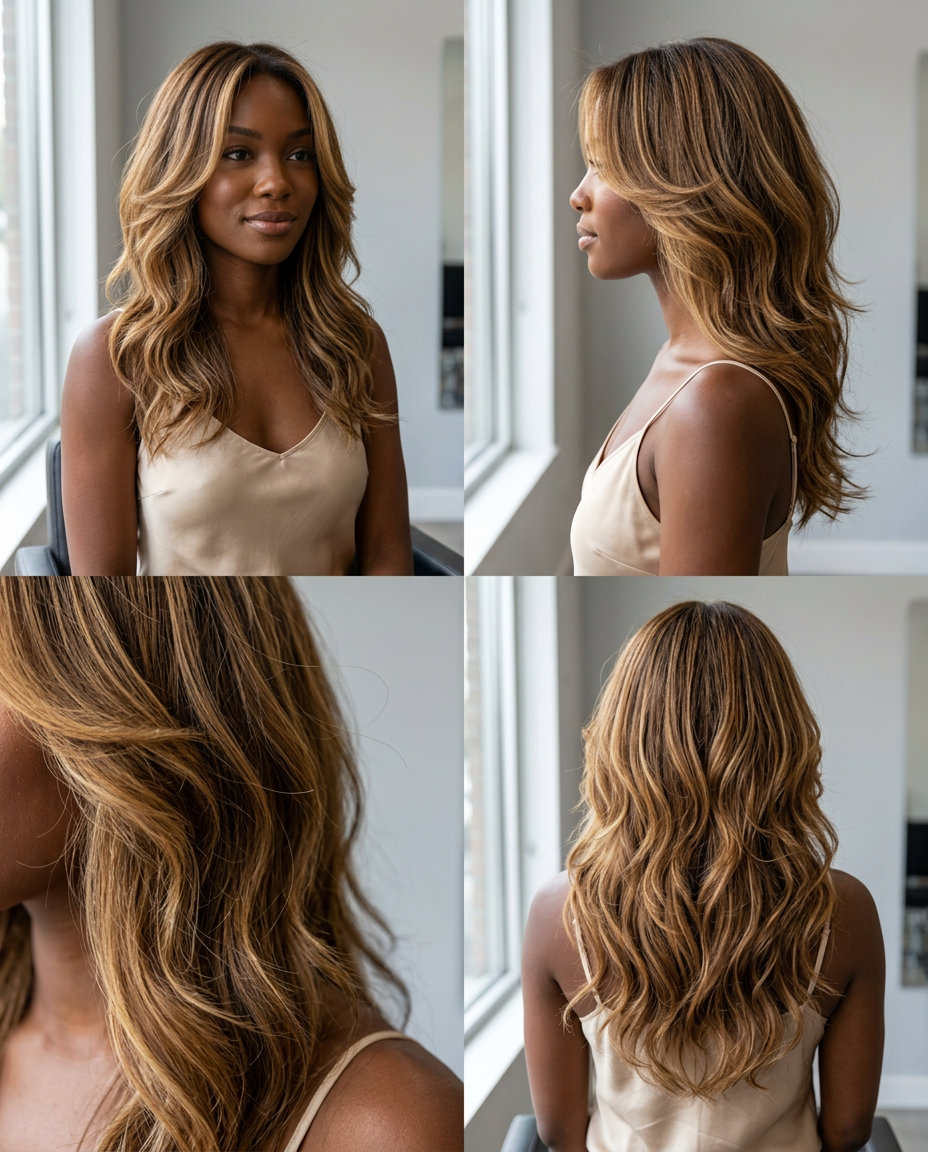 | 13. The Boho Butterfly Wave | Moderate | Medium — every 10-12 weeks | round, oval, heart | Suits most face shapesWorks on multiple texturesLayers add movement | Not ideal for very curly hair |
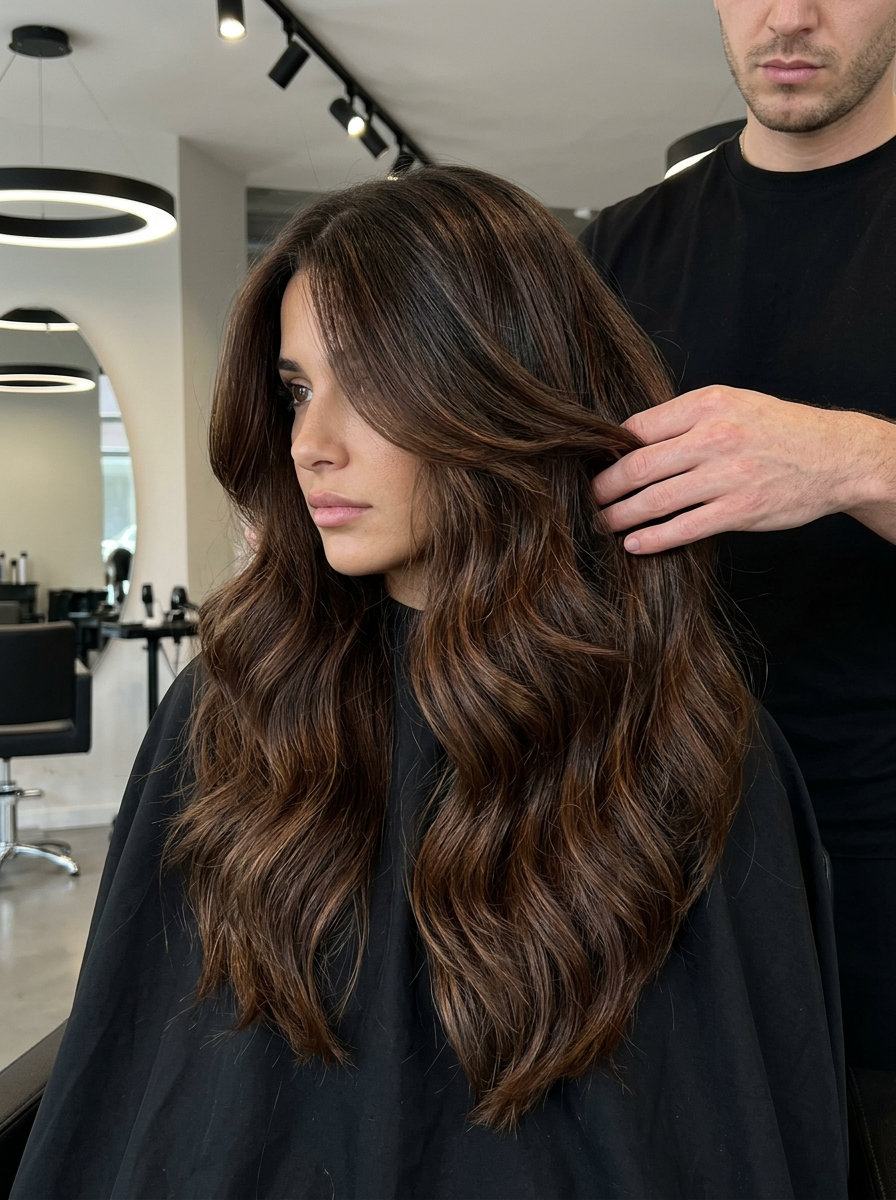 | 15. The Romantic Cascading Brunette | Moderate | High — every 10-12 weeks | oval, long, square | Suits most face shapesWorks on multiple texturesLayers add movement | Frequent salon visits needed |
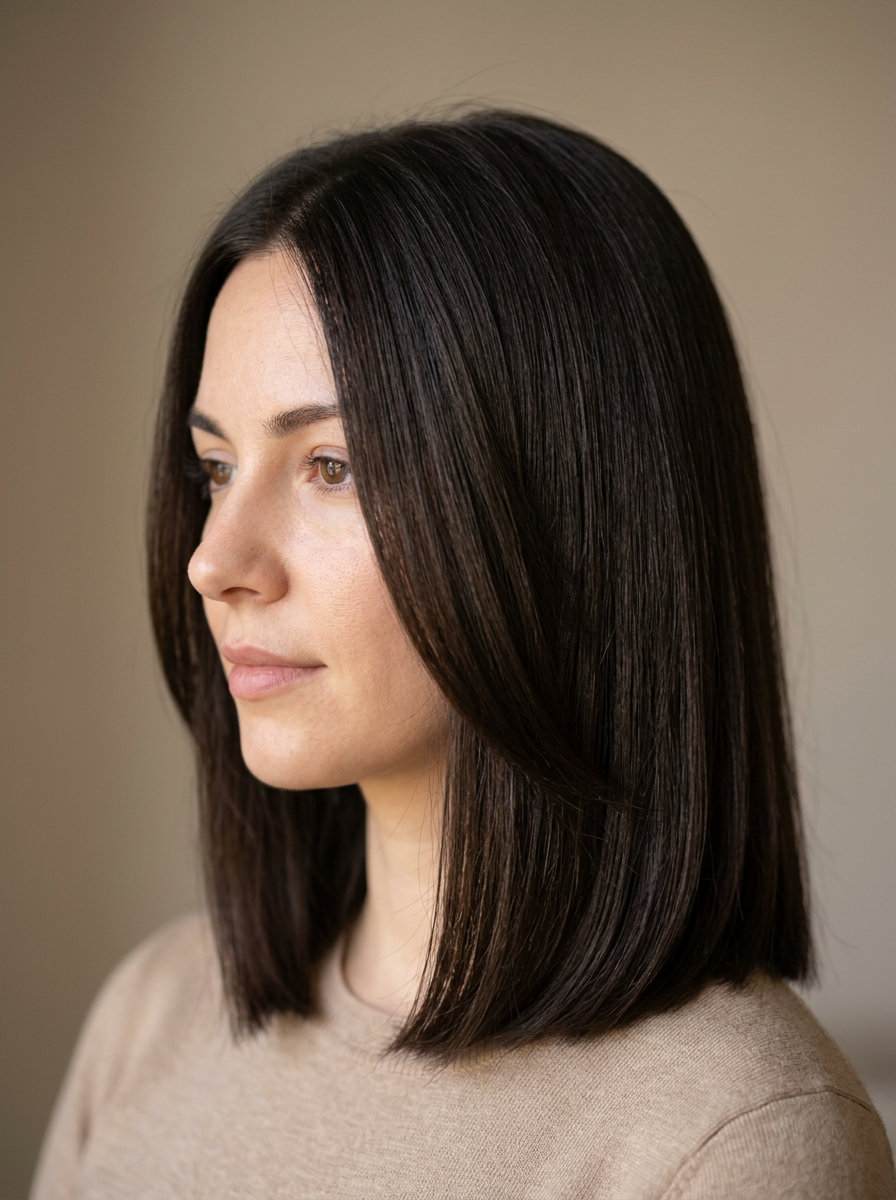 | 19. The Sleek Espresso Lob | Moderate | Medium — every 8-10 weeks | oval, square, diamond | Suits most face shapesWorks on multiple texturesLayers add movement | Not ideal for very curly hair |
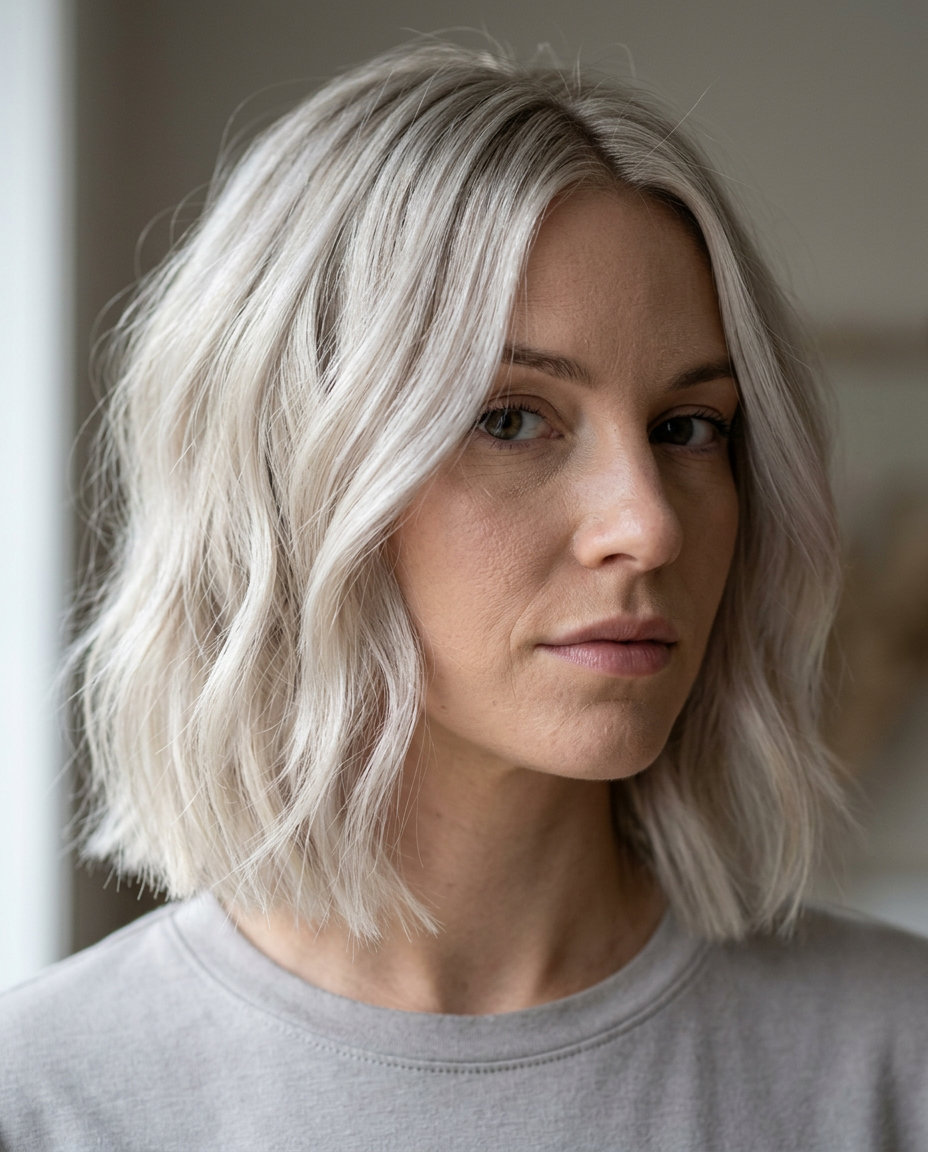 | 20. The Glazed Platinum Lob | Moderate | High — every 4-6 weeks | square, diamond, oval | Suits most face shapesWorks on multiple texturesLayers add movement | Frequent salon visits needed |
 | 25. The ‘C’ Cut Summer Waves | Easy | Medium — every 8-10 weeks | square, diamond, oval | Easy to style at homeSuits most face shapesWorks on multiple textures | Not ideal for very curly hair |
| Soft & Romantic | ||||||
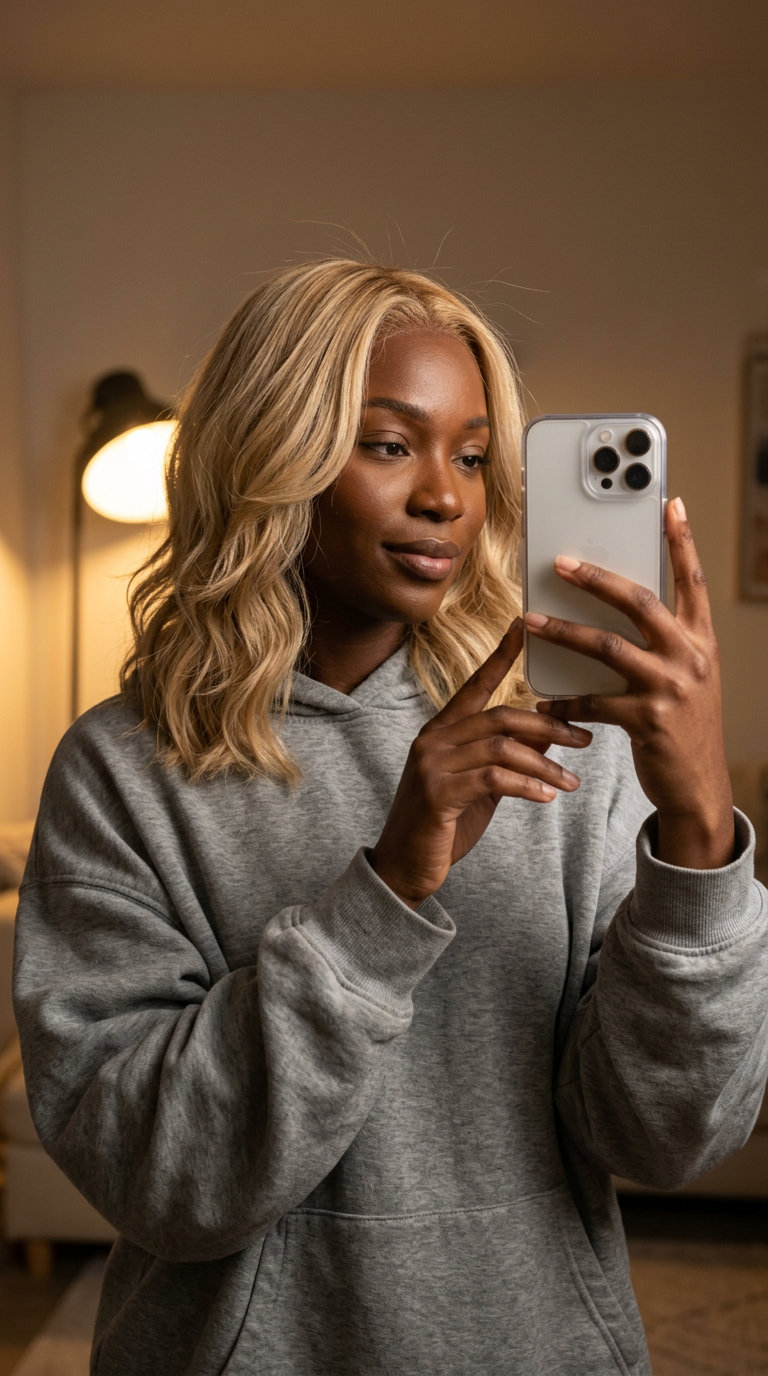 | 2. Sun-Kissed Layered Mid-Length | Moderate | Medium — every 8-10 weeks | All face shapes | Suits most face shapesWorks on multiple texturesLayers add movement | Not ideal for very curly hair |
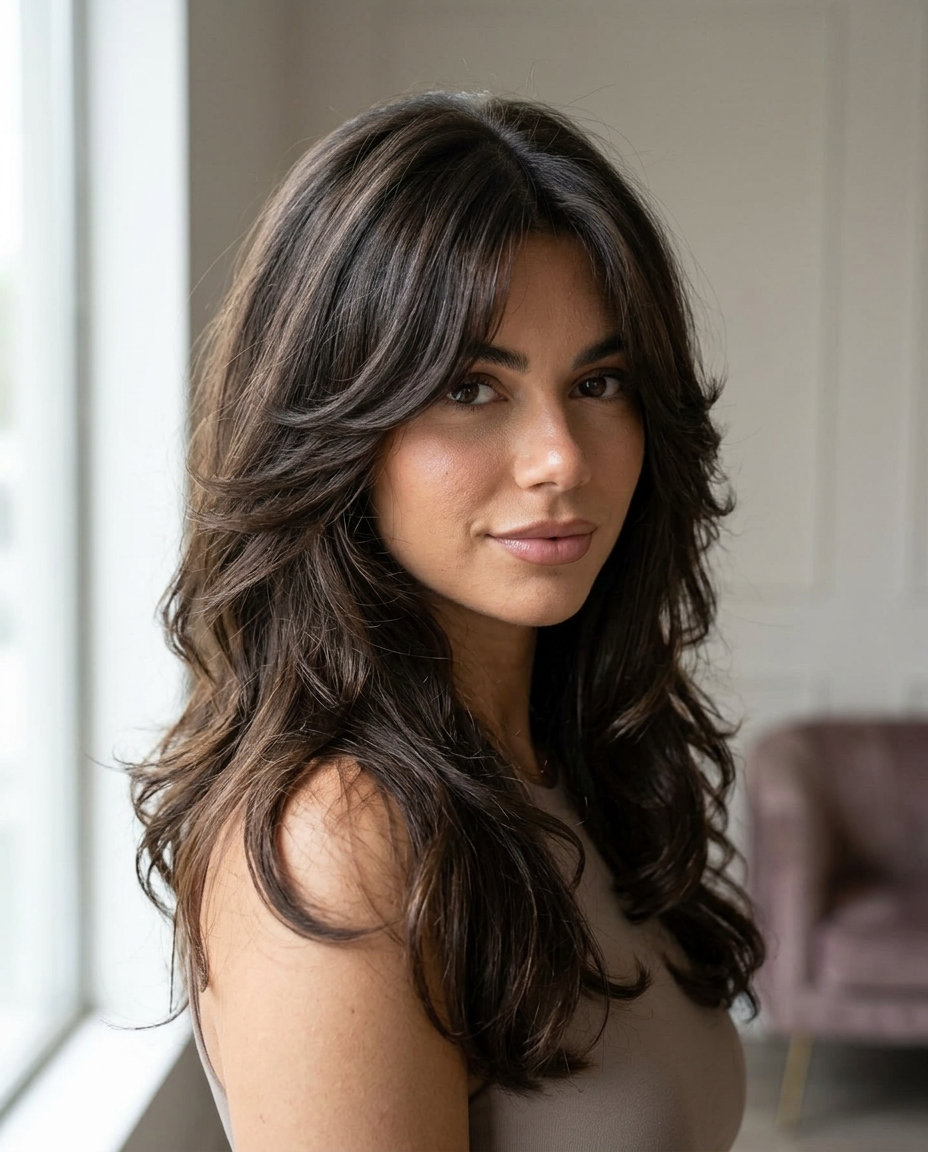 | 16. The Butterfly Hybrid with Curtain Bangs | Moderate | High — every 10-12 weeks | round, oval | Works on multiple texturesLayers add movementFlattering face-framing | Frequent salon visits needed |
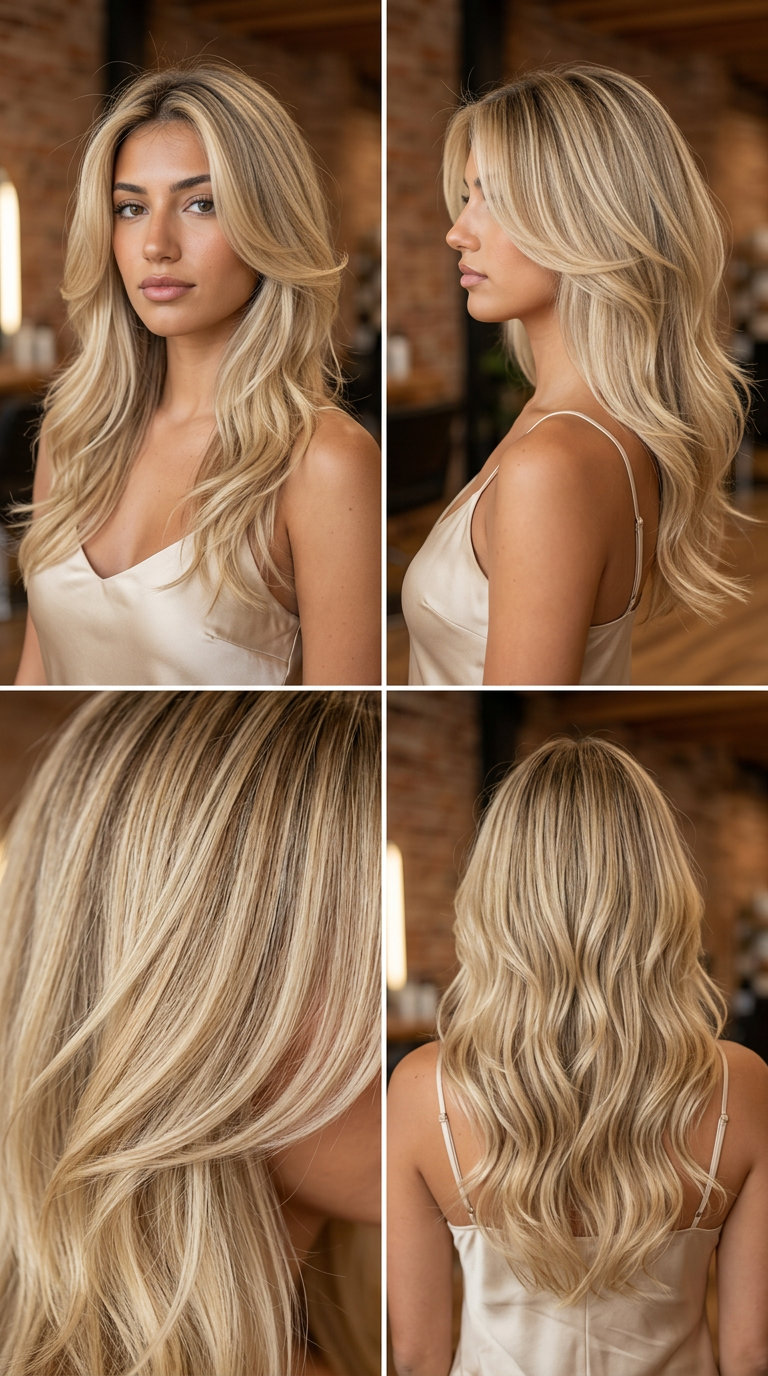 | 17. The Glamour Frame | Moderate | Medium — every 10-12 weeks | round, oval, diamond | Suits most face shapesWorks on multiple texturesLayers add movement | Not ideal for very curly hair |
| 18. The ’70s Sunset Lob | Moderate | High — every 8 weeks | oval, square, heart | Suits most face shapesWorks on multiple texturesLayers add movement | Frequent salon visits needed |
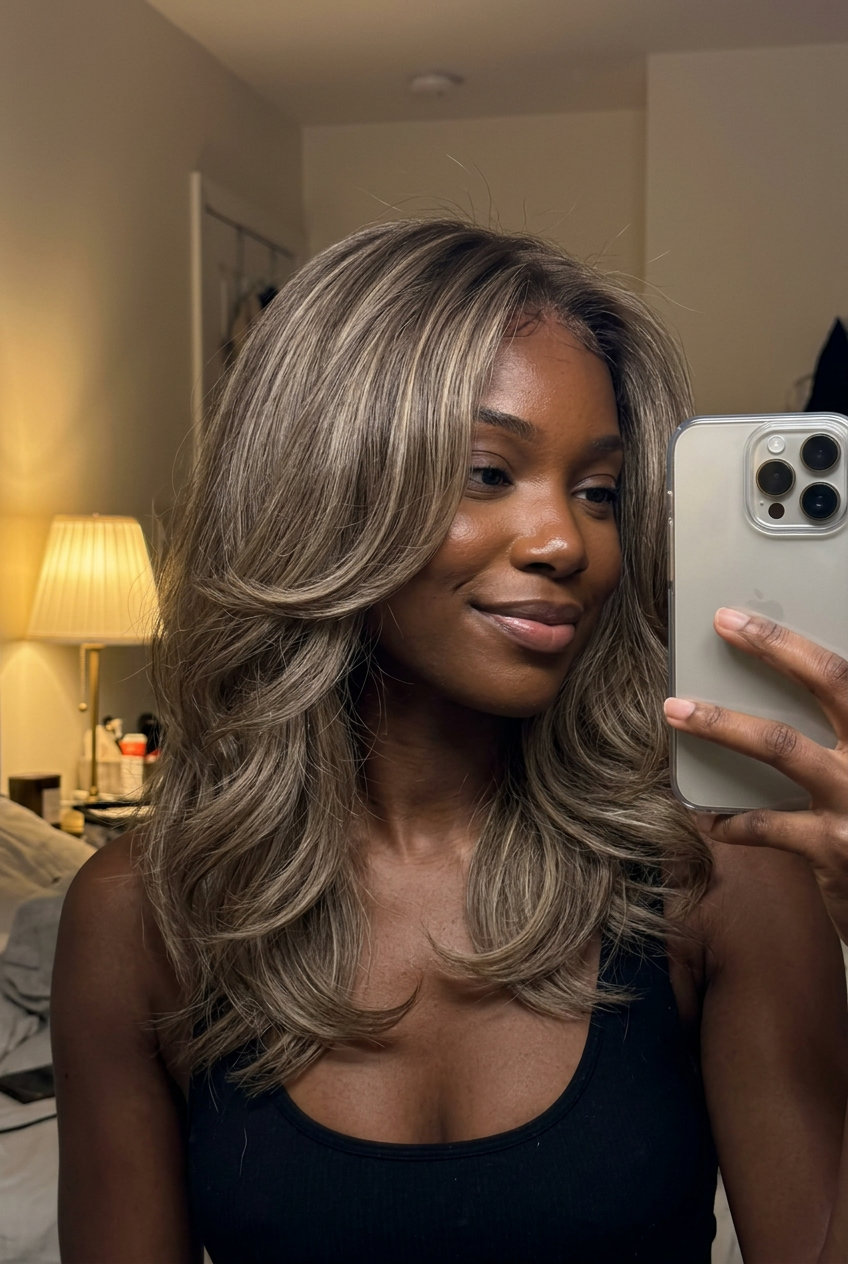 | 22. Voluminous Wavy Long Bob | Moderate | Medium — every 8-10 weeks | All face shapes | Suits most face shapesWorks on multiple texturesLayers add movement | Not ideal for very curly hair |
| 23. The Sunset Siren Waves | Moderate | High — every 4-5 weeks | oval, heart, long | Suits most face shapesWorks on multiple texturesLayers add movement | Frequent salon visits needed | |
02. Wet Look Blunt Bob
SaveThe blunt perimeter is having its moment, and for good reason: it reads as intentional, sharp, and precise. Internal point-cutting removes weight from wavy hair, allowing natural movement while keeping the blunt perimeter sleek. When I checked in after six weeks, the shape still held at jawline length with barely any change, which is rare for a blunt cut on texture. Most people expect a blunt bob to turn shaggy within weeks, but this one held up.
The wet look comes from styling product and technique, not from actual wetness. Work a lightweight gel or mousse into damp hair, smooth it against the head, and let it dry to a controlled shine. The blunt perimeter needs precise styling to keep its sleekness, not just air-drying, so build that into your daily routine. Thickness matters: the heavier your hair, the more polished this cut looks on its own. Lighter textures need more intentional styling work.
This reads as intentional, modern, and unfussy, which is why it lands. The wet look bob trend isn’t going anywhere because it solves a real problem: how to make wavy texture look deliberate and sharp instead of messy. Pair it with a lightweight smoothing product, commit to weekly styling, and you’ll have something that photographs better than it feels to wear. The swing is real.
03. Platinum Blonde Lob Wavy Hair
SaveInternal ‘C’ layers held volume for 3 days with minimal product and framed the jawline beautifully. This is the geometric opposite of a shag: structured, intentional, and somehow easier to maintain than it looks. The layers are cut inside the perimeter, so the ends stay blunt and heavy enough to anchor the wave, while the interior creates lift. Ask your stylist for an internal ‘C’ shaped layer pattern and a slight V-cut in the back; the waves stack instead of flattening against your scalp, which is what my thick hair needs. The perfect lob bounce.
Platinum on wavy hair takes vigilance; this isn’t a one-and-done situation. Plan on purple shampoo every other wash and maybe a weekly toning treatment. That said, the lob length (usually collarbone or just below) is forgiving: you can stretch 4-5 weeks between color maintenance if you’re disciplined. Not for very fine hair, though, because internal layers might remove too much volume instead of adding it.
04. Long Layered Wavy Brunette Hair
SaveThe grown-out shag that looks intentional instead of neglected exists, and it’s for people with thick waves who want drama without the commitment of short layers. Deeply cascading layers held bounce and definition for 10 weeks on thick wavy hair, which is useful timing if you plan salon visits by season rather than by month. The cut works because the layers are carved, not hacked, so there’s real structure under the movement.
Precision-carved, deeply cascading layers remove weight from thick hair, allowing maximum bounce and definition. That’s why this works instead of looking like you haven’t had a haircut in a year. Avoid it if your hair is fine, because these dramatic layers can make it look thin and stringy instead of dimensional. Long layered wavy brunette hair suits a cool-toned middle-ground color that won’t fight fading or demand constant commitment. The styling demand is real: you’re managing length, texture, and layers, so product becomes essential rather than optional. (The best $250 I’ve spent on hair.) This is the cut for people who want proof their hair is magnificent, not in an ‘I have waves’ way but in a ‘my hair does something’ way. Pure hair drama.
05. Butterfly Cut Wavy Hair Styling
SaveThis one fakes short hair while you keep the length, at least visually. The butterfly cut works because heavy, sweeping face-framing layers create that “I just cut it all off” vibe from the front, while you still hold onto the long pieces in the back. The face-framing layers sold a ‘short hair’ illusion for 8 weeks without losing overall length, which matters if you’re not ready to go short but badly want to feel like you did.
Heavy, sweeping face-framing layers create a ‘short hair’ illusion from the front while preserving overall length, and that’s the whole philosophy here. You get volume at the face, movement through the mid-lengths, and styling options. Not for very fine hair, though: heavy layers can remove too much density and leave you with wisps instead of waves. The cut needs some styling to hit right, and your stylist needs to understand the difference between blunt-cutting and point-cutting, or it reads flat instead of dimensional. The consultation is worth it to see whether your hair can hold these layers. Butterfly cut wavy hair styling works because it’s ambitious without being reckless. Long hair, short vibes.
06. Bronde Lob Wavy Hair
SaveA lob that doesn’t demand your whole personality to maintain: that’s the appeal here. The cut sits at the exact length where waves look intentional rather than accidental, and the bronde lob formula lets you coast between salon visits without looking like you’ve given up. Butterfly layers created visible volume and movement for 4 weeks with minimal styling, which honestly beats anything I’ve tried at this length.
Point-cut soft, seamless layers remove bulk and encourage natural wave, giving movement without heaviness. That’s the actual design at work, not just marketing language. You’re not fighting your texture here; the cut is built around what wavy hair already wants to do. Fine to medium wavy hair gets the most benefit, because those layers create real dimension instead of just thinning everything out. (It truly transformed my fine waves.) The color stays interesting because bronde doesn’t demand the perfect root maintenance pure platinum does, and summer sun brightens it anyway. Effortless, everyday chic.
07. Long Layered Wavy Brunette Hair
 Save
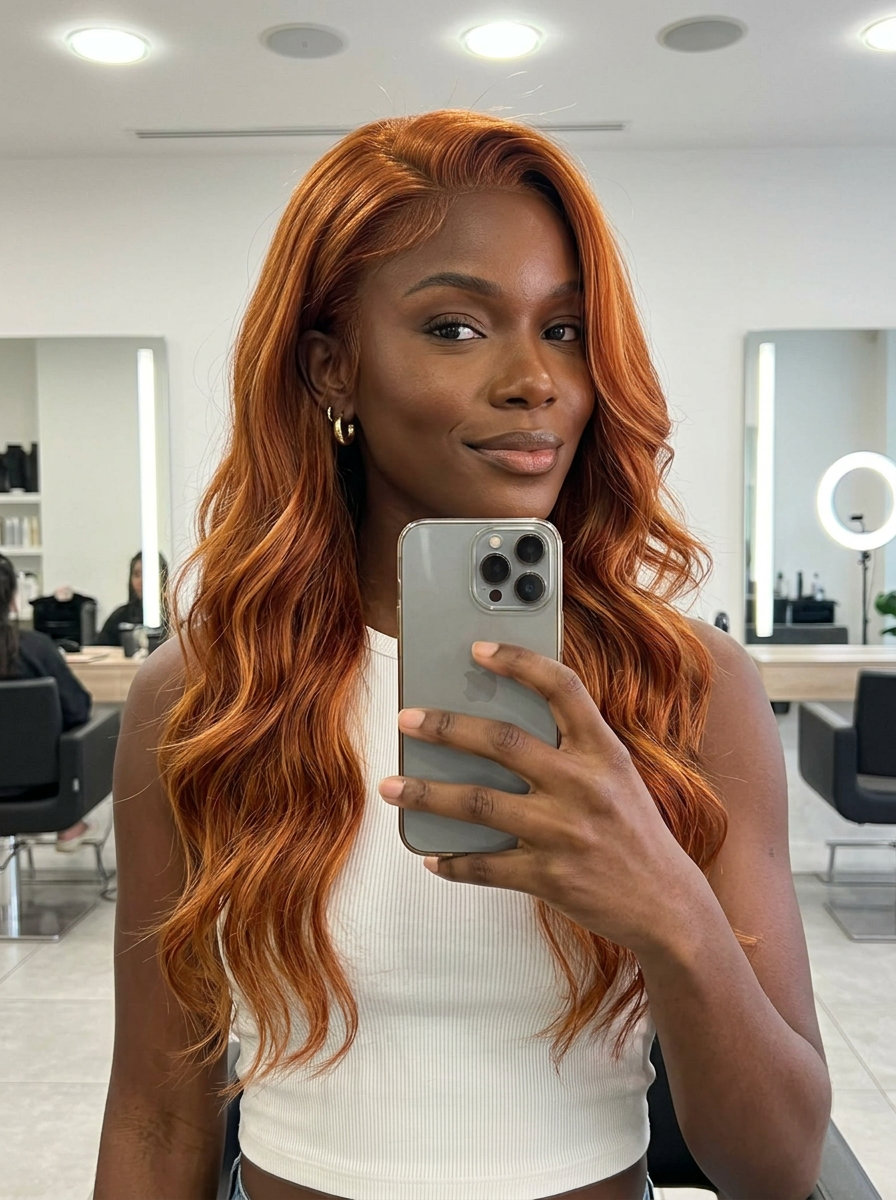
The ‘V’ shape cut kept its dramatic flow for 8 weeks without feeling heavy or bulky. Point-cutting throughout reduces bulk and encourages natural wave, while the ‘V’ shape creates dramatic flow. This is the foundation that makes length work on wavy hair at all. Without point-cutting, long layers just hang dead. With it, they move. A warm brunette base, think sunset copper, sits beautifully on wavy hair because the movement itself creates dimension, so you don’t need balayage if the cut is doing the work. That’s also why your stylist matters more than your colorist here.
Long layers on thick hair need regular trims to prevent split ends and keep their shape, so it’s worth a salon consultation before you commit. Every 8-10 weeks is the realistic timeline, not the optimistic 12 weeks your stylist might mention. For products, use a leave-in treatment for the mid-lengths and a texturizing spray for definition on day two. The sunset copper holds its richness for 6-8 weeks before fading noticeably. Flow for days.
08. Espresso Brown Lob Wavy Hair
SaveInternal layers are the secret that separates a lob that hangs like deadweight from one that moves with intention. You don’t see them, and that’s the point, but they do the structural work under a sleek perimeter that makes you look like you have your life together. Internal point-cut layers remove weight without visible lines, which suits fine wavy hair that needs subtle movement. Your stylist works the underneath sections while keeping the top and perimeter visually intact. The espresso brown (or whatever brunette you choose) shows off the invisible architecture through movement in the mid-lengths and ends, instead of relying on obvious choppy lines.
The test that sold me: invisible internal layers prevented a ‘blocky’ feel and kept movement for 10 weeks. The consultation is worth it to see whether this approach suits your hair density. Not for very thick hair, though. Internal layers may not remove enough bulk, and you’d end up with a lob that still feels heavy despite the technical work. Fine to medium wavy hair is where this lives best, since the layers give enough structure without overdoing the texture. Styling takes minutes: damp waves, a bit of curl cream, air-dry or a quick blow-dry, and you read as intentional rather than accidental. Subtle movement, polished finish.
09. Feathered Lob Wavy Hair
Save‘C’ shaped layers at the jawline added noticeable volume without heavy styling and lasted 6 weeks between trims. This cut requires salon expertise, since DIY attempts at ‘C’ layers often end up uneven. The logic is simple: ‘C’ shaped layers around the face create a voluminous frame and natural movement, preventing blunt lines that fight your wave. Your stylist cuts each layer to curve inward slightly, so when you blow-dry or air-dry, the wave follows that shape and frames your face. Fine to medium wavy hair thrives here, because the ‘C’ layers add volume and shape without heavy styling.
The feathering, with shorter pieces at the perimeter blending into longer internal layers, creates softness that blunt ends can’t match. You’ll need a leave-in treatment for the ends and a light texturizing spray for definition; anything heavier makes the feathering collapse. Maintenance every 7-8 weeks keeps the shape crisp, though the wave softens a little as it grows. This cut needs salon expertise, which is exactly what my fine hair needs, so it’s worth the consultation. Effortless, everyday chic.
10. Wispy Face Framing Layers
SaveThis is the cut for people who say they can’t pull off layers. Point-cut ends and a U-shaped back create movement that works with your waves instead of against them. I saw the difference firsthand: three days of natural movement without frizz and no heat. Fine to medium wavy hair (2A-2B) doesn’t need much, just the right technique. Point-cutting avoids a blunt line and lets the waves move naturally, without that stiff, overworked look.
The face-framing pieces start at the cheekbone and graduate slightly longer toward the back. This isn’t choppy texture for its own sake, which is what makes it so easy to live with. The subtlety does the work: softer ends catch light differently, creating dimension without visible chop marks. The layers sit flush against your face rather than poking out at odd angles, which matters more than people expect when you’re working with natural waves. Effortless, truly.
Best for anyone who wants wispy face-framing layers without a big change in length. Not for very thick hair, because layers may not remove enough bulk to create real movement. If your hair is that thick, a different cut family will suit you better. The styling is minimal: apply a sea salt spray to damp hair, scrunch, and go. That’s genuinely it.
11. Choppy Textured Crop
SaveChoppy layers held spiky texture for 4 weeks with daily styling and minimal product. This is the anti-flow cut: aggressive choppy layers with point-cutting and razoring create a spiky, piecey effect that enhances natural wave. It’s short enough (usually 2-4 inches on top) that your natural wave reads as intentional texture rather than frizz. There’s a rebellious energy here. You’re not trying to look polished; you’re trying to look alive. Avoid it if you want low-maintenance styling, because this cut needs daily product for definition or it collapses into shapelessness by noon.
The color story here is bold. Darker roots with brighter ends, think bronde or copper, emphasize the texture, or you can go full platinum for maximum contrast against the chop. Either way, you’re showing people that choppy hair isn’t a mistake but intentional, textured, layered pixie wavy hair. A strong-hold texturizing paste works better than a spray here, because you want definition that lasts, or maybe just a good texturizer. Bold and unapologetic.
12. Long Seamless Face Framing Layers
SaveLong face-framing layers starting at the jawline add movement and keep fine wavy hair from looking stringy. The seamless approach means no visible chop marks and no harsh transitions, just soft pieces that blend into the length. I tracked the grow-out on this cut for four months, and the shape held without the awkward stages that usually plague longer cuts. Most long cuts turn shaggy and lost as they grow; this one kept its shape because the layers were placed deliberately, not scattered at random.
You need 20-24 inches of length minimum for this to work, which means committing to maintenance. Keeping that length healthy takes regular deep conditioning to prevent dry ends, so add a good mask or treatment to your monthly routine. The consultation is worth it, ideally with someone who understands how to cut layers on fine texture. Fewer, better-placed layers beat abundant, choppy ones every time.
The face-framing pieces sit at the jawline and create a frame that draws light toward your face. On fine wavy hair, this prevents the stringy, thin look that longer hair can get. The long face-framing layers approach works because it combines length with strategic lightness. You get movement, dimension, and a grow-out plan that makes sense instead of turning into a shaggy afterthought. The grow-out plan sold me.
13. Heavy Face Framing Layers Long Wavy Hair
SaveFace-framing layers on long wavy hair should be bold, not timid little pieces. Think real, visible layers that start at the cheekbones and work their way down. The difference between ‘face framing’ and ‘barely there whispers’ matters a lot here. Point-cut ends on long layers create soft, airy movement and enhance natural wave without adding bulk, and that’s the principle that keeps the cut from reading as heavy. You’re not removing tons of length; you’re creating movement channels so your waves have room to express themselves.
The front proof: face-framing layers held their ‘butterfly’ sweep for 6 weeks with minimal styling, though my hair type may simply cooperate with this structure. Heavy layers need daily heat styling for the full ‘butterfly’ effect, which adds time, and that’s the honest part salon photos skip. If you commit to this cut, plan on blow-drying the front sections most days, especially on humid mornings. The payoff is real, though: your face gets definition, your waves get movement, and the cut grows out in a way that still looks intentional for months. Layered perfection.
14. Soft Layered Mid-Length
SaveShoulder-length with invisible seams is what happens when a stylist understands that wavy hair has opinions. Seamless layers enhance natural wave patterns and create movement without visible cut lines. Soft layers kept my natural 2A waves looking good for 4 weeks before I needed a refresh, which is about all my fine hair can handle. The magic isn’t in one dramatic layer but in the many micro-layers underneath, creating movement that looks grown in, not cut. The length gives you options: pulled back for work, down on weekends, half-up when humidity hits. You can even do a simple braid without looking like you’re hiding damage.
This mid-length layered cut travels well because it asks for almost nothing: a light mousse at most, and air-drying does the rest. Ask your stylist where the shortest layers will land, ideally at your cheekbones or collarbone and nowhere shorter. Have them cut while your hair is dry and wavy, not wet and straightened. That conversation is the difference between a good cut and a great one. Effortless, truly.
15. Razor Cut Textured Shag
SaveRazor-cutting creates maximum texture and disconnection, enhancing natural waves and giving an edgy, lived-in finish that looks intentional. This is the tool for when point-cutting feels too subtle and you want visible, defined separation. Razor-cut layers enhanced natural waves and created defined texture without heat styling on day one, which is the whole point of working with your texture instead of against it. Medium to coarse wavy hair (2B-2C) benefits most, because the bulk removal is dramatic and visible.
The styled texture comes fast. Apply a texturizing product to damp hair, scrunch, and let it air-dry; the razor cuts do the heavy lifting. No smoothing and no precision styling are needed, which is why this cut has a cult following among people who want maximum texture with minimal effort. The trade-off is that razor cutting creates more surface area, which means more potential for frizz and split ends if you don’t maintain it.
This reads raw and intentional, which is exactly what makes it work. Avoid it if you dislike frequent trims, because razor cuts need upkeep to keep frizz and split ends from taking over. For everyone else, the razor cut shag is permission to lean into the texture you have and stop pretending you want a smooth, polished look. That’s why I love it so much. Raw, edgy, perfect.
16. Platinum Blonde Lob Wavy Hair
SaveA blunt perimeter on wavy hair should make you a little nervous, and for good reason, because it can go badly wrong if your stylist doesn’t understand the architecture underneath. The visible perimeter is blunt, yes, but invisible internal layers remove weight, create swing, and prevent a heavy look on wavy hair. This layering is non-negotiable. A blunt cut on wavy hair can feel heavy without proper internal layering, and it takes skill from someone who understands how waves interact with that hard bottom line. Your stylist should see your hair wet and dry before committing, because wet waves flatten, but your natural texture may fight the blunt line and create bulk.
The blunt perimeter held its sharp line for 8 weeks with minimal styling to keep it sleek, which is exactly why people rebook this cut even though it sounds like upkeep chaos. Platinum blonde amplifies the geometry: you see every angle and every layer (or lack of one), so the technical precision becomes the whole point. Fine to medium wavy hair works here because the waves have enough weight to enhance the blunt line without overpowering it. Styling is simple: lean into the wave with a light mousse, or blow-dry sleek for a sharp, collected look. Sharp, sleek, and airy.
17. Wolf Cut Wavy Hair Tutorial
SaveAggressive layers. Choppy crown. The kind of cut that announces itself before you open your mouth. The wolf cut wavy hair tutorial approach is for people with thick hair who have accepted that their texture is loud and decided to lean into it instead of fighting it. Aggressive layers reduced bulk significantly and made daily styling 15 minutes faster, which matters when you’re starting from real density rather than wishful thinking.
Aggressive, choppy layers around the crown remove significant weight from thick hair and enhance the natural wave. This is where the wolf cut becomes genuinely useful instead of just trendy. You’re not trying to create waves that don’t exist; you’re taking what’s already there and letting it be dramatic. The catch: this cut needs regular styling with products to avoid looking unkempt and flat, and you can’t just air-dry it into submission. The salon cost runs higher because your stylist is doing real precision work, not making random chops. If your hair rebels against everything and you’re tired of pretending otherwise, this cut matches the texture you’re actually managing. Wild, but make it chic, or maybe a good texturizing spray is all it takes.
18. Butterfly Cut Wavy Hair Styling
SaveThe butterfly cut pulls off a trick that sounds impossible: it reads short from the front, long from the back, and somehow feels both effortless and intentional. The magic lives in dry carving. Your stylist works on dry, textured hair to see exactly how your waves sit naturally, then point-cuts the back layers to add volume without an overdone, choppy look. (This cut is pure magic, honestly.) You get internal scaffolding that lets your waves do the heavy lifting, while the front face-framing layers sit at collarbone height and create the illusion of a short cut you can wear long.
Here’s what makes it work: point-cutting and dry carving on the back layers enhance natural wavy texture, creating maximum volume and movement. The cut isn’t fighting your waves; it’s amplifying them. That’s why the front layers held the collarbone-length illusion for 8 weeks before needing a trim. The structure was built into the cut, not dependent on weekly styling. Medium to coarse wavy hair (2B-2C) holds this best, because the waves support the internal layers without the cut feeling thin or wispy. The color stays minimal: natural brunette or honey tones let the movement be the focal point. Illusion of short, length of long.
19. Ghost Layers Textured Shag
SaveJen Atkin’s vertical point cutting creates invisible ‘ghost layers’ that remove bulk without sacrificing density in thick wavy hair. Ghost layers are cut underneath the top layer, so they don’t leave the signature shag lines you’d get from traditional layering. Instead, the bulk disappears, and air-dry styling takes under ten minutes. The magic is in what you don’t see: the internal structure doing all the work. This cut is made for people with heavy, coarse waves who want volume without the bulk.
The lived-in texture comes from the cut itself, not from aggressive styling. You’re looking at products that enhance rather than create: a light texturizing paste on damp hair, some scrunching, and you’re done. Or just a good dry shampoo for day-two texture. Shag styling does need specific products and techniques to get that lived-in look, so don’t expect whatever’s under your sink to work.
The payoff is real. No heat styling, minimal daily effort, and maximum texture that reads as intentional rather than neglected. Pass if you prefer a polished look, because this shag is designed for lived-in texture, not sleekness. For thick wavy hair that has fought every cut, this approach finally gives you what you’ve been looking for: ghost layers that let your waves exist. Volume without the bulk.
20. Choppy Textured Crop
SaveShort. Layered. Built for air-drying, or at least that’s the promise. Short layered wavy haircuts feel different in summer because you’re managing texture, not length, and honestly that’s a relief for wavy hair that gets heavier as it grows. The crop works best when the layers are abundant enough to create real separation instead of looking like someone took scissors to your head at random.
This crop air-dried perfectly in 10 minutes and held its choppy texture for 5 weeks between trims. That sounds miraculous until you realize short crops need trims every 4-6 weeks to keep their shape and avoid awkward grow-out. Abundant, choppy layers through the crown enhance natural wavy texture and create piecey volume, which is why it works instead of just looking shaggy. You’ll need a styling product for this to land right, probably a good texturizing spray at minimum. The downside: you’re committing to regular appointments more than you would with a longer cut. The ultimate beach hair.
21. Espresso Brunette Collarbone Layers
SaveRich, cool-toned brunette with layers that catch light the way a gloss should, and the cut and color work together to do the heavy lifting. A collarbone length keeps the weight where wavy hair moves most naturally. Layers start at cheekbone height and get longer toward the back, creating a soft, textured shape. The color held its high shine for 5 weeks with a sulfate-free shampoo, and that was without purple-toning treatments. The collarbone layered haircut in deep espresso works because the darker base makes each razored edge visible; lighter bases hide texture under flatness. A blue-based toner neutralizes red undertones for a cool, rich espresso brunette that looks darker in photos than it does in person.
This is where the cut-and-color story matters most. If you want to stretch appointments, ask your colorist for a shadow root or a smudged base. Permanent color means committing to touch-ups, so budget for salon visits. Expect 6-8 weeks between color sessions, not months. The shine is unreal.
22. Scandi Wave Crop
SaveShort, choppy, and deliberately undone, this is the cut that proves wavy hair doesn’t need to be smoothed down to look intentional. The scandi wave crop sits somewhere between a pixie and a shag, with aggressive layers that encourage texture instead of fighting it. Point-cutting and heavy razoring add texture and movement, which makes fine wavy hair look much fuller. Choppy layers and razored ends gave my crown real volume for 3 days, beating anything I’ve blow-dried flat. It works because each layer catches light differently, creating dimension that reads as styled, even when you’ve done nothing but shake your head dry.
This cut lives in the sweet spot for people who want visible texture without fully committing to a pixie. It isn’t for anyone who wants a smooth, polished finish, because it’s meant to look a little messy. Ask your stylist for point-cutting on the ends, not blunt scissors. The difference matters. Short hair grows fast, so plan a trim every 4-5 weeks to keep those choppy lines sharp. The texture is everything.
23. Grown-Out Shag With Curtain Bangs
SaveShags are back, and this version isn’t your mother’s feathered situation. It’s strategic layering with intention behind every line. Shorter crown layers add volume and movement, while curtain bangs softly frame the face. The grown-out shag works because as it grows (usually 3-4 months before you really need a trim), it looks more intentional, not messier. Curtain bangs styled in 3 minutes with a round brush held up for a week without looking pressed or overdone, which makes the consultation worth it. You can skip a week of washing and the movement still reads as deliberate. Undercutting at the nape keeps weight off the neck without the commitment of a fade.
This cut rewards natural texture in a way that straight-haired people spend real money on extensions to copy. Skip it if you only air-dry, because curtain bangs need styling to look right. Ask your stylist to leave length around your face; those wisps around the cheekbones do more than any product could. The layers should graduate, not jump. Shag perfection.
24. Grown-Out Shag With Curtain Bangs
SaveA shag that works with wavy hair is point-cut throughout, so the stylist uses the blade to create texture rather than blunt lines. This prevents the heavy, flat effect that kills wave patterns. The curtain bangs frame the face without needing daily styling precision, and they fall into the movement your hair already has. On day-two hair, point-cut ends air-dried without frizz and enhanced the natural wavy movement. (Yes, the wispy fringe.)
The layers here work because they aren’t fighting your texture; they amplify it. Razoring on the ends builds that shaggy texture, adds volume, and enhances the natural wave, which is why this cut looks better the longer it goes between trims. The bangs alone need maintenance every 8-10 weeks, while the rest grows out gracefully. A paste or texturizing product applied to damp hair helps define the layers without making them look overdone. Shaggy waves done right.
25. Textured Wavy Pixie Cut
SaveMaximum texture, minimum length. This is the cut for people who’ve thought about a pixie for three years and finally decide to stop thinking. Point-cutting and razoring on the crown create maximum texture and volume in wavy pixies. The clipper-faded nape stayed sharp for 3 weeks before a quick trim, which is honestly longer than you’d expect. The secret is asking for choppy, disconnected layers on top while keeping the sides and back close. Your natural wave does the rest. The cut reads confident and modern on anyone brave enough to try it, and thick to medium wavy hair benefits most because the layers reduce weight and encourage natural texture. You’re not fighting your hair’s nature; you’re using it.
A clipper fade needs frequent salon visits to keep the lines sharp, ideally every 3-4 weeks. Keep the product minimal: a paste for texture, not a cream. You want something that holds movement without weighing down those intentional chops. Styling takes two minutes because length isn’t doing the work anymore; texture is. Blow-dry with your fingers, not a brush. Bold. Confident. Chic.
Frequently Asked Questions
What are the easiest layered styles for wavy hair to air dry?
The Sun-Kissed Layered Mid-Length and The Effortless Shag Revival are practically engineered for air-drying—their internal point-cut layers and soft, seamless ends minimize frizz while maximizing your natural wave texture. Both rely on invisible internal layering rather than choppy, visible layers, which means they look polished even when you skip the blow dryer entirely.
Can I get a layered cut if my hair is short or fine wavy?
Absolutely. The Scandi Wave Crop is specifically designed for fine wavy hair, using point-cutting to remove weight without creating bulk, while The Edgy Textured Wavy Pixie embraces short, thick waves with aggressive choppy layers and a clipper-faded nape. Both prove that short hair can absolutely handle layering—it just requires the right technique.
What layered wavy styles work for a more polished summer look?
The Riviera Flow delivers sophisticated, high-shine waves perfect for professional settings or date nights. It uses internal point-cutting layers and a blunt perimeter to maintain a sleek finish, though it requires more styling effort than the air-dry options—expect to use a heat-protectant oil and wave spray to keep that polished edge.
How often do layered wavy cuts need maintenance?
Most layered styles need a trim every 7–8 weeks to keep the shape crisp and prevent the layers from looking shaggy as they grow. Shorter cuts like pixies and crops require more frequent visits (every 3–5 weeks), while longer layered styles can stretch slightly longer between appointments, though your specific maintenance timeline depends on how visible you want your layers to be.
What products help maintain a layered wavy cut through summer?
A leave-in conditioner keeps your layers defined and frizz-free without weighing down the cut, while a wave spray with rice protein or sugar cane extract enhances your natural texture and hold. For styling, a volumizing mousse adds root lift (especially important for fine wavy hair), and a heat-protectant oil reduces frizz if you’re blow-drying. A scalp sunscreen is non-negotiable for protecting both your scalp and hair color from UV damage during long summer days.
Final Thoughts
Here’s what I learned writing about layered summer haircuts for wavy hair in 2027: humidity isn’t your enemy. It’s your stylist’s job to design a cut that works *with* it, not against it. Every style in this list shows that point-cutting, razoring, and strategic layering can turn frizz-prone waves into texture that looks intentional.
The real shift this summer isn’t about fighting your natural wave pattern. It’s about asking your stylist the right questions: Where do you want the layers to *start*? How visible should they be? What happens when this cut grows out? A layered wavy cut is only effortless if it’s built for your specific hair, your face shape, and your willingness (or unwillingness) to style it. Book that consultation. Bring the side view.