Braids are a low-commitment way to add structure to your hair without heat or product buildup. For 2025, the shift is toward textured, lived-in braids that feel polished but not stiff, think soft face-framing strands and a glossier finish.
This collection of 19 Cute Braids Easy ideas covers everything from salon-grade cornrows to weekend Dutch braids. Whether your hair is fine and tends to fall flat or thick and needs containment, there is a style here that stays put. Each section tells you the length, texture, and color it works with, plus how long the hold lasts so you can plan your week.
19 looks in this post
- Intricate Cornrows Transitioning to Mid-Back Braids
- Mid-Back Box Braids With Decorative Charms
- Shoulder Length Box Braids With Beads
- Shoulder Length Box Braids With Highlights, Mid-Back
- Chin Length Bob Box Braids
- Mid-Back Cornrows With Defined Edges
- Mid-Back Box Braids With Geometric Patterns
- Mid-Back Ponytail Braid From Box Braids
- Blonde Box Braids Into Curly Ponytail
- Mid-Back French Braid With Thick Texture
- Voluminous Mid-Back Dutch Braids Blonde
- Textured Mid-Back Double Dutch Braids
- DIY Dutch Braids With Loose Waves Blonde Pink
- Dutch Braid Into Top Knot Medium Brown
- Half Up Style With Waterfall Braid
- Braided Headband With Loose Waves
- Heart-Shaped Braid Detail Blonde Hair
- Shoulder Length Braided Headband Fine Hair
- Fine Blonde Hair Braiding Process
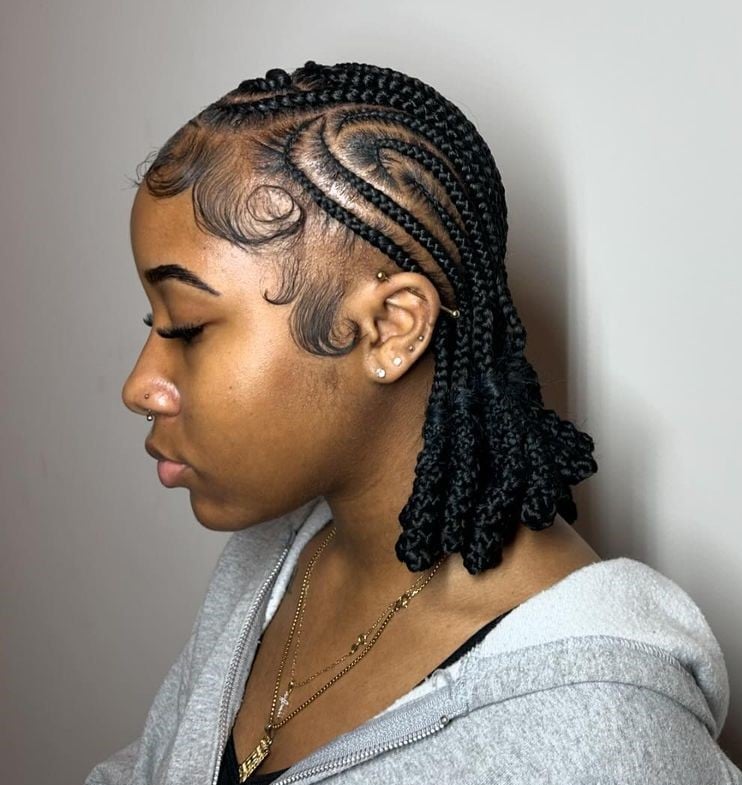
01. Intricate Cornrows Transitioning to Mid-Back Braids
The beauty of this design is in the transition: tight, intricate cornrows hug the scalp at the front, then loosen into braids that fall to mid-back. That middle part keeps the pattern symmetrical, while small gold studs add a subtle accent. Defined edges finish the look so it appears polished without being busy.
This works best on thick, coily hair that can hold the detail of the cornrows and carry the weight of the length. If that sounds like you, ask your stylist for intricate cornrows that extend into mid-back braids with gold studs. Between salon visits, a lightweight hair oil on the scalp keeps the area moisturized and stops the style from feeling tight.
02. Mid-Back Box Braids With Decorative Charms
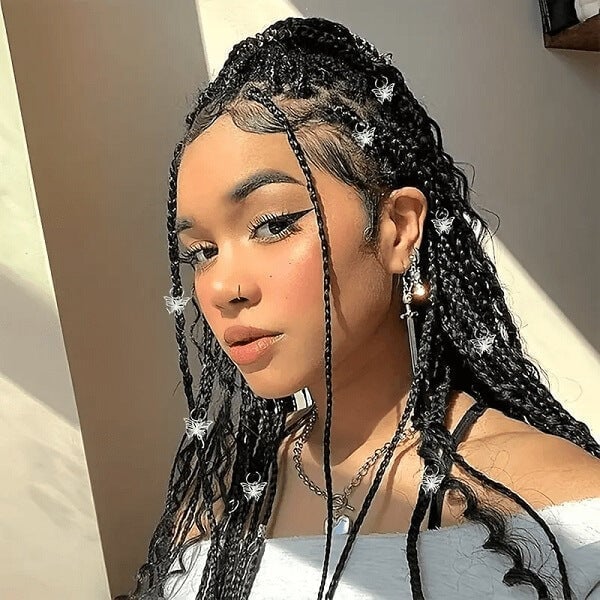
Wondering if box braids with charms are worth the extra time in the chair? The charms turn a standard protective style into something with a bit of personality, and on thick, coily hair they hang nicely without weighing the roots down. The mid-back length gives you room to move, and the defined edges keep the face soft.
Ask your stylist for mid-back box braids with small decorative charms and defined edges. To keep the style comfortable, spritz the scalp with a light oil or water-based spray every few days. It prevents the itchiness that tends to creep in with a style this intricate, and it keeps the braids looking fresh between washes.
03. Shoulder Length Box Braids With Beads
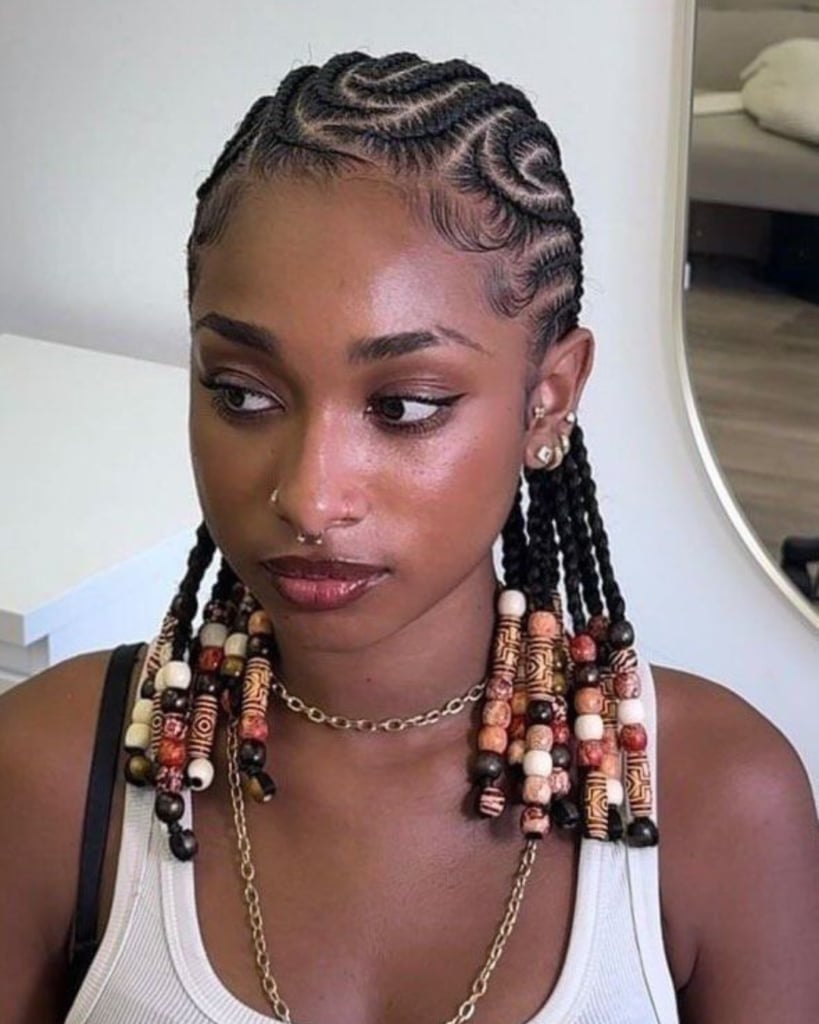
Compared to the longer versions, this shoulder-length take feels lighter and more practical for everyday wear. The cornrows at the front keep the roots tidy, and the earthy beads at the ends add a subtle rattle and a hint of color. Ask your stylist for shoulder-length box braids transitioning from cornrows with earthy beads. The beads do add a little weight, so make sure the braids are anchored well. A dab of mousse along the hairline tames the baby hairs.
04. Shoulder Length Box Braids With Highlights, Mid-Back
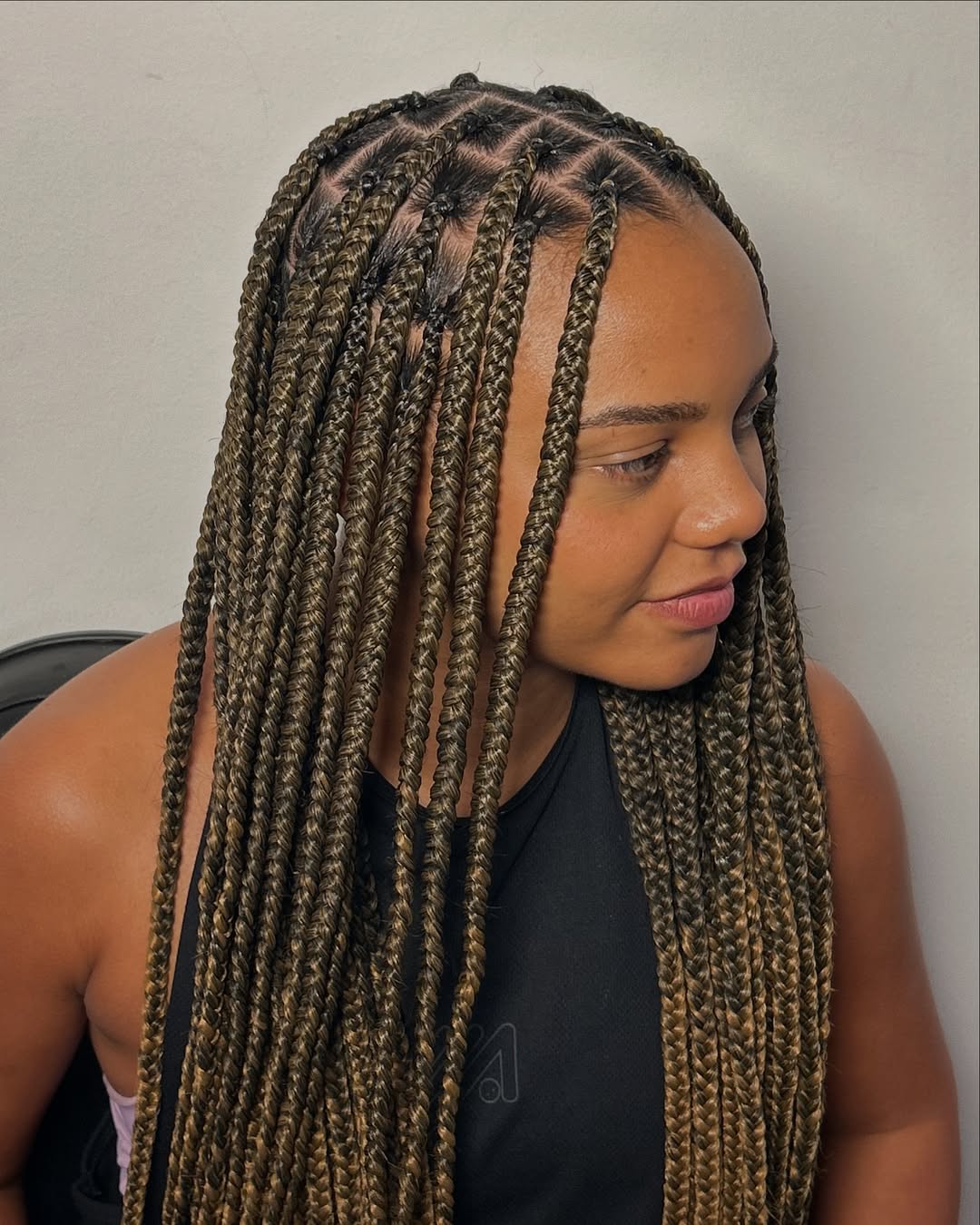
The neat square sections at the scalp give this style its crisp, orderly look, and the blonde highlights woven through a dark brown base add dimension. The braids fall to mid-back, which gives you enough length to style them in a ponytail or a bun. To keep the highlights bright, schedule a toning appointment every six to eight weeks. Ask your stylist for shoulder-length box braids with subtle blonde highlights and neat square sections. Between visits, a braid sheen spray keeps the braids glossy and reduces frizz, so the part stays sharp.
05. Chin Length Bob Box Braids
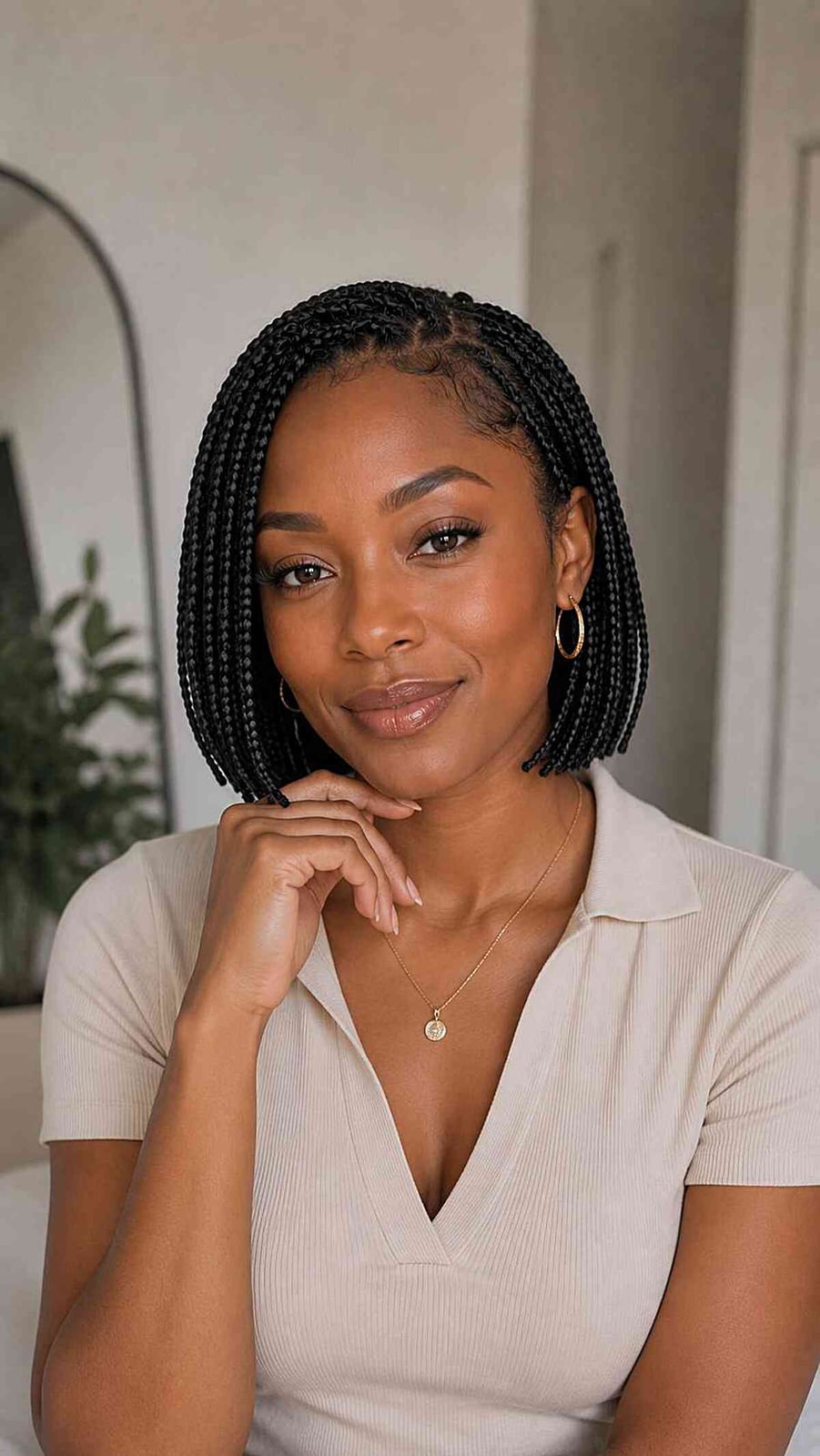
Want a protective style that feels as light as it looks? The chin-length bob in box braids is a smart pick. The middle part and the neat, close-to-the-scalp braids frame the face without adding bulk, and the black color keeps it versatile. Ask your stylist for a chin-length bob with neat box braids. A silk bonnet at night keeps the braids from flattening or frizzing, so the shape holds its clean line longer.
06. Mid-Back Cornrows With Defined Edges
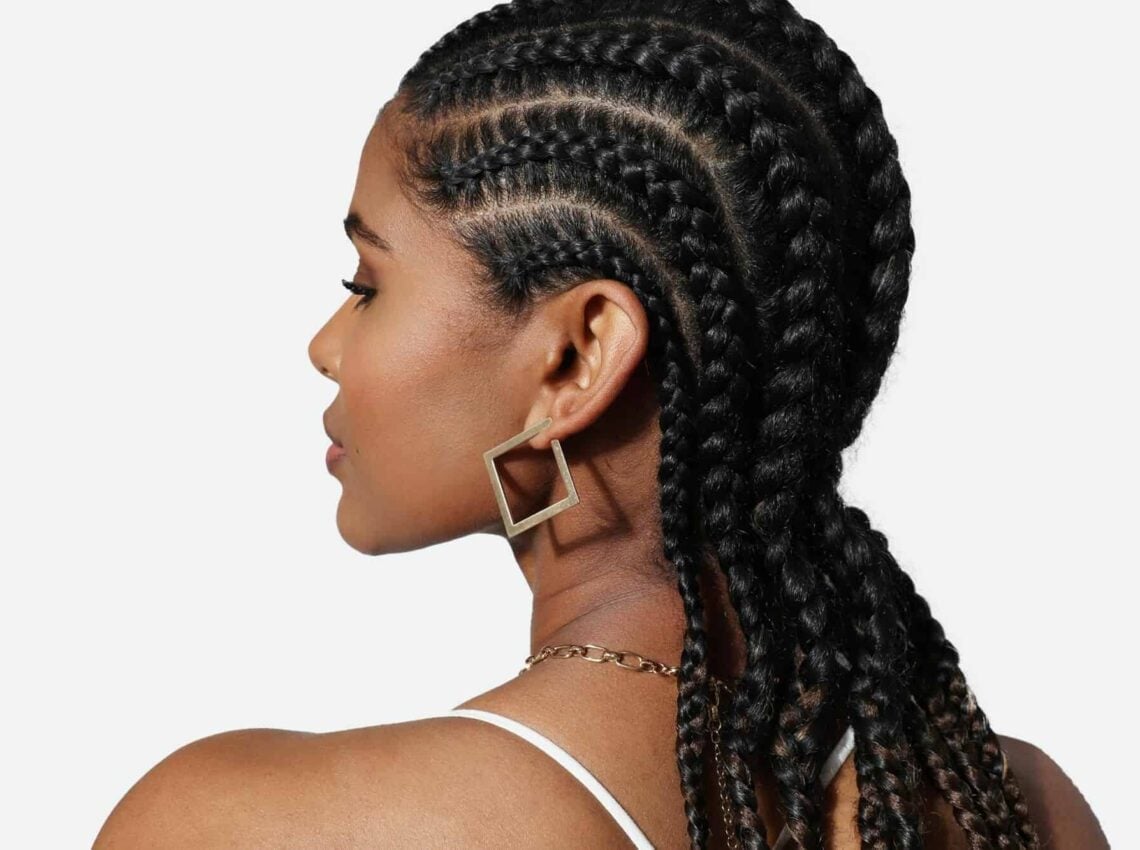
Those cornrow lines are so clean they look measured, and the defined edges pull the whole thing together. The middle parting keeps the pattern symmetrical, which matters more than you think when the braids sit this precisely. Thick, coily hair at mid-back length is the ideal canvas for this level of detail. Ask your stylist for: mid-back cornrows with precise lines and defined edges. The real drawback is that those edges require daily maintenance with a lightweight gel or pomade to stay crisp, and skipping it for a few days means a fuzzy halo you did not sign up for.
This is a salon-only style that takes several hours to install, but the payoff is a protective look that holds for weeks. Cornrows this neat work for everyday wear and the office alike, though you will want a satin scarf at night to preserve the part lines. If your hair is fine or shoulder-length, the pattern will not read the same way, so this one belongs to the thick and long crowd.
07. Mid-Back Box Braids With Geometric Patterns
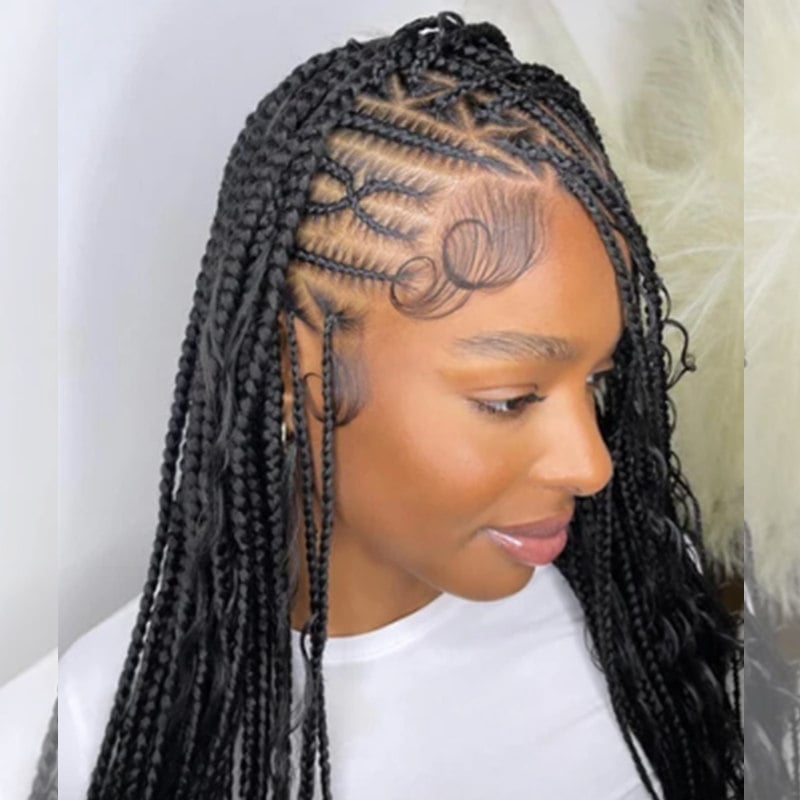
The geometric cornrow patterns on the scalp are the star here, not the box braids themselves. Each section is mapped out before a single braid starts, which is why the lines look deliberate. Thick, coily hair at mid-back length gives the braider enough real estate to make those angles read clearly. Ask your stylist for: mid-back box braids with geometric cornrow patterns and curled tendrils. The curled tendrils at the ends soften what could otherwise feel too architectural, and they are easy to refresh with a twist and some setting lotion.
This is not a DIY project. The scalp work alone takes a skilled hand and a few hours in the chair, so budget your time accordingly. Once installed, the style is low maintenance for two to three weeks. It works for both everyday wear and special occasions. Sleep with a silk scarf to keep the pattern from frizzing at the roots.
08. Mid-Back Ponytail Braid From Box Braids
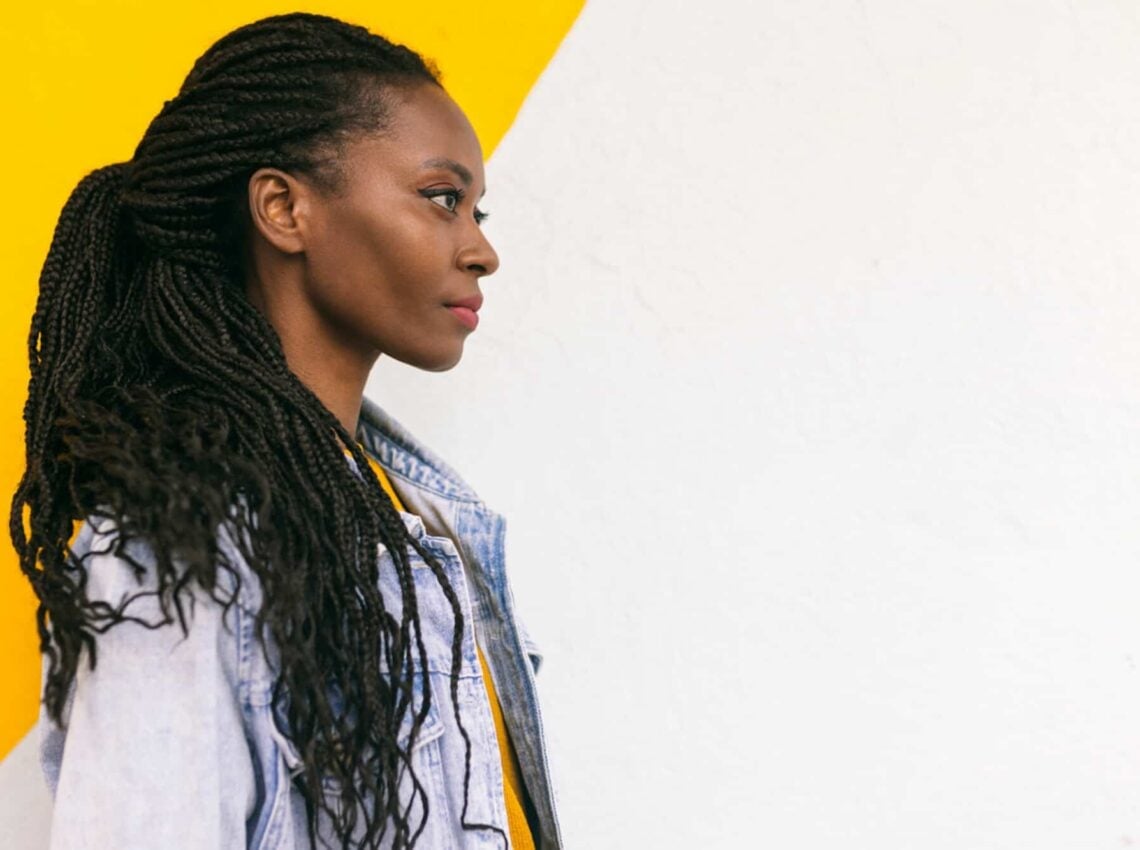
Ever wonder how to get more mileage out of your box braids? Gather them into a high ponytail and braid the whole thing down. The middle parting keeps the top neat, and the braided ponytail gives the style a second life without any new extensions. Dense, straight hair at mid-back length works best because the braid stays tight and does not thin out halfway. Ask your stylist for: high ponytail braid from mid-back box braids.
Start by pulling all the braids up to your crown and securing them with a strong elastic. Divide the ponytail into three equal sections and braid to the ends, then secure again. That is it. The whole process takes about ten minutes. This is a salon-installed base with a quick at-home styling add-on, which makes it practical for active days or gym sessions when loose braids get in the way.
09. Blonde Box Braids Into Curly Ponytail
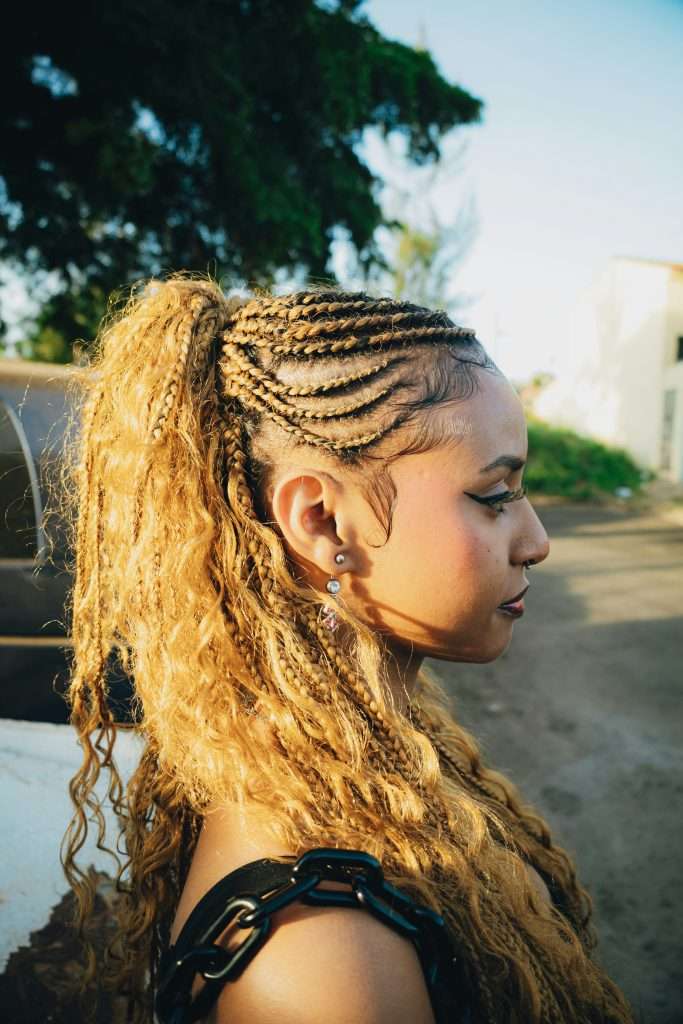
Blonde box braids at the scalp give way to a high ponytail made entirely of loose, curly hair, and the contrast is the point. The neat braids keep the top polished while the thick, curly ponytail adds volume that a straight version simply cannot match. Mid-back length is required to get that ponytail weight right. Ask your stylist for: blonde box braids pulled into a high ponytail with loose curly extensions. This is a warm-weather style through and through: the blonde reads lighter in the sun, and the curly ponytail stays off your neck. The ponytail holds curl definition all day. It works for parties and everyday wear. Refresh the curl pattern with water and leave-in conditioner every few days.
10. Mid-Back French Braid With Thick Texture
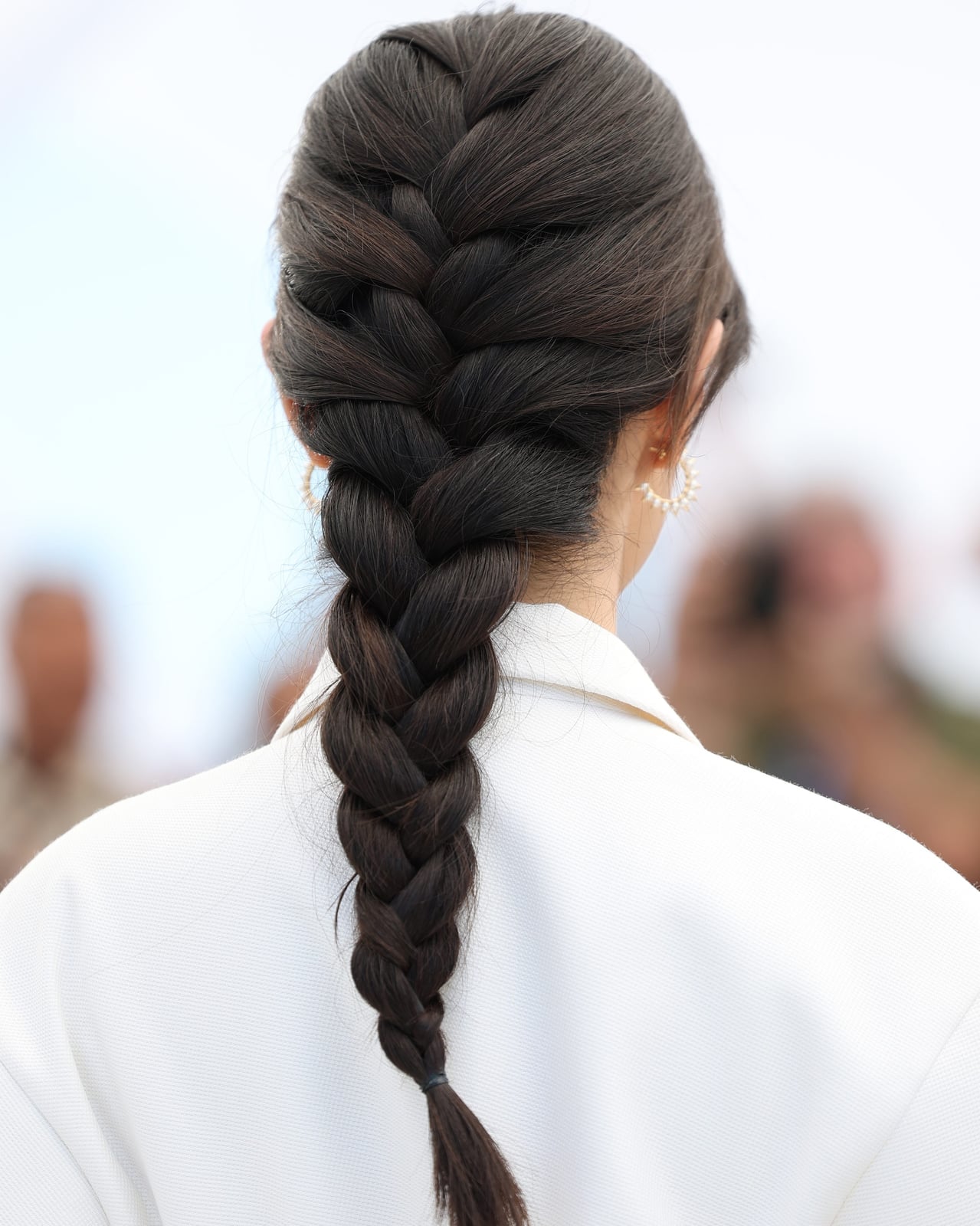
A French braid on thick, straight hair is a different animal than on fine hair. The density creates a braid that looks substantial from crown to tip, and the middle parting gives it a clean starting point. Dark brown hair at mid-back length shows the weave clearly without needing highlights to define the sections. Ask your stylist for: tightly woven mid-back French braid. The tight weave is what keeps this style from loosening by lunch, but it also means the braid can feel heavy by the end of the day.
Upkeep is straightforward. Apply a texturizing spray before braiding for grip, and sleep with a silk scrunchie on the end to prevent fraying. The braid holds well for two to three days if you do not sleep on it wrong. Re-braiding takes about fifteen minutes once you have the muscle memory down. This is a salon-leaning style that you can eventually do yourself, but the first few attempts will be looser than you want.
11. Voluminous Mid-Back Dutch Braids Blonde
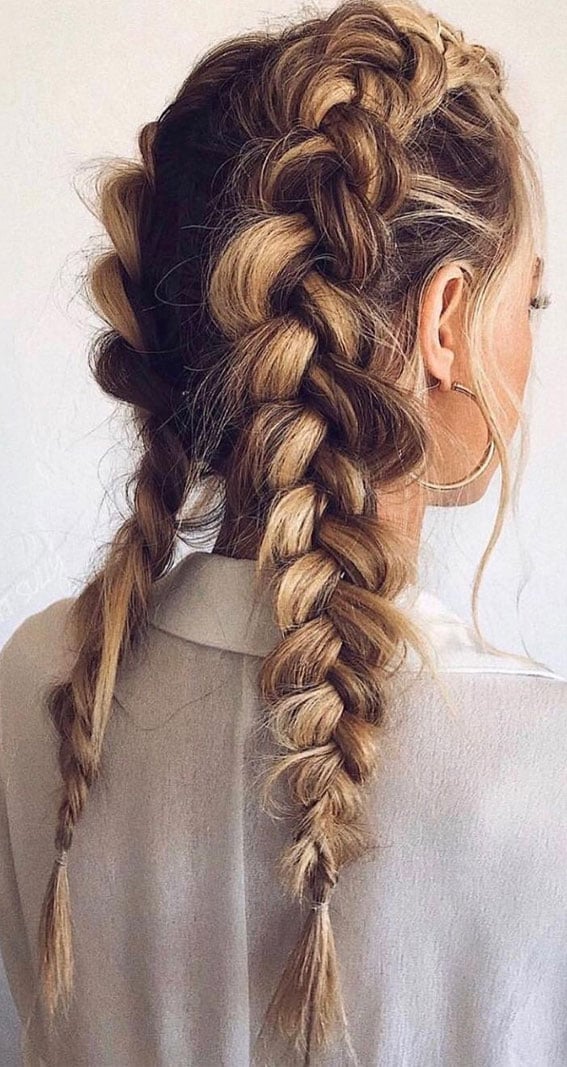
Wondering if Dutch braids can work for your hair type when they look this full? The thickness comes from the wavy texture and the dual-tone blonde base with darker roots and highlights, which adds visual depth to each section. This style suits thick, wavy hair that reaches mid-back. Ask your stylist for: two voluminous Dutch braids with blonde and dark root contrast. One real drawback: the weight. On very dense hair, two Dutch braids can feel heavy after several hours, especially if you are not used to tension at the scalp.
Gently pull apart the braid sections after styling to enhance fullness and texture. That step takes about five minutes and turns a neat plait into something that looks intentionally undone. The hold is solid for a full day, and the middle parting keeps the symmetry clean. If your hair is on the finer side, this exact look will read as smaller than the photo suggests; consider a single Dutch braid instead.
12. Textured Mid-Back Double Dutch Braids
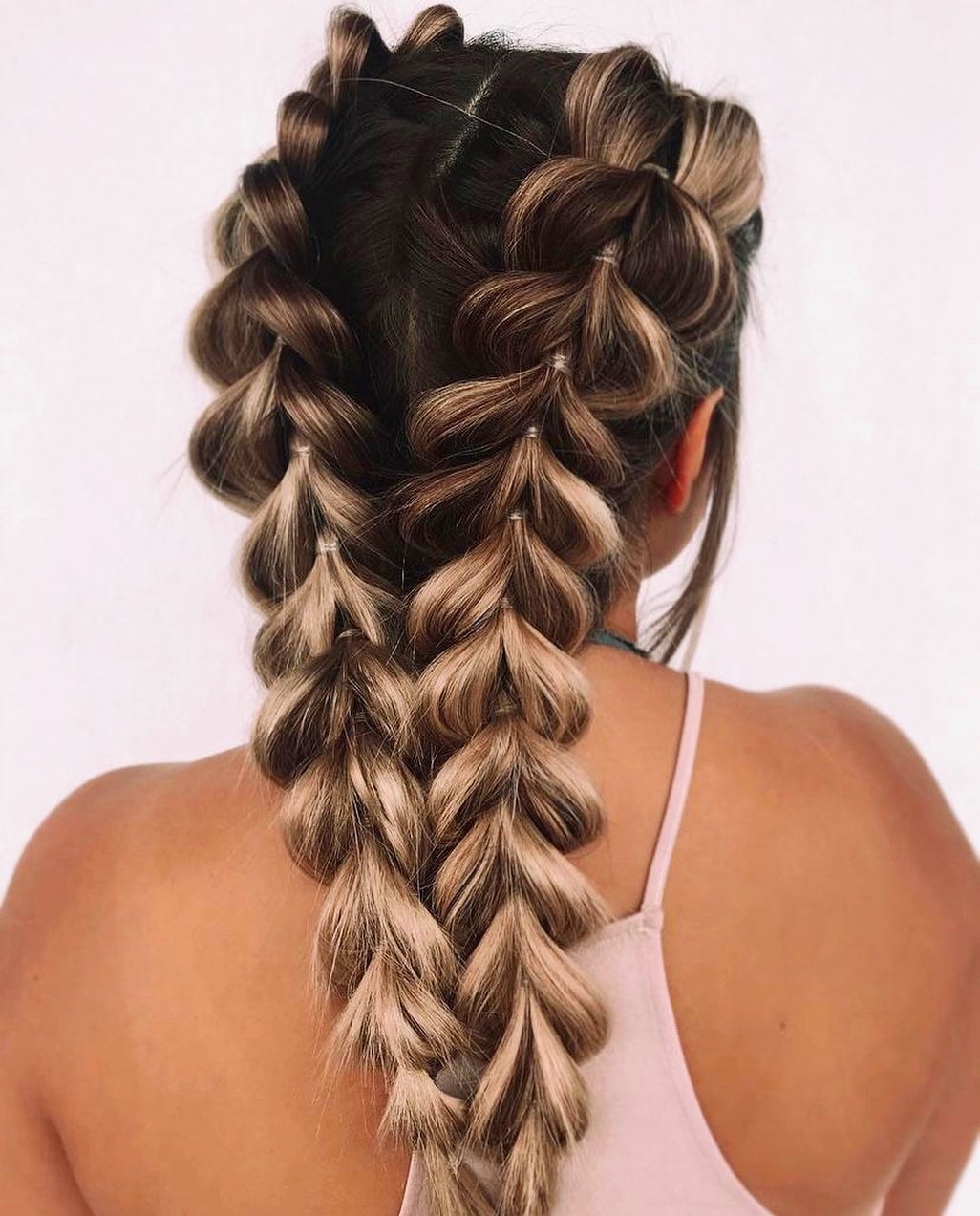
Where smooth, tight Dutch braids sit flat against the scalp, these textured double Dutch braids do the opposite. The dark brown base with blonde highlights and the wavy, thick texture create a raised, almost pillowy effect from crown to mid-back. Ask your stylist for: two textured, voluminous Dutch braids with dark brown and blonde highlights. A texturizing spray on dry hair before braiding gives the grip needed to hold that loft; without it, the braids tend to loosen unevenly within a few hours. The middle parting keeps the two sections balanced, and the layers in the cut help the ends taper naturally.
13. DIY Dutch Braids With Loose Waves Blonde Pink
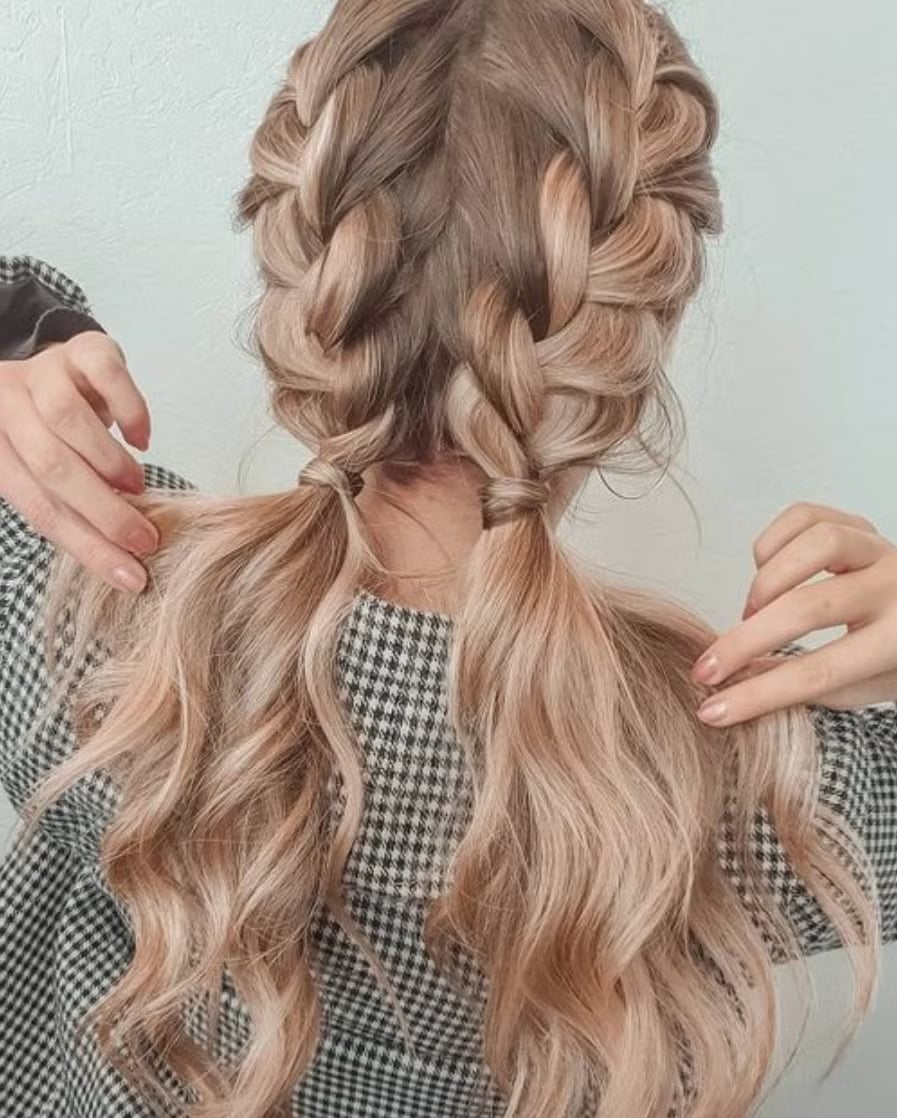
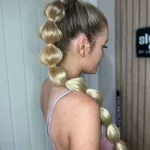
The trick to these chunky Dutch braids is starting with slightly damp hair for better control and less frizz. The blonde base with pink highlights adds a subtle color shift that shows best when the braid sections are pulled wide, not tight. Begin at the crown and braid down to about ear level, then let the mid-back length fall into soft waves.
To keep the loose section looking intentional, wrap it around a large-barrel curling iron in one-inch sections. The pink highlights become more visible in the waves than in the braids, so the color appears as a surprise detail. This whole setup takes about twenty minutes once you have the braiding pattern down, and the hold lasts through a full day of movement.
14. Dutch Braid Into Top Knot Medium Brown
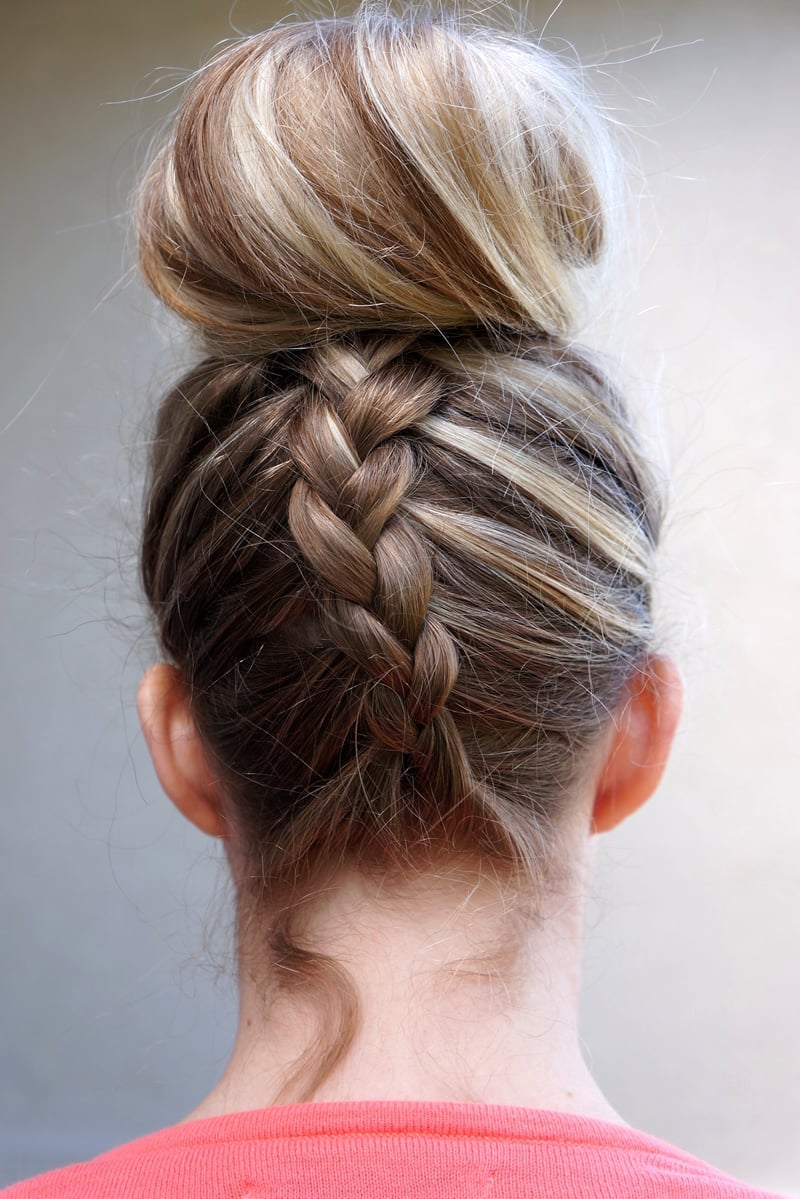
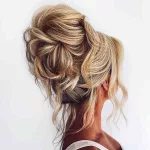
A tightly woven Dutch braid starting at the nape leads into a voluminous top knot, using medium brown hair with blonde highlights and some texture. Ask your stylist for: tight Dutch braid leading into a voluminous top knot. This is a solid choice for second-day hair or a day when you want the braid detail visible but the length off your neck. The top knot holds best when the hair has some wave or grit; straight, slippery hair will need a texture spray before braiding. Good for a workday that runs into dinner, the style stays secure without pins migrating.
15. Half Up Style With Waterfall Braid
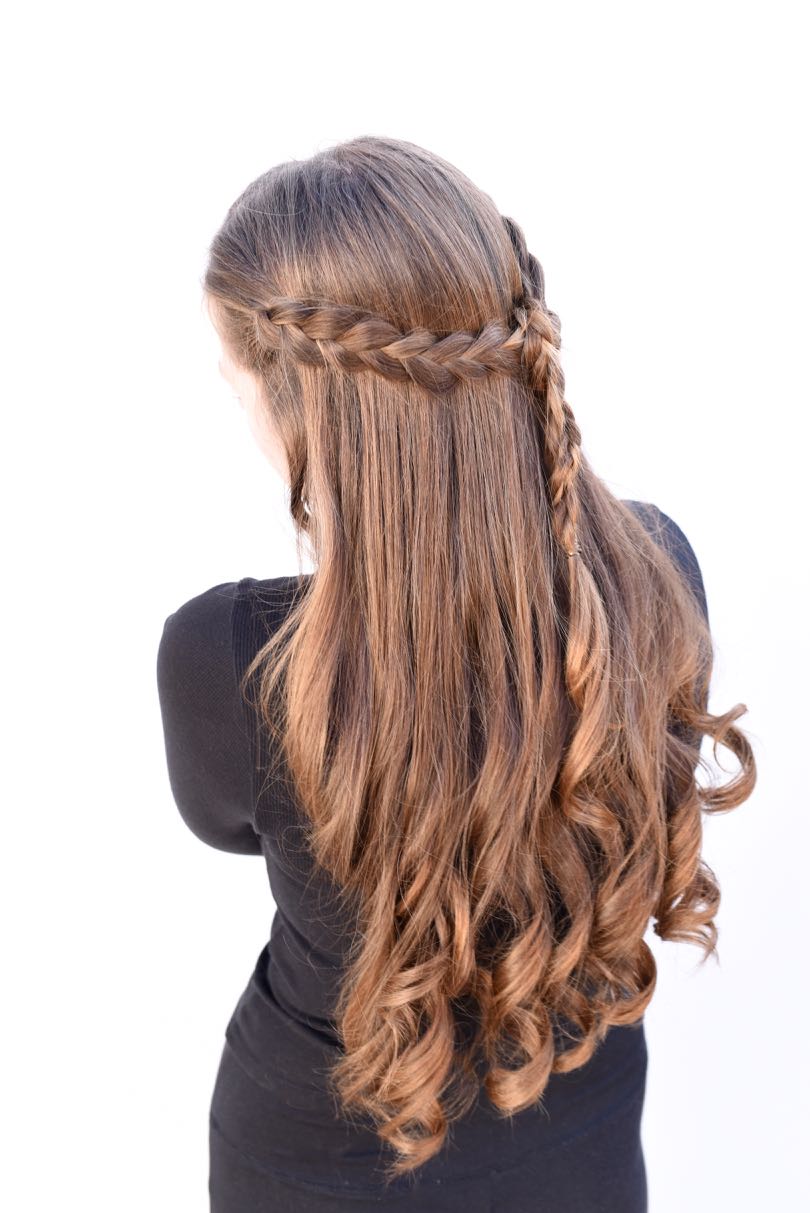
How do you ask for a braid that looks delicate without being fussy? This half-up style uses a waterfall braid across the crown, where each section drops a piece of hair before picking up the next, creating a cascading effect against the loose waves underneath. Ask your stylist for: half-up style with a delicate waterfall braid and loose waves. The rich brown base with subtle blonde highlights gives the braid enough contrast to read clearly. A salon can set this in about thirty minutes; doing it yourself at home takes patience with the drop-and-pick rhythm. The loose sections need a curling iron with a one-and-a-half-inch barrel to match the wave size in the photo. The hold is moderate. The waterfall part stays put, but the waves will soften by evening.
16. Braided Headband With Loose Waves
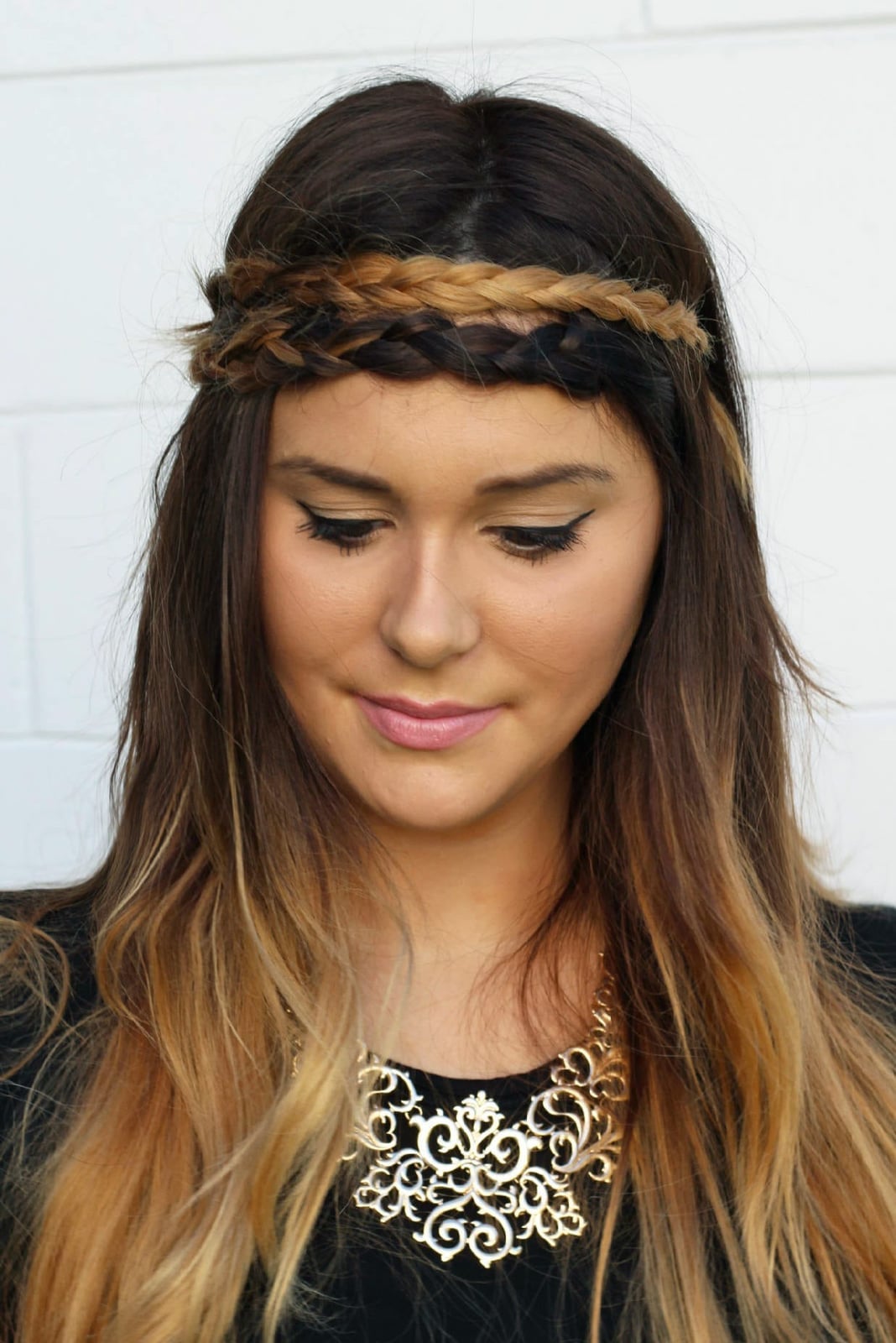
The braided headband does double duty here: it keeps the hair off your face while the rest falls in loose waves to the mid-back. On thick, wavy hair with a dark brown base and blonde balayage, the braid acts as a deliberate accent. It suits a middle parting and hair that already has some natural movement, since the waves carry the bohemian feel. Ask your stylist for: braided headband with loose waves and balayage highlights.
The catch is the hold. On wavy hair, a braided headband can loosen over the course of a day, especially if the strands are slippery from product. Starting with a slightly tighter braid helps, but expect to tuck a few pieces back in by mid-afternoon. Using a texturizing spray on the loose sections keeps the waves defined and gives the braid more grip.
17. Heart-Shaped Braid Detail Blonde Hair
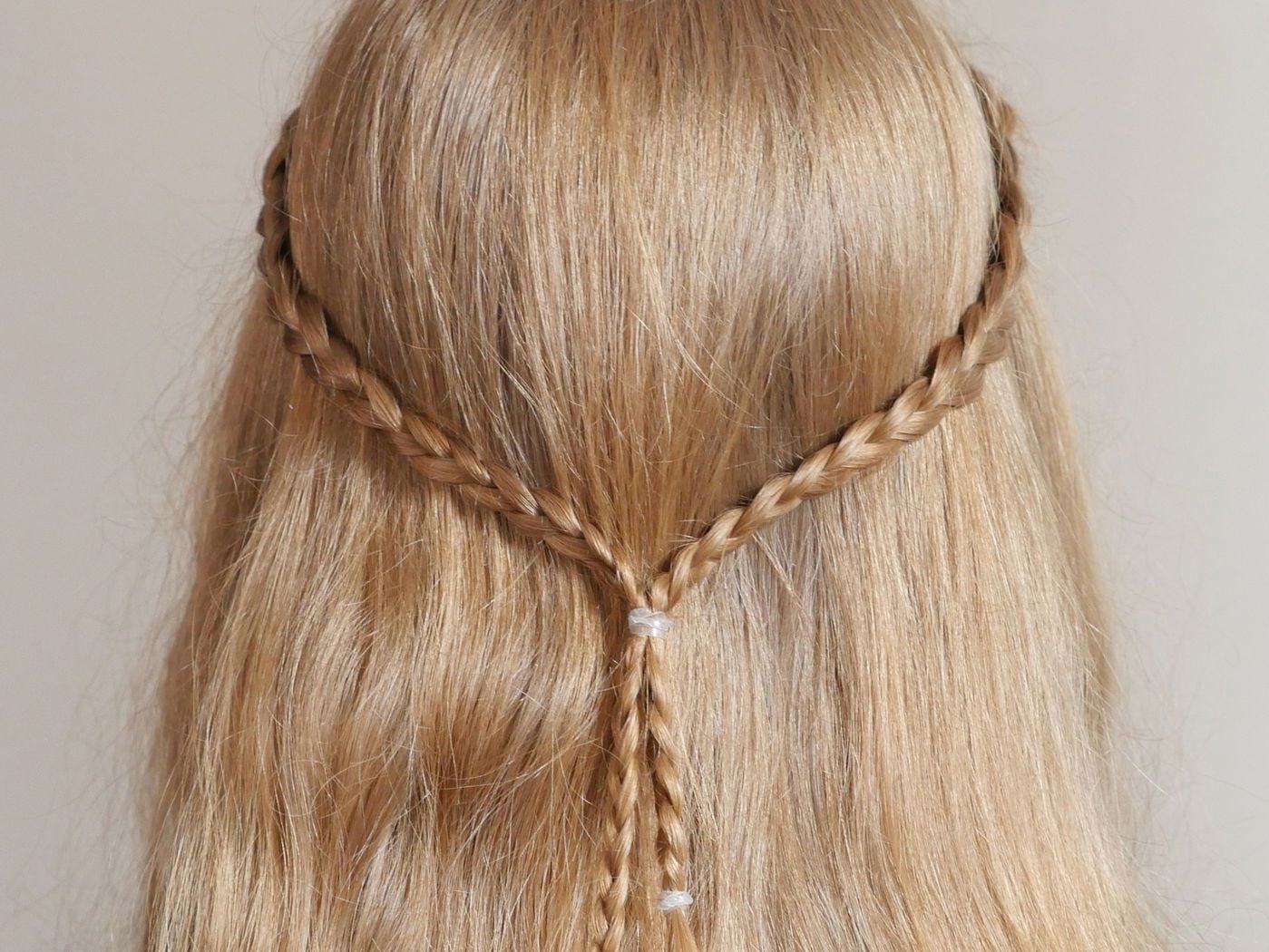
A heart-shaped braid detail is exactly what it sounds like: two braids curve from a middle parting to meet at the crown, then continue as a single braid down the back. On thick, straight blonde hair that reaches mid-back, the shape reads clearly because the strands are smooth and uniform. This is a party-ready look that needs a bit of patience, but it is doable at home. Ask your stylist for: heart-shaped braid detail on mid-back blonde hair.
Start by sectioning the hair at the crown and braiding each side inward, then secure the heart shape with bobby pins before combining the two into one braid. The key is pinning firmly at the center point so the heart does not collapse as you work down the length. Thick hair holds the shape well, but fine hair may need a little teasing underneath to keep the braids from slipping.
18. Shoulder Length Braided Headband Fine Hair
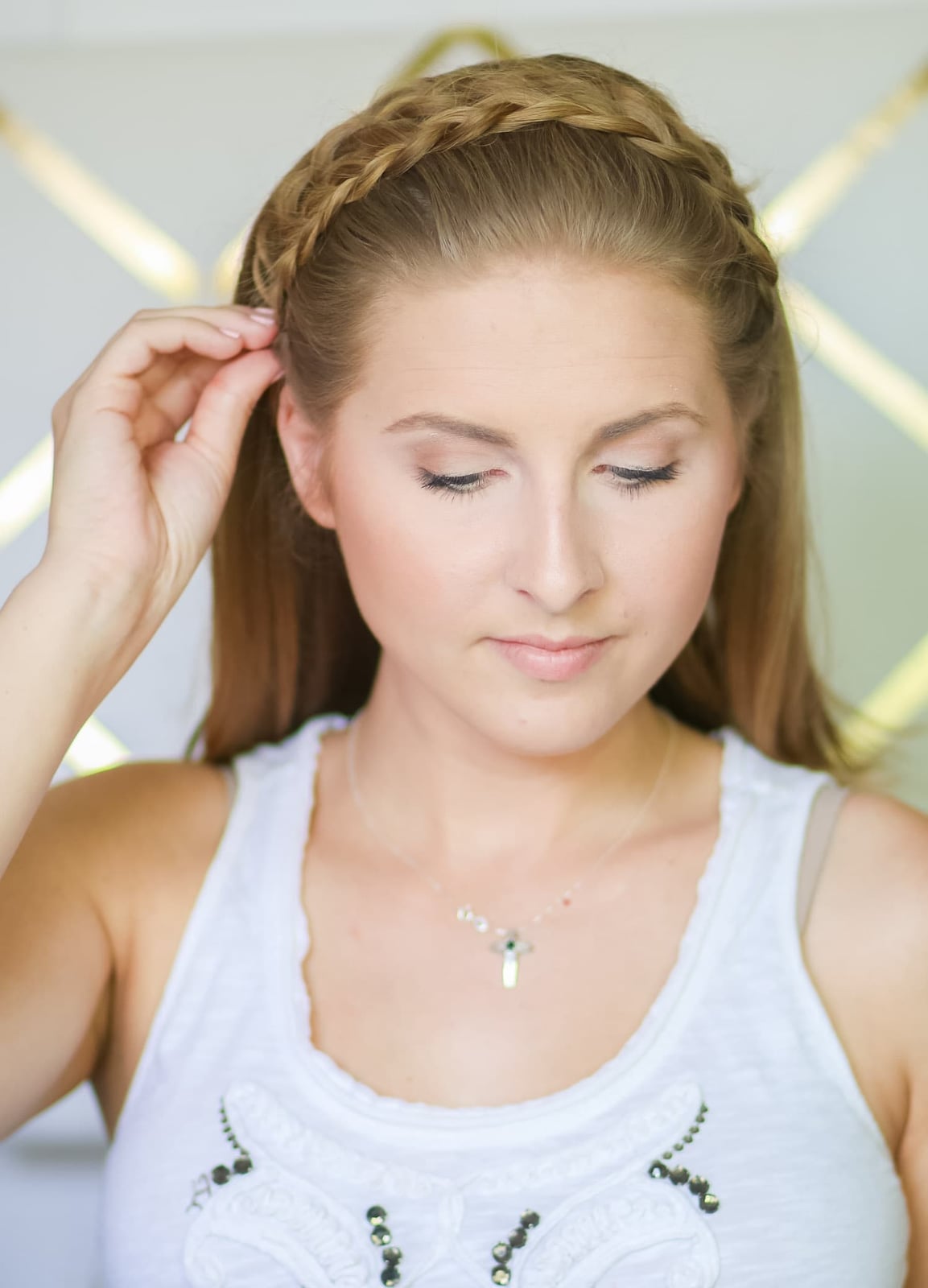
Can a braided headband work on fine, straight hair? Yes, when it is a delicate braid across the top, as seen here on shoulder-length light brown hair with subtle highlights and side-swept bangs. The braid adds a touch of style without adding bulk, making it ideal for fine textures. Ask your stylist for: delicate braided headband with side-swept bangs on shoulder-length hair. To keep it in place, tease the crown slightly before adding the braid, then pin it discreetly at the temples. It holds well for a few hours, but expect to adjust it after a long day.
19. Fine Blonde Hair Braiding Process
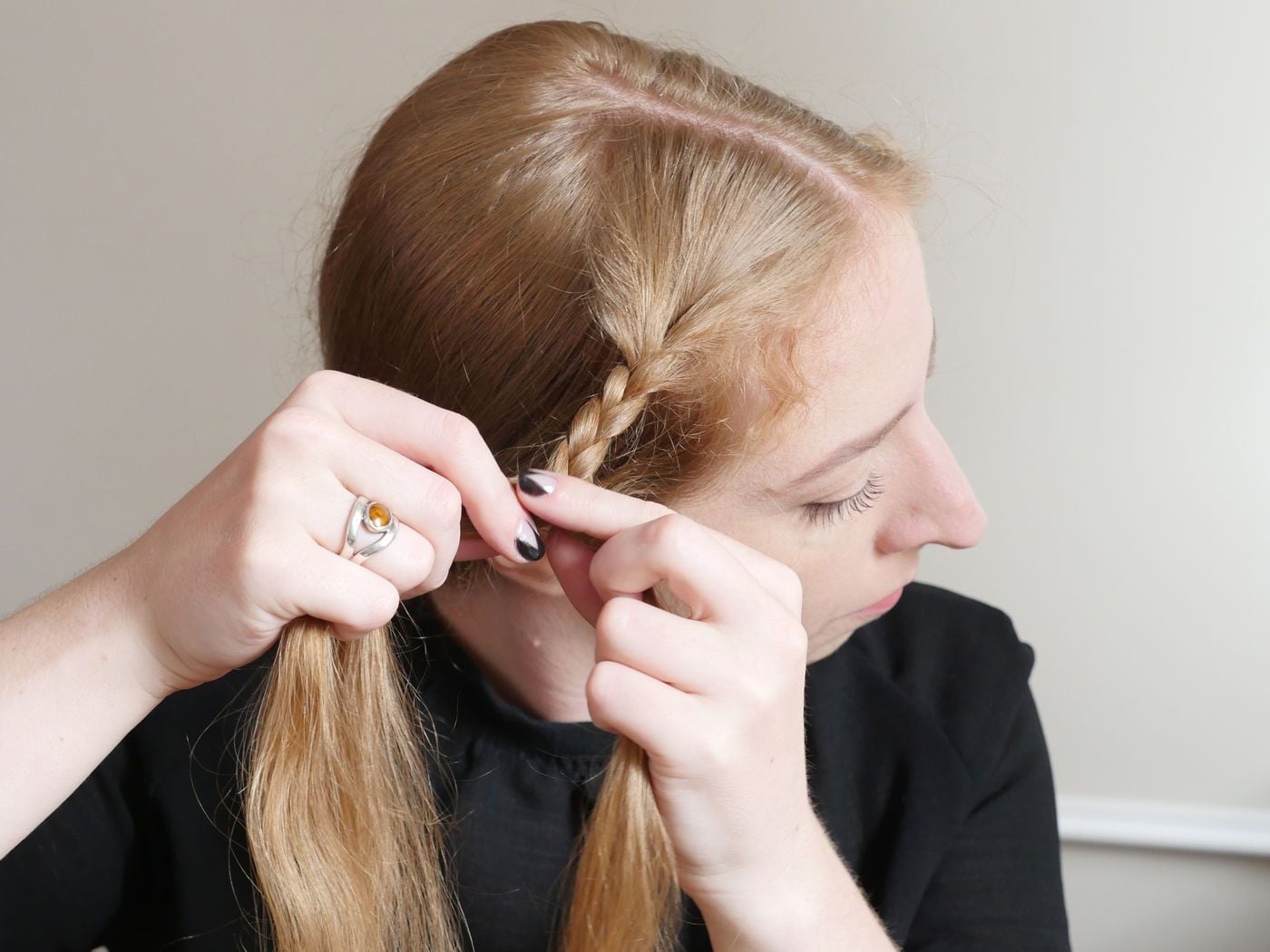
Braiding fine blonde hair is a study in patience: the strands are smooth and prone to slipping, so the process itself takes longer than it would on thicker textures. A side braid on shoulder-length straight hair shows the reality: loose strands appear almost immediately, even as you work. Ask your stylist for: simple side braid on fine blonde hair. A small amount of styling wax on your fingertips helps grip the hair, but you will still see flyaways later in the day. That is the trade-off for keeping the braid soft and flexible instead of stiff and crunchy.
Final Thoughts
For fine hair, styles like the braided headband or two Dutch braids add visual thickness without pulling tight. Thick, coily hair can handle intricate cornrows and voluminous box braids with less concern about tension.
- For box braids, touch up roots every 4-6 weeks to maintain neatness.
- Keep cornrows clean with scalp treatments every 2-3 weeks.
- Refresh Dutch and French braids by re-braiding loose sections every few days.
- Use a silk or satin scarf at night to preserve braid style and reduce frizz.
Mastering easy braids means more stylish hair days with less effort.